Culture
How African Cultures and Wildlife Shape One Another Across Generations
Encounters Africa - 9 min read
Updated on 11 August 2026
From Maasai herders reading lion movements to San trackers interpreting elephant paths, African cultures and wildlife have co-evolved across generations in a profound interplay of knowledge, respect, and mutual dependence. This intricate relationship shapes not only daily life for countless communities but also informs modern conservation strategies that benefit both people and animals. For travellers seeking deeper understanding, recognising these connections transforms a safari into something far more meaningful than a simple game drive.
African cultures and wildlife shape one another through centuries of observation, adaptation, and shared landscapes. In regions from the arid Kalahari to the lush highlands of Rwanda, indigenous knowledge systems have developed in tandem with the rhythms of migrating herds, seasonal bird arrivals, and predator-prey dynamics. This co-evolution offers travellers richer perspectives on conservation and community, revealing how cultural heritage and natural heritage remain inseparable across the continent.
The Historical Bonds Between Communities and Wildlife
Long before colonial boundaries divided the land, African societies viewed animals not as separate entities but as integral parts of their social and spiritual worlds. Hunter-gatherer groups developed intricate tracking skills passed down through generations, while pastoralist communities learned to coexist with large predators by understanding their behaviours and territories. These relationships were rarely one-sided; respect for wildlife often formed the foundation of taboos, rituals, and seasonal calendars that governed human activity.
In many regions, specific animals became totems or clan symbols, embedding them deeply into identity and storytelling. An elephant might represent wisdom and memory in one culture, while a lion could symbolise courage and leadership in another. Such associations ensured that certain species received protection even during times of scarcity, creating informal but effective conservation mechanisms long before the term existed.
The knowledge held by local communities represents centuries of accumulated wisdom about animal behaviour, plant interactions, and ecosystem balance that no textbook can fully capture.
Tracking as Cultural Science
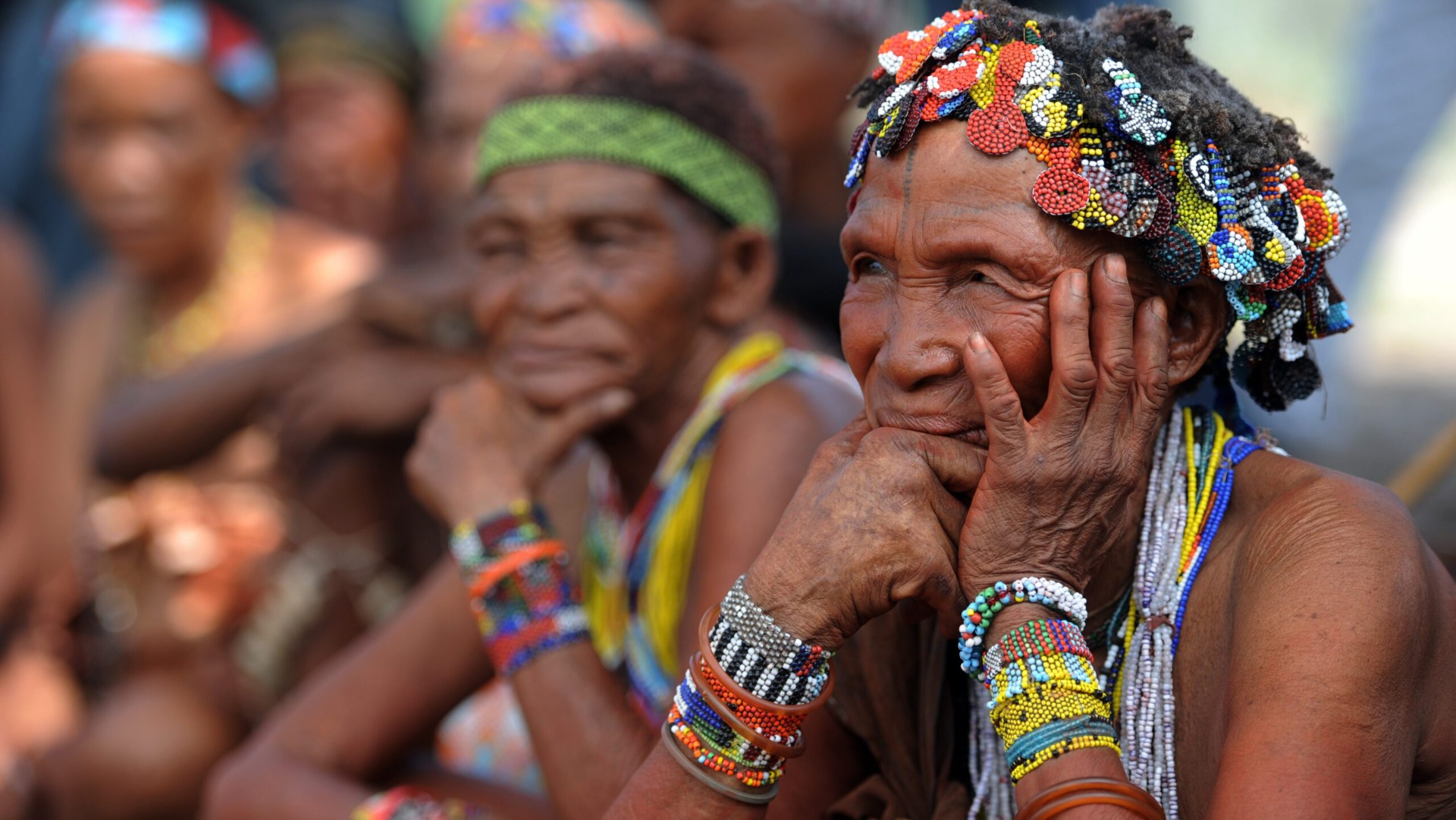
The San people of southern Africa exemplify this deep interconnection. Their trackers can identify not only which animal made a particular print but also its age, sex, health, and even emotional state from subtle variations in gait and soil displacement. This expertise, honed over thousands of years, turns the landscape into a readable text where every bent blade of grass tells a story.
Similar skills exist among the Hadza of Tanzania and various groups in the Congo Basin, where understanding animal movements directly influences hunting success, medicinal plant collection, and seasonal migration patterns. These abilities demonstrate how cultural knowledge and wildlife have developed together, each informing the other in a continuous dialogue.

Maasai Traditions and Lion Guardianship
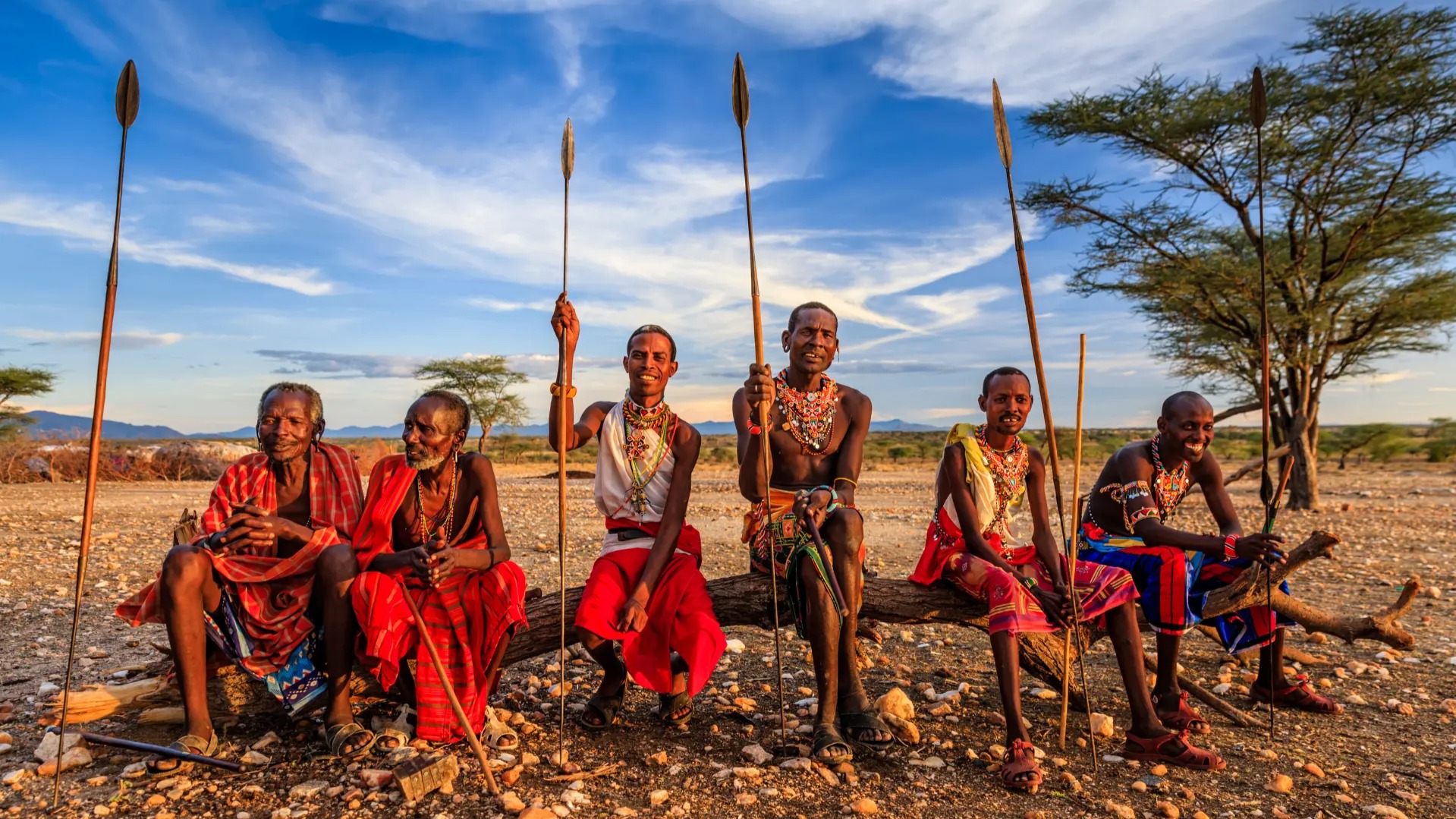
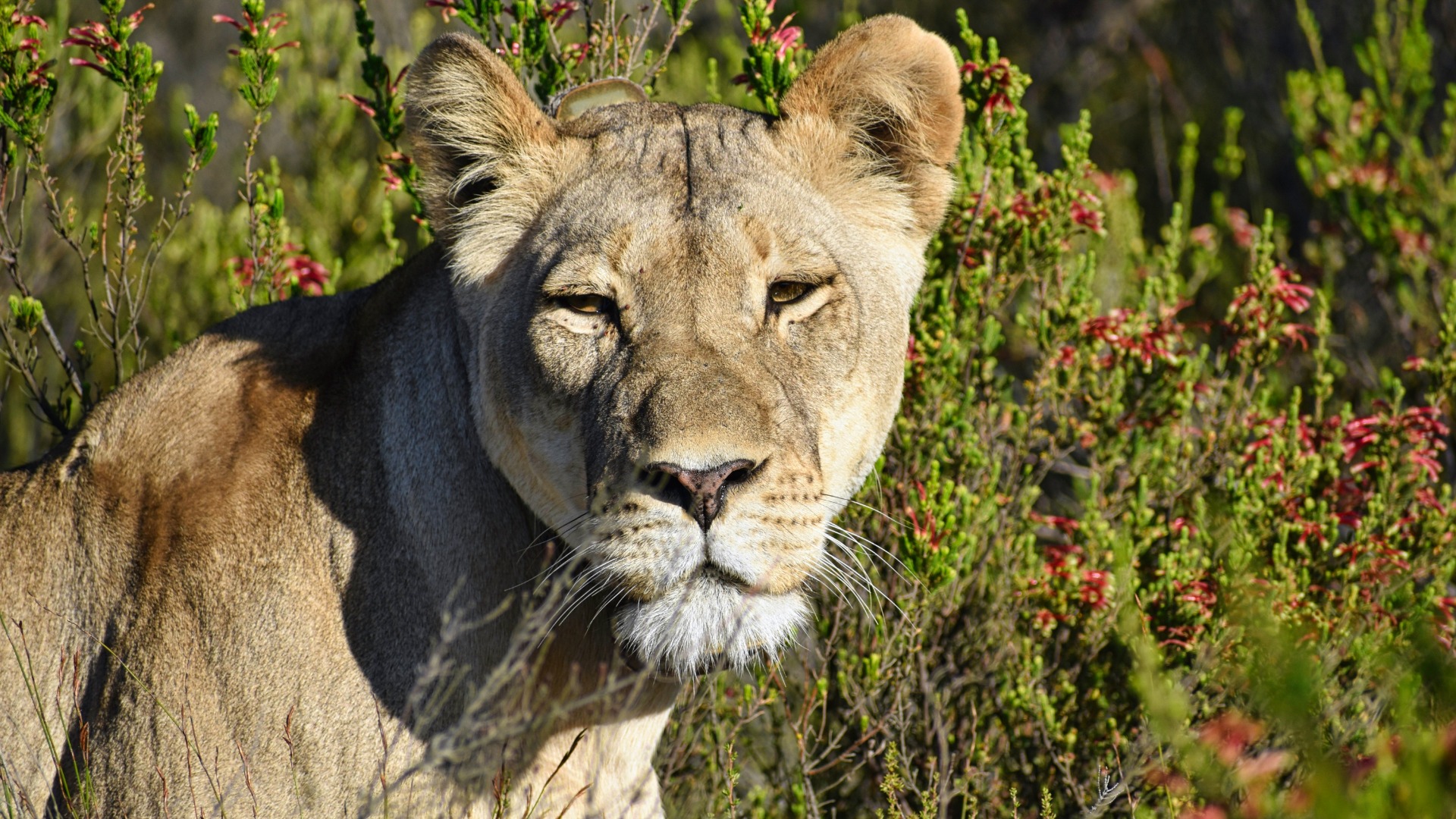
Among the Maasai of Kenya and northern Tanzania, the relationship with lions extends far beyond conflict or fear. Young warriors historically proved their courage through lion hunts, yet these same communities have increasingly become the species' strongest protectors. Modern initiatives channel traditional values of bravery into conservation work, with former warriors now serving as lion guardians who monitor prides and prevent retaliatory killings.
This evolution reflects a broader pattern across Africa where cultural practices adapt to contemporary realities while maintaining their core respect for wildlife. The Maasai's intimate knowledge of lion behaviour, from reading paw prints in volcanic soil to interpreting distant roars, provides invaluable data for researchers and park managers alike.
When a Maasai elder reads the wind and the grass to predict where a lion pride will hunt at dusk, centuries of accumulated understanding come alive in a single moment of connection.
Shifting from Conflict to Coexistence
Traditional Maasai ceremonies once celebrated lion hunts as rites of passage, yet today many communities celebrate the presence of living lions as markers of a healthy landscape. This transition demonstrates the resilience of cultural systems and their capacity to incorporate new information about ecological needs and economic opportunities through responsible tourism.
Programmes that compensate herders for livestock losses while involving them in monitoring have proven particularly effective. These approaches recognise that sustainable coexistence requires addressing both cultural values and practical livelihood concerns, creating solutions that work for both people and predators.
San Knowledge Systems and the Kalahari Ecosystem
In the vast Botswana reaches of the Kalahari, San communities maintain some of the world's most sophisticated tracking abilities. Their understanding of how animals interact with their environment extends to predicting weather patterns from bird behaviour and locating underground water sources through subtle vegetation changes. This knowledge has direct applications for modern conservation, particularly in vast arid landscapes where scientific monitoring alone cannot cover every corner.
Elephants, central to San cosmology and practical survival, serve as ecological engineers whose movements create pathways through dense vegetation and locate water during droughts. San trackers can distinguish between different elephant family groups by their footprints, understanding which matriarchs lead which herds and where they are likely to travel based on seasonal fruiting patterns.
Integrating Traditional Knowledge with Science
Contemporary conservation increasingly recognises the value of combining indigenous knowledge with technological approaches. In several southern African projects, San trackers work alongside biologists to monitor wildlife populations, providing insights that camera traps and satellite collars cannot capture. Their ability to interpret signs invisible to untrained eyes adds crucial layers of understanding to population studies and anti-poaching efforts.
This integration represents more than simple data collection. It validates cultural expertise while creating economic opportunities for communities whose traditional lands often overlap with important wildlife corridors. When properly structured, these partnerships strengthen both cultural continuity and conservation outcomes.
Wildlife in African Art, Ritual and Storytelling
Across the continent, animals feature prominently in artistic expressions that preserve cultural memory and transmit knowledge to younger generations. From intricate beadwork patterns depicting specific bird species to rock paintings showing ancient hunting techniques, these creative forms serve as both historical records and educational tools. The sensory details captured in these works, from the texture of an elephant's skin to the distinctive gait of a giraffe, demonstrate generations of careful observation.
Rituals and ceremonies often incorporate animal elements in ways that reinforce ecological awareness. Certain dances mimic specific species' movements, while storytelling sessions explain the consequences of disrupting natural balances. These cultural practices maintain a living connection between communities and the wildlife that shares their landscapes.
Through stories told around evening fires, African cultures pass down not just entertainment but practical ecological knowledge that has sustained both people and wildlife for countless generations.
How Modern Conservation Benefits from Cultural Wisdom
Today's most successful conservation initiatives in Africa increasingly draw upon traditional knowledge systems rather than imposing external models. In Zambia, community conservancies managed by local leaders have achieved remarkable results by incorporating indigenous governance structures and wildlife management practices. These approaches recognise that effective protection requires local buy-in and cultural relevance.
Similar patterns emerge in community-based tourism projects where cultural knowledge enhances visitor experiences while generating income for conservation. When travellers engage with authentic cultural perspectives on wildlife, they gain deeper appreciation for the complex relationships that sustain both human communities and animal populations.
Community Conservancies and Cultural Pride
Programmes that celebrate rather than undermine traditional relationships with nature have proven particularly effective. In Namibia and parts of Kenya, conservancies that allow communities to benefit directly from wildlife through tourism and sustainable resource use have dramatically reduced poaching while strengthening cultural identity.
These models demonstrate that conservation succeeds when it aligns with rather than against existing cultural frameworks. By recognising the expertise of local knowledge holders and creating space for their continued practice, conservation efforts gain both scientific value and social legitimacy.
What This Means for Today's Travellers
Understanding these cultural dimensions transforms how travellers experience African wilderness. Rather than viewing animals solely through a lens of spectacle, informed visitors can appreciate the deeper stories behind each sighting. A lion becomes not just an impressive predator but part of a complex web of relationships that includes the herders who share the landscape and the cultural traditions that have shaped human responses to its presence.
Responsible safari operators increasingly facilitate connections with local communities, offering opportunities to learn directly from knowledge keepers. These experiences, whether tracking with San guides or visiting Maasai manyattas, provide context that enriches every wildlife encounter and supports conservation through meaningful cultural exchange.
Choosing Experiences That Support Cultural Continuity
Travellers can contribute positively by selecting operators who work in genuine partnership with local communities rather than simply using cultural elements as entertainment. This approach ensures that economic benefits flow to those whose knowledge systems have sustained wildlife for generations while preserving the authenticity of cultural practices.
At distinguished camps like Chobe Game Lodge and Duba Plains Camp, carefully designed programmes help guests understand the human dimensions of the landscapes they explore. These experiences complement traditional game viewing with insights into how cultures and wildlife continue to shape one another.

Looking Forward: Preserving Interconnected Futures
The future of African wildlife depends significantly on maintaining the cultural connections that have sustained these relationships for centuries. As younger generations face pressure from urbanisation and formal education systems that sometimes undervalue traditional knowledge, deliberate efforts become necessary to ensure this wisdom survives.
Successful models integrate cultural education with economic opportunities, demonstrating to young people that their heritage holds genuine value in contemporary conservation contexts. When cultural knowledge contributes directly to protecting the landscapes and species that define it, the incentive for preservation becomes clear and compelling.
The most effective conservation strategies recognise that protecting wildlife requires protecting the cultural systems that have co-evolved alongside it. This integrated approach offers hope for landscapes where both human communities and animal populations can thrive together, maintaining the rich tapestry of relationships that characterises Africa's natural heritage.
Embracing Deeper Connections on Your African Journey
The intricate ways in which African cultures and wildlife have influenced each other across generations offer profound lessons for all who venture into these remarkable landscapes. By approaching your safari with awareness of these connections, you move beyond surface-level observations to engage with living systems of knowledge, respect, and mutual dependence that continue to evolve today.
For discerning travellers seeking a private safari beyond our set itineraries, we invite you to contact us directly. We specialise in designing exceptional, tailor-made journeys for individuals, couples, families, and private groups of up to eight guests. Drawing on our handpicked network of distinguished camps and lodges, we curate every detail with precision and care, creating a seamless, deeply personal safari experience shaped entirely around your preferences, pace, and budget.
Whether exploring the cultural landscapes around Masai Mara or discovering the tracking traditions of the Kalahari, Encounters Africa can help you experience these interconnections authentically and meaningfully. We encourage you to reach out through our enquiry form to begin planning your own journey into the heart of these living relationships between people, culture, and wildlife.
More like this
Culture
How African Rituals Strengthen Wildlife Protection Across Generations
Culture
Experiencing Botswana's Kgotla Tradition
Culture
How Centuries of Migration and Trade Forged the Distinct Layers of Tanzanian Culture
Culture
How Climate-Driven Wildlife Declines Are Forcing Ritual Changes Across East Africa
Culture
How Community Rituals in Rwanda Continue to Shape Modern Identity
Culture