Culture
How African Rituals Strengthen Wildlife Protection Across Generations
Encounters Africa - 8 min read
Updated on 11 August 2026
Indigenous knowledge systems in Kenya and Botswana translate ancestral respect for elephants and lions into active conservation strategies that outperform many Western models. These living traditions, passed through rituals and oral histories, create a powerful framework where wildlife protection becomes inseparable from cultural identity. For discerning travellers, understanding these connections deepens every safari encounter and reveals why community-led efforts often succeed where top-down approaches falter.
Across generations, African rituals have woven wildlife into the fabric of daily existence. Rather than viewing animals as separate from human life, many societies see them as kin, teachers, or spiritual guardians. This perspective has produced sophisticated conservation practices that sustain both ecosystems and communities, offering lessons that resonate far beyond the continent.
The Spiritual Foundations of Wildlife Stewardship
In many Kenyan and Botswanan communities, animals embody ancestral spirits or serve as intermediaries between the living and the departed. Elephants, with their remarkable memory and complex social structures, often represent wisdom and family continuity. Lions symbolise strength, leadership, and territorial balance. These beliefs are not abstract; they inform practical decisions about land use, hunting, and resource sharing.
Rituals reinforce these connections through ceremonies that mark seasonal changes, rites of passage, and communal gatherings. Participants invoke specific animals through dance, song, and storytelling, embedding ecological knowledge into cultural memory. The result is a resilient system where respect for wildlife becomes instinctive rather than enforced.

Our ancestors taught us that when the lion thrives, the land thrives. To harm one is to wound the other. This truth has guided our people for centuries.
Rituals That Protect Kenya's Iconic Species
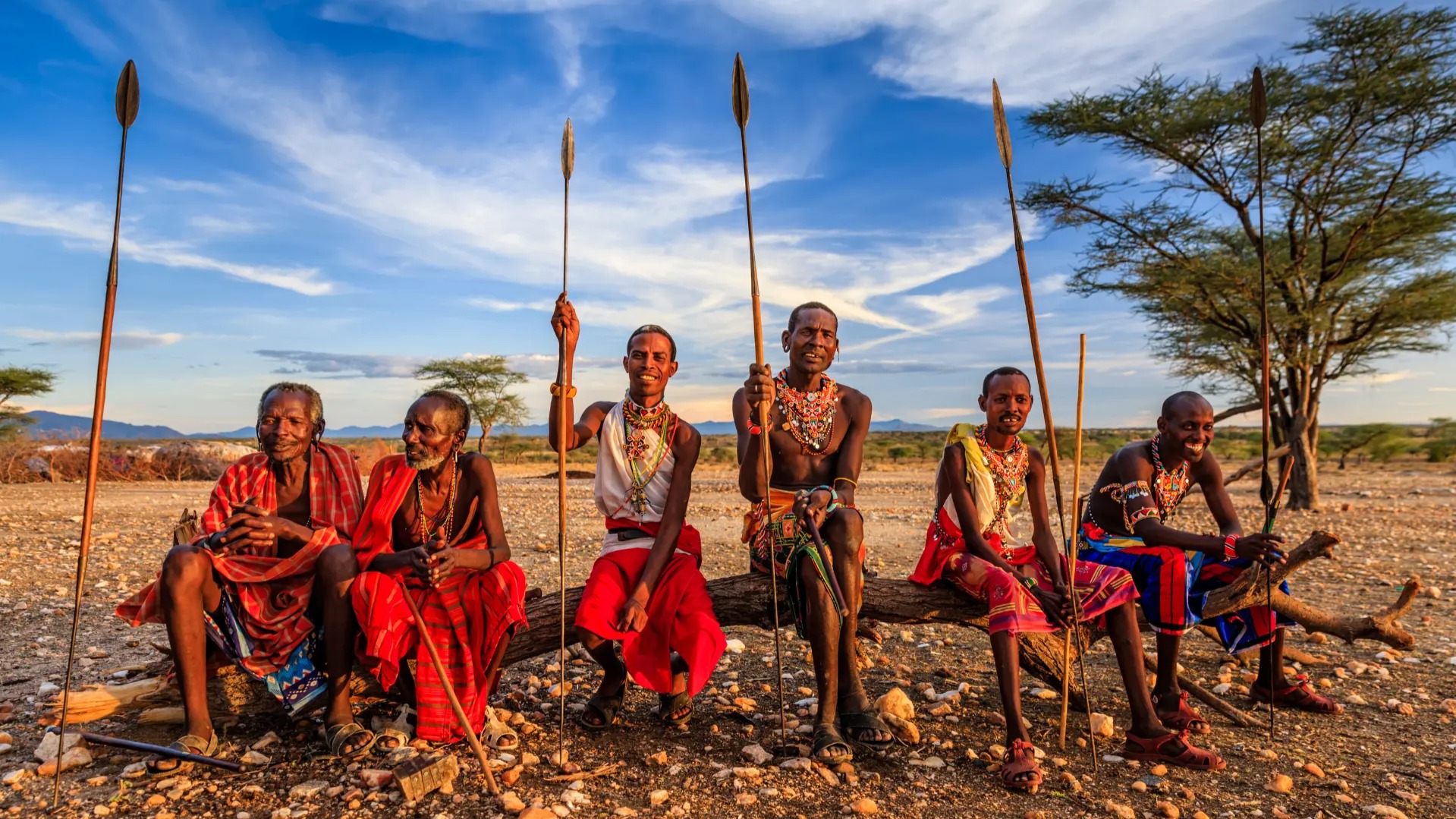
In the landscapes surrounding the Masai Mara, Maasai traditions demonstrate how cultural practices directly support wildlife. Young warriors historically proved bravery through lion hunts, yet modern interpretations have transformed this into protective stewardship. Community conservancies now integrate these values, creating buffer zones where both livestock and wild animals can coexist.
The Angama Mara region benefits from these longstanding relationships. Local elders share knowledge about animal movements and behaviour patterns that complement scientific monitoring. This fusion of indigenous tracking skills with contemporary research has improved anti-poaching efforts and habitat restoration projects across thousands of hectares.
Ceremonies honouring elephants often involve specific chants and movements that celebrate the animals' role in creating pathways through dense vegetation. These routes, known locally as "elephant highways," also benefit other species and human travellers. By protecting these corridors through customary law, communities maintain biodiversity while preserving their own mobility and resource access.
How Initiation Rites Embed Conservation Values
Maasai initiation ceremonies include teachings about responsible land management and the consequences of disrupting natural balances. Elders use stories of past environmental crises to illustrate why certain areas must remain untouched. Young people emerge from these rites with a profound understanding of their role as guardians rather than owners of the land.
This educational approach has produced measurable results. Areas with strong cultural leadership show lower rates of human-wildlife conflict and higher wildlife densities compared to regions relying solely on external enforcement. The intergenerational transmission ensures that knowledge adapts while core principles remain intact.
Botswana's Living Traditions of Coexistence
In the Okavango Delta and surrounding regions, communities draw on rich heritage to shape their interactions with wildlife. The Bayei and Hambukushu peoples maintain practices that recognise animals as fellow inhabitants with equal rights to resources. This philosophy underpins many successful conservation initiatives in northern Botswana.
Elephant-related rituals often centre on gratitude for the animals' role in locating water during dry seasons. Ceremonial offerings and songs acknowledge this contribution while reinforcing rules about sustainable harvesting. These customs have helped maintain healthy elephant populations even as pressures from surrounding areas increase.
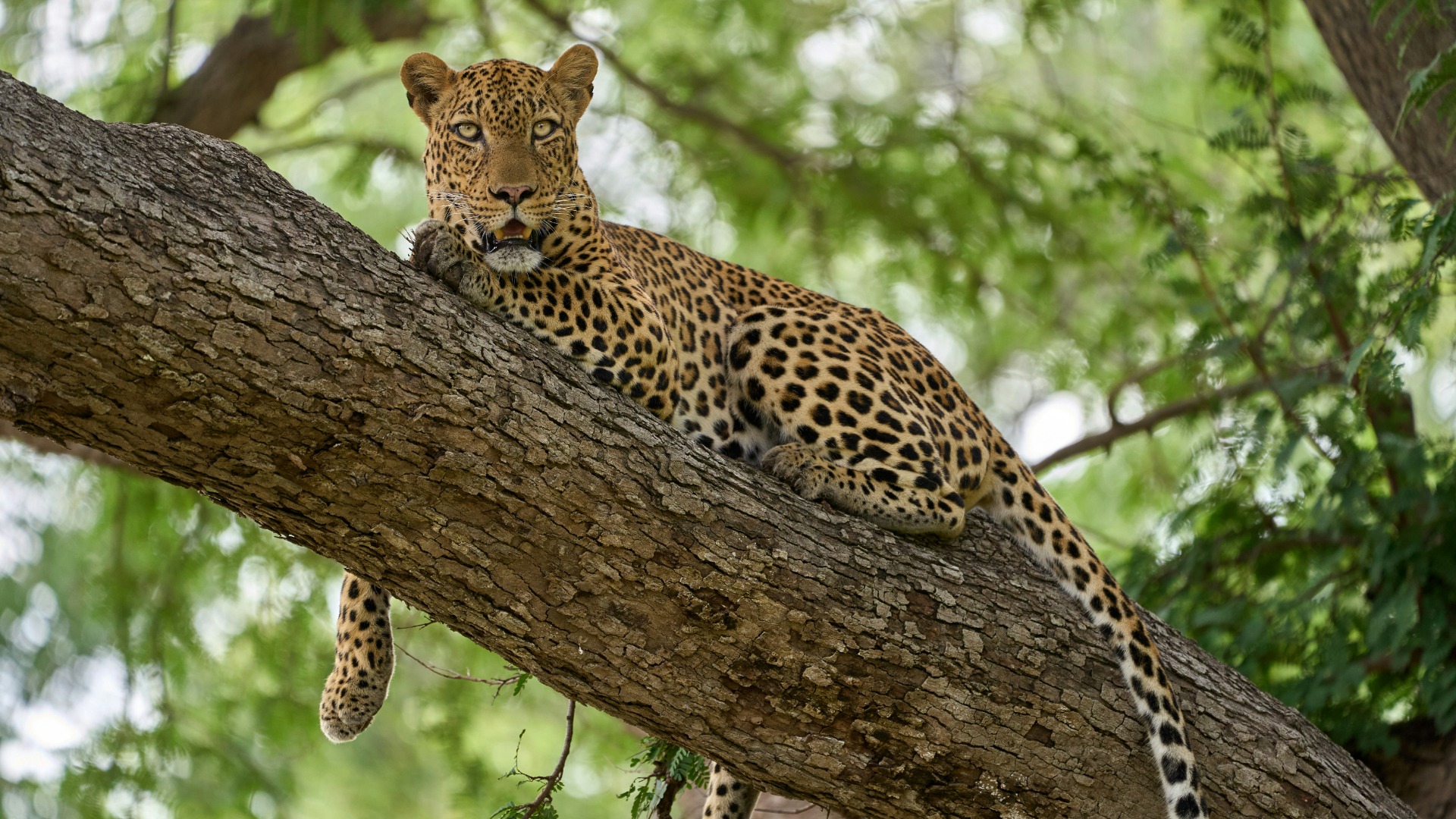
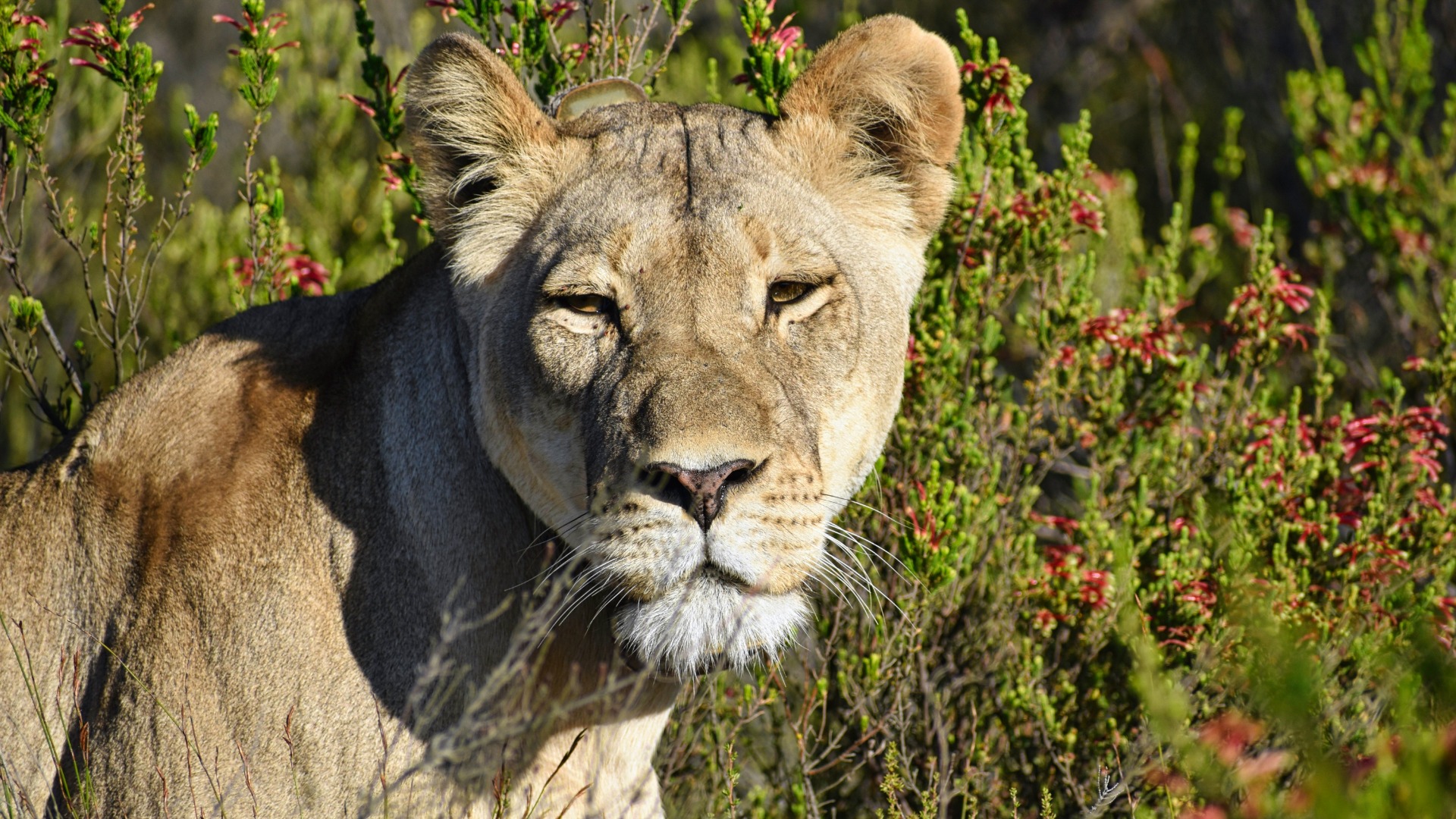
Lion conservation benefits from similar cultural frameworks. Traditional healers and storytellers preserve knowledge about lion behaviour that helps communities avoid dangerous encounters. By understanding the animals' territorial needs and hunting patterns, people reduce livestock losses and retaliatory killings.
When we dance for the elephants, we remember that they danced here long before us. Our role is to ensure the music continues for those who come after.
Generational Knowledge Transfer in Practice
The strength of these systems lies in their adaptability across time. While core beliefs remain constant, specific practices evolve to address contemporary challenges. Climate change, population growth, and economic pressures all require innovative responses grounded in traditional wisdom.
Elders work alongside younger community members to blend ancestral knowledge with new technologies. GPS tracking, camera traps, and mobile reporting systems complement rather than replace traditional tracking methods. This hybrid approach creates more effective monitoring networks than either system could achieve alone.
Women play crucial roles in maintaining these knowledge systems. Through their responsibilities for resource gathering and family education, they ensure that conservation values reach every generation. Their perspectives often highlight connections between healthy ecosystems and community wellbeing that might otherwise be overlooked.
Why Cultural Approaches Often Outperform Western Models
Many conventional conservation strategies imported from outside Africa have struggled with local buy-in and long-term sustainability. When communities feel excluded from decision-making, enforcement becomes difficult and resentment can grow. Cultural approaches succeed by aligning protection efforts with existing values and social structures.
Research from the past two decades shows that areas managed through community-based natural resource management in Botswana have seen wildlife populations increase by an average of 30 percent between 2010 and 2020. Similar patterns emerge in Kenyan conservancies where traditional governance systems remain strong.
The key difference lies in motivation. Where Western models often rely on financial incentives or legal restrictions, cultural frameworks tap into deeper senses of identity, responsibility, and spiritual connection. This intrinsic motivation proves more durable during challenging times.
Measuring Success Beyond Numbers
Effectiveness extends beyond population counts to include reduced poaching incidents, improved habitat quality, and stronger community resilience. In Botswana's community concessions, local employment in conservation roles has grown steadily since the early 2000s, creating economic alternatives to wildlife exploitation.
These successes have attracted international attention. Several organisations now partner with local communities to document and support traditional knowledge systems. The goal is not to romanticise the past but to recognise its practical value for addressing current environmental challenges.
Experiencing Living Culture on Safari
Thoughtful travellers can engage with these traditions in ways that honour their significance. Many Kenya and Botswana lodges work directly with neighbouring communities to create meaningful cultural experiences. These range from guided walks with traditional trackers to evening storytelling sessions around the fire.
At Chobe Game Lodge, visitors learn about local conservation efforts that draw on both heritage and science. Similar opportunities exist throughout the Masai Mara and Okavango Delta, where cultural exchanges enhance rather than interrupt wildlife viewing.
The most rewarding encounters happen when travellers approach these experiences with genuine curiosity and respect. Asking thoughtful questions, listening carefully to responses, and recognising the expertise of local guides creates space for authentic connection.
Practical Ways to Support Cultural Conservation
Travellers can contribute through several conscious choices. Selecting operators that partner with community conservancies ensures that tourism revenue supports local stewardship. Learning basic cultural etiquette before arrival demonstrates respect for traditions that protect the very wildlife visitors hope to see.
Purchasing crafts from community enterprises and participating in educational programmes helps sustain the knowledge systems that make these landscapes special. Even small actions, when multiplied across thousands of visitors, create meaningful impact.

True conservation begins with understanding that we are not visitors to this world but participants in its ongoing story.
The Future of Ritual and Protection
As younger generations navigate modern influences, the challenge lies in keeping cultural connections vibrant and relevant. Innovative programmes now use digital storytelling, school curricula, and youth leadership initiatives to ensure that traditional knowledge continues evolving.
Climate adaptation strategies increasingly draw on historical knowledge about how ecosystems have responded to past environmental shifts. This long-term perspective proves invaluable as rainfall patterns change and temperatures rise across southern and eastern Africa.
International recognition of indigenous knowledge in global conservation frameworks marks an important shift. African voices are now shaping policy discussions at the highest levels, bringing centuries of practical experience to bear on worldwide challenges.
Discovering Deeper Connections Through Responsible Travel
The interplay between African rituals and wildlife protection reveals a sophisticated understanding of ecological relationships developed over countless generations. These living traditions offer not only effective conservation models but also profound insights into what it means to share landscapes with other species.
For those planning a journey that engages both heart and mind, the combination of cultural learning and exceptional wildlife encounters creates memories that last far beyond the safari itself. Kenya and Botswana provide rich opportunities to witness these connections firsthand when travelling with knowledgeable partners.
Encounters Africa specialises in designing exceptional, tailor-made journeys for individuals, couples, families, and private groups of up to eight guests. Drawing on our handpicked network of distinguished camps and lodges, we curate every detail with precision and care, creating a seamless, deeply personal safari experience shaped entirely around your preferences, pace, and budget.
Contact Encounters Africa to begin planning your own discovery of how ancient wisdom continues protecting Africa's magnificent wildlife for future generations.
More like this
Culture
Experiencing Botswana's Kgotla Tradition
Culture
How Centuries of Migration and Trade Forged the Distinct Layers of Tanzanian Culture
Culture
How Climate-Driven Wildlife Declines Are Forcing Ritual Changes Across East Africa
Culture
How Community Rituals in Rwanda Continue to Shape Modern Identity
Culture
How Creole Culture Shapes Everyday Life Across the Seychelles Islands
Culture