Culture
Experiencing Botswana's Kgotla Tradition
Encounters Africa - 9 min read
Updated on 21 July 2026
Botswana culture and practices remain vibrantly alive in the decisions that shape daily life across this vast southern African nation. At the heart of this lies the kgotla, a traditional assembly where community voices converge under the shade of ancient trees to deliberate, resolve disputes, and guide collective futures. This system of participatory governance, rooted in centuries of Tswana heritage, continues to influence everything from village development projects to national policy consultations, offering travellers a profound glimpse into a society that prizes consensus over hierarchy.
The approved excerpt captures this essence perfectly: From the village kgotla where every voice carries equal weight to the ancestral knowledge preserved by the San, Botswana's living customs offer travelers a window into a society that values consensus, storytelling, and deep environmental stewardship. For those planning a journey with Encounters Africa, understanding these traditions enriches every encounter, transforming a safari into something far more meaningful.
The Enduring Role of the Kgotla in Botswana Society
Under the spreading branches of a kgotla tree or within a purpose-built enclosure, Botswana's communities have gathered for generations. The word itself derives from the Setswana term for a public meeting place, yet it represents far more than a physical location. Here, chiefs once held court, and today, elected leaders, elders, and ordinary citizens sit together as equals to discuss matters ranging from water access to wildlife management.
This democratic tradition predates many modern parliamentary systems. Historical records show kgotla assemblies operating effectively as far back as the 18th century among the Tswana tribes. In contemporary Botswana, the practice has been formally integrated into the country's governance structure, with the government regularly convening national kgotla meetings to consult citizens on legislation. Between 2010 and 2020, over 150 such consultations took place across the country on topics including land reform and conservation policies.
The kgotla reminds us that true leadership listens before it speaks, creating space for even the quietest voice to shape tomorrow.
Visitors fortunate enough to witness or participate in a kgotla gain insight into the measured pace of decision-making that characterises Botswana culture. Proceedings begin with prayers, followed by formal greetings that acknowledge ancestors and the living. Only then does discussion commence, often continuing until dusk if the matter demands thorough examination.
How the Kgotla Tradition Influences Modern Community Decisions
Botswana's kgotla tradition shapes modern community decisions in remarkably practical ways. In rural villages surrounding the Okavango Delta, residents use kgotla forums to determine wildlife corridor protections that directly affect both human safety and animal movements. These gatherings have led to community-led initiatives that reduced human-elephant conflict by 40 percent in certain areas between 2015 and 2022 through collective agreement on early warning systems and shared grazing rotations.
The tradition extends to urban settings as well. In Maun and Kasane, municipal authorities host regular kgotla-style meetings to address infrastructure needs. This bottom-up approach has contributed to Botswana maintaining one of Africa's most stable democracies since independence in 1966. The principle of consultation before implementation remains so fundamental that even private safari operators often engage local kgotla structures when developing new tourism projects.
At Duba Plains Camp, guests can arrange visits to nearby community kgotla meetings when culturally appropriate, witnessing first-hand how ancient practices inform contemporary choices about land use and conservation partnerships.
Consensus Building in Action
Unlike majority-vote systems, the kgotla seeks consensus. Facilitators encourage every participant to speak, with particular attention given to women and youth in recent decades. This evolution reflects Botswana's commitment to inclusive development while honouring traditional structures.
Research conducted by the University of Botswana in 2018 found that communities using kgotla processes reported 65 percent higher satisfaction with local governance outcomes compared to those relying solely on representative councils. The process may take longer, but the resulting decisions carry greater legitimacy and compliance.
In the kgotla, time is measured not by the clock but by the depth of understanding achieved among all present.
The San People and Their Contribution to Botswana's Cultural Landscape
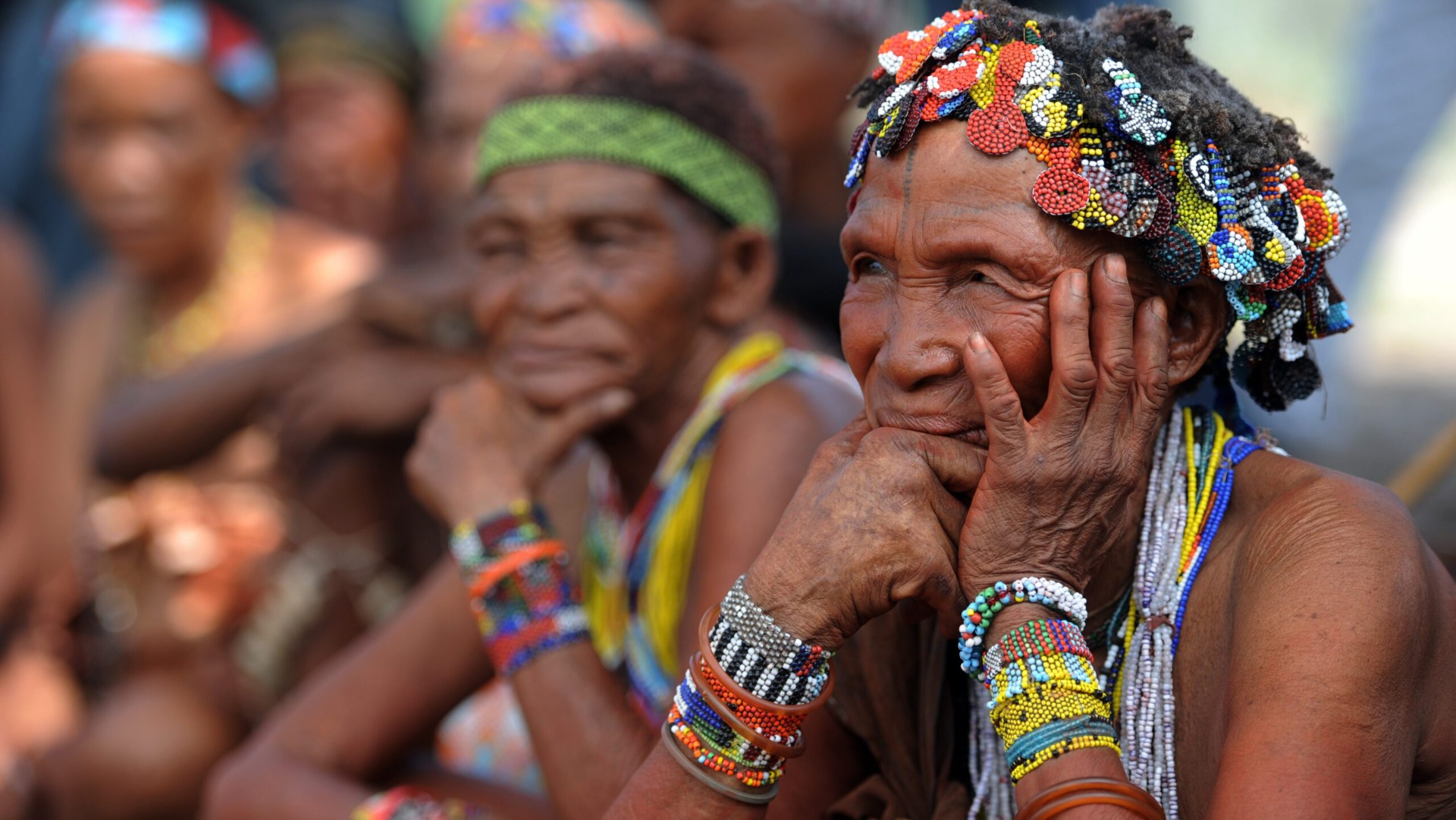
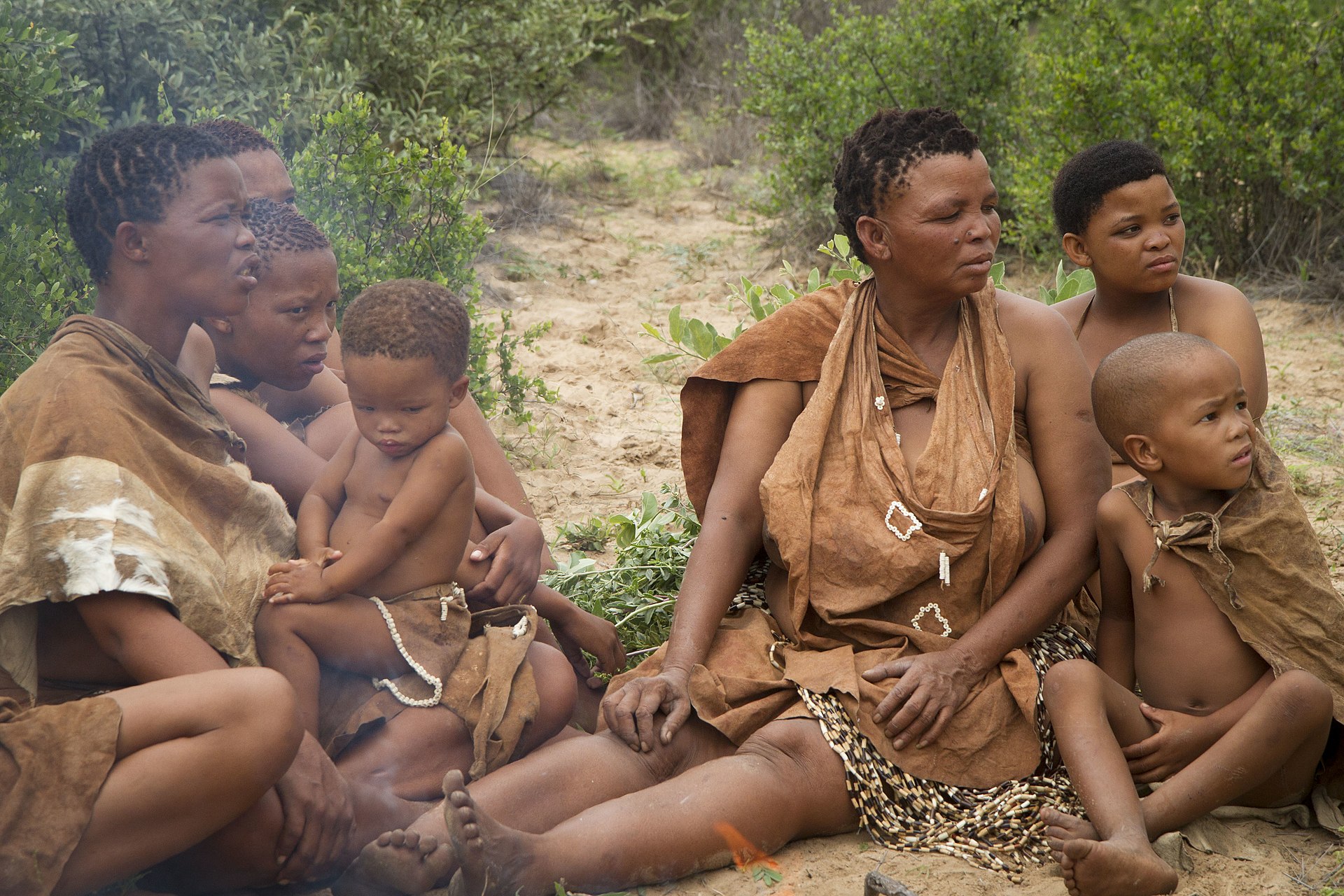
While the kgotla represents the structured heart of Tswana society, the San people bring an equally vital dimension to Botswana culture and practices. Often called the original inhabitants of southern Africa, San communities maintain profound knowledge of the Kalahari ecosystem that has sustained their hunter-gatherer traditions for at least 20,000 years.
Today, approximately 3,000 San people live in Botswana, primarily in the Central Kalahari Game Reserve and surrounding areas. Their tracking abilities, medicinal plant expertise, and spiritual connection to the land complement the agricultural and pastoral traditions of the Tswana majority. Many lodges now work with San communities to create respectful opportunities for cultural exchange.
Travellers staying at Deception Valley Lodge can participate in guided walks with San trackers who demonstrate traditional techniques for reading animal signs and finding water in seemingly arid landscapes. These experiences highlight the sophisticated environmental knowledge systems that predate colonial boundaries by millennia.
Storytelling as Living Knowledge
San storytelling traditions serve as both entertainment and education. Around evening fires, tales of trickster animals and ancestral spirits transmit ecological wisdom and moral principles to younger generations. These oral histories contain detailed observations of wildlife behaviour that scientists increasingly recognise as valuable data.
One particularly striking example involves San knowledge of pangolin behaviour, documented through community storytelling long before formal research confirmed their nocturnal patterns and specialised diet. Such insights demonstrate how Botswana culture and practices function as sophisticated systems for understanding and protecting the natural world.
Respectful Engagement with Botswana's Living Traditions
Approaching Botswana culture requires thoughtful preparation and genuine respect. Photography should always follow local guidance, particularly during ceremonies or within sacred spaces. Many communities welcome visitors but appreciate those who learn basic Setswana greetings and understand the significance of the kgotla before attending.
The best time to experience these traditions spans from May to October, when cooler temperatures make outdoor gatherings more comfortable and wildlife viewing in nearby reserves reaches its peak. During these months, several community-based tourism projects offer structured opportunities to observe or participate in cultural activities without disrupting daily rhythms.
Encounters Africa works closely with selected community partners to ensure all cultural visits benefit local people directly. Our team can arrange sensitive introductions to kgotla meetings and San storytelling sessions as part of a thoughtfully designed private journey.
Botswana's strength lies not in its diamonds or its wildlife alone, but in the wisdom of its people who have sustained balanced relationships with their environment for centuries.
Conservation Through Cultural Lens
Botswana culture and practices have long recognised the intricate connections between human communities and wildlife. Traditional taboos against overhunting certain species during breeding seasons demonstrate sophisticated resource management systems developed without formal scientific training.
Modern conservation efforts in Botswana build upon these foundations. Community conservancies adjacent to Moremi Game Reserve incorporate kgotla decision-making in their governance, ensuring that benefits from tourism and wildlife protection flow equitably to residents. This integration of traditional and contemporary approaches has helped Botswana achieve some of Africa's highest wildlife densities outside protected areas.
The results speak clearly: Botswana hosts approximately 130,000 elephants, representing roughly one-third of Africa's remaining population. Much of this success stems from community buy-in cultivated through kgotla processes that allow residents to voice concerns and shape solutions.
Women and Youth in Traditional Decision-Making
Recent decades have seen significant evolution in who participates in kgotla discussions. Where women once observed silently from the periphery, many now speak with authority on matters affecting family welfare, education, and health. Youth representatives increasingly contribute perspectives on climate change adaptation and digital opportunities.
This gradual transformation strengthens rather than erodes traditional structures. By adapting to contemporary realities while maintaining core principles of respect and consultation, Botswana demonstrates how living cultures can remain relevant across changing times.
What Visitors Should Know Before Experiencing Botswana Culture
Many travellers wonder how to engage meaningfully with Botswana's traditions without causing offence or disruption. The answer lies in approaching each encounter with humility and patience. Never rush proceedings or assume western concepts of efficiency apply. Listen more than you speak, and allow space for translation and reflection.
Dress modestly when visiting villages or attending kgotla meetings. Remove hats and sunglasses when seated in formal gatherings. Small gifts of tea, sugar, or school supplies are often appreciated, but avoid anything that might create dependency or inequality within the community.
Learning a few phrases goes far. "Dumela" serves as both hello and goodbye, while "Ke a leboga" expresses thanks. Such efforts signal respect that opens doors to more authentic interactions.
Common Questions About Participating in Kgotla Traditions
What should I expect if invited to a kgotla meeting? Expect a formal yet warm atmosphere where proceedings follow established protocols. You will likely be welcomed with a song or prayer, then invited to introduce yourself. Listen attentively even when discussion shifts to Setswana, as body language and tone convey much of the meaning.
Can I take photographs during cultural experiences? Always ask permission first. Many communities permit photography during public portions of events but request that certain sacred elements remain undocumented. Respecting these boundaries demonstrates cultural sensitivity that enhances rather than diminishes the experience.
How do San communities benefit from tourism? When arranged through responsible operators, cultural visits create direct income streams and employment opportunities. Revenue from these experiences helps fund education, healthcare, and land rights advocacy for San communities facing ongoing challenges.
![Botswana Culture, Traditions [Botswana Cultural Safaris]](https://kabirasafaris.com/wp-content/uploads/2022/07/botswana-culture-and-traditions-1024x682.jpg)
Discovering Botswana's Living Heritage
The kgotla tradition and San knowledge systems represent far more than historical curiosities. They form the living foundation upon which modern Botswana has built remarkable social cohesion and environmental stewardship. For travellers seeking depth beyond wildlife sightings, these cultural encounters provide context that transforms understanding of both the land and its people.
Through patient observation and respectful participation, visitors discover how consensus-building creates resilient communities capable of navigating contemporary challenges while honouring ancestral wisdom. The same principles that guide village discussions about borehole maintenance also inform national conversations about climate resilience and sustainable development.
At Encounters Africa, we believe that meaningful travel celebrates these connections. For discerning travellers seeking a private safari beyond our set itineraries, we invite you to contact us directly. We specialise in designing exceptional, tailor-made journeys for individuals, couples, families, and private groups of up to eight guests. Drawing on our handpicked network of distinguished camps and lodges, we curate every detail with precision and care, creating a seamless, deeply personal safari experience shaped entirely around your preferences, pace, and budget.
Begin your exploration of Botswana's rich cultural tapestry by reaching out through our enquiry form. Whether your interests lie in witnessing a kgotla in session, walking with San trackers across the Kalahari, or simply learning more about how traditional practices inform conservation success, our team stands ready to craft an experience that resonates long after your return home.
More like this
Culture
How Centuries of Migration and Trade Forged the Distinct Layers of Tanzanian Culture
Culture
How Climate-Driven Wildlife Declines Are Forcing Ritual Changes Across East Africa
Culture
How Community Rituals in Rwanda Continue to Shape Modern Identity
Culture
How Creole Culture Shapes Everyday Life Across the Seychelles Islands
Culture
How Cultural Moments in Uganda Deepen Every Safari Experience
Culture