Culture
How Centuries of Migration and Trade Forged the Distinct Layers of Tanzanian Culture
Encounters Africa - 10 min read
Updated on 17 June 2026
The rich tapestry of culture in Tanzania reflects centuries of movement across land and sea. From the ancient arrival of Bantu-speaking farmers to the arrival of Arab traders along the Swahili Coast and later European colonisers, successive waves have layered distinct influences onto indigenous foundations. Today, Tanzanian culture continues to evolve while preserving deep-rooted traditions that shape how communities celebrate, remember, and connect with one another.
A factual summary for those seeking clarity: Tanzanian culture is a dynamic fusion of over 120 ethnic groups, shaped by Bantu migrations beginning around 1000 BCE, Indian Ocean trade from the 8th century, and colonial periods under German and British rule until independence in 1961. This blend is evident in everything from the national language of Swahili to vibrant coastal taarab music and inland pastoral ceremonies.
For discerning travellers seeking to move beyond surface observations, understanding these layers opens doors to more meaningful exchanges. Encounters Africa has spent years curating journeys that honour local customs while creating space for genuine connection.
The Foundations: Bantu Migrations and Early Settlements
Long before the first dhows appeared on the horizon, Bantu-speaking peoples began moving south from the Cameroon-Nigeria borderlands around 1000 BCE. By the early centuries CE they had reached what is now Tanzania, bringing iron-working skills, agricultural knowledge, and complex social structures. These early farmers cleared patches of woodland, planted sorghum and millet, and established the linguistic roots from which most modern Tanzanian languages descend.
Archaeological evidence from sites near Tanzania's lakes and highlands reveals sophisticated pottery styles and iron-smelting furnaces that date back more than 1,500 years. These discoveries remind us that the story of Tanzanian culture is not one of passive reception but of active innovation and adaptation to diverse environments ranging from coastal plains to misty mountain slopes.
The movement of people across this vast landscape created the first threads in the intricate fabric we recognise today as Tanzanian culture, each community adding its own distinctive pattern.
Language as Living Heritage
Swahili, now spoken by more than 100 million people across East Africa, emerged from the interaction between Bantu languages and Arabic along the coast. What began as a trading lingua franca evolved into a literary language capable of expressing everything from epic poetry to political philosophy. Its status as Tanzania's national language since independence has helped bridge ethnic divides while preserving local mother tongues.
Visitors often notice how Swahili words have found their way into everyday English, from "safari" meaning journey to "hakuna matata" conveying peaceful acceptance. Learning even a handful of phrases demonstrates respect and frequently unlocks warmer interactions with local guides, market traders, and village elders.
Coastal Cosmopolitanism: The Swahili City-States
From the 8th century onwards, the East African coast became a vibrant corridor of Indian Ocean trade. Gold, ivory, and slaves moved north while cloth, porcelain, and spices travelled south. This commerce gave rise to sophisticated Swahili city-states from Kilwa to Zanzibar, where coral-stone houses, mosques, and palaces reflected a unique synthesis of African, Arab, Persian, and later Indian influences.
The annual arrival of the monsoon winds dictated the rhythm of life. During the kaskazi (northeast monsoon) from November to March, dhows arrived laden with goods from Arabia and India. The return journey on the kusi (southwest monsoon) carried African products to distant markets. This seasonal pulse still echoes in coastal festivals and the distinctive taarab music that blends Arabic melodies with African rhythms and Indian percussion.
Stone Town on Zanzibar remains the most tangible expression of this layered heritage, its narrow alleys preserving centuries of architectural and cultural fusion. Walking these streets at dusk, with the call to prayer drifting from mosques and the scent of cloves and cardamom hanging in the air, offers one of East Africa's most evocative sensory experiences.
In the rhythmic poetry of taarab and the carved wooden doors of Stone Town, one hears and sees the living evidence of how trade created not just wealth but an entirely new cultural identity along Africa's Indian Ocean edge.
Inland Diversity: Pastoralists, Farmers and Forest Dwellers
While the coast looked outward to the ocean, Tanzania's interior developed rich and varied ways of life shaped by the land itself. In the northern highlands, the Chagga people developed intensive agriculture on the fertile slopes of Mount Kilimanjaro, creating intricate irrigation systems that still function today. Further south, the Hehe and Nyamwezi built powerful kingdoms that resisted both Arab traders and European colonisers.
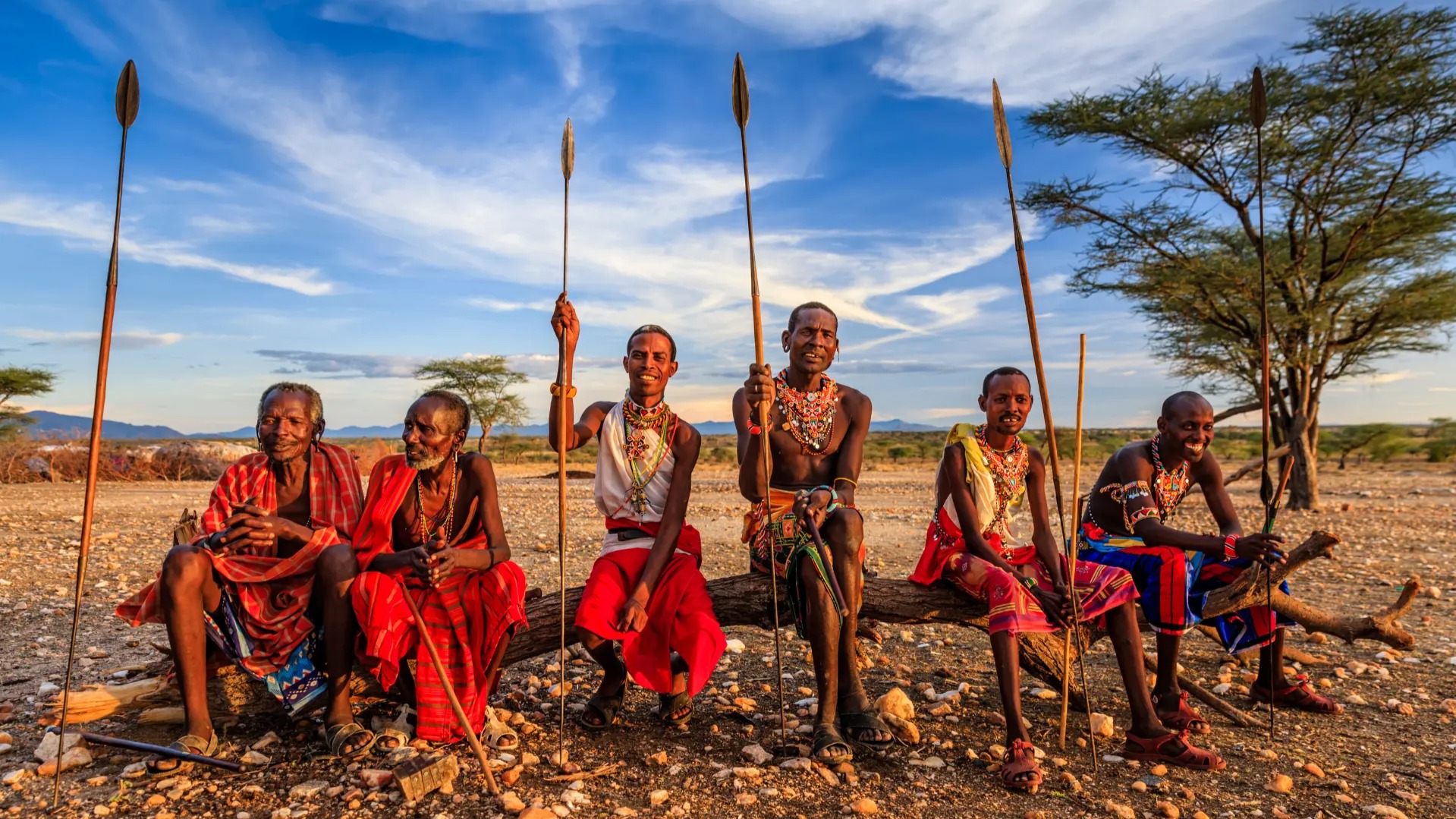
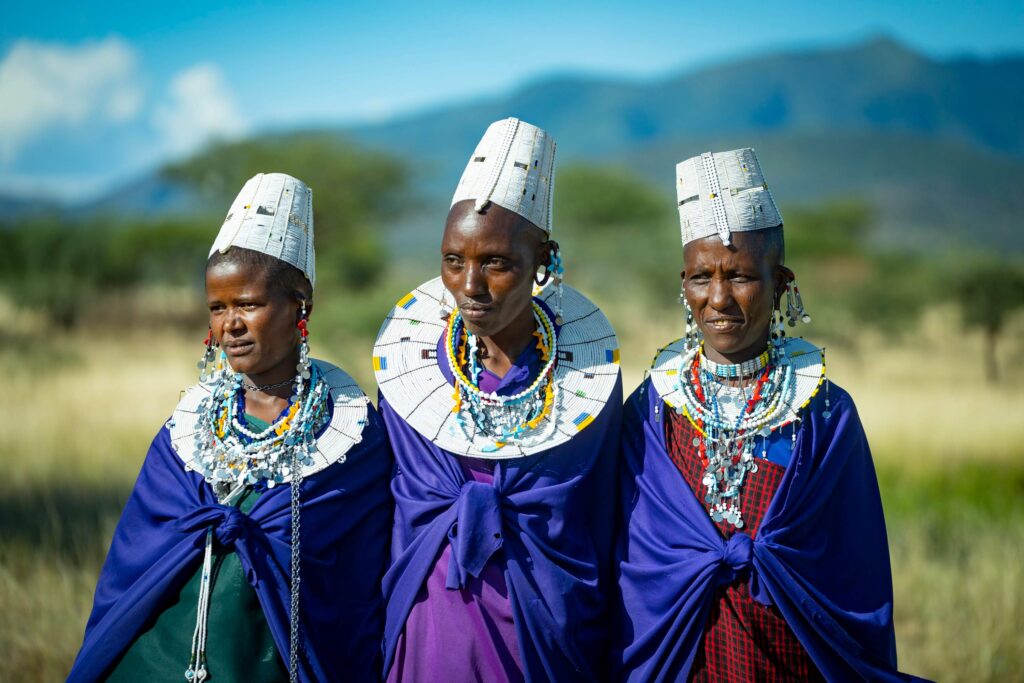
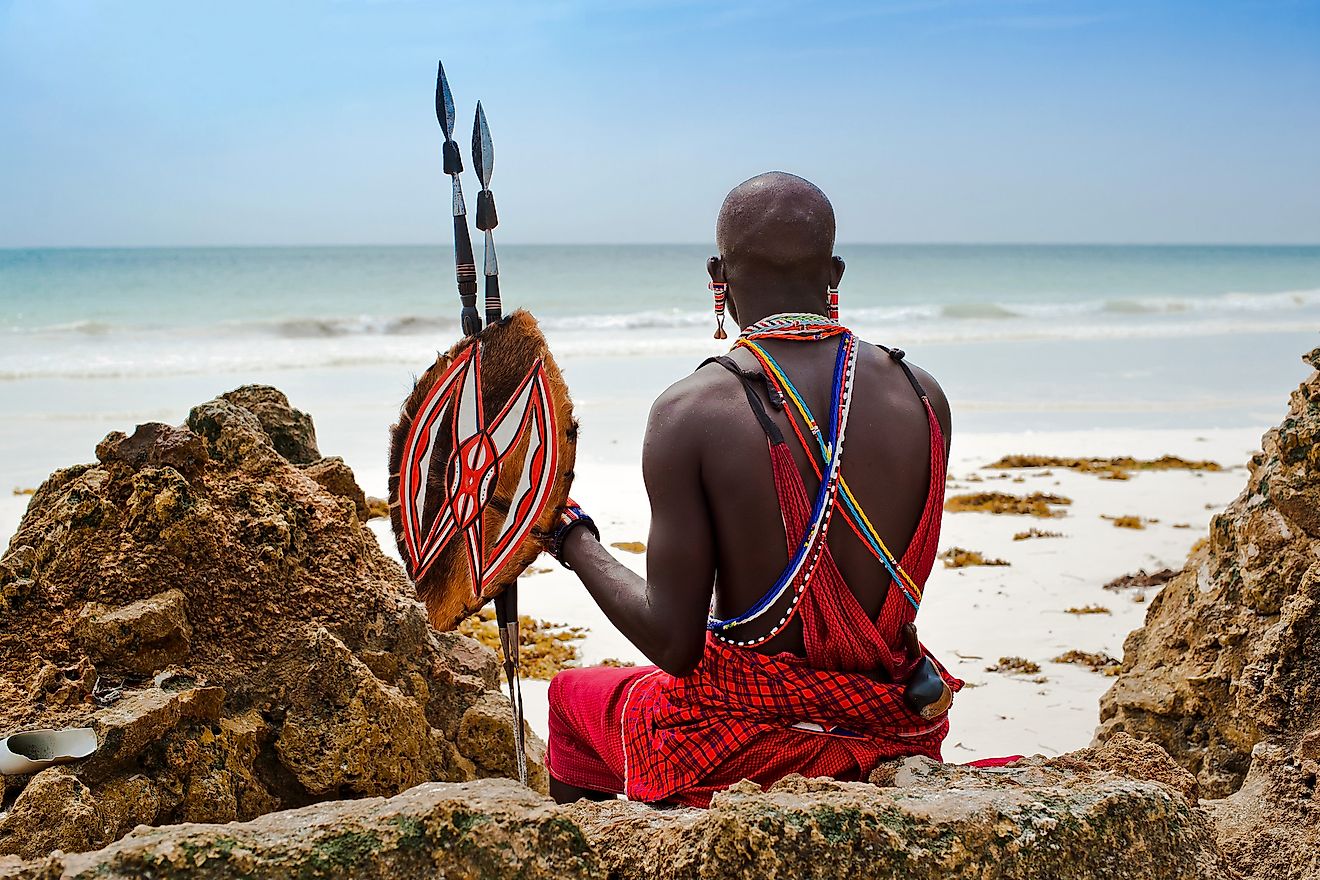
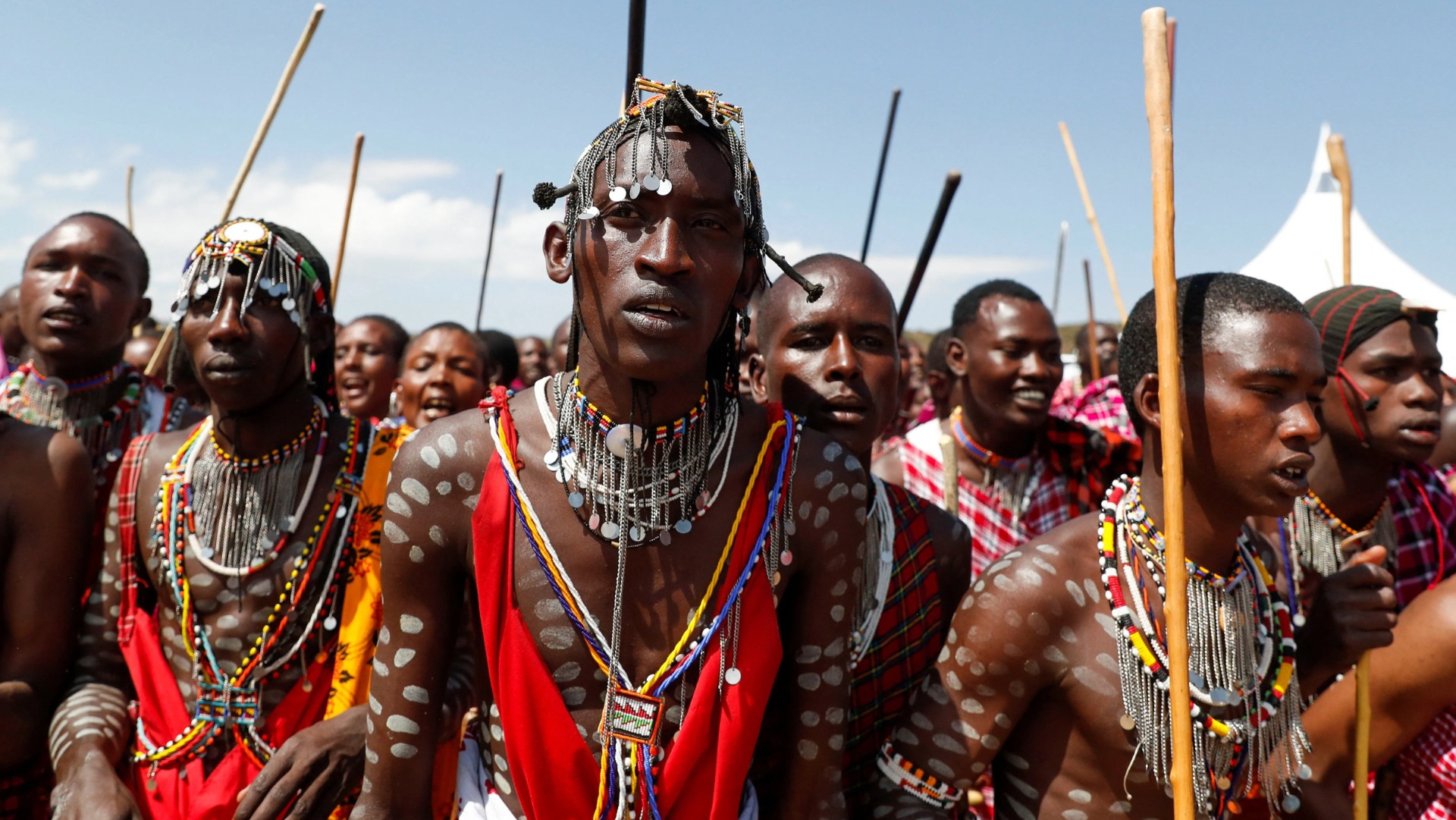
The pastoral Maasai and Datoga communities maintained mobile lifestyles that followed seasonal grazing patterns across the savannah. Their distinctive beadwork, ceremonies, and relationship with cattle represent some of the most visually striking expressions of Tanzanian culture. Meanwhile, the Hadza and Sandawe in the central regions continue hunter-gatherer traditions that may date back tens of thousands of years, offering a direct link to humanity's deepest African roots.
Rituals That Mark the Seasons
Across Tanzania's diverse communities, ceremonies tied to agricultural cycles and life transitions remain central to cultural identity. The Sukuma people's snake dances, the Zaramo's elaborate initiation rites, and the Nyakyusa's coming-of-age festivals each serve to transmit values, knowledge, and social responsibilities to younger generations.
These events are rarely staged for visitors. When travellers are occasionally invited to witness them through carefully arranged community visits, the experience carries profound meaning precisely because it is not manufactured. Respectful observation, rather than participation unless specifically invited, honours the sacred nature of these moments.
The Impact of Colonialism and the Independence Era
German colonisation from the 1880s, followed by British administration after the First World War, introduced new languages, religions, administrative systems, and educational models. While these changes disrupted many traditional structures, they also created unexpected cultural syntheses. The famous Maji Maji Rebellion of 1905-1907, which united disparate ethnic groups against colonial rule, remains a powerful symbol of collective identity.
Following independence in 1961 under Julius Nyerere, Tanzania pursued a distinctive path of African socialism known as Ujamaa. This philosophy emphasised familyhood and self-reliance while deliberately promoting national unity over ethnic division. The policy of moving populations into collective villages had mixed results, but Nyerere's promotion of Swahili as a unifying language proved remarkably successful.
Today, Tanzania stands out among African nations for its remarkable social cohesion despite extraordinary ethnic diversity. This harmony represents one of the country's greatest cultural achievements and stems directly from conscious choices made in the early independence years.
Contemporary Expressions: Music, Art and Festival Life
Modern Tanzanian culture pulses with creative energy. From the hip-hop scenes of Dar es Salaam to the traditional ngoma drumming that accompanies celebrations throughout the country, music remains a vital means of expression and social commentary. Bongo Flava, Tanzania's distinctive take on hip-hop and R&B, tackles everything from urban life to political issues with characteristic wit and linguistic play.
Visual artists draw on both traditional motifs and contemporary concerns. The Tingatinga painting style, which originated in Dar es Salaam in the 1960s, has become one of Tanzania's most recognisable artistic exports. Meanwhile, woodcarvers in the Makonde tradition continue to produce powerful sculptures that speak to both ancestral beliefs and modern realities.
From the pulsating rhythms of coastal taarab to the electrifying beats of Dar es Salaam's underground music scene, Tanzania's artists continue the centuries-old tradition of using culture as both mirror and map.
How Centuries of Migration and Trade Forged the Distinct Layers of Tanzanian Culture
The question travellers most frequently ask is how to engage respectfully with this complex cultural landscape. The answer lies in approaching each encounter with genuine curiosity rather than preconceived notions. Understanding that Tanzanian culture is not a single entity but a conversation between many voices helps visitors avoid the trap of seeking "authentic" experiences that fit neat tourist expectations.
Practical approaches include learning basic Swahili greetings before arrival, dressing modestly when visiting villages or religious sites, asking permission before taking photographs, and showing particular respect to elders. Supporting community-led cultural initiatives rather than purely commercial ventures ensures that economic benefits flow back to those who maintain these living traditions.
Many of our favourite journeys include time with Chem Chem Lodge partners who facilitate sensitive visits to nearby communities, or experiences arranged through trusted connections in the Ngorongoro highlands. These are never presented as entertainment but as opportunities for exchange that benefit both visitor and host.
What to Expect When Visiting Cultural Sites
Visitors to Zanzibar's Stone Town should expect to be approached by enthusiastic guides offering their services. Choosing someone recommended by your hotel often leads to more informative and less pressured experiences. In mainland villages, patience and flexibility prove essential as events rarely run to strict schedules.
Remember that photography of people requires explicit permission in most contexts. A warm smile and genuine interest in someone's story will almost always be met with reciprocity. Small gifts of tea, sugar, or school supplies for community projects are appreciated when offered thoughtfully rather than as payment.
Preserving Heritage in a Changing World
Like many African nations, Tanzania faces the challenge of balancing cultural preservation with economic development and the pressures of globalisation. Young people migrate to cities in search of opportunities, sometimes leaving traditional knowledge systems vulnerable. Yet new initiatives are emerging that connect heritage with sustainable livelihoods.
Community museums, cultural tourism cooperatives, and innovative education programmes are helping ensure that the next generation sees value in maintaining their distinctive identities. The success of these efforts matters not only for Tanzania but for the broader story of cultural diversity in our increasingly connected world.
Travellers who engage thoughtfully become part of this preservation story. By demonstrating that traditional knowledge and practices hold value for international visitors, they strengthen the case for their continuation. This represents one of the most positive impacts conscious travel can have.
Planning Your Cultural Journey Through Tanzania
A well-designed itinerary might combine time on the coast exploring Swahili heritage with visits to highland communities and perhaps a few days in the wildlife-rich areas where pastoral cultures have coexisted with magnificent landscapes for generations. The key is allowing sufficient time for unhurried conversations and unexpected invitations rather than attempting to tick off multiple experiences in rapid succession.
Encounters Africa specialises in creating these carefully balanced journeys. For those looking for a private safari beyond our set itineraries, we would be delighted to hear from you directly. We specialise in creating beautifully tailored journeys for solo travellers, couples, families, and private groups of up to eight guests. Through our trusted network of carefully selected camps and lodges, we craft each safari around your individual interests, preferred pace, and budget, ensuring a seamless and deeply personal experience from beginning to end.
Whether your particular passion lies in music, textile traditions, oral histories, or simply witnessing how different communities navigate the balance between heritage and modernity, we can design an experience that resonates with your specific curiosities. The most rewarding cultural journeys are those built on mutual respect, genuine curiosity, and the understanding that we are all, in our own ways, products of migration and exchange.
Begin your exploration by contacting our team to discuss how we might weave the living threads of Tanzanian culture into your next African journey. The stories, rhythms, and wisdom of this remarkable nation await those who approach with open hearts and respectful minds.
More like this
Culture
How Climate-Driven Wildlife Declines Are Forcing Ritual Changes Across East Africa
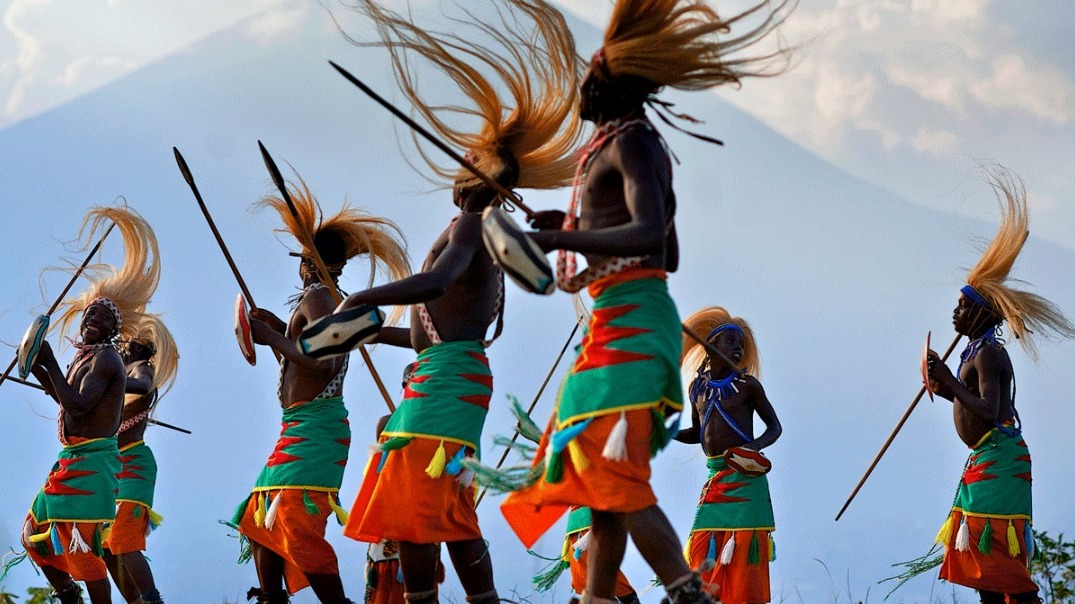
Culture
How Community Rituals in Rwanda Continue to Shape Modern Identity
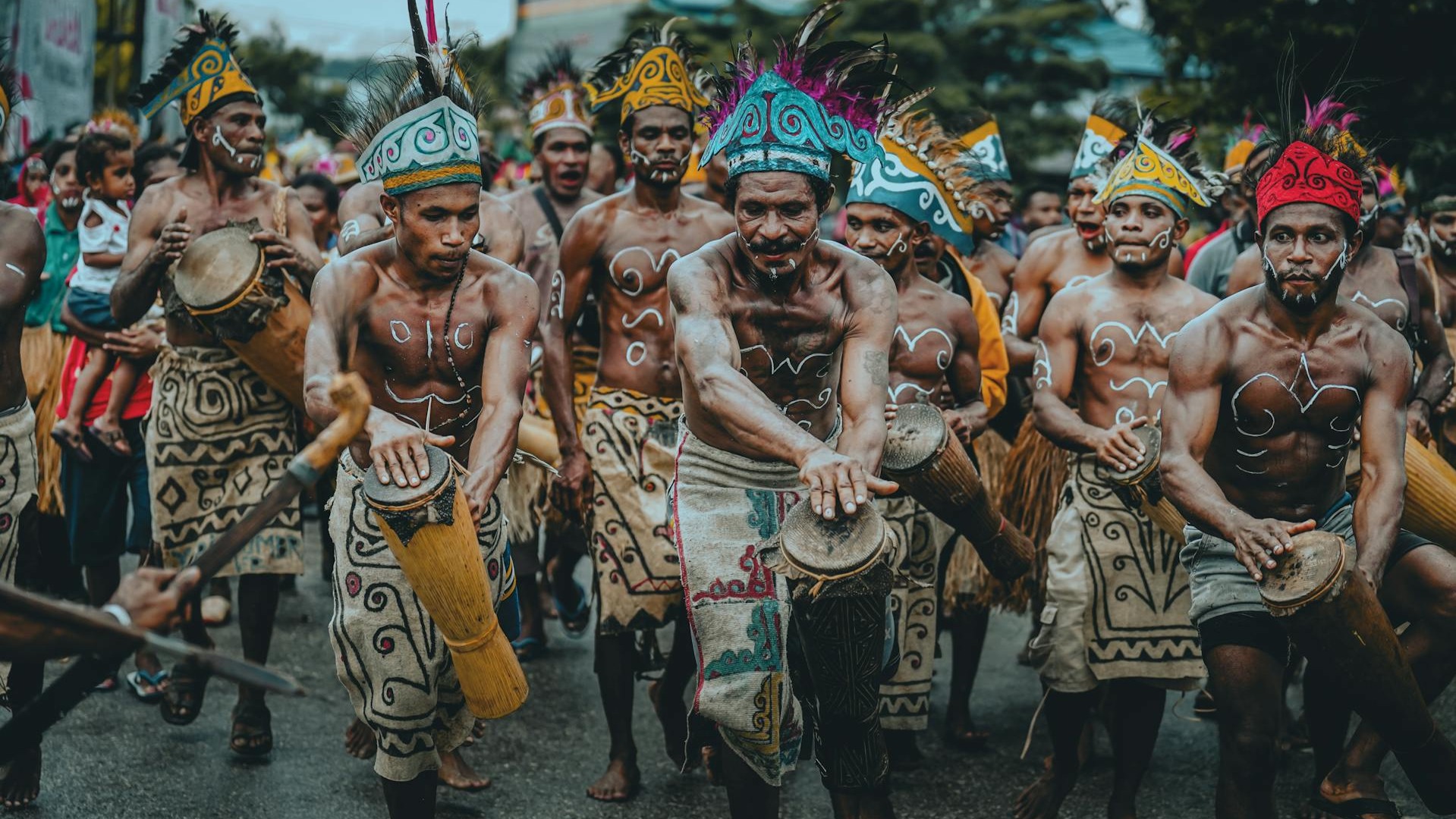
Culture
How Creole Culture Shapes Everyday Life Across the Seychelles Islands
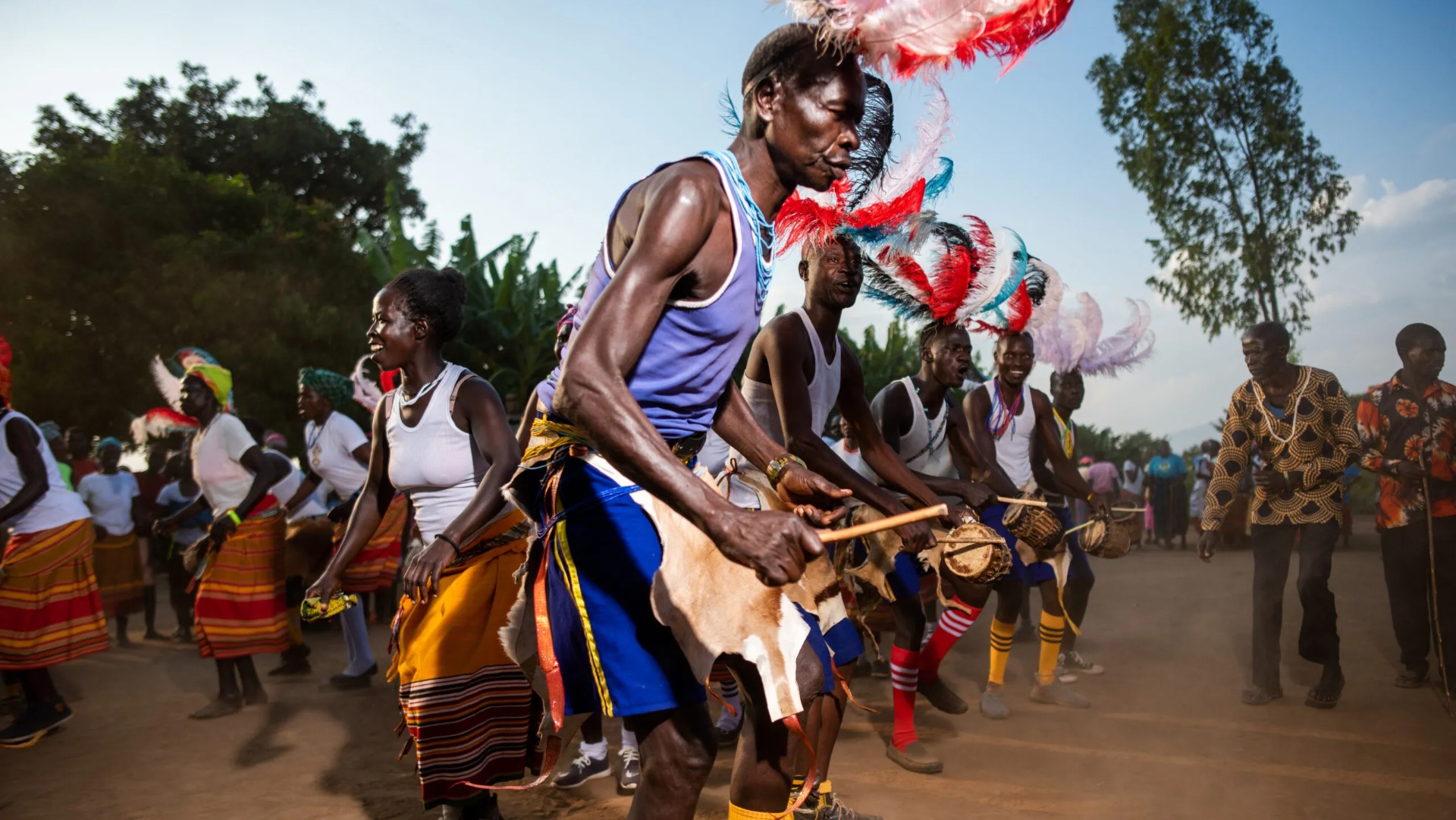
Culture
How Cultural Moments in Uganda Deepen Every Safari Experience
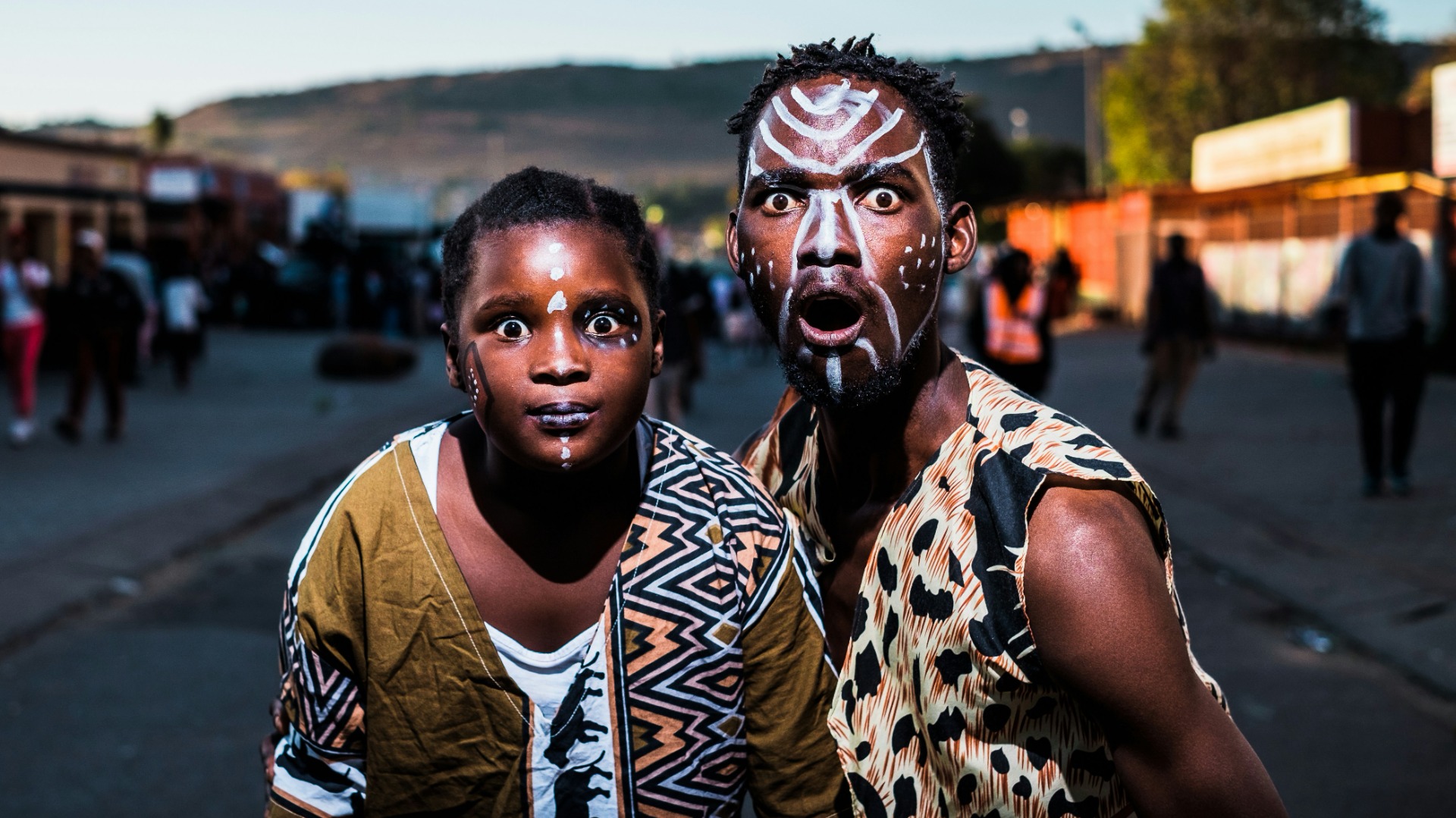
Culture
How Cultural Tribes in South Africa Shape Everyday Life and Landscapes
Culture