Culture
How Climate-Driven Wildlife Declines Are Forcing Ritual Changes Across East Africa
Encounters Africa - 9 min read
Updated on 12 August 2026
Climate-driven wildlife declines are reshaping longstanding cultural practices across East Africa, where communities have intertwined their rituals with the movements of elephants, lions and migratory herds for generations. In Kenya and Tanzania, erratic rainfall patterns and prolonged droughts have altered animal behaviour so profoundly that Maasai elders now adjust coming-of-age ceremonies and harvest festivals in response to real-time ecological signals. This article examines those adaptations with specific examples from 2020 to 2024, while offering travellers practical ways to engage respectfully with both living traditions and the conservation efforts that sustain them.
Between 2016 and 2023, average annual rainfall in southern Kenya decreased by 18 percent according to data collected by the Kenya Meteorological Department, triggering measurable shifts in elephant migration routes and lion pride territories. These changes have compelled communities to revise ceremonies that once depended on predictable encounters with specific animals at sacred sites. The result is a dynamic evolution of cultural expression that demonstrates remarkable resilience while underscoring the urgent need for integrated conservation strategies.

The land and its creatures have always dictated the rhythm of our ceremonies; when the elephants no longer arrive at the river crossing during the month of the long rains, we must listen and change our timing accordingly.
The Traditional Bond Between Wildlife and Ritual in Maasai Communities
For centuries, Maasai life has revolved around an intricate calendar of ceremonies that reference particular wildlife encounters. The Eunoto ceremony, which marks the transition of young warriors to elders, traditionally incorporates lion-related symbolism because young men once proved their courage by protecting livestock from predators. Harvest festivals in neighbouring agricultural communities similarly timed their gratitude rites to coincide with the arrival of elephant herds that naturally fertilised soils through their migratory paths.
These practices were never static. Elders maintained oral records of animal movements stretching back over 200 years, using them to forecast seasonal changes and determine auspicious dates for important gatherings. The knowledge was passed through generations during storytelling sessions held beneath ancient fig trees, creating a living archive that connected human destiny with the rhythms of the natural world.
Yet the accelerating pace of climate disruption has strained this system. Where once a warrior might track a specific lion pride for weeks before a ceremony, today those same animals may have relocated 40 kilometres further north in search of permanent water sources. The cultural implications extend beyond mere inconvenience into questions of identity, spiritual continuity and communal cohesion.
Documented Changes in Lion-Related Coming-of-Age Ceremonies
In the Loita Hills of southern Kenya, elders of the Ilkisonko section decided in 2021 to replace the symbolic lion hunt element of the Eunoto with a community-led conservation project. Instead of pursuing an actual lion, initiates now spend three weeks assisting researchers from the Lion Guardians programme to monitor collared animals and repair wildlife corridors. This substitution maintains the test of courage and endurance while aligning the ritual with contemporary realities.
Similar adjustments have occurred in northern Tanzania, where some bomas near the Ngorongoro Conservation Area have shortened the isolation period for young warriors from eight weeks to four. The decision followed three consecutive years in which local lion prides failed to return to traditional hunting grounds during the expected dry season window. Elders consulted with wildlife biologists before making the change, demonstrating a pragmatic fusion of ancestral wisdom and scientific data.
How Changing Elephant Movements Affect Harvest Festivals
Elephants have long played a central role in agricultural rituals across the border regions between Kenya and Tanzania. Their seasonal passage through farmlands was interpreted as a blessing that enriched the soil, and festivals were carefully scheduled to follow their departure. The Kenya safari routes many travellers follow today often pass through these same landscapes, offering glimpses of the environmental pressures now reshaping local calendars.
Between 2019 and 2024, satellite tracking by Save the Elephants revealed that several family groups traditionally migrating through the Amboseli ecosystem delayed their southward journey by an average of 23 days each year. This shift has forced farming communities to postpone their post-harvest thanksgiving ceremonies, sometimes clashing with school terms or other social obligations.
When the elephants arrive late, our ancestors taught us that the land itself is speaking. Today that voice tells us the rains are failing, and we must adapt our festivals or risk losing their deeper meaning.
Practical Adaptations in Agricultural Communities
In the Kitenden area near Amboseli National Park, women’s groups have begun incorporating climate education into their traditional songs during harvest gatherings. The revised lyrics acknowledge changing patterns while reinforcing messages about water conservation and habitat protection. This evolution preserves the musical and communal aspects of the festival while addressing current challenges.
Some villages have also started planting drought-resistant indigenous crops that mature earlier, allowing ceremonies to occur before the most severe dry periods. These agricultural adjustments support both food security and cultural continuity, creating a more resilient framework for future generations.
Conservation Challenges Amplifying Cultural Shifts
The underlying drivers of these cultural adaptations are complex. Habitat fragmentation, human-wildlife conflict and temperature increases all contribute to altered animal behaviour. In the greater Amboseli ecosystem, elephant populations have declined by approximately 12 percent since 2015, largely due to prolonged droughts that reduced available forage.
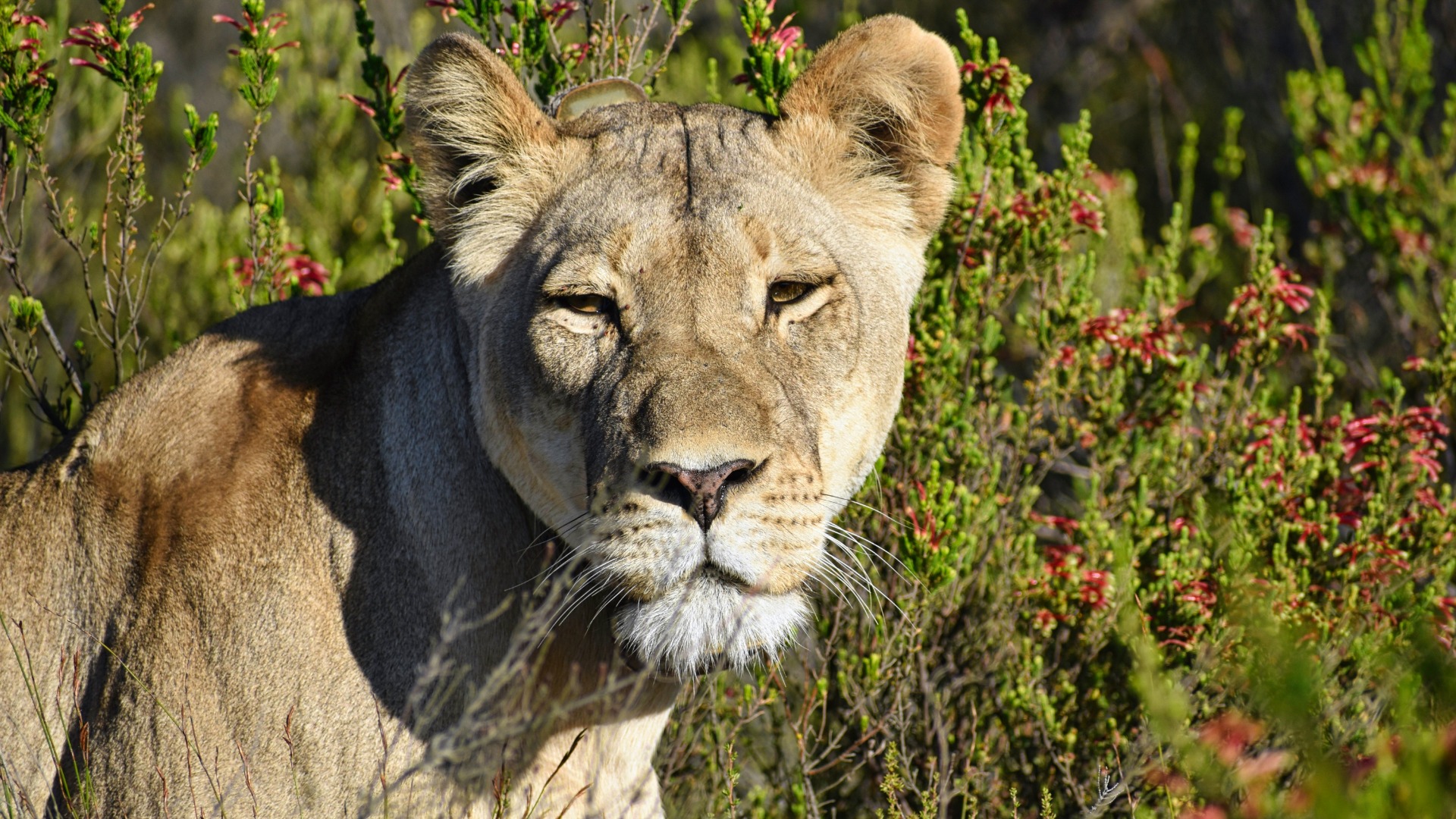
Lion numbers in the same region have fallen more dramatically, with some prides losing up to 40 percent of their members between 2018 and 2022. These declines directly impact the symbolic availability of animals for ceremonies, forcing communities to find new ways to express ancient values of courage, stewardship and connection to the land.
Conservation organisations working in the region increasingly recognise that supporting cultural adaptation is as important as protecting the animals themselves. When rituals lose their ecological foundation, communities may become disconnected from conservation messages, leading to increased tension between people and wildlife.
The Role of Community Conservancies in Bridging Old and New
Community conservancies have emerged as important spaces for negotiating these changes. In the Ol Pejeta Conservancy, joint programmes between Maasai elders and wildlife managers have created new initiation pathways that combine traditional teachings with practical conservation skills. Participants learn both the cultural significance of lions and the scientific methods used to protect them.
These initiatives demonstrate that cultural evolution need not mean cultural loss. By involving elders in programme design, conservancies ensure that adaptations remain rooted in community values rather than being imposed from outside.
Respectful Travel Approaches That Support Cultural Continuity
Travellers can play a meaningful role in supporting communities navigating these transitions. Choosing operators who work directly with local conservancies ensures that revenue reaches the people whose cultural practices are most affected by wildlife changes. This approach creates economic incentives for conservation while demonstrating respect for evolving traditions.
When visiting areas where ceremonies are taking place, sensitivity to timing and permission protocols is essential. Many communities now offer educational experiences that explain how climate change is affecting their rituals, providing visitors with deeper insight than passive game viewing alone could offer. These encounters, when handled thoughtfully, foster genuine cross-cultural understanding.
True respect begins with understanding that these ceremonies are living practices, not museum displays. The most valuable contribution a visitor can make is to listen, learn, and support the communities who continue to adapt while holding their heritage intact.
Practical Guidelines for Culturally Sensitive Wildlife Travel
Before booking a safari, research the specific conservancy or community area you plan to visit. Ask whether tourism revenue directly supports local cultural programmes or conservation initiatives. Reputable operators will be transparent about these connections.
When observing wildlife, maintain the distances recommended by your guides and avoid any behaviour that might disrupt natural patterns. Remember that the animals you photograph are part of a complex web of relationships that includes the cultural life of nearby communities.
Consider supporting initiatives that document and preserve oral histories related to wildlife traditions. Several projects in Kenya and Tanzania are recording elders’ knowledge before it is lost, creating valuable archives for future generations.
What These Changes Mean for the Future of East African Heritage
The adaptations currently underway represent more than crisis response. They demonstrate the extraordinary capacity of East African communities to reinterpret their relationship with the natural world in light of new realities. This flexibility has allowed cultural practices to survive centuries of social and environmental upheaval, and may prove crucial as climate pressures intensify.
Yet there are limits to adaptation. If wildlife populations continue to decline, some symbolic elements of ceremonies may become impossible to maintain in any form. The loss would extend beyond cultural heritage to the very biodiversity that makes these landscapes so extraordinary.
International travellers have both the privilege and responsibility to engage with these issues thoughtfully. By choosing experiences that support integrated conservation and cultural preservation, visitors can help ensure that the profound connections between people, wildlife and landscape endure.

Supporting Communities Through Thoughtful Journeys
The evolving relationship between climate, wildlife and culture in East Africa offers travellers a unique window into the resilience and creativity of local communities. Rather than viewing these changes as purely negative, we can recognise them as living examples of how human societies continually renegotiate their place within dynamic ecosystems.
Encounters Africa works closely with community partners across Kenya and Tanzania to create journeys that honour both cultural traditions and conservation priorities. Our experienced team understands the delicate balance required to support communities experiencing rapid environmental change while providing meaningful experiences for our guests.
For discerning travellers seeking a private safari beyond our set itineraries, we invite you to contact us directly. We specialise in designing exceptional, tailor-made journeys for individuals, couples, families, and private groups of up to eight guests. Drawing on our handpicked network of distinguished camps and lodges, we curate every detail with precision and care, creating a seamless, deeply personal safari experience shaped entirely around your preferences, pace, and budget.
Whether you wish to learn directly from Maasai elders about their evolving ceremonies, contribute to wildlife monitoring programmes, or simply experience these remarkable landscapes with sensitivity and awareness, we can craft an itinerary that meets your aspirations while supporting the communities and ecosystems that make such journeys possible.
Begin your journey by visiting our enquiry form to start a conversation about what matters most to you. Together we can create an experience that respects the past, engages with the present, and helps safeguard the future of East Africa’s extraordinary cultural and natural heritage.
More like this
Culture
How Community Rituals in Rwanda Continue to Shape Modern Identity
Culture
How Creole Culture Shapes Everyday Life Across the Seychelles Islands
Culture
How Cultural Moments in Uganda Deepen Every Safari Experience
Culture
How Cultural Tribes in South Africa Shape Everyday Life and Landscapes
Culture
This Is How Kenya’s Living Traditions Shape Memorable Journeys
Culture