wildlife
How the Zambezi's Seasonal Floods Shape Wildlife Behavior Near Victoria Falls
Encounters Africa - 8 min read
Updated on 24 August 2026
The thunderous Zambezi shapes an ever-changing world for the animals that call its banks and surrounding landscapes home near Victoria Falls. Seasonal floods transform the river from a gentle flow into a powerful force, dictating movement, feeding patterns, and breeding cycles for species from elephants to rare birds. This article explores how these dramatic shifts create a dynamic habitat that supports remarkable resilience year-round.
The Zambezi's dramatic seasonal shifts create distinct habitats where elephants bathe in mist, fish eagles hunt from spray-soaked perches, and hippos navigate powerful currents. This thundering environment supports a rich array of resilient species year-round, offering travellers profound insights into the intricate balance of African riverine ecosystems.

Understanding the Zambezi's Seasonal Rhythm
Each year, the Zambezi undergoes a profound transformation driven by rainfall patterns across its vast 1.4 million square kilometre catchment area, which spans eight countries. From March to May, peak floodwaters from upstream Angola and Zambia surge through the narrow Batoka Gorge, sending spray soaring up to 400 metres into the air at Victoria Falls itself. By contrast, the low-water months from September to November see the river shrink dramatically, exposing rocky islands and creating calmer channels ideal for certain behaviours.
These predictable cycles influence everything from vegetation growth to predator-prey dynamics. When the river runs high, lush grasses flourish along the floodplains, drawing herbivores in their hundreds. As waters recede, animals concentrate around permanent pools and channels, making sightings more reliable for those exploring the region. The best time to witness the full spectacle of flooding is typically April, while low water from October offers clearer views of the falls and easier game viewing.
The Zambezi does not simply flow past wildlife; it orchestrates their lives with a conductor's precision, reminding us that true wilderness follows rhythms far older than our calendars.
How Floodwaters Reshape Elephant Behaviour
Elephants display remarkable adaptability to the Zambezi's moods. During high water from late March, family groups frequent the river's edge to bathe in the cooling mist generated by the falls, using their trunks to spray mineral-rich water across their bodies. This behaviour not only regulates temperature but provides essential nutrients that supplement their diet of bark, leaves, and grasses.
As floods subside, these intelligent giants shift focus to exposed islands and sandbanks, where they dig for salt-rich soils and cross narrower channels with confidence. A single adult elephant consumes up to 150 kilograms of vegetation daily, making the nutrient boost from seasonal flooding critical for sustaining large herds that number over 1,000 individuals in the broader Zambezi catchment.
Encounters Africa guests frequently observe these gentle giants at close range from Chobe Game Lodge, where the river forms the natural border between Botswana and Zambia. The lodge's position allows direct views of elephants crossing the currents, particularly impressive during lower water periods when family groups move with coordinated purpose.
Family Dynamics and Flood Timing
Breeding patterns align subtly with water levels, with calves often born during the dry season when resources remain accessible near permanent water sources. Matriarchs lead their herds to traditional crossing points passed down through generations, demonstrating cultural knowledge that spans decades.
The Avian Spectacle: Birds Adapting to Riverine Changes
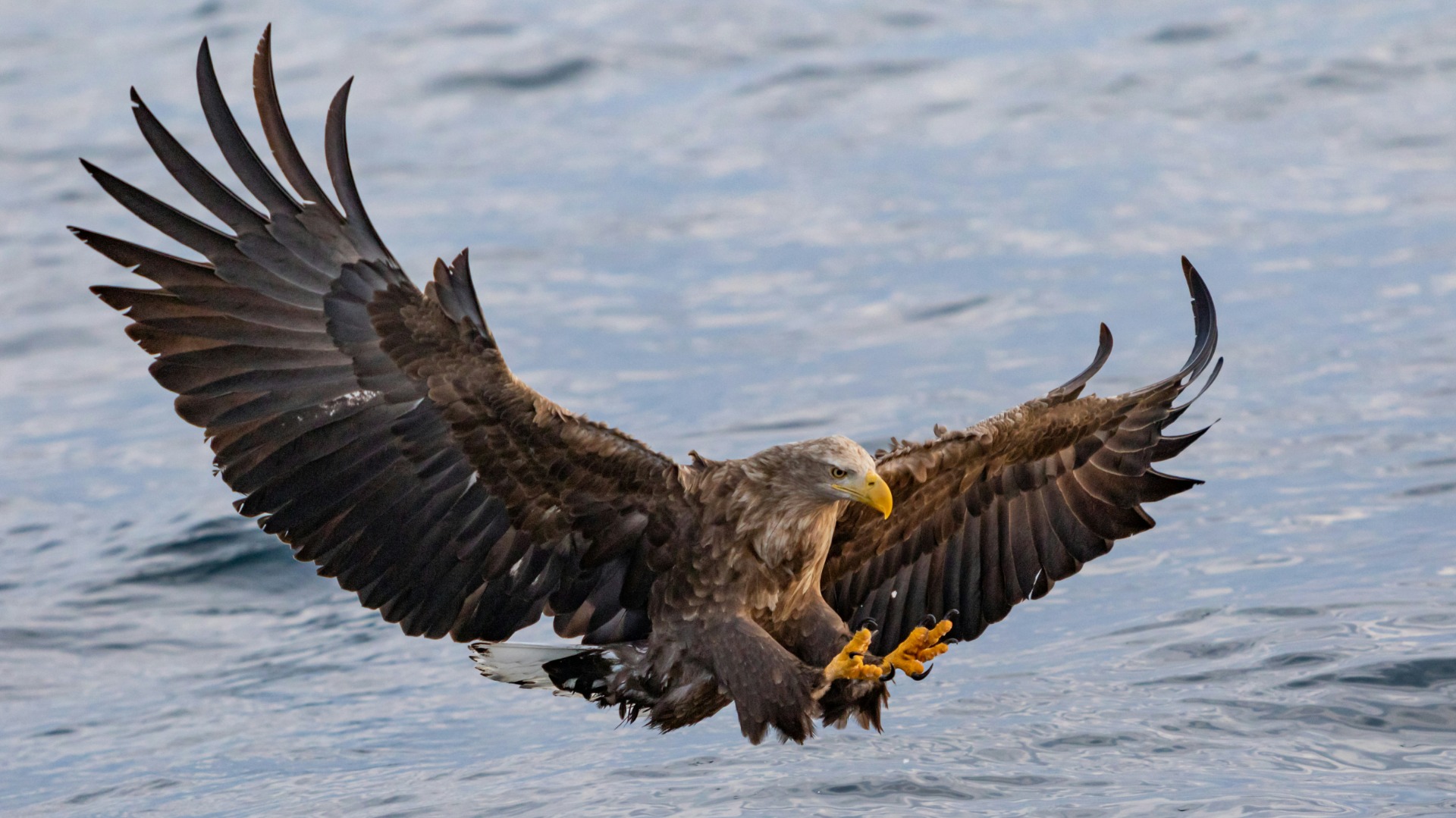
Over 400 bird species thrive in this environment, with the African fish eagle reigning as the river's most iconic resident. These powerful raptors perch on spray-drenched branches overlooking the falls, timing their dives to coincide with fish disoriented by turbulent waters. Their distinctive call echoes across the gorge even above the roar of falling water.
During high flood periods, species like the white-backed vulture and saddle-billed stork benefit from increased carrion and amphibian activity. Carmine bee-eaters arrive in August to excavate nesting banks along the river, timing their breeding with the emergence of insects stirred by rising waters. The spectacle of thousands of these vivid birds against red earth banks creates one of Africa's most memorable avian displays.
In the shadow of Victoria Falls, birds do not merely survive the Zambezi's power; they harness its energy, turning seasonal tumult into opportunity for hunting, nesting and raising their young.
Hippos and Crocodiles: Masters of the Currents
Hippopotamus pods maintain strict territories along the Zambezi, with dominant bulls defending stretches of river up to two kilometres long. During peak floods, these semi-aquatic giants must navigate stronger currents while still surfacing every three to five minutes to breathe. Their sheer mass, up to 1,500 kilograms for adult males, helps them maintain position against the flow.
Nile crocodiles, some exceeding five metres in length, demonstrate equal mastery of the changing conditions. High water disperses their prey, requiring more active hunting strategies, while low water concentrates fish and mammals in shrinking pools. These ancient reptiles can survive up to two years without eating, an adaptation that serves them well through the Zambezi's variable seasons.
For those seeking deeper immersion, specialised river safaris from Kasane offer exceptional opportunities to observe these species at eye level. The experience reveals behaviours rarely seen from land, including crocodiles ambushing prey from underwater lairs.
Predator-Prey Relationships Along the Water's Edge
The interface between water and land creates rich hunting grounds for leopards and lions. These big cats exploit the seasonal movements of prey animals drawn to the river, particularly during drier months when buffalo and antelope must drink daily. Lions have been documented increasing their hunting success rate by up to 30 percent near water sources during the late dry season.
Smaller Mammals and the Floodplain Ecosystem
Beyond the charismatic megafauna, the Zambezi supports a web of smaller species whose lives intertwine with seasonal flooding. Waterbuck and impala follow the retreating waters to graze on fresh regrowth, while vervet monkeys exploit fruiting trees along the riverbanks. These smaller herbivores in turn support populations of servals and caracals that hunt through the tall grasses.
Insect life explodes with the rains, providing sustenance for everything from bats to amphibians. The emergence of millions of termites after the first heavy downpours creates feeding frenzies that draw numerous bird species. This pulse in invertebrate activity underscores how every element of the ecosystem responds to the Zambezi's seasonal heartbeat.
What to Expect When Visiting: Practical Guidance for Travellers
The best time to visit Victoria Falls for wildlife viewing depends on what aspect of the Zambezi experience interests you most. High water from February to May delivers the most dramatic falls but can limit some game drives due to flooded tracks. The shoulder months of June and November often provide the ideal balance of impressive water flow and accessible wildlife areas.
Expect temperatures ranging from 15°C in July to 32°C in October, with humidity increasing significantly near the falls due to constant spray. Pack lightweight layers, quick-drying clothing, and binoculars with good low-light performance for dawn and dusk excursions. Malaria prophylaxis remains essential year-round in this region.
Responsible operators like Encounters Africa work exclusively with camps and guides who prioritise minimal disturbance to natural behaviours. This approach ensures that your presence supports rather than disrupts the delicate seasonal rhythms that wildlife depends upon.
Standing beside the Zambezi as it thunders over the edge, one understands that this is no static landscape but a living, breathing system where every flood and every drought writes new chapters in the lives of its inhabitants.
Conservation Challenges in a Changing Climate
Climate change is altering traditional flood patterns along the Zambezi, with more extreme droughts and unpredictable rainfall becoming increasingly common. Upstream dam management further complicates natural cycles, affecting both wildlife and the human communities that depend on the river. Recent studies indicate that hippo populations have declined by approximately 15 percent in some sections over the past two decades due to these shifting conditions.
Community-based conservation initiatives around Victoria Falls are working to address these pressures through sustainable tourism revenue and habitat protection. Projects focused on reducing human-wildlife conflict help secure the future for both elephants and local farmers. Supporting these efforts through responsible travel choices makes a tangible difference.
Related reading on our blog includes how forest corridors reconnect fragmented habitats across Africa, highlighting parallel conservation strategies employed in different ecosystems. Another insightful piece examines Rwanda's lion reintroduction programme, offering valuable context on regional restoration efforts.

Planning Your Zambezi Wildlife Experience
The thunderous Zambezi offers far more than a spectacular waterfall. Its seasonal floods create a theatre where wildlife performs ancient roles with remarkable adaptability. From the mist-bathing elephants to the fish eagles riding thermal currents above the gorge, each species tells part of a greater story about resilience and connection to place.
For discerning travellers seeking a private safari beyond our set itineraries, we invite you to contact us directly. We specialise in designing exceptional, tailor-made journeys for individuals, couples, families, and private groups of up to eight guests. Drawing on our handpicked network of distinguished camps and lodges, we curate every detail with precision and care, creating a seamless, deeply personal safari experience shaped entirely around your preferences, pace, and budget.
Whether you wish to witness the falls at their thunderous peak or track animals along the quieter channels of low water, Encounters Africa can craft an itinerary that reveals the true character of this remarkable corner of the continent. Begin planning your Zambezi journey today by reaching out to our team of specialist safari consultants who know this river and its wildlife intimately.
More like this
Wildlife
How to Read Botswana’s Wildlife Signs Before the Animals Appear
Wildlife
How to Spot South African Wildlife in Kruger Without Disturbing the Herds
wildlife
How Ugandan Wildlife Behaviors Shift Across Seasonal Habitats
Wildlife
How Ugandan Wildlife Moments Forge Deeper Connections to Africa's Ecosystems
wildlife
How Uganda's Biodiversity Hotspots Defy Expectations in Primate and Wetland Domains
Wildlife