Culture
How Zambian People and Culture Blend Tradition with Modern Change
Encounters Africa - 11 min read
Updated on 25 June 2026
Zambian people and culture offer a compelling study in balance, where deep-rooted traditions continue to shape daily life even as the country embraces economic growth and global connections. With 73 distinct ethnic groups spread across its landscapes, Zambia presents a rich mosaic of customs that honour ancestry while adapting to the demands of a rapidly modernising society. This harmonious blend creates experiences that linger long after visitors depart, revealing a nation where respect for elders sits comfortably alongside youthful innovation in technology and the arts.
Zambian cultural practices reveal a society where ancestral respect meets urban ambition. This article explores how communities maintain identity through music, dance, and kinship ties amid rapid development. From the copperbelt towns to remote villages along the Zambezi, these living traditions provide both continuity and a foundation for future progress.
The Rich Ethnic Tapestry of Zambia
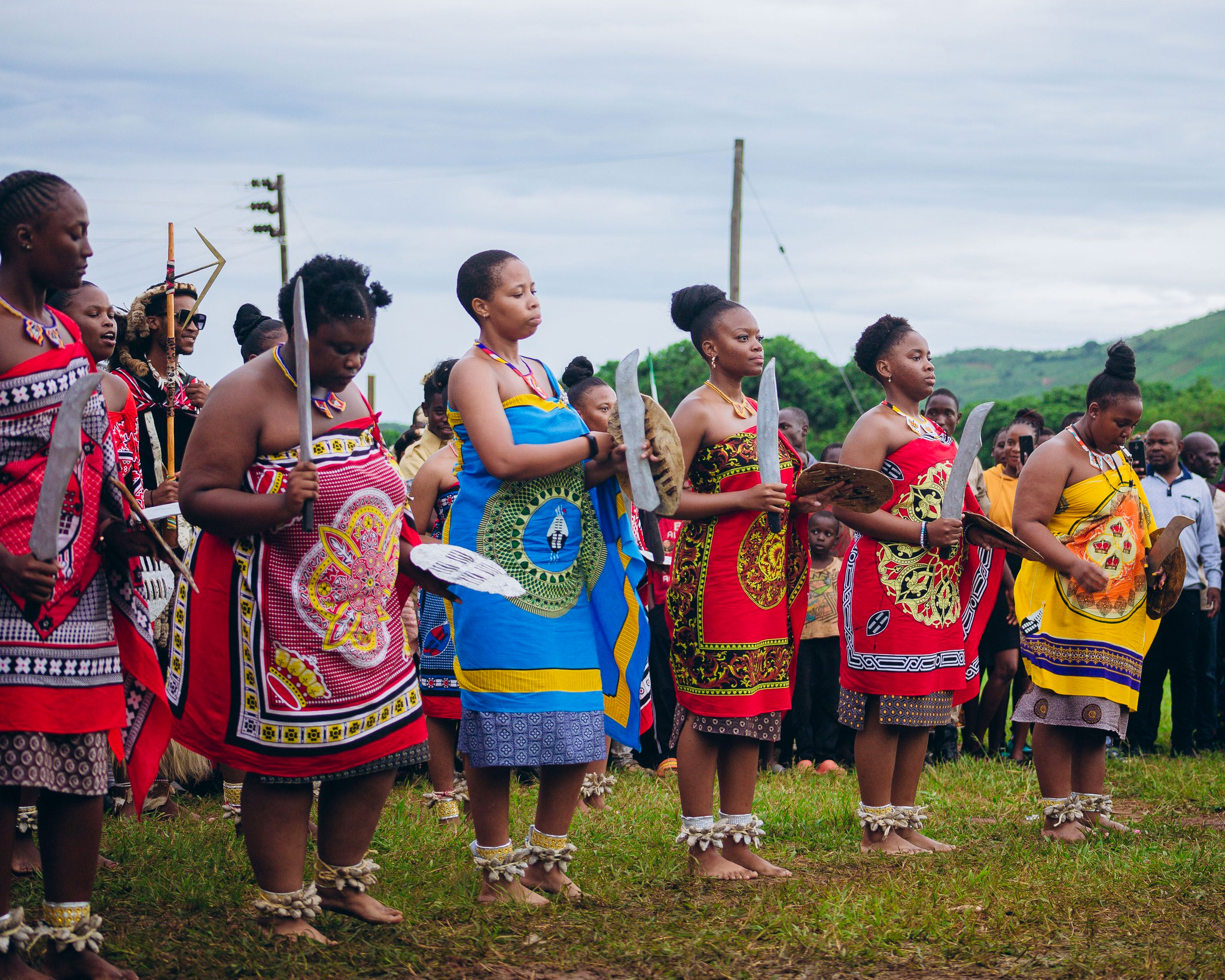
Zambia's population of approximately 20 million people encompasses a remarkable diversity of languages, beliefs, and social structures. The Bemba, Tonga, Chewa, Lozi, Nsenga, and Lunda peoples each contribute unique elements to the national character, yet share common threads of communal living and reverence for the natural world. This diversity becomes most visible during national events, when traditional dress, songs, and dances from every province fill the streets of Lusaka and Livingstone.
Family structures remain central to Zambian identity, with extended kinship networks providing support that spans both rural homesteads and urban apartment blocks. Elders hold respected positions as custodians of knowledge, while younger generations increasingly pursue education and professional opportunities without severing these vital connections. The result is a dynamic cultural landscape where tradition serves as both anchor and springboard.
The strength of Zambian people and culture lies not in resisting change, but in weaving new threads into an ancient fabric.
Language as Cultural Foundation
While English serves as the official language of government and commerce, seven regional languages enjoy official recognition: Bemba, Nyanja, Tonga, Lozi, Chewa, Lunda, and Luvale. These tongues carry proverbs, songs, and oral histories that encode values and worldviews developed over centuries. A simple greeting often expands into an exchange that acknowledges shared ancestry and mutual respect.
In rural areas, children still learn their mother tongue first, acquiring English as they progress through school. This bilingual reality strengthens rather than diminishes cultural identity, allowing Zambians to navigate both traditional and contemporary spheres with confidence. Urban youth frequently blend languages in creative ways, producing music and social commentary that resonates across generations.
Zambian Cultural Practices in Daily Life
Daily existence in Zambia often revolves around cycles of reciprocity and communal responsibility that have endured for generations. Whether in a village compound or a city neighbourhood, people maintain connections through shared meals, assistance during times of need, and participation in life-cycle events. These practices create social safety nets that formal institutions have yet to fully replace.
Agricultural rhythms continue to dictate many aspects of life, particularly in rural provinces where the majority of Zambians reside. The annual clearing of fields, planting with the first rains, and harvest celebrations mark time in ways that digital calendars cannot. Even city dwellers often return to family farms during critical seasons, maintaining both practical and spiritual links to the land.
In Zambia, culture is not confined to museums or festivals but pulses through the ordinary exchanges that bind communities together.
Initiation and Coming-of-Age Traditions
Among many ethnic groups, initiation ceremonies mark the transition from childhood to adulthood with carefully preserved rituals. For girls, practices such as the Bemba Chisungu ceremony involve weeks of instruction in responsibilities, sexuality, and cultural knowledge under the guidance of elder women. Boys undergo parallel processes that emphasise discipline, respect, and community contribution.
These rites, which typically occur between ages 12 and 18 depending on the community, combine physical challenges, symbolic teachings, and public celebration. While some urban families have modified certain elements to align with contemporary values, the core emphasis on preparation for adult responsibilities remains strong. Modern adaptations sometimes incorporate health education and discussions about gender equality.
Marriage Customs and Family Bonds
Marriage in Zambian communities typically involves both families in elaborate negotiations that extend beyond the couple themselves. Lobola, or bridewealth, serves not as purchase but as recognition of the value placed on the woman's role and the joining of two family lineages. These processes can take months or even years, strengthening alliances that provide support throughout life.
Polygamous unions, while less common in urban settings, persist in some rural areas where they form part of complex social and economic arrangements. Contemporary Zambian law regulates these relationships, requiring consent and equal treatment of wives. Younger generations increasingly choose partners independently while still seeking family approval, creating new models that respect both individual choice and collective wisdom.
Music, Dance, and Artistic Expression
The rhythmic heartbeat of Zambian people and culture finds its most vibrant expression through music and movement. From the intricate drumming patterns of the Lozi to the harmonious choral traditions of the Bemba, sound serves as both entertainment and historical record. Contemporary artists draw on these foundations to create genres that blend traditional instruments with electronic beats and urban themes.
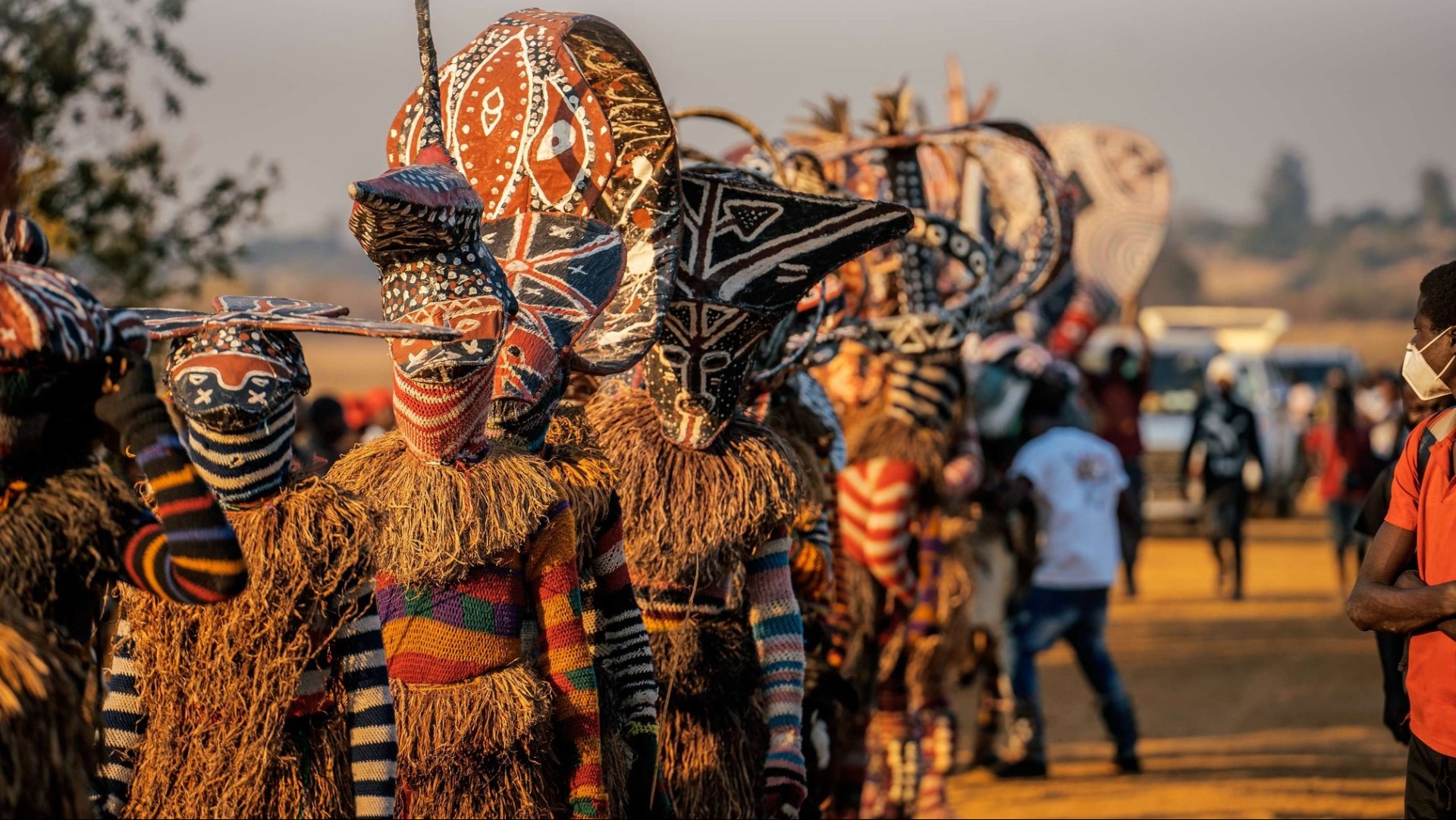
Dance forms vary dramatically between regions, with each ethnic group maintaining distinctive styles that convey specific meanings. The Makishi masquerade dances of the Luvale people, for instance, feature elaborate costumes and athletic performances that honour ancestors during initiation and harvest celebrations. These performances have evolved to incorporate contemporary social commentary while preserving their spiritual essence.
Contemporary Arts Scene
Lusaka's growing creative community demonstrates how Zambian cultural practices adapt to new contexts. Young painters, sculptors, and filmmakers explore themes of identity, migration, and environmental change using both traditional techniques and digital media. The annual Zambia International Film Festival showcases works that grapple with the tensions between heritage and progress.
Textile arts remain particularly strong, with women producing intricate chitenge fabrics that serve both practical and symbolic purposes. These colourful wraps feature designs that reference proverbs, historical events, and current concerns, allowing wearers to communicate identity and values through their clothing choices. The commercial success of these artisans supports families while keeping traditional skills alive.

Spiritual Beliefs and Ceremonial Life
While approximately 95 percent of Zambians identify as Christian, many integrate traditional spiritual concepts into their faith practices. Ancestor veneration, respect for natural forces, and belief in the interconnectedness of all life continue to influence decision-making and community rituals. This syncretic approach allows people to draw strength from multiple sources of wisdom.
Annual ceremonies such as the Kuomboka of the Lozi people attract thousands of participants and spectators. This colourful festival commemorates the historical migration of the Litunga and his people from the flooded plains to higher ground. The spectacle of the royal barge, accompanied by traditional musicians and dancers, represents one of Zambia's most recognisable cultural events.
Spiritual traditions in Zambia do not compete with modernity but provide the ethical framework within which progress is measured and directed.
Healing and Divination Practices
Traditional healers, known as sangomas or ng'angas depending on the region, continue to serve communities alongside medical doctors. Their knowledge of medicinal plants, combined with spiritual insight, addresses ailments that conventional medicine sometimes overlooks. Many urban Zambians consult both systems, creating integrated approaches to health and wellbeing.
These practitioners undergo rigorous apprenticeships that transmit botanical knowledge accumulated over generations. Their role extends beyond physical healing to include conflict resolution, protection rituals, and guidance during important life decisions. The Zambian government has taken steps to recognise and regulate traditional medicine, acknowledging its importance in the national healthcare system.
Impact of Urbanisation and Globalisation
Zambia's urban population has grown dramatically since independence in 1964, with Lusaka now home to over two million residents. This shift has transformed how Zambian people and culture manifest in daily life. While some traditions have weakened in the face of economic pressures and changing priorities, others have found new expressions in city environments.
Technology has created both challenges and opportunities for cultural preservation. Social media platforms allow young Zambians to share traditional music and dance with global audiences while debating the relevance of certain practices. Online forums host discussions about adapting initiation ceremonies to contemporary realities, demonstrating how communities actively shape their evolving identity.
Education and Cultural Transmission
The education system increasingly incorporates Zambian history and cultural studies, countering earlier colonial-era curricula that marginalised local knowledge. Schools in rural areas often integrate traditional skills such as farming techniques and craft production into their programmes. Cultural clubs and youth organisations provide additional spaces for learning dances, songs, and stories.
Universities have established departments dedicated to African languages and cultural studies, producing research that documents and analyses Zambian traditions. This academic interest has elevated the status of cultural knowledge while creating career pathways for those who wish to work in heritage management or the creative industries.
What Visitors Should Know About Zambian Cultural Practices
Travellers interested in experiencing authentic Zambian culture benefit from approaching communities with genuine curiosity and respect. Photography should always be preceded by permission, and visitors should accept offers of food or drink as these gestures carry significant meaning. Learning a few basic phrases in the local language demonstrates appreciation and often opens doors to deeper interactions.
Participating in village tours arranged through reputable operators allows for meaningful exchanges while ensuring that communities benefit directly from tourism. These experiences typically include opportunities to observe craft production, enjoy traditional meals, and learn about daily life from residents themselves. The most rewarding visits occur when travellers listen more than they speak, allowing local narratives to unfold naturally.
The best time to engage with Zambian cultural practices is during major ceremonies, which typically occur between April and November when roads are more accessible following the rainy season. The Kuomboka usually takes place in March or April, depending on flood levels, while harvest festivals occur from June through August. Planning around these dates increases opportunities for authentic cultural immersion.
Responsible Cultural Tourism
Encounters Africa works closely with community partners to ensure that cultural visits create genuine benefits for local people. Our Zambia safari experiences incorporate opportunities to engage with traditional practices in ways that respect community protocols and support conservation efforts. These carefully arranged visits complement wildlife viewing while providing context for the human landscapes that surround protected areas.
Supporting local artisans through direct purchases rather than middlemen helps preserve traditional crafts while contributing to household incomes. Learning the stories behind particular designs or techniques enriches the experience and creates connections that extend beyond the duration of a visit. Many travellers return home with not only beautiful objects but lasting relationships with the makers.
True appreciation of Zambian people and culture develops through patience, openness, and recognition that these living traditions continue to evolve in response to both internal and external forces.
Conservation and Cultural Identity
Zambian cultural practices have always included strong elements of environmental stewardship, with many communities maintaining sacred forests and taboos against overharvesting particular resources. These traditional conservation methods complement modern protected area management and community conservancies. The recognition of indigenous knowledge in environmental policy represents an important development in national approaches to sustainability.
Community-based tourism initiatives allow rural populations to benefit from wildlife conservation while maintaining cultural practices linked to the land. In areas surrounding national parks, cultural experiences help diversify income sources and reduce pressure on natural resources. These models demonstrate how tradition and conservation can reinforce rather than compete with each other.
For those seeking to explore these connections further, our Chiawa Safaris - Puku Ridge offers insights into the relationship between local communities and the wildlife-rich Lower Zambezi region. Similarly, deeper exploration of Zambia reveals how cultural practices inform approaches to living alongside magnificent wildlife.
Embracing Zambia's Living Heritage
The enduring strength of Zambian people and culture lies in their capacity to honour the past while confidently stepping into the future. As the country continues its development journey, these living traditions provide both stability and creative inspiration. The music, dances, stories, and social bonds that have sustained communities for generations remain vibrantly relevant in addressing contemporary challenges.
Travellers who engage thoughtfully with Zambian communities discover far more than colourful performances or interesting customs. They encounter a philosophy of life that values human connection, respect for elders, and harmonious relationships with the natural world. These encounters often prompt reflection on what aspects of traditional wisdom might enrich modern societies everywhere.
For discerning travellers seeking a private safari beyond our set itineraries, we invite you to contact us directly. We specialise in designing exceptional, tailor-made journeys for individuals, couples, families, and private groups of up to eight guests. Drawing on our handpicked network of distinguished camps and lodges, we curate every detail with precision and care, creating a seamless, deeply personal safari experience shaped entirely around your preferences, pace, and budget.
Whether your interests lie in cultural immersion, wildlife observation, or a thoughtful combination of both, reach out to Encounters Africa to begin crafting your Zambian journey. Our team brings decades of on-the-ground knowledge to ensure your experience honours both the traditions you encounter and the communities that generously share them.
More like this
Culture
How Zimbabwe's Ancient Hunting Traditions Shape Daily Village Life
Culture
Inside Botswana's Living Traditions: What Sets the San and Tswana Apart
Culture
Inside the Living Traditions That Define Cultural Importance in Western Africa

Culture
Inside the Rhythms of Zimbabwean Culture and People

Culture
Kenya's Sacred Calendars: How Communities Mark Seasons Through Ritual
Culture