Culture
How Zimbabwe's Ancient Hunting Traditions Shape Daily Village Life
Encounters Africa - 9 min read
Updated on 21 July 2026
In the rural heartlands of Zimbabwe, ancient hunting traditions remain woven into the fabric of daily village existence. These practices, passed down through generations among the Shona and Ndebele peoples, blend practical sustenance with profound spiritual beliefs that honour the land and its creatures. This connection between culture and hunting in Zimbabwe sustains both ecological balance and a strong sense of communal identity across the regions of Matabeleland and Mashonaland.
The best time to witness these living traditions is during the dry season from May to October, when community hunts and associated ceremonies often take place. Travellers who engage respectfully gain insight into a worldview where every animal taken carries meaning far beyond the meal it provides. Encounters Africa has witnessed how these customs continue to guide responsible resource use in modern times.
The Spiritual Foundations of Shona Hunting Practices
Shona spiritual beliefs form the cornerstone of traditional hunting methods still observed in many Zimbabwean villages. Hunters consult ancestral spirits, known as midzimu, before venturing into the bush, seeking permission and guidance through dreams or the intercession of spirit mediums called svikiro. This ritual preparation ensures that the act of hunting aligns with cosmic harmony rather than mere human need.
Taboos play an equally vital role in maintaining respect for wildlife. Certain animals, such as the python or particular antelope species, are considered sacred and are never hunted, while specific body parts must be offered back to the earth or ancestors. These rules, rooted in centuries of observation, help prevent overharvesting and foster a deep ecological understanding among community members.
The hunter does not simply take; he enters into conversation with the spirit of the animal and the land that sustains them both.
Community elders transmit this knowledge during evening storytelling sessions around the fire. Young boys learn not only tracking skills but also the moral framework that governs when and how to hunt. This education shapes character as much as it imparts practical expertise, creating responsible stewards of the environment.
Daily Rhythms Shaped by Hunting Traditions
In villages across Mashonaland, the rhythms of life still echo the patterns of traditional hunting. Men rise before dawn to check snares or prepare for group expeditions, while women process the meat, preserving it through smoking or drying methods perfected over generations. Children participate by gathering medicinal plants that accompany the hunt or learning to identify animal tracks in the soft morning soil.
These activities extend beyond food procurement. Hunting expeditions often double as opportunities for conflict resolution, where elders mediate disputes during the long hours spent in the bush. The shared experience strengthens social bonds and reinforces the hierarchical yet interdependent structure of village society.
Women hold crucial roles in the cultural transmission of hunting knowledge. They prepare special herbal mixtures believed to enhance a hunter's senses or protect against dangerous animals. Their songs and prayers during the men's absence maintain the spiritual thread connecting the community to those in the field.

What appears as simple survival is in fact a complete cultural system that touches every aspect of village existence, from birth rituals to harvest celebrations.
Hunting Methods Preserved Through Generations
Traditional Zimbabwean hunting employs a variety of time-honoured techniques adapted to different terrains and prey. In the mopane woodlands of Matabeleland, trackers use silent pursuit methods, following spoor with extraordinary precision developed through lifelong practice. Pit traps and weighted snares remain in selective use, though increasingly governed by community agreements on sustainable yields.
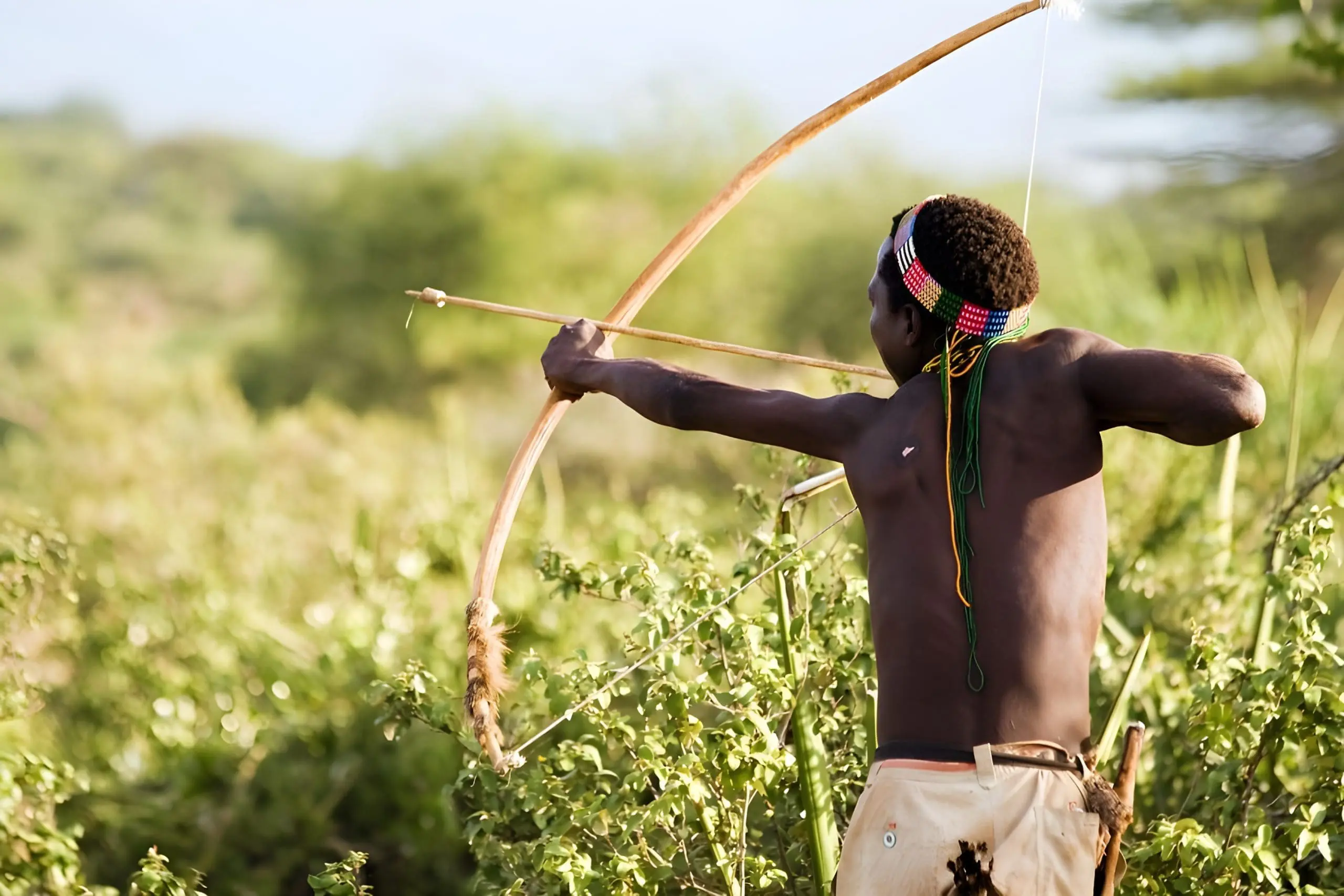
Bow and arrow hunting, often employing poison derived from local plants such as Acokanthera, demands not only marksmanship but intimate knowledge of animal behaviour. Hunters must understand wind direction, terrain, and the specific habits of their target species to ensure a swift and ethical outcome.
Group drives, where communities work together to channel animals toward waiting hunters, represent perhaps the most communal expression of these traditions. These coordinated efforts, sometimes involving entire villages, reinforce collective identity while distributing resources equitably according to established customs.
How Do These Traditions Maintain Wildlife Balance?
Traditional hunting practices in Zimbabwe incorporate sophisticated conservation principles that modern ecologists increasingly recognise. Seasonal restrictions prevent hunting during breeding periods, while sacred groves and certain waterholes remain permanently off-limits. These measures, embedded in spiritual belief rather than legislation, have protected biodiversity for centuries.
Taboos against killing pregnant or nursing animals demonstrate an instinctive understanding of population dynamics. Similarly, the selective harvesting of only mature males in certain species mirrors contemporary wildlife management strategies. Elders explain these rules through stories of ancestral consequences for those who disregarded them.
Research conducted in the 1990s by the University of Zimbabwe documented how communities practising traditional hunting maintained more stable wildlife populations in communal lands compared to areas where customary laws had broken down. This finding underscores the practical value of what might appear to outsiders as purely ritualistic behaviour.
The Role of Community and Leadership in Preserving Traditions
Chiefs and spirit mediums serve as guardians of hunting customs in contemporary Zimbabwe. They arbitrate disputes over hunting territories, interpret omens that determine whether a hunt should proceed, and enforce penalties for those who violate established taboos. Their authority stems not from state appointment but from their connection to ancestral knowledge.
In many villages, hunting associations operate alongside these traditional structures, blending customary law with modern conservation requirements. These groups often collaborate with organisations working on community-based natural resource management, creating bridges between ancient wisdom and contemporary challenges.
Women increasingly participate in decision-making bodies that govern hunting activities, reflecting gradual shifts in gender roles while maintaining core cultural values. Their input on sustainable harvesting and resource distribution has strengthened community resilience in the face of climate variability and economic pressures.
The continuity of these practices demonstrates how culture and hunting in Zimbabwe function as living systems rather than museum pieces, adapting while preserving their essential character.
Modern Challenges Facing Traditional Hunting Culture
Contemporary Zimbabwe faces complex pressures that test the survival of these ancient traditions. Population growth, habitat loss, and the expansion of commercial agriculture have reduced available hunting grounds in many regions. Climate change has altered animal migration patterns, making traditional knowledge less predictable in some areas.
Urban migration draws young people away from villages, interrupting the transmission of specialised skills and spiritual understanding. Meanwhile, the influence of formal education sometimes creates tension between scientific explanations and traditional interpretations of natural phenomena.
Despite these challenges, many communities demonstrate remarkable adaptability. Some have integrated photographic tourism into their cultural framework, offering visitors insight into traditional practices without compromising the hunt itself. Others have developed agreements with neighbouring private conservancies to maintain access to traditional territories.
Practical Considerations for Respectful Cultural Engagement
Visitors interested in learning about these traditions should approach with genuine humility and patience. Permission must always be sought through proper channels, typically beginning with the village headman or chief. Photography of sensitive ceremonies requires explicit consent and often involves reciprocal arrangements that benefit the community.
The most rewarding engagements occur when travellers participate in non-hunting aspects of the culture, such as learning traditional tracking skills, joining in the preparation of medicinal plants, or listening to the stories that encode ecological knowledge. These experiences create meaningful connections while supporting cultural preservation.
Encounters Africa works closely with select communities to ensure that visits respect local protocols and provide tangible benefits. Our Zimbabwe cultural journeys introduce travellers to these living traditions through carefully facilitated experiences that honour both the past and present realities of village life.
Connection to Broader Zimbabwean Heritage
The hunting traditions of rural Zimbabwe connect to wider cultural expressions found throughout the country. Rock art sites in the Matobo Hills depict hunting scenes estimated to be over 2,000 years old, suggesting remarkable continuity in both practice and spiritual significance. Similar themes appear in contemporary Shona sculpture, where artists transform stone into powerful representations of human-animal relationships.
Music and dance also preserve hunting narratives. Traditional mbira melodies often tell stories of legendary hunts, while specific dances reenact the movements of both hunter and prey. These artistic forms ensure that knowledge circulates beyond those directly involved in the physical act of hunting.
Understanding this broader context enriches any journey through Zimbabwe. A visit to neighbouring Zambia reveals parallel traditions among related ethnic groups, while exploration of Chobe Game Lodge in Botswana offers perspective on how different societies have adapted similar cultural foundations to their particular environments.
Preserving Living Heritage for Future Generations
The endurance of Zimbabwe's ancient hunting traditions offers profound lessons about sustainable living and cultural resilience. These practices demonstrate how spiritual beliefs, practical knowledge, and social organisation can work together to maintain balance between human communities and the natural world they inhabit.
As global interest in authentic cultural experiences grows, the challenge lies in supporting these traditions without allowing them to become commodified or frozen in time. The most valuable contribution travellers can make is approaching these communities with respect, curiosity, and a willingness to learn rather than simply observe.
For discerning travellers seeking a private safari beyond our set itineraries, we invite you to contact us directly. We specialise in designing exceptional, tailor-made journeys for individuals, couples, families, and private groups of up to eight guests. Drawing on our handpicked network of distinguished camps and lodges, we curate every detail with precision and care, creating a seamless, deeply personal safari experience shaped entirely around your preferences, pace, and budget.
Whether your interest lies in witnessing traditional ceremonies, learning about sustainable resource management, or simply gaining deeper insight into the relationship between people and wildlife, Encounters Africa can facilitate meaningful connections. We encourage you to reach out through our enquiry form to begin planning a journey that honours both the remarkable wildlife of Zimbabwe and the rich cultural heritage that has protected it for generations.
More like this
Culture
Inside Botswana's Living Traditions: What Sets the San and Tswana Apart
Culture
Inside the Living Traditions That Define Cultural Importance in Western Africa

Culture
Inside the Rhythms of Zimbabwean Culture and People

Culture
Kenya's Sacred Calendars: How Communities Mark Seasons Through Ritual
Culture
Moments of Culture in Africa: How Daily Traditions Shape Identity Across Nations
culture