Culture
Inside Botswana's Living Traditions: What Sets the San and Tswana Apart
Encounters Africa - 9 min read
Updated on 3 July 2026
Botswana culture and people offer a profound window into how ancient ways endure alongside the demands of a modern nation. In the vast landscapes of the Botswana, the San and Tswana communities maintain distinct traditions that shape daily life, social structures, and connections to the natural world. This exploration delves into their living practices, revealing how these groups navigate change while preserving what defines them.
A factual summary for travellers: the San, often called the original inhabitants with roots tracing back over 20,000 years, emphasise egalitarian hunter-gatherer customs, while the Tswana, who form the majority ethnic group, centre their identity around cattle-based pastoralism and hierarchical chiefly systems established in the 19th century. Both continue to influence Botswana's national character today.
The San: Nomadic Heritage and Spiritual Connections
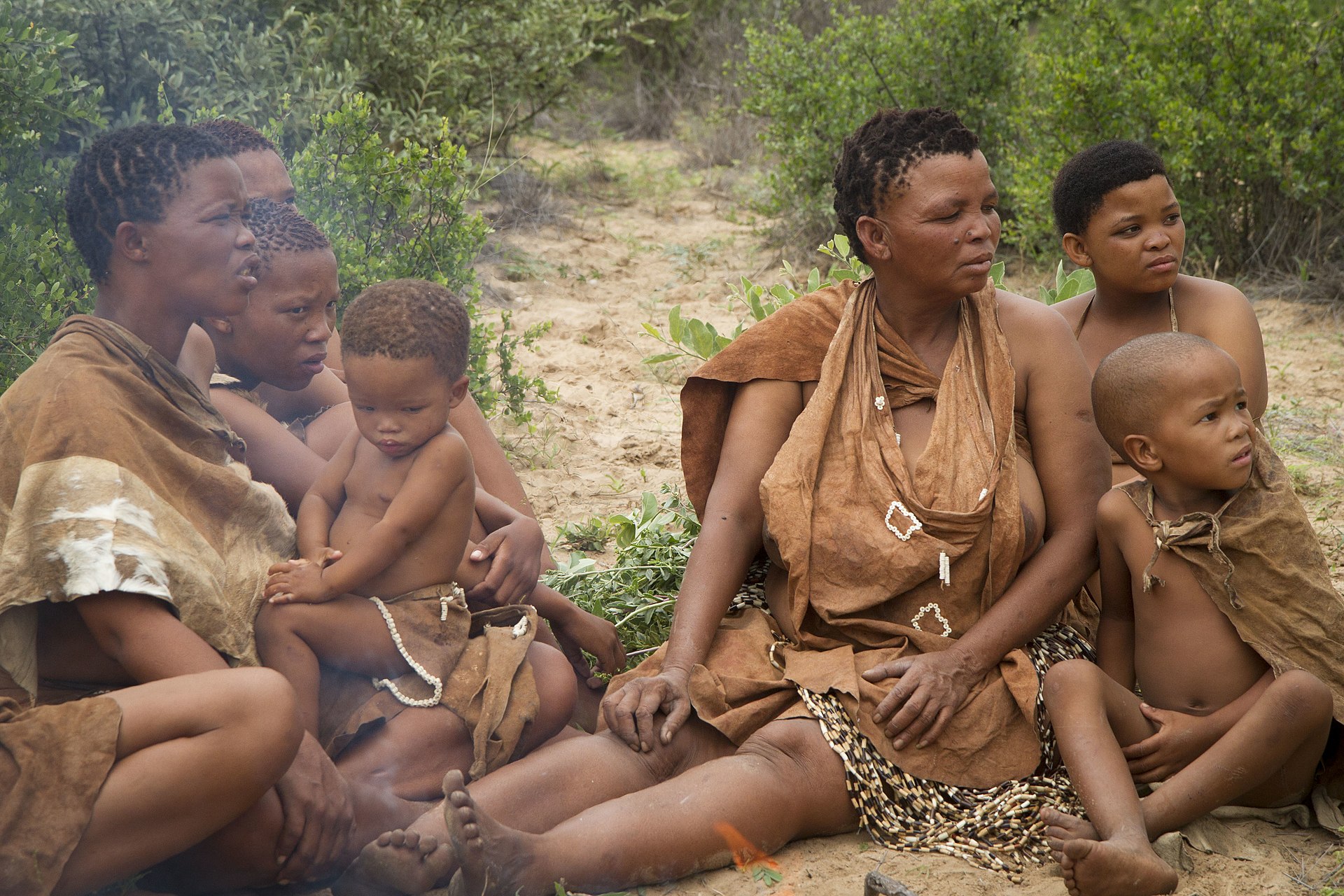
The San people, sometimes referred to as Bushmen, represent one of humanity's oldest surviving cultures. Scattered across the Kalahari, their communities blend traditional foraging with settled life in villages. Visitors often encounter their exceptional tracking skills, honed over millennia, which allow them to read the desert like an open book.
At the heart of San life lies a deep spiritual relationship with the environment. Their knowledge of plants for both medicine and sustenance remains unparalleled, with over 200 species documented in traditional use. This expertise isn't merely historical; many younger San still learn these skills from elders, ensuring the transmission of invaluable ecological wisdom.
The click languages of the San, with their distinctive sounds that have fascinated linguists for decades, carry stories of creation and survival that predate most written histories.
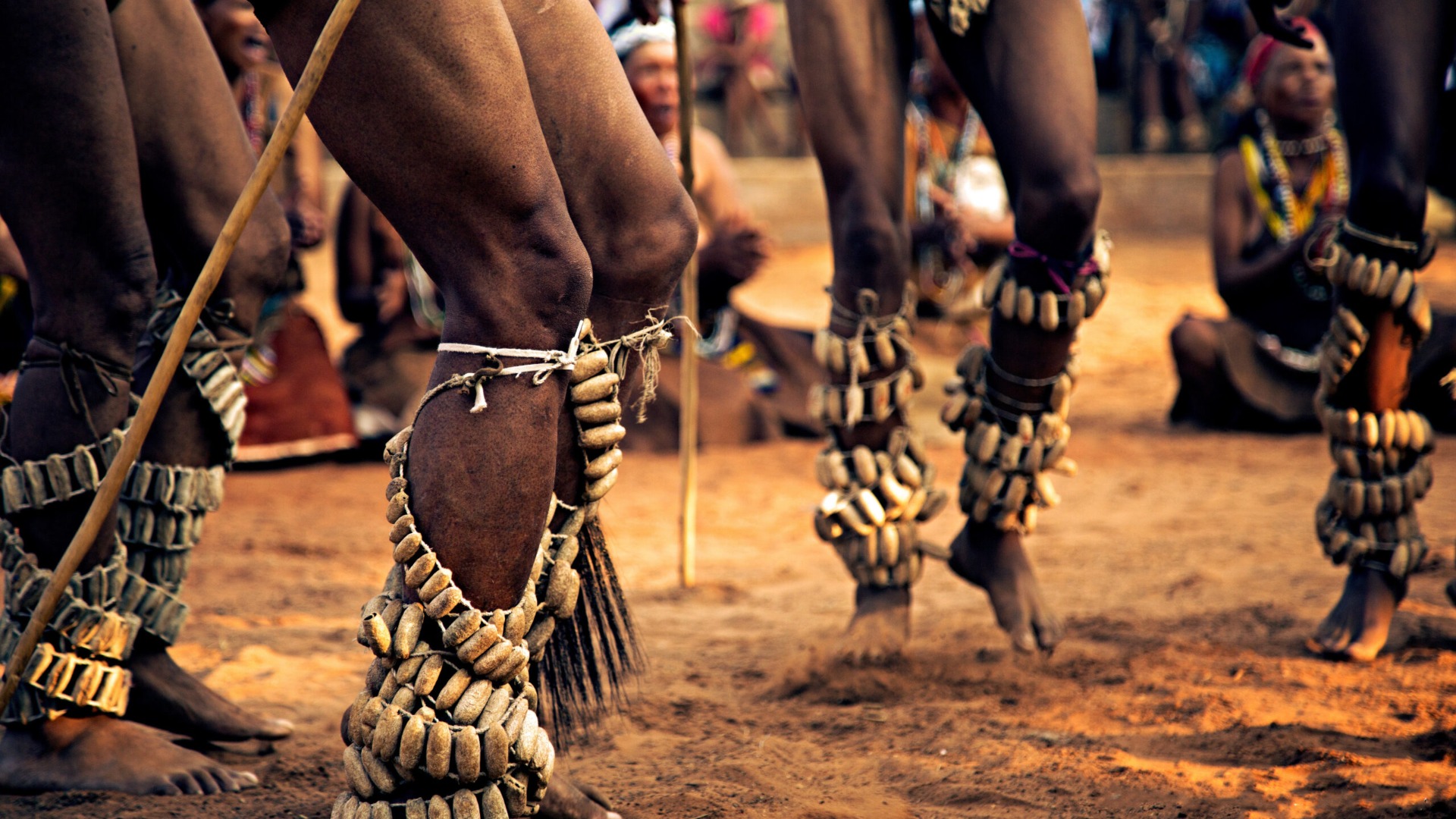
Trance dances stand as perhaps their most recognised cultural expression. Performed around the fire under star-filled skies, these rituals involve rhythmic clapping, singing, and dancing that can last through the night. Healers enter altered states to communicate with spirits, addressing illness and maintaining communal harmony. The experience pulses with energy that visitors describe as transformative when respectfully observed.
Modern Adaptations Among San Communities
While many San have transitioned to more permanent settlements, particularly in areas like the Central Kalahari, traditional values of sharing and non-hierarchy persist. Community-based tourism initiatives now provide economic alternatives to hunting, which has become restricted in many regions since the 2010s.
These projects allow travellers to engage meaningfully, learning about beadwork, storytelling, and tracking without disrupting daily rhythms. Such encounters highlight how Botswana culture and people balance preservation with practical realities in a country where wildlife conservation and human needs sometimes conflict.
Tswana Customs: Cattle, Kinship and Governance
The Tswana people form the cultural backbone of modern Botswana, with eight major tribes each led by a paramount chief or kgosi. Their society revolves around the concept of botho – a philosophy of interconnectedness and respect that guides everything from governance to personal conduct. Cattle remain central, not merely as wealth but as symbols of status, used in bridewealth (lobola) and important ceremonies.
Traditional governance structures, known as the kgotla, function as community meeting places where decisions are reached through open discussion. Even today, many villages maintain active kgotlas, where disputes are resolved and policies debated in ways that influenced Botswana's democratic system after independence in 1966.
In Tswana tradition, the rainmaker or ngaka holds particular importance, performing ceremonies that blend herbal knowledge with spiritual invocation to ensure the life-giving rains arrive for crops and cattle alike.
Family structures emphasise extended kinship networks, with clear roles defined by age and gender. Initiation practices, though evolving, still mark important life transitions for both boys and girls, teaching cultural values, history, and responsibilities that prepare them for adulthood.
Ceremonies That Bind Tswana Communities
Among the most significant events are weddings, which can involve hundreds of guests and elaborate negotiations around cattle exchanges. These multi-day celebrations feature traditional music, dancing, and feasts that reinforce social bonds across families and villages.
Funerals equally hold deep meaning, with specific rituals honouring the deceased and their ancestors. The practice of go phasa – offering to the ancestors – remains integral, ensuring the spirit of the departed continues to guide and protect the living. These moments reveal the profound respect for lineage that characterises Tswana society.
Shared Values and Distinct Expressions in Botswana Culture
Despite their differences, both San and Tswana traditions place tremendous value on respect for elders, connection to land, and communal wellbeing. Storytelling serves as a vital educational tool in both groups, passing down moral lessons, historical accounts, and practical knowledge through generations.
The San's relationship with wildlife differs markedly from the Tswana's pastoral approach. While the former traditionally hunted with poison-tipped arrows and traps, the latter developed sophisticated cattle herding techniques that transformed the landscape. Yet both demonstrate remarkable adaptation – the San incorporating modern materials into their crafts, and the Tswana blending traditional authority with contemporary legal systems.
What truly distinguishes these cultures is not their separation but how they inform Botswana's national identity, creating a society where ancient wisdom and progressive governance coexist with remarkable harmony.
Language, Art and Daily Expressions
Setswana serves as the national language alongside English, with its proverbs and oral traditions enriching everyday communication. The San maintain their unique click languages, each with variations that identify specific groups such as the Ju/'hoansi and !Kung.
Artistic expressions vary beautifully between the groups. San rock paintings and engravings, some dating back thousands of years, provide archaeological insights into their worldview. Contemporary San artists continue this tradition through ostrich egg decoration and intricate beadwork. Tswana crafts focus on pottery, basketry, and woodcarving, often incorporating symbolic patterns that tell stories of origin and belonging.

What Visitors Should Know Before Participating in Cultural Experiences
Respectful engagement with Botswana culture and people requires awareness and sensitivity. Photography should always be approached with permission, particularly during ceremonies or when capturing individuals. Understanding that not all rituals are open to outsiders helps prevent unintended intrusion into sacred spaces.
Community-based tourism has grown significantly since the early 2000s, with many initiatives directly benefiting local people. When visiting San villages or attending Tswana events, modest dress, quiet observation, and genuine curiosity create the most meaningful exchanges. Small gifts of tobacco or practical items are sometimes appreciated, but asking about appropriate gestures beforehand shows respect.
Learning basic greetings in Setswana – such as "Dumela" for hello – or understanding the importance of the right hand in exchanges demonstrates cultural awareness that locals genuinely value. These small considerations open doors to more authentic interactions.
Practical Guidance for Cultural Encounters
The optimal time to experience living traditions often coincides with important seasonal events. For Tswana communities, the first-fruit ceremonies typically occur between February and April, depending on the harvest. San trance dances don't follow a fixed calendar but frequently take place during cooler winter months from May to August when night skies are clearest.
Travellers interested in deeper engagement might consider stays at community-managed camps that prioritise cultural education alongside wildlife viewing. These experiences often include opportunities to learn traditional skills, from tracking to beadwork, directly from knowledgeable practitioners.
Always remember that these are living communities rather than museum displays. The most rewarding visits come from approaching with humility and a willingness to listen more than speak. This mindset transforms a simple visit into a meaningful cultural exchange.
The Future of Botswana's Living Traditions
Botswana stands at an interesting crossroads where rapid development meets deep-rooted customs. With one of Africa's most stable economies, driven by diamond wealth and tourism, the country faces the challenge of maintaining cultural integrity amid modernisation. Education programmes increasingly incorporate traditional knowledge, ensuring younger generations understand their heritage.
Both San and Tswana communities actively participate in shaping this future. Cultural festivals, heritage centres, and school programmes celebrate diversity while addressing contemporary issues like land rights and economic inclusion. The San, in particular, have gained greater recognition of their indigenous rights in recent years, though challenges remain.
Through these efforts, Botswana culture and people continue evolving without losing their essence. The adaptability that allowed survival through centuries of change now helps these traditions find new expressions in a digital age, from social media documentation of ceremonies to contemporary art that reinterprets ancient symbols.
Discovering Botswana's Cultural Heartbeat
The living traditions of the San and Tswana offer far more than fascinating customs for visitors to observe. They provide insights into different ways of understanding time, community, and our relationship with nature. In a world increasingly disconnected from its roots, these practices remind us of the value found in continuity and respect for what has come before.
Whether witnessing the healing energy of a San dance or participating in the thoughtful discussions of a Tswana kgotla, travellers gain perspective that enriches their understanding of both Botswana and themselves. These experiences reveal how culture in Botswana serves not merely as preservation but as a dynamic force guiding the nation forward.
For discerning travellers seeking a private safari beyond our set itineraries, we invite you to contact us directly. We specialise in designing exceptional, tailor-made journeys for individuals, couples, families, and private groups of up to eight guests. Drawing on our handpicked network of distinguished camps and lodges, we curate every detail with precision and care, creating a seamless, deeply personal safari experience shaped entirely around your preferences, pace, and budget.
Consider combining cultural immersion with exploration of iconic wilderness areas. A journey that includes time with Deception Valley Lodge in the Central Kalahari allows privileged access to San communities alongside exceptional wildlife viewing. Similarly, experiences near the Okavango Delta can incorporate visits to Tswana villages where traditional life unfolds beside some of Africa's most pristine wetlands.
Whether your interests lean toward the spiritual practices of the San or the social structures of the Tswana, Encounters Africa crafts journeys that honour both the land and its people. We believe the most meaningful African experiences weave together wildlife, landscapes, and cultural understanding into one unforgettable narrative.
Connect with our team through our enquiry form to begin designing your personal encounter with Botswana's living traditions. Let us help you experience not just the country's remarkable landscapes, but the warmth, wisdom, and resilience of its diverse communities.
More like this
Culture
Inside the Living Traditions That Define Cultural Importance in Western Africa

Culture
Inside the Rhythms of Zimbabwean Culture and People

Culture
Kenya's Sacred Calendars: How Communities Mark Seasons Through Ritual
Culture
Moments of Culture in Africa: How Daily Traditions Shape Identity Across Nations
culture
Post-Genocide Revival: Rwanda's Intangible Heritage Takes Shape

Culture