Culture
Inside the Living Traditions That Define Cultural Importance in Western Africa
Encounters Africa - 12 min read
Updated on 1 July 2026
Moments of culture in West Africa unfold in the rhythm of drumbeats echoing across savannahs, the intricate patterns of handwoven kente cloth, and the shared laughter around communal fires where elders recount ancestral tales. Exploring cultural importance in western Africa reveals societies where tradition and modernity coexist with remarkable vitality, offering travellers profound encounters that reshape perspectives on heritage, community, and resilience. This living tapestry, spanning from the Sahel to the Atlantic coast, invites respectful visitors to witness ceremonies that have endured for centuries while supporting the communities that keep them alive.
A single evening spent listening to a griot's melodic recounting of family lineages in Mali or participating in a colourful Gelede masquerade in Benin can illuminate the deep cultural importance in western Africa far more vividly than any textbook. These experiences highlight how oral histories, artisanal crafts, and ritual gatherings form the backbone of identity across eight main countries in the region, from Senegal's coastal capitals to Nigeria's bustling creative hubs. For those planning a journey that balances wildlife with human stories, understanding these elements adds irreplaceable depth.
The Power of Oral Tradition and the Griot Legacy
In West Africa, knowledge has always travelled on the tongue rather than the page. Griots, hereditary bards and historians, serve as living libraries, preserving genealogies, laws, and moral lessons through song and narrative that can stretch back over 700 years. Their performances, often accompanied by the kora or balafon, transform history into an immersive sensory experience where melody, rhythm, and poetry intertwine.
Travellers fortunate enough to attend a private griot performance in a Senegalese village quickly grasp why this tradition remains central to cultural importance in western Africa. The artist might trace a visitor's guide's ancestry for several generations, weaving contemporary events into ancient epics with effortless skill. Such moments reveal the dynamic nature of oral culture, constantly refreshed yet rooted in centuries of practice.
The voice of the griot does not merely recall the past; it shapes the present and future of entire communities, reminding us that culture lives most powerfully when it is shared aloud beneath starlit skies.
Today, contemporary artists blend these ancient techniques with modern themes, addressing everything from climate challenges to youth empowerment. In Mali, young griots incorporate hip-hop elements into traditional praise songs, creating bridges between generations while maintaining the form's essential integrity. This evolution demonstrates the remarkable adaptability that characterises moments of culture in West Africa.

Textile Arts That Tell Stories Without Words
Few artistic traditions capture cultural importance in western Africa as eloquently as its textile heritage. From the strip-woven cotton of Ghanaian kente to the indigo-dyed bogolanfini mud cloth of Mali, each pattern carries specific meanings related to proverbs, historical events, or social status. These are not mere fabrics but visual languages that communicate identity at first glance.
In the workshops of Kano, Nigeria, artisans still practise the ancient art of dyeing with indigo in vast earthen pits that have been in continuous use for over 500 years. The resulting deep blues and intricate resist patterns speak of trade routes that once connected the region to North Africa and beyond. Visitors can observe this process firsthand, watching as cloth emerges transformed after multiple immersions and careful sun-drying.
Ghana's Ashanti weavers create kente cloth on narrow looms, producing strips that are meticulously sewn together. Each colour and geometric design holds significance: gold for royalty, green for fertility, and red for sacrifice. Learning to read these patterns opens a new dimension of appreciation during cultural encounters across the region.
A length of kente draped across the shoulders carries the accumulated wisdom of generations, its colours and patterns speaking silently of values that have sustained communities through times of both celebration and challenge.
Festivals and Ceremonies That Mark Life's Milestones
The calendar in West Africa pulses with festivals that celebrate everything from harvest cycles to spiritual beliefs. These gatherings offer some of the most accessible entry points into moments of culture in West Africa, though they demand sensitivity and advance planning to experience respectfully. Many occur during the dry season between November and March, when travel conditions are optimal and communities have time to prepare elaborate costumes and performances.
The Ouidah Voodoo Festival in Benin, held annually in January, draws participants from across the African diaspora to honour ancestral spirits through dance, drumming, and ritual offerings. Far from the sensationalised depictions sometimes found in Western media, this event reveals a sophisticated belief system that emphasises balance between the visible and invisible worlds. Local guides help visitors navigate the complex protocols that ensure meaningful rather than intrusive participation.
In Burkina Faso, the Festival International de la Culture brings together artists and performers from across the continent every two years, typically in late October or early November. The event transforms Ouagadougou into a vibrant crossroads of music, dance, and visual arts, offering travellers opportunities to engage directly with creators while supporting local cultural initiatives.
Understanding Mask Traditions and Their Sacred Role
Throughout the region, masks serve as vital links between the human and spirit realms. The Dogon people of Mali's Bandiagara Escarpment maintain one of the most elaborate mask traditions in Africa, with over 70 different types used in funeral ceremonies known as dama. These rituals, which occur several years after a person's death, involve intricate dances that help guide the soul to its final resting place while reinforcing social bonds.
Travellers can visit Dogon villages with experienced local guides who explain the symbolism behind each mask without revealing restricted knowledge. The towering wooden figures, some reaching three metres in height, represent ancestral spirits and mythological beings central to Dogon cosmology. Witnessing these performances at dawn or dusk, as the dust rises beneath dancing feet, creates an indelible impression of cultural importance in western Africa.
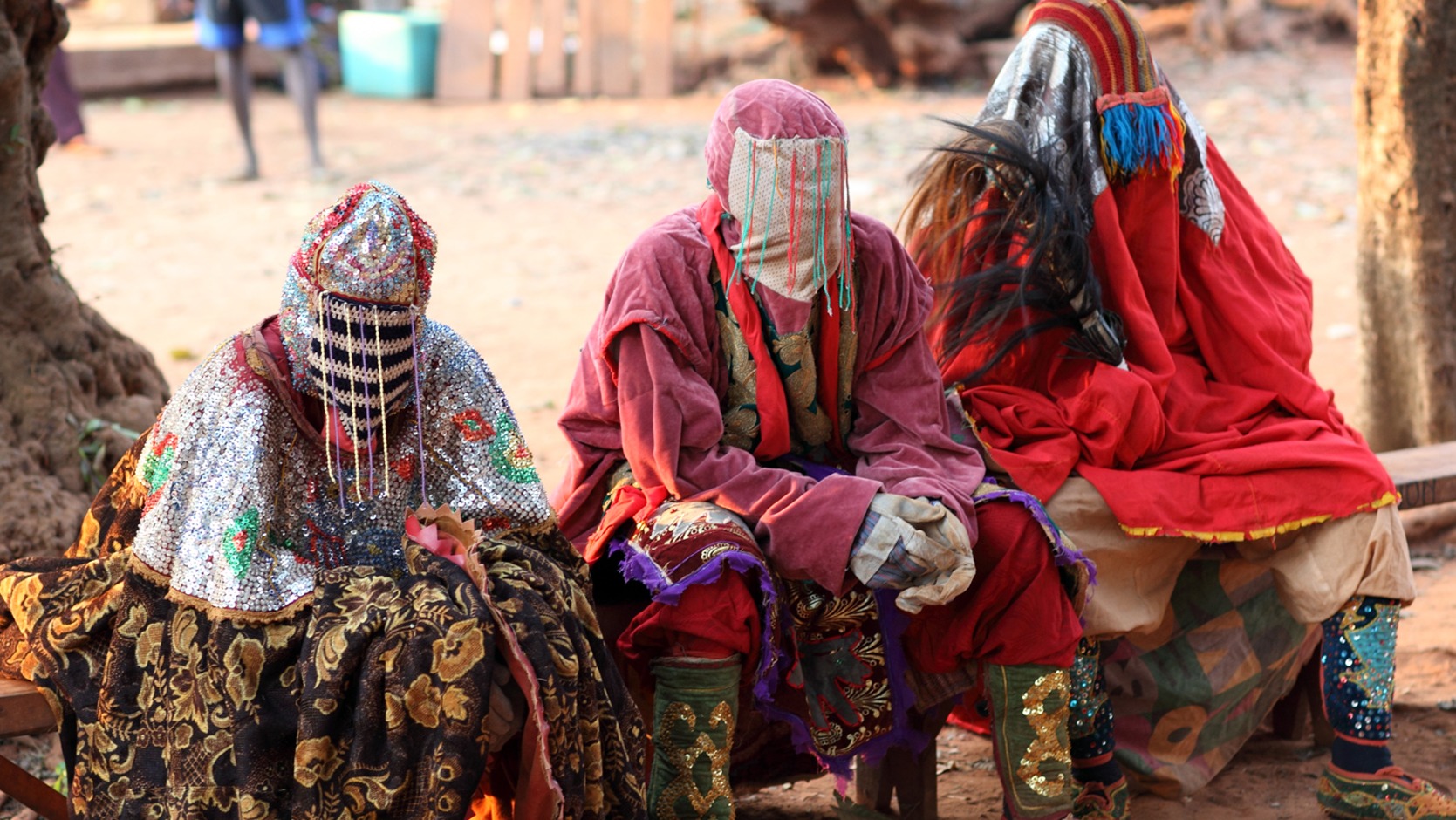
Similar traditions exist among the Yoruba of Nigeria and Benin, where Egungun masquerades honour departed ancestors. The costumes, often constructed from layered fabrics that swirl dramatically during dance, allow performers to channel ancestral energy for blessing or admonition. These ceremonies typically take place between December and February, aligning with agricultural cycles and family gatherings.
Marketplaces as Living Cultural Hubs
West African markets transcend mere commerce to become theatres of social exchange, information sharing, and cultural transmission. The vast Grand Marché in Lomé, Togo, or Dakar’s Sandaga Market pulse with life from dawn until well after sunset, their narrow alleys filled with the scents of spices, the vibrant colours of fresh produce, and the constant hum of negotiation and conversation.
These spaces offer travellers some of the most authentic insights into daily life and cultural importance in western Africa. A morning spent browsing stalls laden with shea butter, colourful beads, and medicinal herbs reveals the practical applications of traditional knowledge systems. Knowledgeable vendors often share stories about the origins and uses of their wares, transforming a simple purchase into a cultural exchange.
In Ghana, the Kejetia Market in Kumasi sprawls across several hectares, housing over 10,000 traders. Here, one can observe master weavers creating adinkra cloth stamped with symbols that convey complex philosophical concepts. Each motif, from the Sankofa bird looking backwards while moving forward to the Gye Nyame symbol of supreme being, encapsulates core Akan values that continue to guide contemporary life.
Markets are where culture breathes most freely, where ancient recipes are exchanged alongside modern aspirations, and where the pulse of community life can be felt in its most unfiltered form.
Culinary Traditions That Bind Communities Together
Food in West Africa serves as both sustenance and sacrament, with dishes carrying layers of historical, spiritual, and social significance. The preparation and sharing of meals often follows precise protocols that reinforce family bonds and community cohesion. Learning about these culinary customs provides another fascinating window into moments of culture in West Africa.
Jollof rice, with its distinctive red hue from tomatoes and spices, sparks friendly debates across the region about which country produces the authentic version. In Senegal, the related thiéboudienne features fish, rice, and vegetables cooked together in a rich tomato sauce, traditionally eaten from a large communal bowl using the right hand. This shared dining practice embodies values of togetherness that define many aspects of cultural importance in western Africa.
Street food vendors offer another delicious entry point. In Nigeria, the aroma of sizzling suya, spicy grilled meat served with onions and pepper sauce, fills evening air across Lagos and beyond. These informal eateries serve as social equalisers where professionals and labourers gather to enjoy the same flavours while exchanging news and opinions.
What Are the Most Respectful Ways to Engage with West African Cultural Traditions?
Respectful engagement begins with genuine curiosity tempered by humility. Always seek permission before photographing people or sacred objects, and consider how your presence might affect ongoing ceremonies. Many communities welcome visitors who demonstrate willingness to learn rather than simply observe from a distance.
Working with established local guides and tour operators ensures that your visit supports community initiatives while providing essential cultural context. These knowledgeable hosts can explain appropriate behaviour, translate conversations, and facilitate meaningful interactions that might otherwise remain inaccessible. They also understand which festivals welcome visitors and which are reserved for community members only.
Consider learning a few basic greetings in local languages before arrival. Even simple phrases like “Bonjour” in French-speaking countries or “How are you?” in English-speaking regions signal respect and often open doors to warmer interactions. Supporting local artisans by purchasing directly from makers rather than intermediaries helps sustain traditional crafts and the families who depend on them.
Finally, approach each experience with openness to having your assumptions challenged. What might appear chaotic to an outsider often reveals sophisticated systems of organisation when viewed through local eyes. The seemingly spontaneous celebrations frequently follow patterns established over generations, each element carrying significance that reveals itself gradually to the patient observer.

Contemporary Expressions and Cultural Preservation
While deeply rooted in tradition, cultural importance in western Africa finds vibrant expression in contemporary forms. From the Afrobeats dominating global charts to the fashion scenes reinterpreting traditional textiles for modern wardrobes, creativity flourishes across the region. Young artists, musicians, and filmmakers draw on ancestral knowledge to address current realities, ensuring that heritage remains relevant for new generations.
In Dakar, the vibrant hip-hop scene has become a powerful vehicle for social commentary, with artists like Baaba Maal blending traditional instruments with contemporary beats. Similarly, Nollywood, Nigeria’s prolific film industry, produces over 1,000 movies annually, many incorporating traditional beliefs and moral frameworks into modern storylines that resonate across the continent and beyond.
Efforts to preserve and promote these traditions gain momentum through cultural centres and festivals that receive both governmental and international support. The biennial Dak’Art contemporary art exhibition, established in 1992, has become one of Africa’s most important platforms for visual artists, many of whom incorporate traditional techniques and themes into their work.
Planning Your Cultural Journey Through Western Africa
Creating a meaningful itinerary that captures moments of culture in West Africa requires thoughtful planning and flexibility. The ideal time to visit varies by country but generally falls during the cooler, drier months from November to February, when many festivals take place and travel conditions are more comfortable. However, each destination offers unique seasonal highlights worth considering.
Countries like Senegal and Ghana provide excellent starting points for first-time cultural explorers, with well-developed tourism infrastructure and English widely spoken in Ghana. More adventurous travellers might venture into Burkina Faso or Togo, where fewer visitors mean more intimate encounters with local communities. Regardless of your route, building in sufficient time to linger rather than rush between destinations allows deeper appreciation of the nuances that define cultural importance in western Africa.
Consider combining cultural experiences with visits to conservation areas where community-based tourism initiatives support both wildlife protection and cultural preservation. Several projects in Benin and Ghana demonstrate how responsible travel can contribute positively to local economies while fostering greater understanding between visitors and host communities.
For those seeking to explore beyond the well-trodden paths, our related article on authentic cultural experiences in Southern Africa offers interesting parallels and contrasts worth exploring. Similarly, readers interested in community-based conservation might find value in our piece examining community conservation success stories across Africa.
True cultural encounters cannot be scheduled into rigid timetables; they emerge when we slow down sufficiently to listen, observe, and participate with open hearts and minds.
Conclusion
The living traditions of West Africa continue to evolve while maintaining their essential power to connect people with their history, environment, and each other. These moments of culture in West Africa offer far more than colourful spectacles for visitors; they provide frameworks for understanding different ways of being in the world that can enrich our own perspectives long after returning home.
Whether witnessing a master weaver create adinkra symbols in Ghana, listening to a Malian griot recount centuries of history, or sharing a communal meal in a Senegalese courtyard, each experience deepens appreciation for the remarkable cultural importance in western Africa. These encounters remind us that culture is not preserved in museums but lives through the daily practices, creative expressions, and communal bonds of its people.
For discerning travellers seeking a private safari or cultural journey beyond our set itineraries, we invite you to contact us directly. We specialise in designing exceptional, tailor-made journeys for individuals, couples, families, and private groups of up to eight guests. Drawing on our handpicked network of distinguished camps and lodges, we curate every detail with precision and care, creating a seamless, deeply personal safari experience shaped entirely around your preferences, pace, and budget.
Begin your exploration by visiting our enquiry form to start a conversation about creating your own meaningful encounter with the living traditions of Western Africa or other extraordinary African destinations.
More like this

Culture
Inside the Rhythms of Zimbabwean Culture and People

Culture
Kenya's Sacred Calendars: How Communities Mark Seasons Through Ritual
Culture
Moments of Culture in Africa: How Daily Traditions Shape Identity Across Nations
culture
Post-Genocide Revival: Rwanda's Intangible Heritage Takes Shape

Culture
Practical Steps for Tourists to Respect Local Customs During Wildlife Encounters

Culture