Wildlife
Reading Kenya's Savannah: Proven Field Signs That Reveal Nearby Wildlife
Encounters Africa - 8 min read
Updated on 24 July 2026
Reading Kenya's savannah through its field signs transforms every game drive into a detective story where the landscape itself whispers the location of its wild inhabitants. In Kenya, experienced guides interpret subtle cues such as fresh pugmarks, distant dust plumes, and sudden bird movements to locate lions, leopards, and elephants with remarkable consistency across reserves like the Masai Mara and Laikipia. This approach moves beyond chance encounters, turning travellers into active participants who read the bush with informed eyes.
The best time to visit Kenya for observing these signs is during the dry seasons from June to October and January to March, when animals concentrate around water sources and vegetation thins to reveal tracks more clearly. A factual summary: seasoned trackers in Kenya's premier wildlife areas can identify over 25 distinct animal signs within a single morning drive, dramatically increasing sighting success rates from the typical 40 percent of random searching to nearly 85 percent with practised observation.
Understanding the Language of Tracks and Trails
Every footprint tells a story written in the red earth of Kenya's savannah. The rounded, plate-sized impressions of an elephant differ markedly from the neat, four-toed prints of a lion, while the heart-shaped marks of a giraffe reveal direction of travel through the depth of the front edge. Guides at camps such as Loisaba Tented Camp teach guests to note not just the shape but also the freshness indicated by crisp edges versus wind-blown blurring.
Trackways often appear in predictable patterns. A line of zebra prints heading toward a thicket at dawn usually signals movement to shade, while multiple overlapping hyena trails near a dry riverbed suggest a den site nearby. These patterns become especially valuable in areas like Laikipia, where conservancies maintain lower vehicle densities allowing signs to remain undisturbed longer.
The bush keeps a diary that only the attentive can read. A single paw print at the edge of a waterhole can reveal not only which predator passed but how recently and in what company.
Distinguishing Predator from Prey Prints
Lion tracks show four toes with visible claw marks only on the front feet, while leopard prints appear more compact with the rear toes set wider. Cheetah prints, by contrast, display distinctive ridges on the pads that help with high-speed traction. Learning these differences allows travellers to anticipate whether the animal ahead is likely resting in nearby shade or actively hunting.

How Dust and Vegetation Reveal Hidden Movement
A sudden swirl of dust on the horizon often signals a herd on the move long before binoculars confirm the species. In the Masai Mara, these clouds rise most noticeably during the dry months when thousands of wildebeest and zebra stir the parched grasslands. Guides interpret the height and density of dust to estimate both group size and speed.
Broken branches at specific heights offer further clues. A fresh acacia twig snapped at two metres usually indicates a passing giraffe, while flattened grass in a circular pattern suggests a lion or leopard has recently used the spot as a lookout. These visual markers become particularly useful around midday when animals seek cover and direct sightings grow scarce.
Vegetation also betrays recent passage through colour changes. The pale undersides of leaves turned upward after an elephant has passed create a distinct flash of silver visible from several hundred metres. Similarly, freshly bent grass stems that have not yet sprung upright point to animals that passed within the previous hour.
In Kenya's vast landscapes, the absence of sound can prove as revealing as its presence. When the usual chatter of birds falls silent, something larger and potentially dangerous has entered their domain.
Bird Activity as a Reliable Wildlife Compass
Vultures circling in a tight spiral almost invariably indicate a fresh kill or carcass below. In Masai Mara National Reserve, the distinctive white-backed and lappet-faced species often gather in groups exceeding twenty individuals within minutes of a lion making a kill. Their descent patterns help distinguish between active predators and mere scavengers.
Oxpeckers clinging to buffalo or giraffe create visible movement against larger bodies, while alarm calls from go-away birds or starlings frequently announce the approach of a predator. Learning to differentiate between these calls allows travellers to pivot their attention before the animal emerges from cover.
Reading Alarm Calls and Flight Patterns
A sudden explosion of guinea fowl running rather than flying usually signals a nearby leopard, whereas impala snorting and stamping their feet often precedes the appearance of a lion pride. These auditory cues travel surprising distances across open savannah, giving attentive observers time to position vehicles advantageously.
Interpreting Scat, Scent and Other Indirect Signs
Animal droppings provide precise information about diet, health and timing. Fresh elephant dung still steaming in the morning sun confirms the herd passed recently, while the presence of undigested seeds can indicate which fruiting trees to watch. Lion scat, by comparison, appears as neat segments often containing visible hair from recent prey.
Scent markers add another dimension to reading the landscape. The musky odour of a male leopard's spray on a tree trunk lingers for hours, while the ammonia-rich smell of a cheetah's territorial marking dissipates more quickly. Professional guides combine these olfactory clues with visual signs to build a comprehensive picture of recent activity.
Recognising Rubbing Posts and Territorial Marks
Trees with smoothed bark at shoulder height often serve as rubbing posts for buffalo or rhino, while claw marks on trunks at different heights reveal which cats frequent the area. In Laikipia, these arboreal signposts help track the movements of the conservancy's important carnivore populations.
Common Questions About Spotting Wildlife Through Signs in Kenya
What is the most reliable field sign for locating big cats in Kenya? Fresh tracks combined with listening for alarm calls from prey species offers the highest success rate. Experienced guides report that following clear lion or leopard prints toward thick cover at first light yields sightings on approximately seven out of ten occasions during the dry season.
How quickly can signs disappear in the Kenyan bush? Soft soil after rain can preserve tracks for up to 48 hours, while strong winds in arid regions may erase lighter prints within four hours. This is why morning drives prove most productive for reading fresh evidence.
Can visitors learn to read these signs without years of training? Absolutely. Most luxury safari camps in Kenya include tracking lessons as part of their daily programme, allowing guests to recognise basic signs within a few days of guided practice.

The Role of Local Knowledge and Community Guides
Kenya's conservancies increasingly involve local communities in guiding, bringing generational knowledge of specific landscapes that complements scientific tracking methods. In the Mara North Conservancy, Maasai scouts combine traditional skills with modern conservation training to offer unparalleled insight into animal movements.
These partnerships not only improve wildlife sightings but support community livelihoods, creating positive incentives for protecting habitats. Travellers who engage with these community-led experiences often report deeper appreciation for the interconnectedness of Kenya's human and wildlife populations.
Learning from those who have grown up reading the same patch of bush transforms a simple game drive into a cultural exchange rich with stories and observations passed through generations.
Putting Knowledge into Practice on Your Kenyan Safari
Effective wildlife spotting through signs requires patience, silence, and willingness to let the landscape reveal its secrets gradually. Begin each drive by scanning the horizon for unusual movement or dust, then narrow focus to the immediate area for tracks and broken vegetation. Combining these observations with listening for changes in bird calls creates a multi-layered approach that rarely disappoints.
Remember that the goal extends beyond simply finding animals. Understanding the stories written in tracks and signs fosters genuine connection with the ecosystem and appreciation for the intricate relationships that sustain Kenya's remarkable biodiversity. This knowledge enriches every moment spent in the bush.
For discerning travellers seeking a private safari beyond our set itineraries, we invite you to contact us directly. We specialise in designing exceptional, tailor-made journeys for individuals, couples, families, and private groups of up to eight guests. Drawing on our handpicked network of distinguished camps and lodges, we curate every detail with precision and care, creating a seamless, deeply personal safari experience shaped entirely around your preferences, pace, and budget.
Encounters Africa offers carefully crafted Kenya safari itineraries that incorporate tracking tuition with expert naturalist guides. Whether exploring the acacia-dotted plains of Amboseli National Park or the golden grasslands of the Masai Mara, our team ensures every journey deepens understanding of the wild places we visit.
More like this
wildlife
Rwanda’s Forest Canopy and Chimpanzee Troops: What to Expect at Nyungwe
wildlife
Sabi Sand Wildlife Planner: Key Species, Habitats, and Dry-Season Patterns
wildlife
South Africa Wildlife Planner: Reserves, Behaviors, and Optimal Months
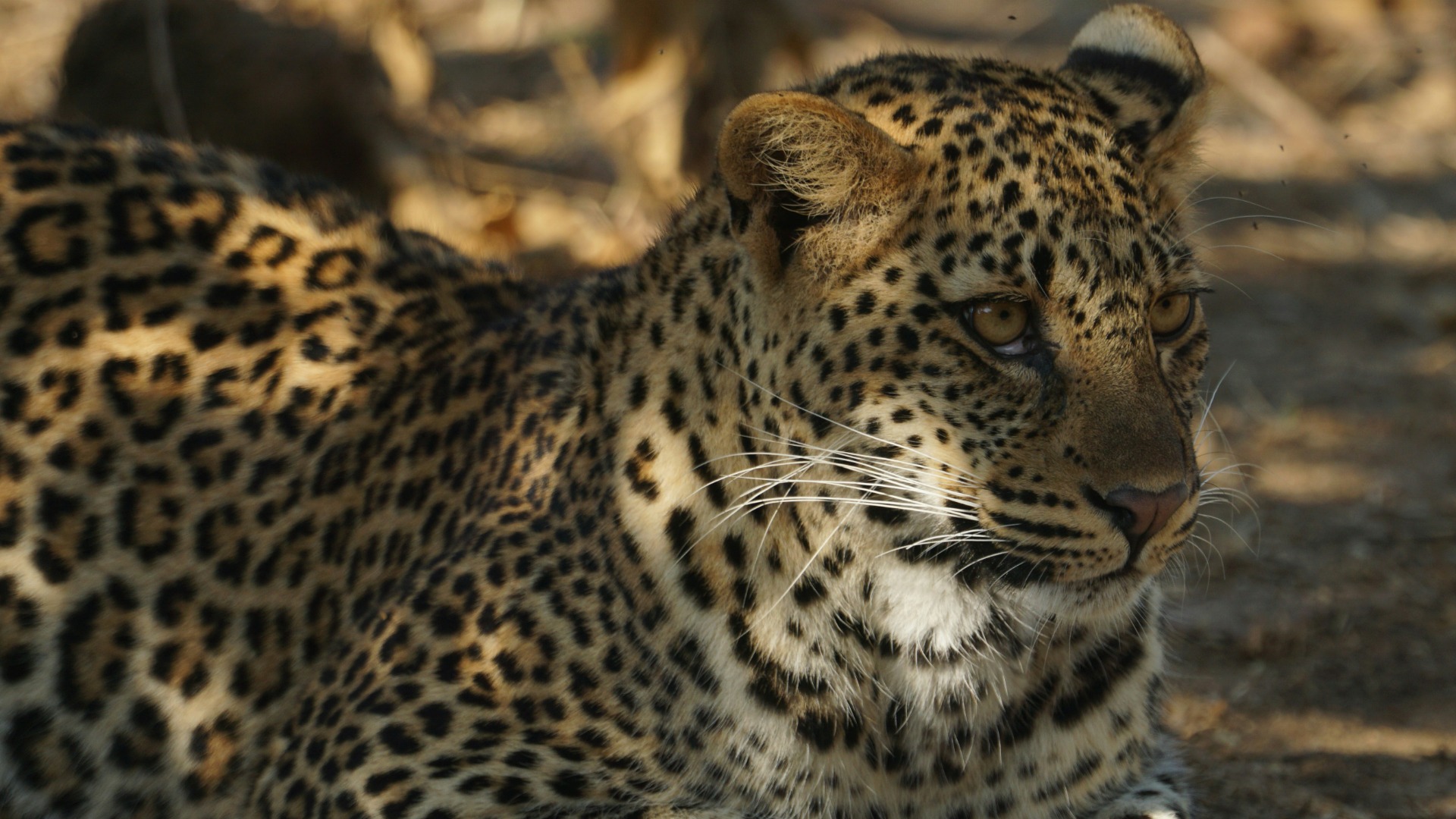
Wildlife
Spotting Africa's Nighttime Hunters: A Practical Guide to Night Safaris
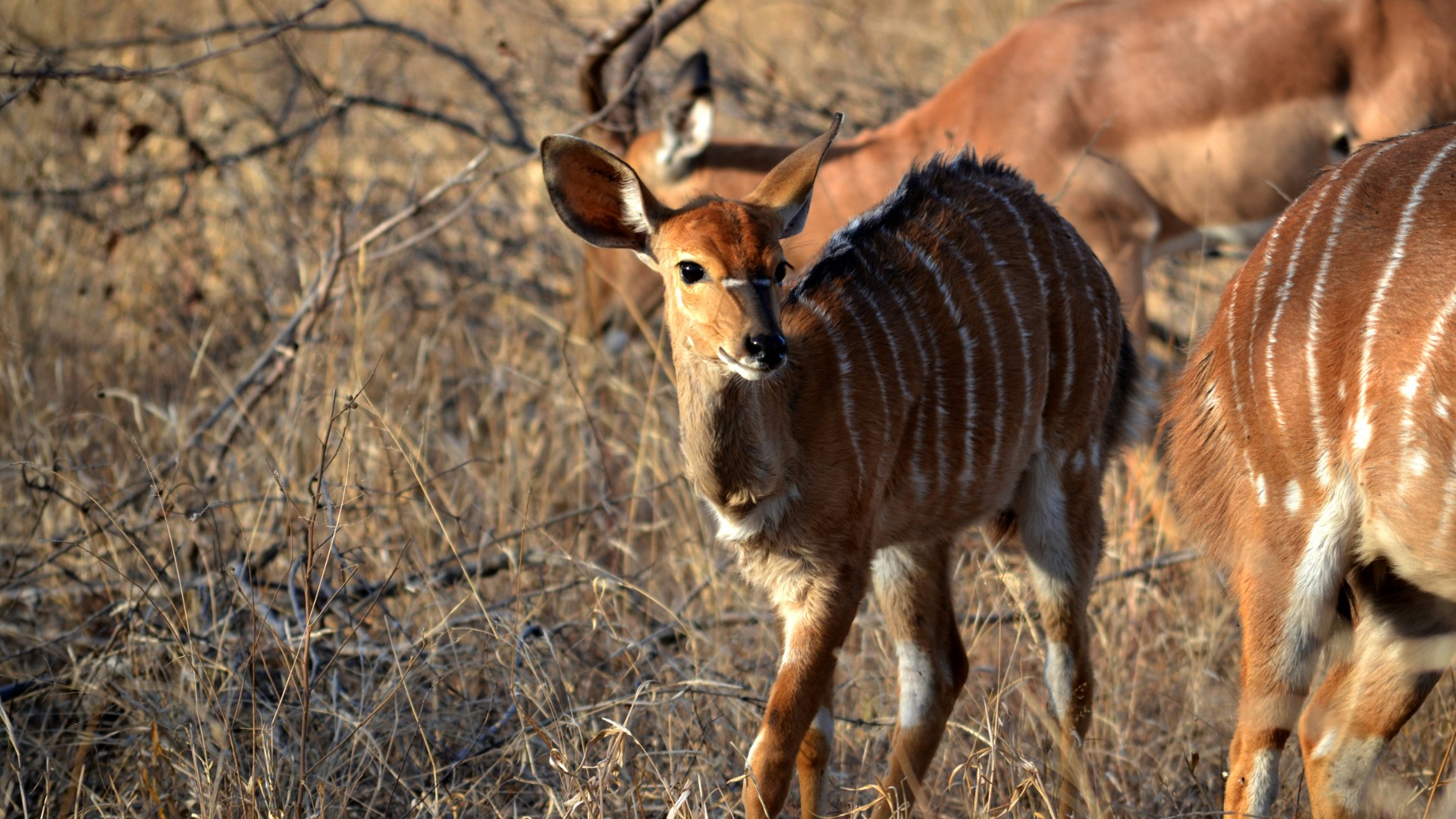
wildlife
Spotting Nyala in KwaZulu-Natal: Field Techniques for Identifying This Elusive Antelope
Wildlife