wildlife
Rwanda’s Forest Canopy and Chimpanzee Troops: What to Expect at Nyungwe
Encounters Africa - 8 min read
Updated on 27 August 2026
Rwanda’s Forest Canopy and Chimpanzee Troops: What to Expect at Nyungwe delivers experiences that linger long after the Virunga volcanoes fade from view. In the south-west, the montane forest of Nyungwe National Park shelters troops of chimpanzees whose calls echo through the mist, while a 70-metre canopy walk offers eye-level encounters with acrobatic colobus monkeys and a kaleidoscope of forest birds. Further east, Akagera’s acacia-dotted plains have been quietly restored over decades, returning lion, elephant, buffalo, leopard and black rhino to landscapes once emptied by conflict.
This layered journey reveals a side of Rwanda that extends far beyond gorilla trekking. The best time to visit Nyungwe is during the drier months from June to September or December to February, when forest trails are firmer and chimpanzee sightings more reliable. Akagera rewards travellers from June to October when game concentrates near water sources. Encounters Africa is part of the Secret Namibia group and is the specialist arm for safaris beyond Namibia, covering South Africa, Botswana, Kenya, Tanzania, Rwanda, Uganda, Zambia and Zimbabwe.

Arriving in Nyungwe’s Misty Montane Forest
The transition from the cultivated hills around Butare to the dense woodland of Nyungwe feels abrupt. One moment the road winds past tea plantations glowing emerald in the morning light; the next, thick forest presses against the verges, alive with the metallic calls of turacos and the occasional whoop of a chimpanzee. At roughly 1,000 square kilometres, Nyungwe ranks among Africa’s oldest forests, its canopy unbroken for more than 10,000 years.
Most travellers fly into Kigali and drive south-west in around four hours, though light aircraft charters can reduce the journey to under an hour. The air grows cooler and damper as altitude increases, carrying the rich scent of damp earth and decaying leaves. Accommodation here ranges from comfortable community-run lodges to intimate forest-edge camps where the night chorus of frogs and insects replaces the usual savannah sounds.
The forest does not reveal its secrets easily, yet those who move quietly through its shadows are rewarded with moments of startling intimacy.
Chimpanzee Tracking in Nyungwe National Park
Chimpanzee tracking begins well before dawn. Guests gather with their guide and armed ranger as first light filters through the canopy, then set off along narrow trails that climb and descend steeply. Permits cost US$1,500 per person, with only eight visitors allowed per habituated troop each day. The search can last between one and six hours depending on where the chimpanzees spent the night.
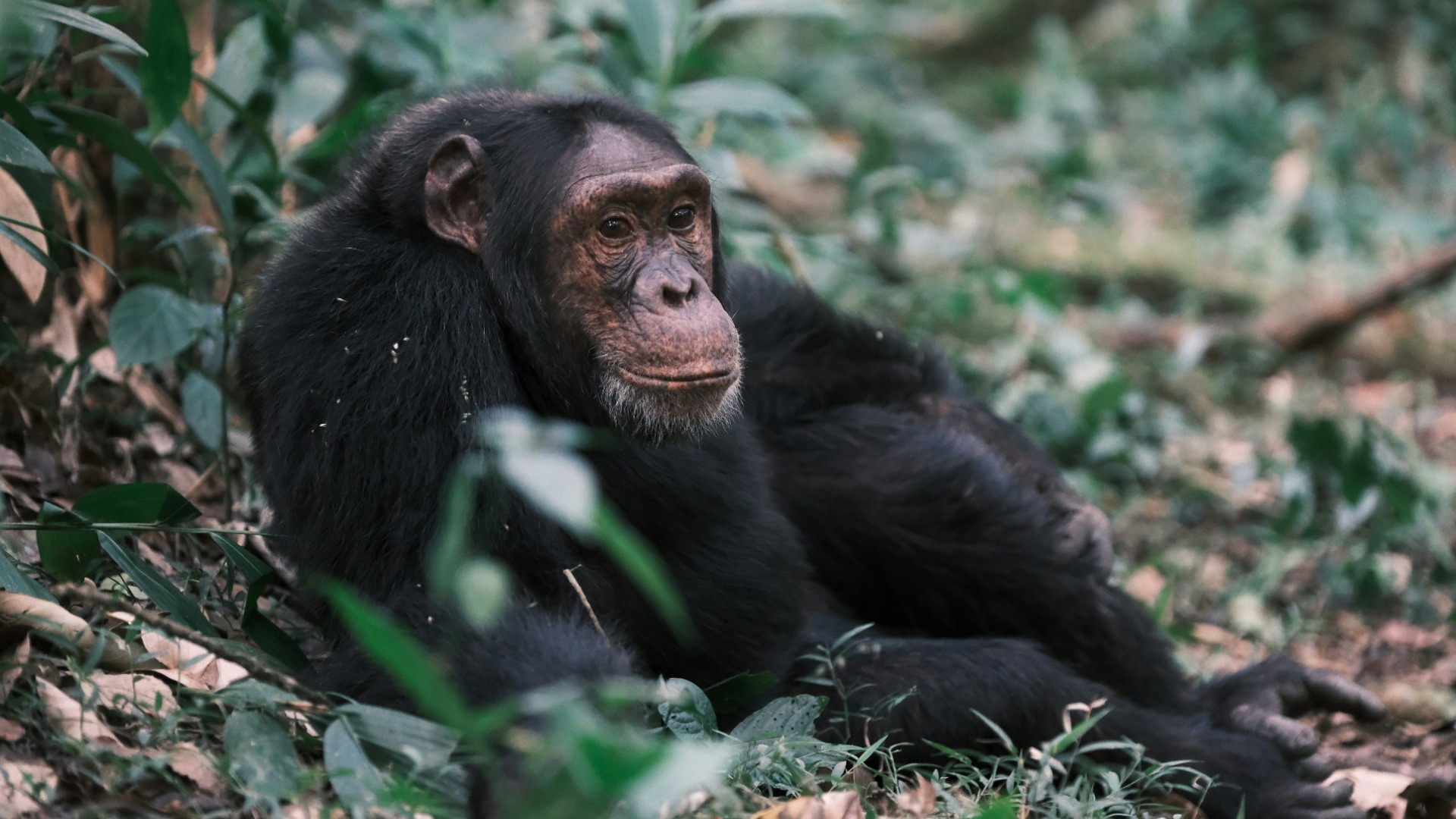
When contact is made, the experience is utterly different from gorilla trekking. Chimps move constantly, swinging through the trees or foraging on the forest floor with surprising speed. Their vocalisations bounce between valleys, making it feel as though the entire troop surrounds you. At close range their intelligence is palpable; a momentary gaze from a mature male can leave travellers speechless.
Success rates hover around 70 to 80 percent in the dry seasons, though weather and troop movement introduce natural variability. Guides share fascinating insights into chimpanzee social structure, tool use, and the delicate balance between rival communities. The physical demands are significant; sturdy boots and trekking poles prove essential on the slick, root-strewn paths.
Preparation and What to Bring
Pack lightweight rain gear even in the dry season, as sudden showers are common. Long sleeves and trousers protect against nettles and biting insects, while binoculars help track individuals high in the canopy. A good fitness level is recommended, though operators can adjust pace for different abilities.
The Canopy Walk: Suspended Above the Trees
After tracking, the 70-metre canopy walkway provides a gentler yet equally memorable perspective. Suspended between giant trees at heights reaching 60 metres above the forest floor, the steel-and-wood structure sways gently with each step. From this vantage the scale of Nyungwe becomes apparent, an undulating sea of green stretching to distant hills.
Here travellers often spot groups of Angolan colobus with their dramatic black-and-white mantles, L’Hoest’s monkeys moving with liquid grace, and a host of colourful birds including the stunning Rwenzori turaco. The walk takes approximately 30 minutes at a comfortable pace, though many linger to absorb the sheer vertical drama of the forest interior.
Standing eye-to-eye with the forest canopy changes how one sees an ecosystem; suddenly the layers of life become visible rather than merely imagined.
Can You See the Big Five in Rwanda?
Yes, you can see the Big Five in Rwanda, though not in the same location. Akagera National Park in the east is home to all five species following a highly successful reintroduction programme. Lion, elephant, buffalo, leopard and black rhino now roam its 1,200 square kilometres of savannah, wetland and acacia woodland. The park does not offer the dense concentrations found in parts of Kenya or South Africa, but the sense of discovery in this recovering landscape is profound. Nyungwe, by contrast, focuses on primates and forest birds rather than the classic savannah Big Five.
Eastward to Akagera’s Restored Savannah
The drive from Nyungwe to Akagera crosses Rwanda’s varied landscapes in roughly five to six hours, passing through Kigali where an overnight stay can break the journey. As the terrain flattens and the air warms, the dense forest gives way to open plains dotted with candelabra euphorbia and umbrella acacia. Akagera’s resurrection is one of Africa’s quiet conservation triumphs; decades of community engagement, reintroductions and anti-poaching efforts have restored wildlife numbers that were decimated during the 1990s.
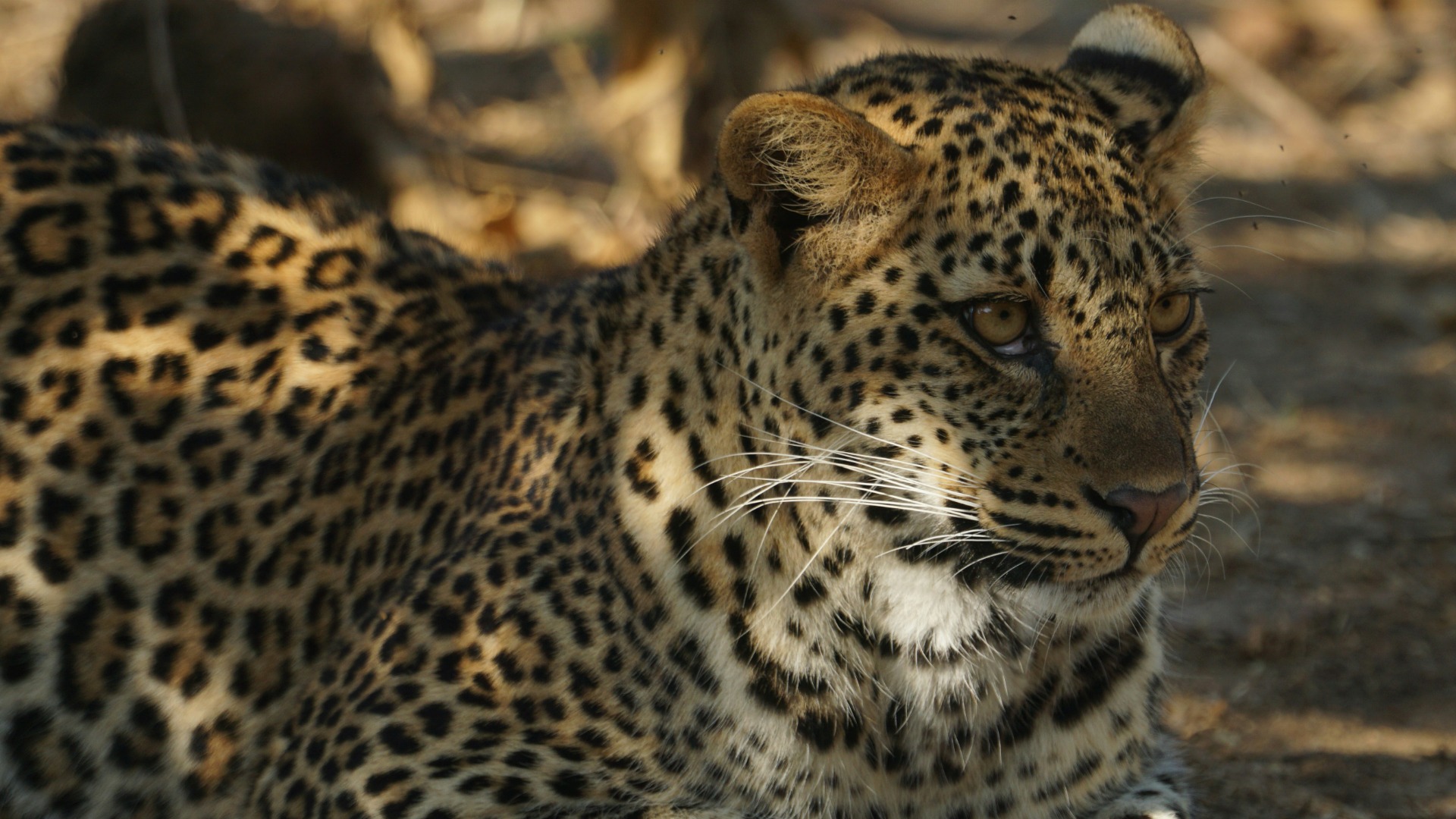
Today the park supports more than 500 elephant, a growing lion population, healthy herds of buffalo, and both black and white rhino. Leopard sightings remain a special reward for patient observers, particularly during early morning or late afternoon drives. The park’s varied habitats, from papyrus-fringed lakes to rolling grasslands, support over 500 bird species including the rare shoebill stork.
Game Drives and Boat Safaris on Lake Ihema
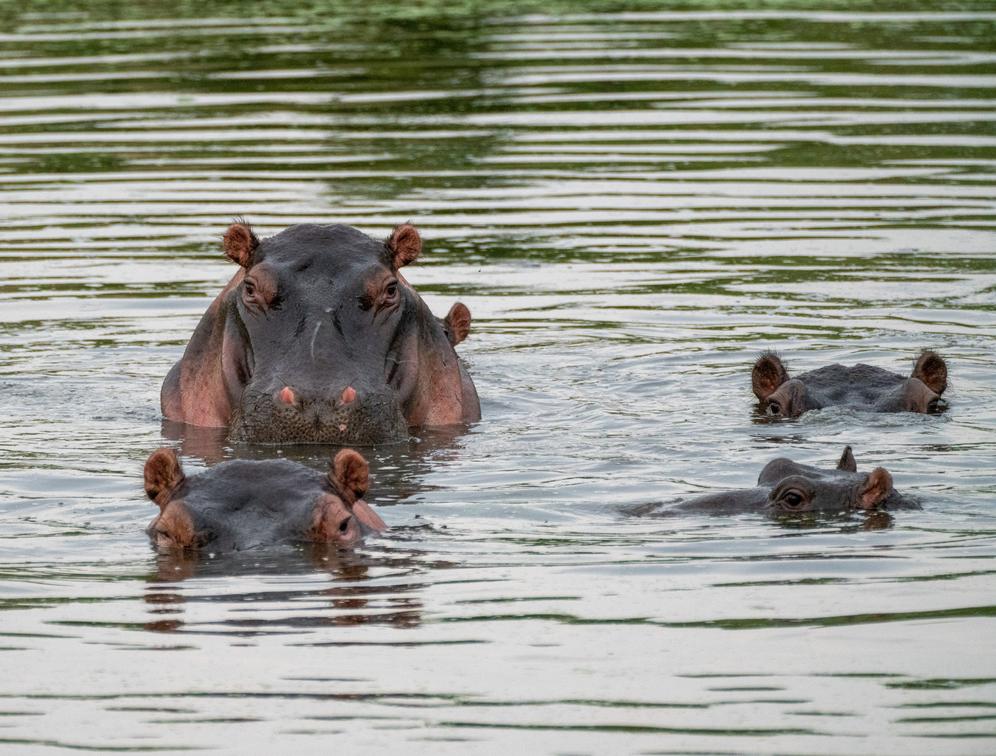
Morning and evening game drives reveal different aspects of Akagera’s character. Dawn often finds lion prides returning from nocturnal hunts, while afternoon light bathes the plains in golden hues perfect for photography. Boat safaris on Lake Ihema offer a serene counterpoint, gliding past hippo pods and crocodiles with views of grazing buffalo on the far shore.
Private vehicles arranged through premium lodges allow for flexible pacing and extended stops. Knowledgeable local guides share stories of the park’s restoration, pointing out both the charismatic megafauna and smaller residents such as side-striped jackal and various antelope species.
Akagera’s story is not simply about returning animals to a landscape; it represents a deeper healing between people and the wild spaces they share.
Combining Nyungwe and Akagera in a Tailored Itinerary
Most travellers allocate three to four nights in Nyungwe to allow for multiple chimpanzee tracking attempts and time to explore the forest on foot or by mountain bike. Three nights in Akagera then provide a balanced contrast between forest immersion and classic savannah wildlife viewing. Light aircraft transfers between the two regions reduce road time and add an extra layer of adventure.
Encounters Africa draws on three decades of combined experience to shape these journeys, working directly with handpicked camps and lodges rather than through intermediaries. Whether you seek a private vehicle in Akagera or a specialist primate guide in Nyungwe, every detail can be adjusted to match your interests and pace. Our Rwanda safari itineraries offer flexible foundations that we refine together.
Conservation Impact and Community Benefits
Revenue from tourism directly supports both parks’ protection and surrounding communities. In Nyungwe, visitor fees help maintain anti-poaching patrols and fund development projects in buffer-zone villages. Akagera’s model has returned land to local pastoralists while creating meaningful employment within the park itself. Choosing responsible operators ensures these benefits continue to flow.
Travellers often remark on the palpable sense of hope that permeates both destinations. The restoration of Akagera stands as living proof that landscapes can recover when communities, government and conservationists work in concert. Similarly, the protection of Nyungwe’s ancient forest preserves not only chimpanzees and colobus but an entire ecosystem of immense scientific value.
Planning Your Rwandan Journey Beyond the Gorillas
Rwanda offers far more than a single iconic experience. The combination of Nyungwe’s misty forests and Akagera’s reviving plains creates a journey of remarkable contrast and depth. From the haunting calls of chimpanzees echoing through ancient trees to the sight of a black rhino emerging from tall grass at dusk, these landscapes leave travellers with renewed appreciation for Africa’s diversity.
For discerning travellers seeking a private safari beyond our set itineraries, we invite you to contact us directly. We specialise in designing exceptional, tailor-made journeys for individuals, couples, families, and private groups of up to eight guests. Drawing on our handpicked network of distinguished camps and lodges, we curate every detail with precision and care, creating a seamless, deeply personal safari experience shaped entirely around your preferences, pace, and budget.
Explore our Rwanda destination guide or discover how these experiences complement a stay at Bwindi Lodge in neighbouring Uganda. To begin planning, please visit our enquiry form and allow Encounters Africa to craft an itinerary that captures the many faces of this remarkable country. For further context on multi-country journeys, read our exclusive wilderness safari example or learn more about the team at Secret Namibia’s about page.
More like this
wildlife
Sabi Sand Wildlife Planner: Key Species, Habitats, and Dry-Season Patterns
wildlife
South Africa Wildlife Planner: Reserves, Behaviors, and Optimal Months
Wildlife
Spotting Africa's Nighttime Hunters: A Practical Guide to Night Safaris
wildlife
Spotting Nyala in KwaZulu-Natal: Field Techniques for Identifying This Elusive Antelope
Wildlife
Spotting South Africa's Marine Big Five During a Single Coastal Drive
wildlife