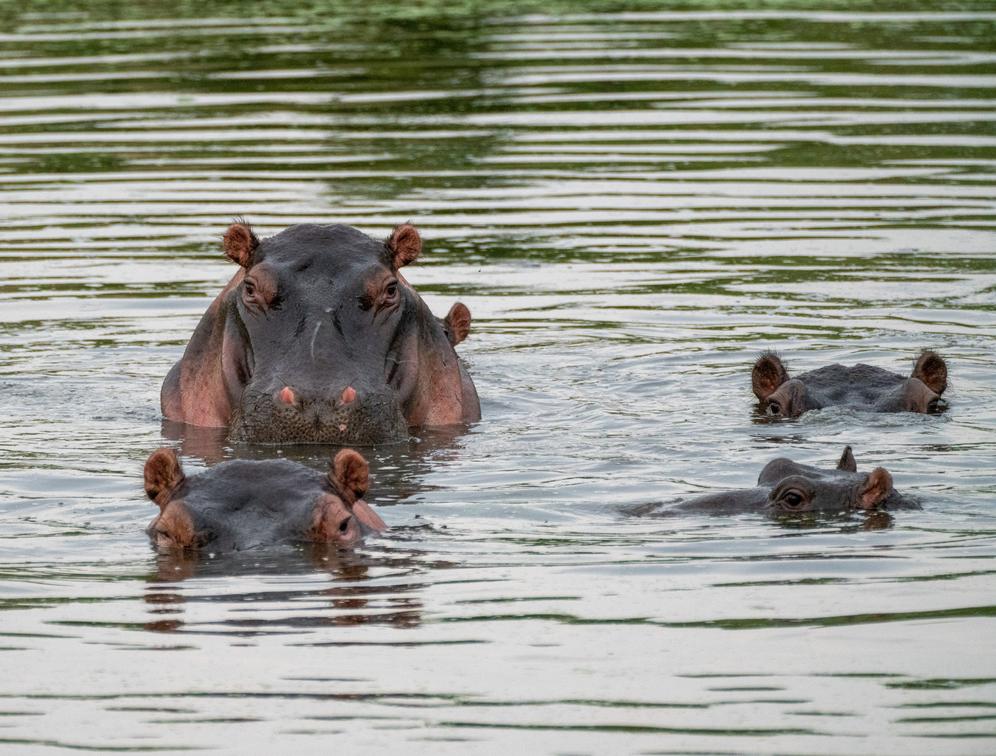
wildlife
Sabi Sand Wildlife Planner: Key Species, Habitats, and Dry-Season Patterns
Encounters Africa - 6 min read
Updated on 1 May 2026
In the heart of South Africa's South Africa, Sabi Sand Nature Reserve stands as a premier wildlife haven where the Big Five roam freely across 65,000 hectares of untamed bushveld. This private reserve, adjoining Kruger National Park, delivers unparalleled predator sightings thanks to its no-fence policy and expert guiding. Pride takeovers unfold along Sabi River sands, hyenas whoop under starlit skies, rhinos graze fever tree fringes. May-Oct dryness funnels activity to rivers for consistent views.
Travellers drawn to Sabi Sand wildlife discover a dynamic ecosystem shaped by seasonal shifts, with dry months concentrating herds and hunters at vital water sources. Black-and-white landscapes emerge as mopane leaves drop, sharpening focus on leopards draping kills from branches and elephant matriarchs leading columns to the Sand River. Encounters Africa specialists craft journeys here for those seeking intimate brushes with nature's raw theatre.
Signature Species of Sabi Sand Nature Reserve
Sabi Sand Nature Reserve wildlife boasts over 300 bird species and dense mammal populations, but its leopards steal the spotlight with densities up to one per 5 square kilometres—among Africa's highest. These solitary cats navigate thickets and riverine forests, caching impala in marula trees for nocturnal feasts. Lions follow closely, their coalitions patrolling open plains and granite koppies.
Elephants, numbering thousands, trumpet through fever tree groves, while white rhinos graze twilight meadows unhurriedly. Buffaloes form dagga-coated herds along the Sabi River, drawing prides into dramatic clashes. Cheetahs, though less common, ignite chases across short-grass arenas, their coalitions outpacing rivals.
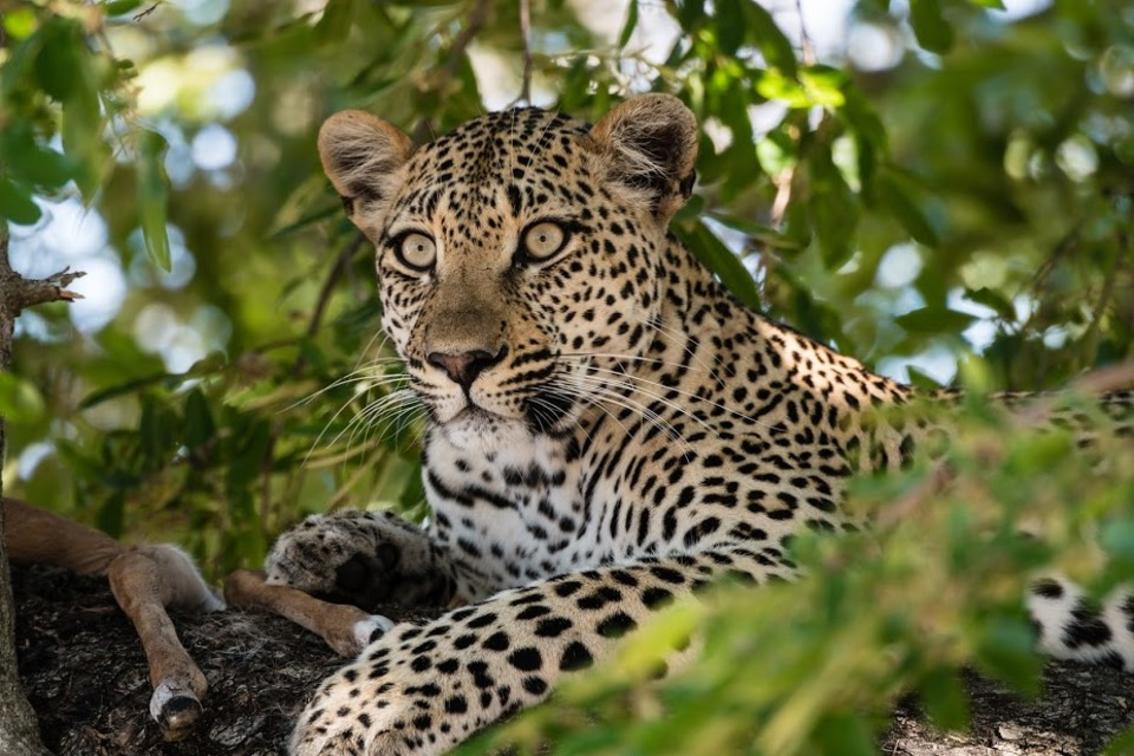
Sabi Sand's leopards claim the crown for density and drama, hauling prey skyward in a nightly ballet of survival.
Spotted hyenas scavenge and hunt in clans, their whoops echoing at dawn, while wild dogs occasionally streak through in pursuit of impala. Nile crocodiles lurk in deep pools, ambushing drinkers, completing a predator mosaic unmatched in intensity.
Diverse Habitats Shaping Sabi Sand Wildlife
Sabi Sand Nature Reserve spans varied terrains, from the perennial Sabi River's lush riparian corridors to arid mopane woodlands and acacia-studded savannahs. Riverine thickets harbour leopards and bushbuck, their shadows flickering in dappled light. Granite outcrops punctuate the landscape, offering vantage points for cheetah scans and hyena dens.
Riverine Zones: Lifelines of the Reserve
The Sabi and Sand Rivers act as arteries, fringed by fever trees whose golden canopies rustle in breezes. Here, hippos grunt in submerged pods, elephants excavate mud baths, and lions stage ambushes at crossing points. These habitats sustain life year-round, amplifying sightings during scarcity.
Vegetation layers from tall sycamores to understorey shrubs create vertical drama, where pythons coil and mongooses dart. Birdlife thrives too, with African fish eagles calling from perches.
Woodland and Open Plains Dynamics
Mopane scrublands dominate interiors, their butterfly-shaped leaves sheltering duikers and giraffes browsing high. Open grasslands host wildebeest migrations in wetter spells, priming cheetah pursuits. Termite mounds dot these flats, serving as lookout posts for vigilant sentinels.
These habitats interplay to support Sabi Sand wildlife patterns, where prey abundance dictates predator movements.
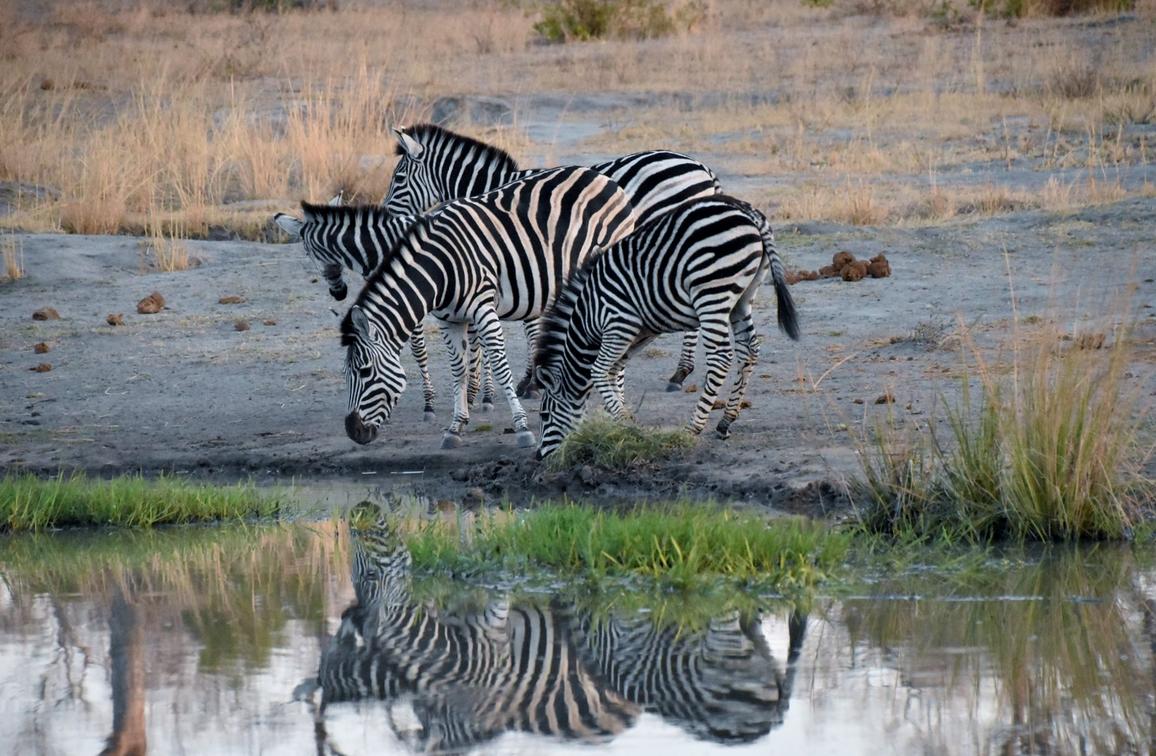
Best Time to Visit Sabi Sand for Wildlife Viewing
The optimal window for Sabi Sand Nature Reserve wildlife runs from May to October, when dry conditions—receiving under 50mm rainfall monthly—draw animals to rivers and dams. Vegetation thins, revealing grazers like impala and zebra against khaki backdrops. Night drives capture owls hooting and genets peering from branches.
July and August peak for cool mornings (10-25°C), with crisp air carrying scents of dust and dung. Leopard mothers teach cubs along tracks, while lion prides feast openly. November ushers green shoots and newborns, though sightings disperse with rains.
May to October transforms Sabi Sand into a theatre of concentrated action, rivers staging nature's most riveting scenes.
Monthly Breakdown of Viewing Peaks
May-June: Early dry season clusters buffalo at waterholes; rhinos visible on open lawns.
July-August: Prime for Big Five completeness; wild dog packs den nearby.
September-October: Intense heat funnels elephants to rivers; hyena-lion skirmishes escalate.
This timetable equips planners with precise expectations, maximising every game drive.
Predator Behaviors and Dry-Season Patterns
In Sabi Sand wildlife domains, dry seasons synchronise hunts to twilight hours, conserving energy amid 30-35°C days. Leopards peak activity from 18:00-22:00, dragging kills upward as hyenas test defences below. Lions conserve shade by day, exploding into chases at dusk when impala herds quench thirsts.
Cheetah coalitions target dawn and late afternoon, their 100km/h sprints covering 500m in open clearings. Wild dogs, elusive at 10-15 packs reserve-wide, coordinate dawn relays across 5-10km ranges. Crocodiles surface more predictably in shrinking pools, death-rolls churning shallows.
Hyena Clans and Scavenger Strategies
Spotted hyenas, boasting clans of 20-80, whoop to rally for lion-turfed carcasses, their bone-crushing jaws dominating 70% of scavenged meals. Dry months heighten clashes, whoops piercing nights like alarms. Females lead hierarchies, birthing in hidden dens.
These patterns reveal Sabi Sand Nature Reserve wildlife as a chessboard of survival, dryness dictating every move.
Iconic Encounters: What to Expect on Game Drives
Morning drives depart at 05:30, traversing dew-kissed tracks where rhino dung smokes fresh. Guides decode spoors—lion prints veering to buffalo trails—positioning vehicles for ambush views. Midday siestas yield to bush walks, ears tuned to francolin alarms signalling leopard proximity.
Evening sessions ignite with spotlights sweeping for civets and bushbabies, rivers aglow with hippo yawns. Off-road allowances bring you within 10m of grazing rhinos, hearts pounding to their grunts. Eighty percent of visitors log all Big Five within three days, per lodge records.
Spot fever tree silhouettes hiding leopard kills at dusk.
Witness elephant processions filing single-file to Sand River bends.
Hear hyena whoops crescendoing into pride-hyen clashes.
Sabi Sand wildlife delivers these unscripted narratives daily.
Planning Your Sabi Sand Wildlife Journey
Sabi Sand Nature Reserve wildlife beckons with reliable drama, its dry-season rhythms ensuring front-row seats to Africa's finest. From leopard lineages in riverine veils to hyena symphonies under Milky Way vaults, every vista pulses with purpose. Pair with a South Africa safari itinerary for seamless immersion.
For discerning travellers seeking a private safari beyond our set itineraries, we invite you to contact us directly. We specialise in designing exceptional, tailor-made journeys for individuals, couples, families, and private groups of up to eight guests. Drawing on our handpicked network of distinguished camps and lodges, we curate every detail with precision and care, creating a seamless, deeply personal safari experience shaped entirely around your preferences, pace, and budget.
Ready to trace Sabi Sand's wild pulse? Reach out to Encounters Africa today to craft your bespoke adventure amid these timeless predator realms.
More like this
wildlife
South Africa Wildlife Planner: Reserves, Behaviors, and Optimal Months
Wildlife
Spotting Africa's Nighttime Hunters: A Practical Guide to Night Safaris
wildlife
Spotting Nyala in KwaZulu-Natal: Field Techniques for Identifying This Elusive Antelope
Wildlife
Spotting South Africa's Marine Big Five During a Single Coastal Drive
wildlife
Spotting Tanzania's Big Five: Practical Guide to Serengeti and Ngorongoro
Wildlife