wildlife
South Africa Wildlife Planner: Reserves, Behaviors, and Optimal Months
Encounters Africa - 4 min read
Updated on 1 May 2026
Kruger's lions patrol riverbanks, Addo rhinos graze thornveld thickets, iSimangaliso hippos yawn in estuaries. Dry winters concentrate sightings May-Sep for closer views. South Africa wildlife spans diverse reserves where behaviours like elephant matriarch-led herds and cheetah pursuits define the bushveld rhythm. This planner equips you with reserve profiles, animal patterns, and monthly optima for crafting rewarding journeys.
From the vast Kruger expanse to coastal iSimangaliso, South Africa hosts over 240 mammal species, including the Big Five. Dry season concentrations from May to September draw animals to waterholes, boosting visibility. Encounters Africa guides travellers through these patterns for intimate, informed safari experiences.
Iconic Reserves for South Africa Wildlife
South Africa's protected areas showcase unparalleled biodiversity. Addo Elephant National Park shelters the continent's densest elephant population at 600 per 1,000 km². Thornveld scrub supports black rhinos browsing acacias at dawn.
Kruger National Park, spanning 19,485 km², records 147 mammal species. Lions dominate riverine forests along the Sabie, while leopards claim rocky outcrops. These reserves form the backbone of any South Africa wildlife itinerary.
Kruger National Park edges the private Sabi Sands, where rangers track wild dog packs denning in summer. Phinda's mix of forest and thicket yields rare sightings like sunbirds flitting amid proteas.
South Africa's reserves concentrate 80% of Big Five sightings in just 5% of landmass during dry months.
Key Behaviours of Big Five in South Africa
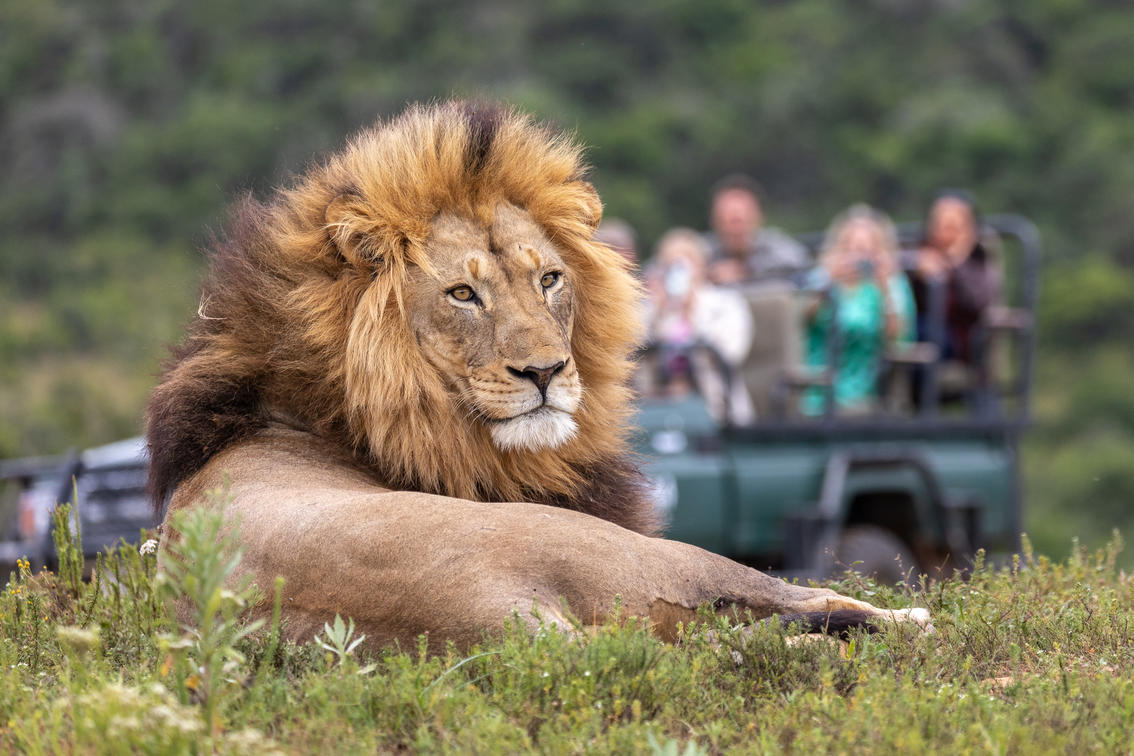
The Big Five embody South Africa wildlife drama. Lions in Kruger form prides of 15, hunting buffalo at dusk when cooling plains amplify roars. Females lead, cubs trailing in playful ambushes.
Lion and Leopard Dynamics
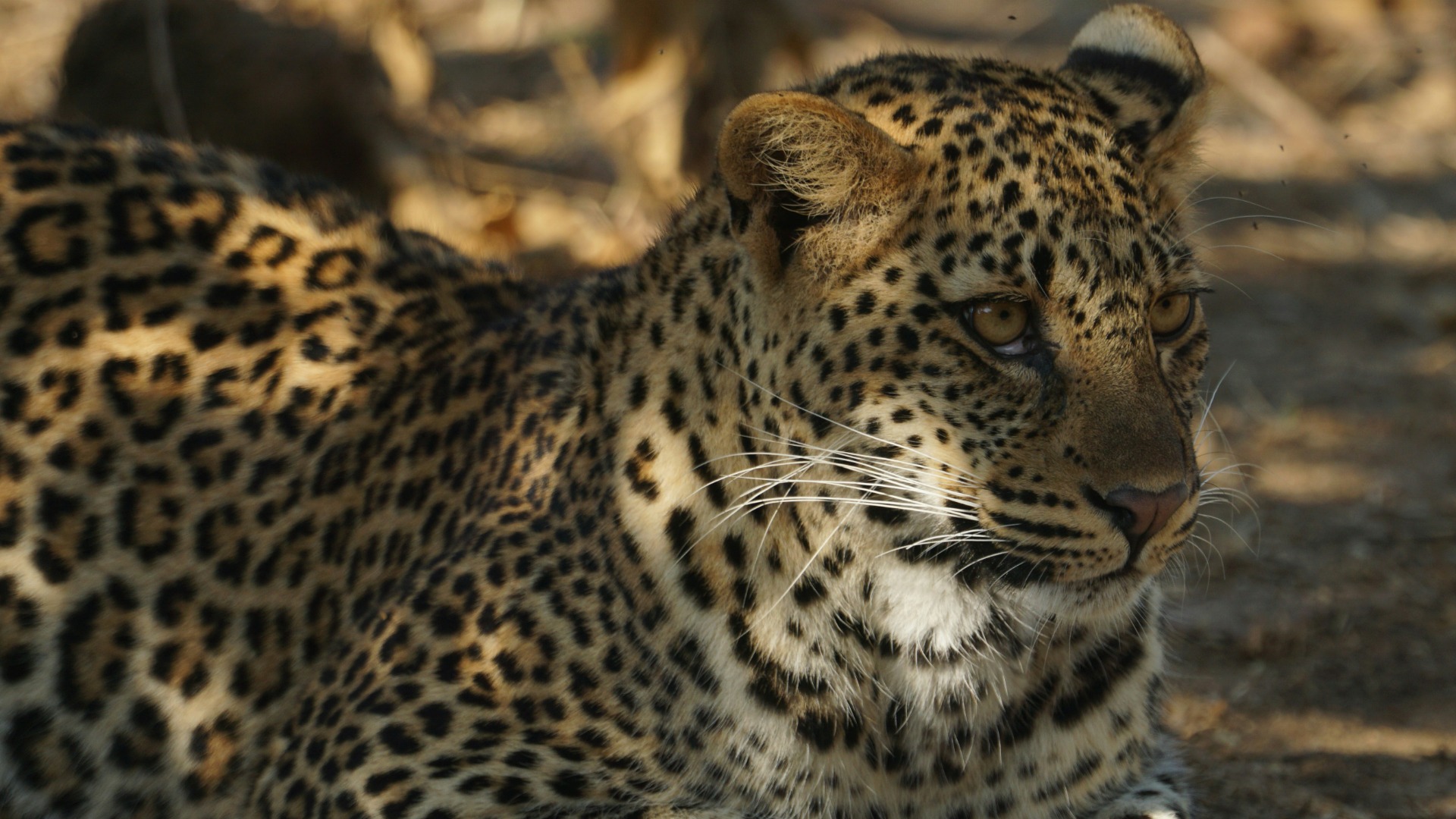
Leopards in the Waterberg hoist kills into marula trees, evading hyena scavenging. Night drives reveal their amber eyes piercing mopane shadows. These solitary cats peak activity post-rainy season.
Elephant and Rhino Patterns
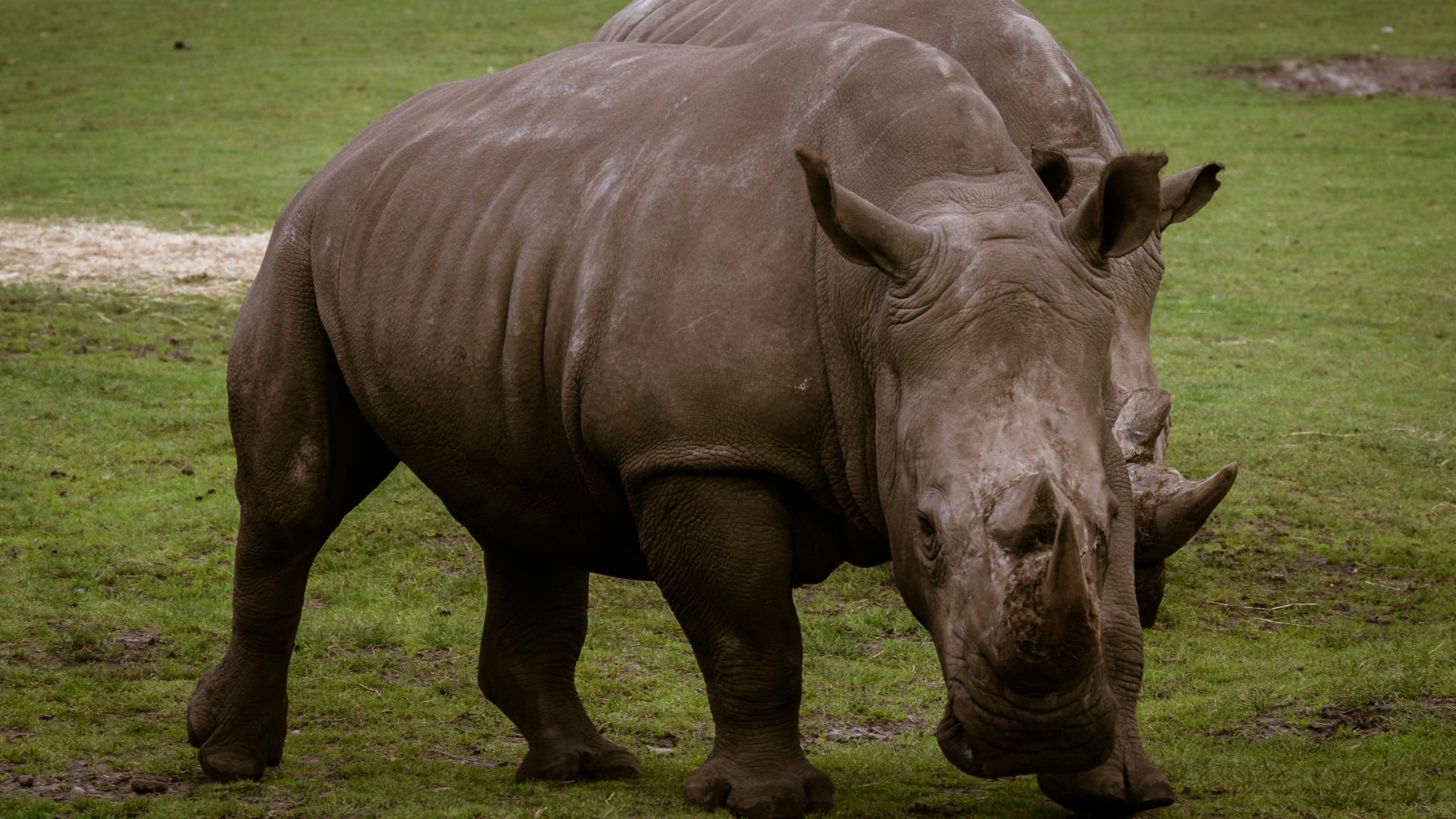
Elephant matriarchs in Addo dictate family migrations to milkwood groves, trunks probing for roots. White rhinos graze in family groups, calves mirroring mud-wallowing rituals. Black rhinos, more elusive, browse singly in thickets.
Buffalo herds in Hluhluwe-iMfolozi thunder across floodplains, calves at centre. Their defensive circles deter lion assaults, a behaviour intensifying in calving months.
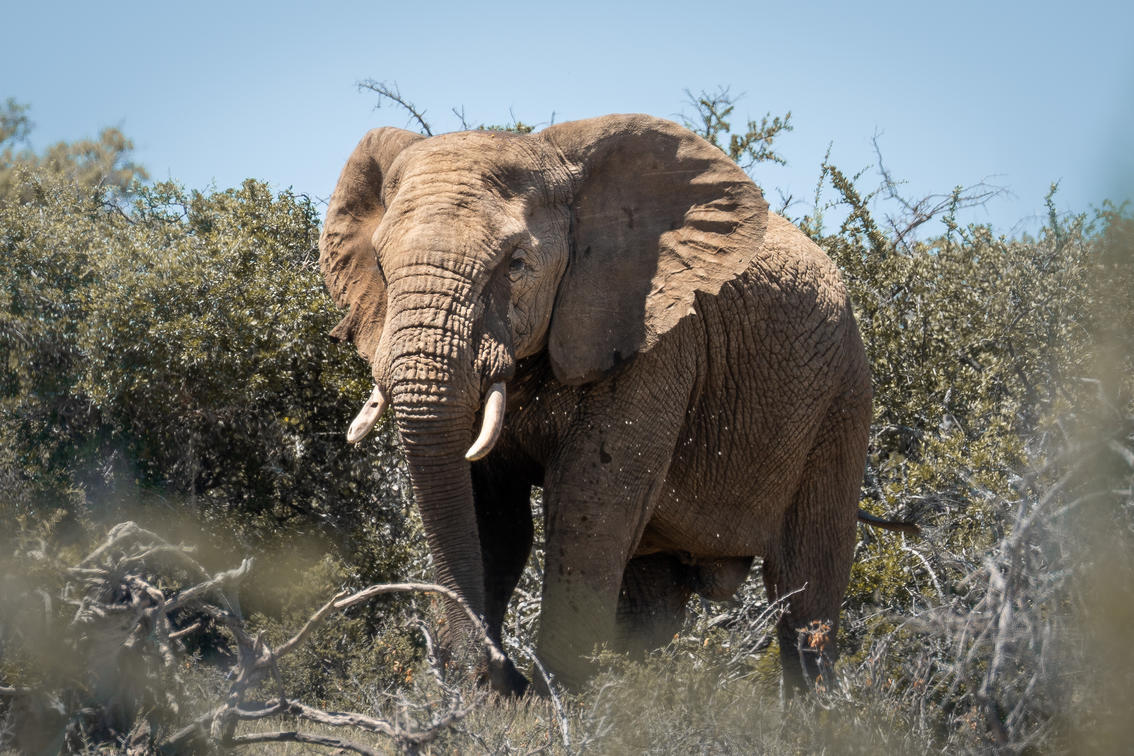
Observe matriarch-led elephant herds reshaping savannah paths, a timeless bushveld hierarchy.
Best Months for South Africa Wildlife Viewing
The optimal window for South Africa wildlife is May to September. Dry conditions shrink water sources, drawing game to rivers and pans. Sightings surge 40% as dust settles on open plains.
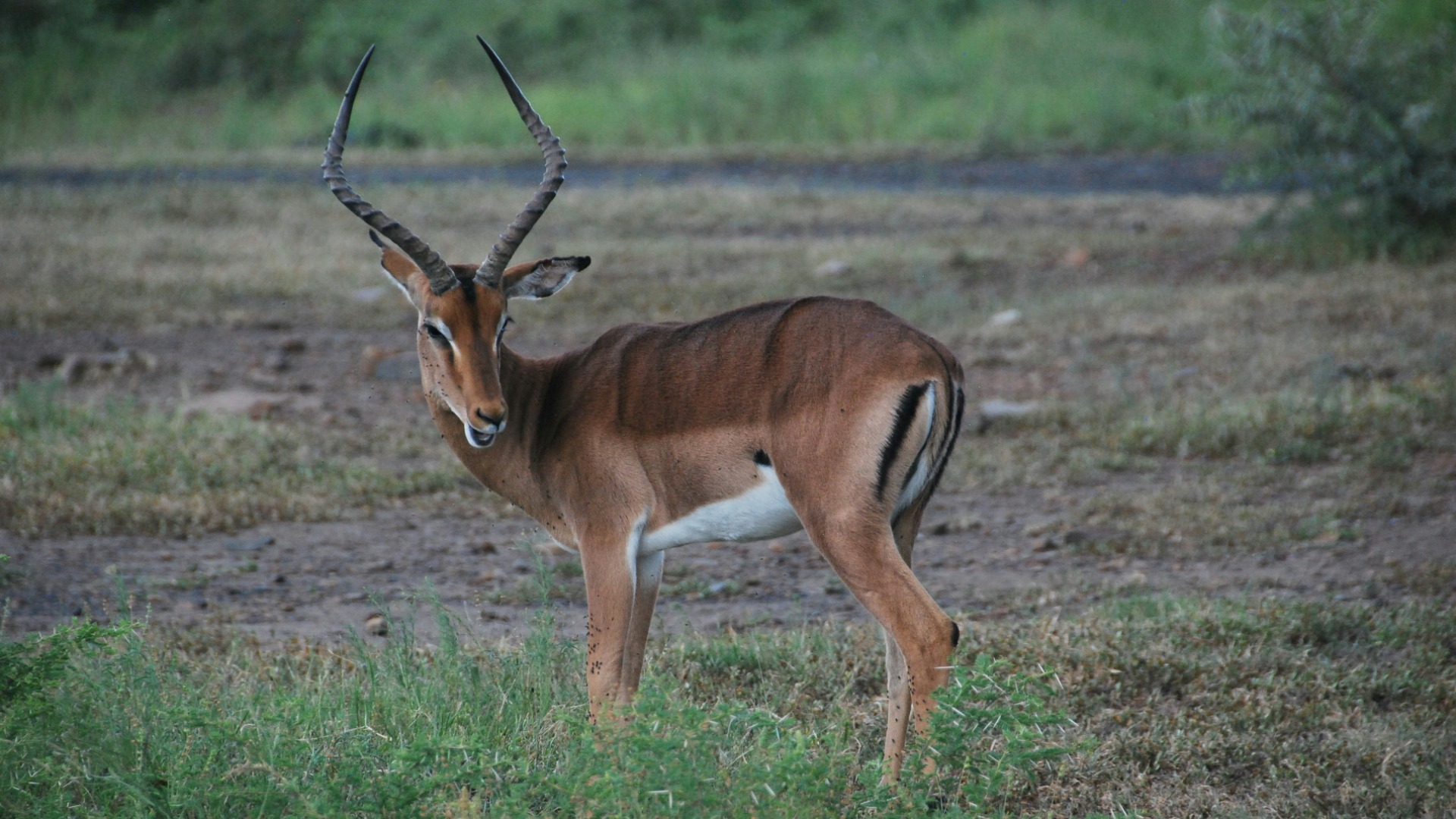
October ushers early rains, greening bushveld and birthing impala fawns. Avoid peak summer rains December to March, when thick foliage hides animals. Winter's crisp air sharpens senses for predator calls echoing at camp.
May-July: Prime for Big Five at waterholes; minimal malaria risk.
August-September: Bird migrations peak with 850 species returning.
October: Lush landscapes, newborn sightings before crowds.
This seasonal rhythm guides Encounters Africa in timing journeys for peak encounters.
Seasonal Shifts: What to Expect Month by Month
Dry Winter Focus (May-September)
May brings cooling winds, lions denning along Letaba River. By July, rhinos cluster at dams, horns glinting in low sun. September's heat intensifies leopard tree vigils.
These months suit photographers capturing dust-caked herds against amber horizons. Traveller numbers remain low until mid-winter holidays.
Wet Summer Surge (November-March)
November rains coax wildflower carpets, cheetahs cubbing in grass. February peaks with zebra foals evading jackal nips. Yet swollen rivers isolate sightings.
Summer birding excels with flamingo flocks on pans. Families favour this lush period despite humidity.
Dry winters from May to September offer 40% more reliable Big Five encounters.
Planning Your South Africa Wildlife Journey
What is the best time to visit for South Africa wildlife? May to September stands out, as animals congregate predictably around diminishing water. This planner answers with specifics: Kruger yields 90% lion sightings then, Addo 95% elephant herds.
Tailor itineraries via Encounters Africa. Combine Kruger with Eastern Cape reserves for rhino focus. Private reserves like Sabi Sands ensure off-road tracking.
Pack binoculars for 300+ bird species; layers for 5-25°C winter days.
Book fly-in safaris to AndBeyond lodges for seamless access.
Ethical tip: Maintain 25m distance from wildlife, supporting anti-poaching funds.
Our South Africa safari itineraries integrate these insights for personalised paths.
Why South Africa Wildlife Captivates Discerning Travellers
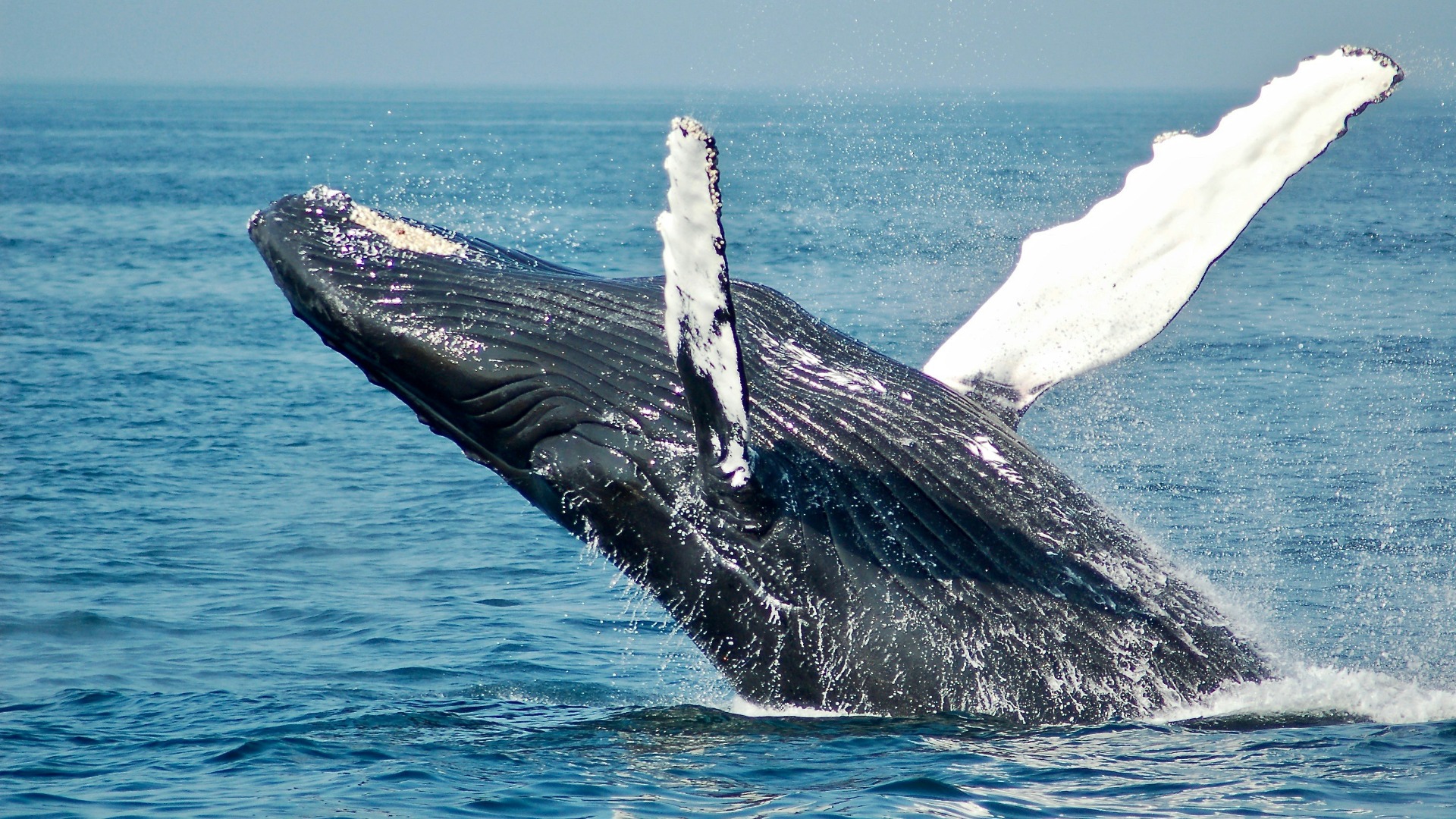
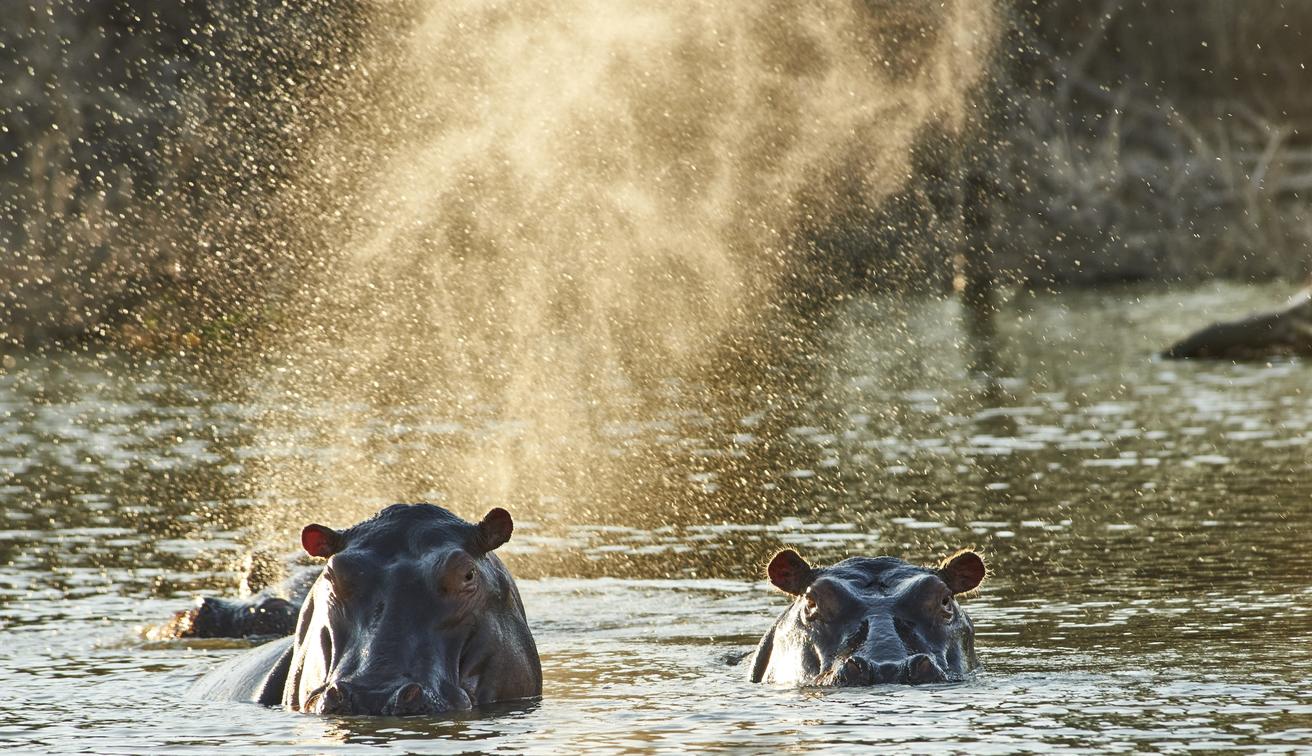
South Africa wildlife blends accessibility with raw intensity. Reserves like iSimangaliso fuse estuary hippo pods with dune whale breaches. Behaviours—from wild dog dawn hunts to owl parliaments at midnight—unfold predictably across seasons.
Encounters Africa curates these elements into seamless journeys. For discerning travellers seeking private safaris beyond set itineraries, contact us directly. We specialise in designing exceptional, tailor-made journeys for individuals, couples, families, and private groups of up to eight guests. Drawing on our handpicked network of distinguished camps and lodges, we curate every detail with precision and care, creating a deeply personal safari experience shaped around your preferences, pace, and budget.
More like this
Wildlife
Spotting Africa's Nighttime Hunters: A Practical Guide to Night Safaris
wildlife
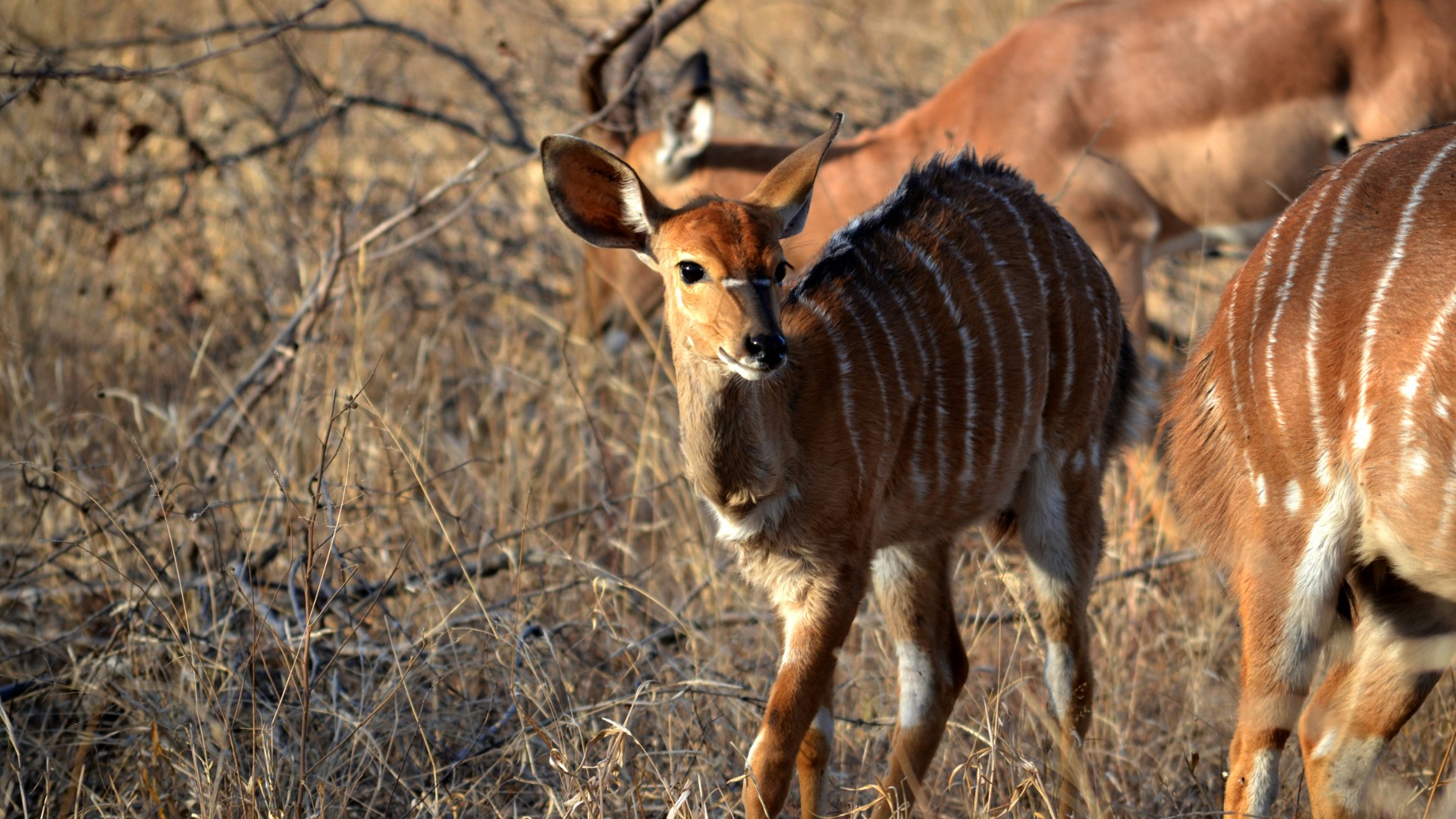
Spotting Nyala in KwaZulu-Natal: Field Techniques for Identifying This Elusive Antelope
Wildlife
Spotting South Africa's Marine Big Five During a Single Coastal Drive
wildlife
Spotting Tanzania's Big Five: Practical Guide to Serengeti and Ngorongoro
Wildlife
Stay Safe and Informed: Essential Protocols for African Wildlife Safaris
wildlife