Wildlife
Spotting Africa's Nighttime Hunters: A Practical Guide to Night Safaris
Encounters Africa - 10 min read
Updated on 13 August 2026
From leopards melting into shadows to aardvarks digging under starlight, learn which elusive creatures emerge after dark across Kenya, South Africa, and Botswana, plus how expert guides use red lights and quiet vehicles to observe them without disturbance. Africa's nocturnal wildlife offers one of the most intimate encounters possible on a safari, revealing a parallel world that daylight travellers rarely glimpse. On a night safari, the air carries the sharp scent of dry grass and distant rain, while distant calls echo across the darkness, drawing you into the continent's hidden rhythms.
Night drives transform familiar landscapes into realms of possibility. With the sun gone, small sounds become significant and movement at the edge of the beam demands attention. Encounters Africa guides have spent thousands of hours in this transformed environment, helping travellers understand the behaviours that unfold only after dusk. The result is not simply a longer game drive but a deeper appreciation of how these species have adapted to the cover of night.

Why Night Safaris Reveal Africa's Hidden Biodiversity
More than 70 percent of Africa's mammals are primarily active between sunset and sunrise. This statistic explains why a standard daytime safari captures only part of the story. Under starlit skies, creatures that remain concealed during daylight hours emerge to hunt, forage, and interact, offering travellers privileged access to behaviours shaped by millions of years of evolution.
The transition from day to night brings its own drama. As temperatures drop, the bush seems to exhale, releasing scents trapped by the day's heat. Guides switch off engines to listen, allowing guests to absorb the layered soundscape of insects, frogs, and the occasional low growl that signals a predator on the move. These moments foster a connection that stays with travellers long after they return home.
The darkness does not hide life; it simply asks us to listen and look differently.
Responsible operators limit the number of vehicles in any area and follow strict protocols to minimise disturbance. Red-filtered lights preserve animals' night vision while still allowing clear observation. This careful approach ensures that the very behaviours travellers hope to witness continue undisturbed, maintaining the delicate balance between access and conservation.
Signature Nocturnal Species Across East and Southern Africa
Each region offers its own cast of nighttime characters. In Kenya, the open plains of the Laikipia plateau and the dense thickets of the Masai Mara harbour different specialists. South Africa's private reserves in the Greater Kruger area provide some of the most reliable sightings on the continent, while Botswana's varied landscapes from the Okavango Delta to the Kalahari deliver encounters that feel truly wild.
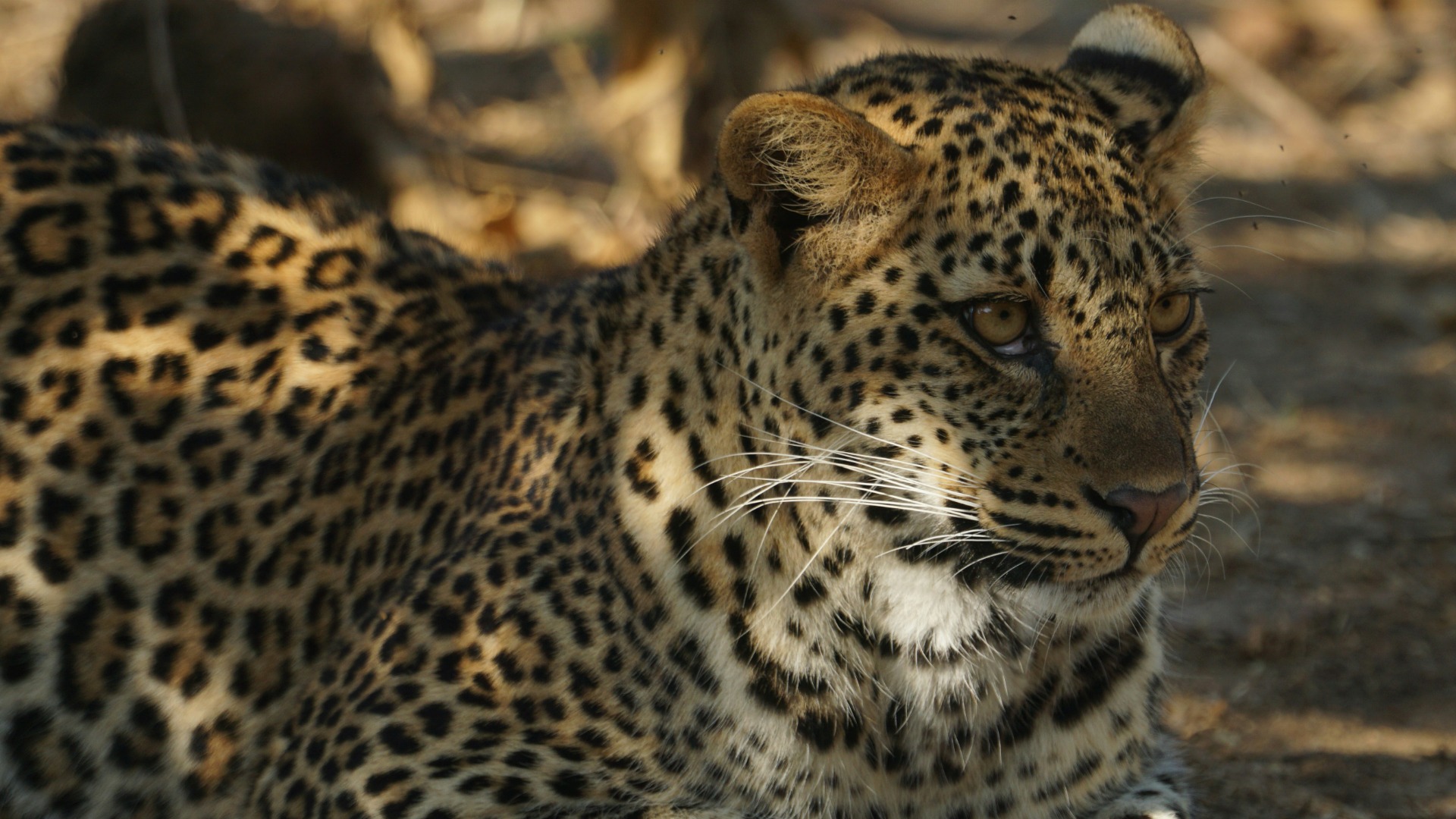
The Leopard: Master of Shadow and Silence
Few experiences match the thrill of watching a leopard move through long grass with liquid grace. These solitary cats hunt primarily at night, using their exceptional night vision and acute hearing to locate prey. In South Africa's Sabi Sand region, leopards have become remarkably habituated to vehicles, allowing close but respectful observation.
Look for the reflective tapetum lucidum in their eyes, which creates an otherworldly green glow when caught in a beam of light. Their rasping cough carries far across the darkness, often the only warning before they appear on a termite mound or low branch. Mothers with cubs offer particularly touching sightings as they teach hunting techniques under the cover of night.
Aardvark and Pangolin: The Underground Engineers
The aardvark remains one of Africa's most sought-after nocturnal sightings. These solitary mammals can consume up to 50,000 ants and termites in a single night, using their powerful claws to excavate burrows that later provide homes for other species. Their distinctive long snout and rounded ears create a silhouette unlike any other creature on the continent.
Even rarer is the pangolin, often described as a walking pine cone. These scaly mammals curl into an armoured ball when threatened, a defence so effective that few predators can breach it. Both species play crucial roles in controlling insect populations and aerating soil, making their protection vital to ecosystem health.
Seeing an aardvark on a night drive feels like witnessing a living fossil; these peculiar creatures have changed remarkably little over 50 million years of evolution.
Smaller Carnivores and Their Surprising Behaviours
Genets, civets, and servals form the supporting cast of Africa's night shift. The slender-tailed genet moves with acrobatic precision through trees and on the ground, its ringed tail providing balance during lightning-fast pounces. African civets mark their territories with a pungent secretion once harvested for perfume, while the serval's oversized ears allow it to pinpoint rodents moving beneath thick grass.
In Botswana's Khwai community area, bat-eared foxes trot across open ground in small family groups, their enormous ears helping them detect insects and the approach of larger predators. Each species has developed unique adaptations that allow it to thrive in the hours when most safari vehicles have returned to camp.
Essential Equipment and Techniques for Successful Night Drives
Preparation enhances every aspect of a night safari. Layered clothing is essential as temperatures can drop dramatically after sunset, particularly in arid regions. A good pair of binoculars remains useful even in darkness, helping to identify distant eye-shine before the vehicle draws closer.
Experienced guides use spotlights with red filters that preserve animals' natural vision while illuminating the scene for guests. These lights are moved slowly and deliberately to avoid startling wildlife. Many camps now employ specially modified vehicles with quiet engines and elevated seating that provides better sightlines across the bush.
Interpreting Signs in the Darkness
Guides read the night landscape with remarkable skill. Fresh tracks in soft sand, the sudden silence of insects, or a herd of impala staring intently in one direction all tell stories. The distinctive call of a spotted hyena can signal a nearby kill, while the alarm barks of baboons often reveal a leopard on the prowl.
Learning to distinguish between different types of eye-shine adds another layer to the experience. The bright white reflection of a springhare differs markedly from the reddish glow of a jackal or the green spark of a feline. These details transform a simple drive into an engaging lesson in natural history.
Best Times and Locations for Night Safari Experiences
The dry season generally offers optimal conditions for night drives. Between May and October in Southern Africa, reduced vegetation and concentrated water sources make animals more visible and predictable. In East Africa, the dry months from July to October and January to March provide similar advantages.
Private concessions and conservancies typically deliver the most rewarding experiences because they allow off-road driving and night activities that national parks often restrict. Areas with healthy populations of small mammals and insects naturally support higher densities of nocturnal predators.
Kenya's Nighttime Treasures
The private conservancies bordering Masai Mara National Reserve excel at night drives, particularly Mara North Conservancy and Ol Pejeta Conservancy. Here, the combination of open grasslands and acacia thickets creates perfect habitat for a wide variety of species. The presence of black rhino adds particular excitement to after-dark excursions.
Southern Africa's Premier Night Safari Destinations
In South Africa, the Sabi Sand Game Reserve and private reserves adjoining Kruger National Park have pioneered responsible night driving. The habituated leopards of this region have made it world-famous for after-dark encounters. Further north, Botswana's Selinda Reserve and Khwai Community Area offer vast, unfenced wilderness where night drives feel genuinely exploratory.
A night safari in the Selinda Reserve feels like having an entire wilderness to yourself, with only the stars and the occasional distant roar for company.
How Night Safaris Contribute to Conservation and Local Communities
Revenue from night drives helps fund anti-poaching efforts and community development projects. When travellers choose responsible operators, their presence directly supports the protection of vast areas that might otherwise face agricultural conversion. Many camps employ local guides whose intimate knowledge of the bush proves invaluable after dark.
Research conducted during night drives has revealed previously unknown behaviours and population dynamics. Camera traps deployed following sightings have contributed important data to long-term studies of species that are difficult to monitor during daylight hours. This scientific contribution extends the value of each safari far beyond the immediate experience.
What to Expect: A Typical Night Drive with Encounters Africa
A typical night safari begins shortly after sunset with a briefing on safety protocols and viewing etiquette. Guests settle into specially equipped vehicles with blankets and hot water bottles for cooler evenings. The first hour often focuses on smaller creatures before seeking larger predators as full darkness settles.
Drives usually last between two and three hours, returning to camp for a late dinner around the fire. The pace is deliberately unhurried, allowing time to observe and discuss each sighting. Expert guides share insights about evolutionary adaptations, ecological roles, and the conservation challenges facing each species.
Common Questions About Night Safaris in Africa
What is the best time to visit for night safaris? The dry season months generally provide the clearest conditions and most reliable sightings. In Botswana and South Africa, June to September offers cool, dry nights perfect for wildlife viewing. Kenya's dry periods from July to October and January to March deliver similar advantages. These periods coincide with easier game viewing overall as animals concentrate around water sources.
Are night safaris safe? When conducted by experienced operators with strict protocols, night drives present minimal risk. Vehicles remain on established tracks or designated areas, and guides carry powerful spotlights and maintain constant radio contact. The animals are far more likely to avoid the vehicle than approach it, respecting the natural wariness that keeps them safe from larger threats.
What should I bring on a night safari? Warm layers are essential, even in summer, as temperatures drop quickly after sunset. A good camera with a fast lens benefits from the dramatic lighting conditions, though guides discourage excessive use of flash. Most importantly, bring a spirit of curiosity and patience. The greatest rewards often come from simply sitting quietly in the darkness, absorbing the sounds and sensations of the African night.

Embracing the After-Dark Experience
Night safaris represent far more than an extension of the daylight hours. They open a window into a completely different ecosystem where different rules apply and different stories unfold. The creatures encountered during these drives have evolved remarkable adaptations that allow them to thrive in darkness, from enhanced senses to specialised hunting techniques.
By choosing to venture out after sunset, travellers gain access to a richer understanding of Africa's complex web of life. Each sighting contributes to a mental map of relationships and dependencies that shape these ecosystems. The experience often shifts how people view the natural world, fostering greater appreciation for the intricate balance that sustains it.
For discerning travellers seeking a private safari beyond our set itineraries, we invite you to contact us directly. We specialise in designing exceptional, tailor-made journeys for individuals, couples, families, and private groups of up to eight guests. Drawing on our handpicked network of distinguished camps and lodges, we curate every detail with precision and care, creating a seamless, deeply personal safari experience shaped entirely around your preferences, pace, and budget.
Whether your interest lies in the elusive pangolin or the powerful leopard, a well-planned night safari with Encounters Africa offers memories that illuminate long after the final spotlight has been switched off. The African night holds countless stories. All that remains is to venture out and listen.
More like this
wildlife
Spotting Nyala in KwaZulu-Natal: Field Techniques for Identifying This Elusive Antelope
Wildlife
Spotting South Africa's Marine Big Five During a Single Coastal Drive
wildlife
Spotting Tanzania's Big Five: Practical Guide to Serengeti and Ngorongoro
Wildlife
Stay Safe and Informed: Essential Protocols for African Wildlife Safaris
wildlife
Surprising Resilience: How Northern African Habitats Sustain Rare Species Amid Drought
wildlife