wildlife
Spotting Nyala in KwaZulu-Natal: Field Techniques for Identifying This Elusive Antelope
Encounters Africa - 9 min read
Updated on 24 August 2026
In the lush woodlands of KwaZulu-Natal, the nyala stands out as one of Africa's most striking antelopes. With its spiral horns and distinctive markings, this elusive species rewards patient observers who master the subtle art of identification and tracking. The best time to visit KwaZulu-Natal for nyala sightings is during the drier months from May to September, when vegetation thins and these spiral-horned antelope become more visible in reserves such as Hluhluwe–Imfolozi Park and surrounding private concessions.
Encounters Africa travellers frequently seek out these beautiful creatures during tailored journeys that combine cultural depth with wildlife immersion. Rangers distinguish nyala bulls from females through clear physical differences, while understanding their seasonal movements through dense thickets helps visitors observe them responsibly. This comprehensive guide shares field techniques drawn from years of guiding experience across South Africa.

Understanding Nyala Biology and Behaviour
The nyala, scientifically known as Tragelaphus angasii, is a medium-sized antelope native to southern Africa's eastern regions. Adult males weigh between 98 and 125 kilograms, significantly larger than females who typically range from 55 to 90 kilograms. Their shaggy coats provide excellent camouflage in the dappled light of riverine forests and thick coastal bushveld.
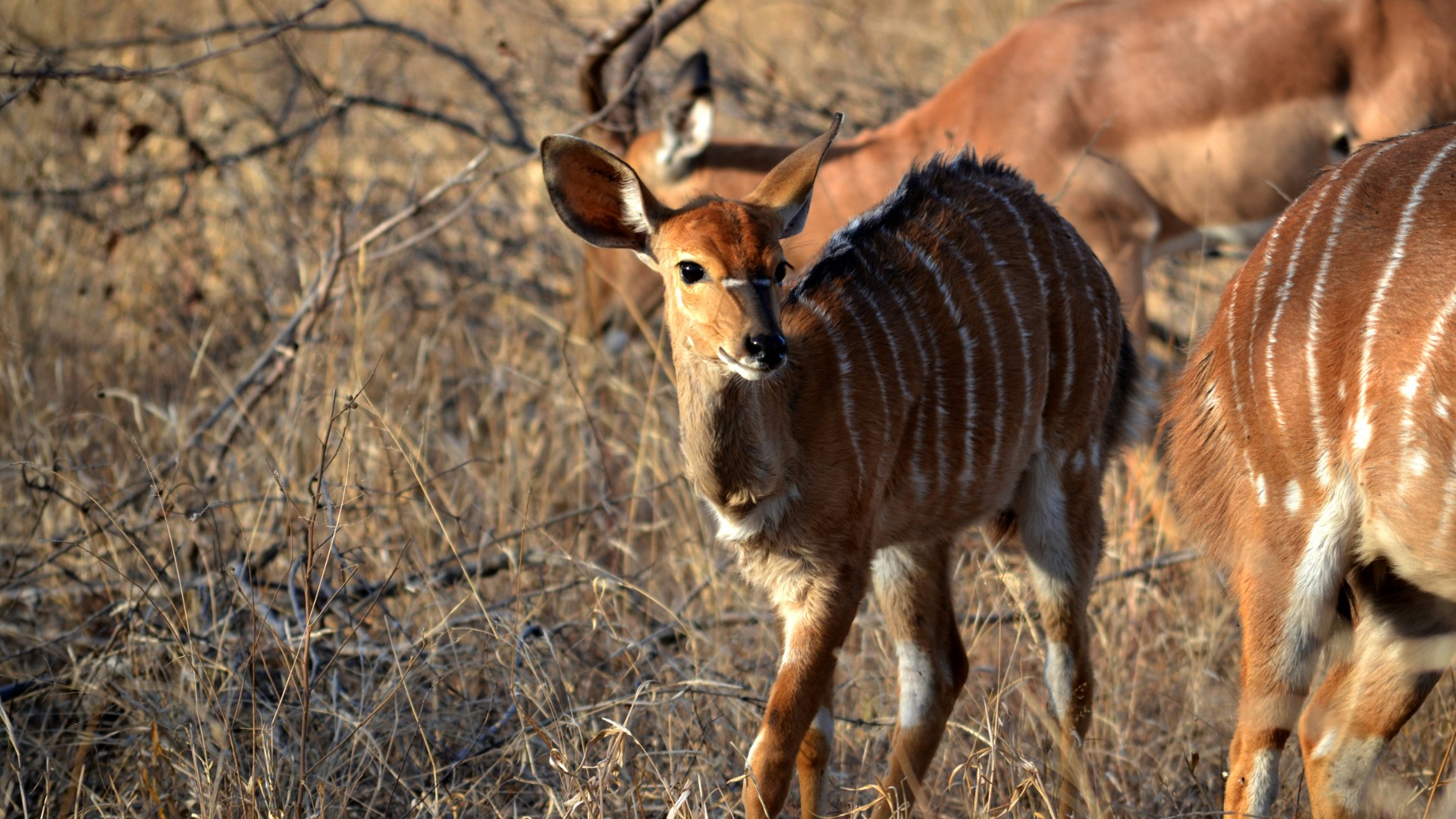
Bulls develop striking slate-grey coats with white vertical stripes along their flanks, complemented by a prominent mane and long, spiral horns that can reach up to 80 centimetres. Females and juveniles display rich chestnut-brown colouring with similar white stripes but lack horns entirely. These differences become particularly pronounced after the age of 18 months, when young males begin their transformation.
The subtle shift from russet to charcoal in a young male nyala marks not just physical maturity but a change in social standing within the herd dynamics of KwaZulu-Natal's woodlands.
Nyala are predominantly browsers, feeding on leaves, shoots, and fruits rather than grass. They prefer dense cover during the heat of the day, emerging at dawn and dusk to forage. This crepuscular pattern makes early morning and late afternoon game drives particularly productive for sightings in Hluhluwe–Imfolozi Park.
Field Techniques for Distinguishing Bulls from Females
Experienced rangers rely on more than just colour when identifying nyala at a distance. Horn presence is the most obvious marker, yet young males without fully developed horns require closer observation of body size, neck thickness, and mane development. Bulls carry their heads higher and move with deliberate confidence compared to the more cautious females.
Look for the dark dorsal stripe that runs from the head to the tail in mature males – a feature less pronounced or absent in females. During the breeding season, which peaks between April and May, bulls also display aggressive posturing and will often darken further due to increased testosterone levels. Observing these behavioural cues alongside physical traits provides reliable confirmation even in challenging light conditions.
Binoculars with at least 8x magnification prove invaluable, particularly when scanning thickets from elevated vehicles or viewing platforms. Patience remains essential; nyala frequently freeze when they sense movement, blending seamlessly with surrounding vegetation until they feel safe to continue browsing.
Seasonal Colour Changes and Age Indicators
Young male nyala undergo a remarkable transformation between two and three years of age. Their coats gradually darken from the rich chestnut of youth to the charcoal grey of maturity. This process typically completes by age four, though some individuals retain reddish tinges on their legs throughout life.
Females maintain their warm brown colouring year-round, providing a clear visual contrast when herds mix. During winter months, both sexes may appear slightly duller as their coats thicken against cooler temperatures, which can drop to 8°C in the higher reaches of KwaZulu-Natal reserves.
Tracking Nyala Through Dense Woodland Habitats
Nyala favour thick riverine bush and woodland areas with good cover, making traditional open-savannah tracking methods less effective. Instead, guides look for specific signs including distinctive heart-shaped hoof prints measuring approximately 6 centimetres in length, with the front hooves slightly larger than the rear.
Feeding signs offer valuable clues – nyala often strip leaves from certain preferred acacia species in a characteristic upward pulling motion. Fresh dung, which appears as small, elongated pellets clustered together, can indicate recent activity when still moist and dark in colour. Rangers in KwaZulu-Natal have documented that nyala tend to follow regular pathways between water sources and favoured feeding areas, creating subtle but consistent trails through the undergrowth.
Reading the woodland floor becomes second nature after years spent following these spiral-horned antelope through the tangled thickets of Zululand.
During the wet season from November to March, nyala disperse more widely across the landscape as water becomes plentiful. The dry winter months concentrate them nearer to permanent rivers and pans, improving sighting opportunities. Understanding these seasonal movements allows visitors to position themselves effectively without disturbing natural routines.
Interpreting Alarm Calls and Herd Dynamics
Nyala communicate through a series of snorts and barks that carry surprisingly far through dense vegetation. The sharp, repetitive alarm bark often signals the presence of predators such as leopards or wild dogs. Learning to distinguish nyala calls from those of impala or bushbuck enhances the overall bush experience.
Herd composition changes throughout the year. Females and juveniles typically form stable groups of between five and fifteen individuals, while mature bulls often remain solitary or in small bachelor groups except during the rut. Observing these social patterns helps predict where to find different age and sex classes at various times of day.
Optimal Times and Locations for Nyala Observation in KwaZulu-Natal
The months between June and August consistently deliver the most rewarding nyala viewing in KwaZulu-Natal. Reduced foliage combined with animals concentrating around water sources creates ideal conditions for observation. Morning drives between 6am and 9am and afternoon excursions from 4pm until dusk prove most productive.
Private reserves bordering Hluhluwe offer particularly intimate encounters, with experienced guides who understand individual animals' territories. Amanzi Camp and similar intimate properties provide exceptional access to prime nyala habitat while maintaining low visitor numbers that minimise disturbance.
Success rates for sightings exceed 85 percent during the dry season when using skilled local trackers familiar with specific woodland territories. These professionals combine traditional tracking knowledge with modern technology, including camera traps that reveal nyala movement patterns across larger landscapes.
Responsible Viewing Practices That Protect Nyala Populations
Approaching nyala requires particular sensitivity given their naturally shy disposition. Maintain a minimum distance of 30 metres when possible, allowing animals to continue their natural behaviours without stress. Sudden movements or loud conversations can cause them to disappear into thickets for hours.
Guides trained by Encounters Africa emphasise the importance of wind direction and vehicle positioning. Approaching with the breeze in your face prevents your scent from carrying ahead, while using natural cover such as bushes or termite mounds helps break up the vehicle's outline.
Photography enthusiasts should consider that nyala respond particularly sensitively to camera flashes after dark. Using natural light or infrared equipment preserves their natural rhythms while capturing the beautiful contrast between their striped coats and woodland surroundings.
True connection with these remarkable antelope comes not from forcing an encounter but from positioning oneself respectfully within their world and waiting for them to reveal their presence.
Conservation Status and Community Involvement
While not currently classified as endangered, nyala populations face pressure from habitat loss and competition with livestock in community areas surrounding formal reserves. KwaZulu-Natal's conservation authorities work closely with local communities to maintain wildlife corridors that allow gene flow between isolated populations.
Successful breeding programmes have seen numbers increase substantially since the 1950s, when nyala were considered vulnerable. Today, carefully managed populations in private reserves serve as important genetic reservoirs for potential reintroduction projects elsewhere in their historical range.
Community-based tourism initiatives have created meaningful economic incentives for protecting nyala and their habitats. Revenue from photographic safaris supports local schools, healthcare facilities, and conservation projects that benefit both people and wildlife.
Common Questions About Spotting Nyala in KwaZulu-Natal
What is the best time of year to see nyala in KwaZulu-Natal? The dry winter months from May to September offer the highest probability of sightings. During this period, vegetation is thinner and animals concentrate around reliable water sources, with peak visibility occurring in July and August when temperatures are mild and rainfall is minimal.
How can you tell the difference between a nyala and a kudu? While both species have spiral horns, nyala are considerably smaller and possess distinctive white stripes absent in greater kudu. Male nyala develop a shaggy mane and dark facial markings that kudu lack, and nyala prefer much denser woodland habitat compared to the more open areas favoured by kudu.
Do nyala pose any danger to visitors on foot? Nyala are generally timid and present minimal threat to humans. However, like most antelope species, a cornered or wounded individual can deliver powerful kicks. Professional guides maintain safe distances and read animal body language to ensure peaceful encounters.
Are nyala populations stable in South Africa? Yes, with approximately 30,000 individuals across southern Africa, the species maintains healthy numbers thanks to effective conservation measures. Private reserves in KwaZulu-Natal play a crucial role in maintaining genetic diversity through careful population management.

Deepening Your Connection With Africa's Wildlife
Mastering the techniques for spotting and identifying nyala transforms a simple game drive into a richer, more rewarding experience. These elegant antelope embody the subtle beauty of Africa's woodland ecosystems, offering patient observers glimpses into complex social structures and survival strategies refined over millennia.
Whether watching a magnificent bull emerge from the shadows at dusk or observing a nursery herd of females and calves moving gracefully through the trees, each encounter deepens appreciation for the intricate web of life in KwaZulu-Natal. The skills shared here represent just the beginning of a lifelong journey of discovery in African wild places.
For discerning travellers seeking a private safari beyond our set itineraries, we invite you to contact us directly. We specialise in designing exceptional, tailor-made journeys for individuals, couples, families, and private groups of up to eight guests. Drawing on our handpicked network of distinguished camps and lodges, we curate every detail with precision and care, creating a seamless, deeply personal safari experience shaped entirely around your preferences, pace, and budget.
Consider combining your nyala tracking adventure with visits to see the Masai Mara during the great migration or exploring the wonders of Okavango Delta in Botswana. Our team can craft an itinerary that weaves together multiple ecosystems while maintaining the intimate, low-impact approach that defines truly meaningful wildlife encounters. Visit our enquiry form to begin planning your personalised African journey with Encounters Africa.
More like this
Wildlife
Spotting South Africa's Marine Big Five During a Single Coastal Drive
wildlife
Spotting Tanzania's Big Five: Practical Guide to Serengeti and Ngorongoro
Wildlife
Stay Safe and Informed: Essential Protocols for African Wildlife Safaris
wildlife
Surprising Resilience: How Northern African Habitats Sustain Rare Species Amid Drought
wildlife
Tanzania Wildlife Viewing: Parks, Species, and Peak Months
Wildlife