Wildlife
Spotting South Africa's Marine Big Five During a Single Coastal Drive
Encounters Africa - 10 min read
Updated on 13 August 2026
South Africa's Marine Big Five offers one of the most accessible wildlife spectacles on the continent, combining the thrill of open-ocean encounters with the convenience of a single coastal drive. From breaching humpback whales to elusive leatherback turtles, this guide details where and when to encounter these remarkable creatures along the country's shores, with practical viewing tips for responsible encounters in places like False Bay and the Wild Coast.
The Marine Big Five consists of the southern right whale, humpback whale, great white shark, African penguin, and leatherback turtle. Together they represent an extraordinary concentration of marine life that can be observed from viewpoints, boats, or even while strolling along beaches during the right season. Encounters Africa travellers frequently combine these sightings with inland safaris, creating journeys that span both terrestrial and oceanic realms.

What Are the Marine Big Five?
The concept of the Marine Big Five mirrors its terrestrial counterpart, highlighting five iconic species that capture the imagination of wildlife enthusiasts. Each plays a vital role in South Africa's coastal ecosystems, from nutrient cycling to tourism-driven conservation funding. Spotting all five during one well-planned coastal drive is entirely achievable between June and December.
The Marine Big Five remind us that the ocean holds dramas every bit as compelling as those unfolding on the African savannah.
Southern right whales and humpback whales represent the cetacean giants, while great white sharks command respect as apex predators. African penguins offer delightful terrestrial encounters, and leatherback turtles complete the set with their ancient migratory patterns. Responsible observation of these animals supports local economies and funds vital research projects.
Planning Your Coastal Route for Maximum Sightings
A strategic drive from Cape Town eastward along the Garden Route and onward to the Wild Coast positions travellers perfectly for multiple Marine Big Five encounters. The 1,600-kilometre journey can be completed in 10 to 14 days, allowing ample time for boat trips, guided snorkelling, and quiet beach vigils. Peak whale season runs from July to November, overlapping with several turtle nesting periods.
Begin in Cape Town before heading to False Bay, continue through Hermanus and Gansbaai, then follow the Garden Route towards the Eastern Cape. Each segment offers distinct viewing opportunities, with increasing chances of leatherback turtle sightings as you travel further east. Several luxury lodges along this route provide marine-focused experiences that complement traditional game viewing.
Weather patterns significantly influence success rates. The winter months bring nutrient-rich upwellings that attract krill and baitfish, drawing whales and sharks in impressive numbers. Summer offers calmer seas for boat-based viewing and better visibility for snorkellers hoping to observe penguins underwater.
Essential Equipment and Responsible Viewing Practices
Binoculars with 8x or 10x magnification prove invaluable for spotting whale blows from coastal paths. A good pair of polarised sunglasses reduces glare on the water, while a waterproof notebook helps record sighting details for citizen science projects. Always choose operators accredited by the South African National Parks or local marine conservation organisations.
Maintain a respectful distance of at least 50 metres from whales and dolphins. Never attempt to touch turtles or approach breeding colonies too closely. These guidelines protect both the animals and the quality of your experience, ensuring future generations can enjoy the same encounters.
Where and When to Spot Southern Right Whales
Southern right whales frequent the sheltered bays between Cape Town and Port Elizabeth from June through December, with peak activity in September and October. Hermanus offers the world's best land-based whale watching, where the animals often approach within 10 metres of the cliffs at the Old Harbour viewpoint.
These gentle giants can reach 15 metres in length and weigh up to 80 tonnes. Their distinctive V-shaped blow and callosities on their heads make identification straightforward. Mothers with calves are particularly common in Walker Bay, offering heart-warming scenes of protective behaviour and playful surface activity.
Watching a southern right whale breach against the backdrop of the Hottentots-Holland mountains creates a memory that stays with you for decades.
Boat trips from Hermanus or Gansbaai provide closer views while adhering to strict permit regulations. Several operators contribute a percentage of their revenue to the Centre for Whale Research, supporting long-term population monitoring that now estimates over 4,000 individuals in South African waters.
Encountering Humpback Whales Along the Migration Highway
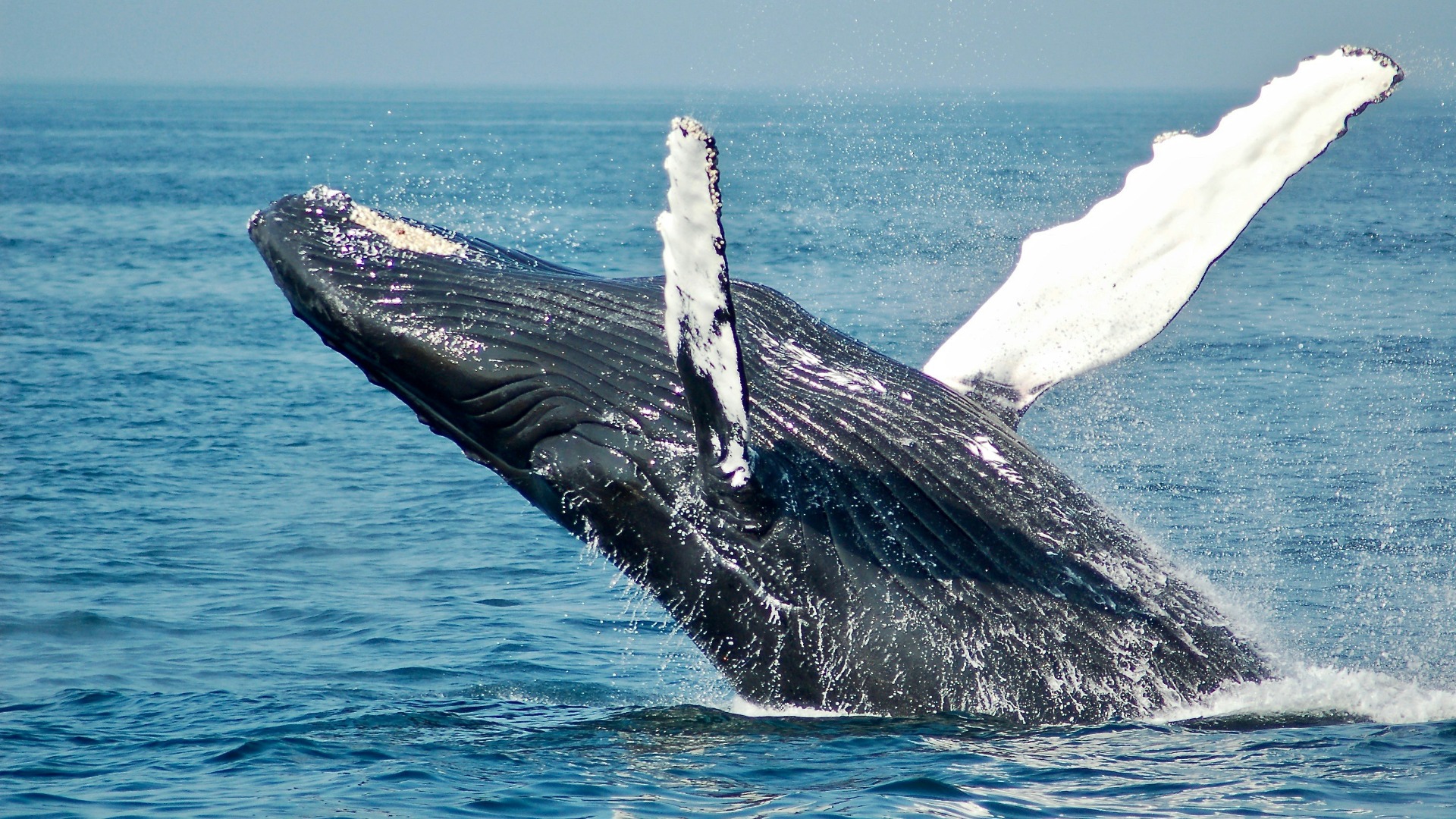
Humpback whales follow the Agulhas Current northward from Antarctic feeding grounds between June and October, passing particularly close to the Wild Coast and Transkei region. Their acrobatic breaches and complex songs make them arguably the most entertaining of the Marine Big Five to observe.
Recent research indicates the southern hemisphere humpback population has recovered to approximately 40,000 individuals following the end of commercial whaling. The stretch between Coffee Bay and Port St Johns offers some of the most reliable viewing opportunities, with peak sightings often occurring in late August.
Combine whale watching with cultural experiences by visiting local Xhosa communities who have long regarded these migrations as important seasonal markers. Several responsible operators work directly with these communities, ensuring that tourism revenue supports education and conservation initiatives.
Great White Sharks: Understanding the Apex Predator
The waters around Dyer Island and Seal Island near Gansbaai host one of the world's highest concentrations of great white sharks. Peak viewing occurs between April and September when the sharks hunt Cape fur seals in dramatic breaches that can reach three metres above the water.
Modern cage-diving operations emphasise education over adrenaline, with marine biologists often accompanying trips to explain shark behaviour and the critical role these predators play in maintaining healthy ocean ecosystems. The experience of watching a great white glide past your cage remains profoundly moving rather than merely thrilling.
Recent studies using acoustic tagging have revealed that individual sharks return to the same hunting grounds annually, displaying remarkably consistent patterns. This research helps operators minimise disturbance while maximising educational value for visitors.
Conservation Success Stories and Current Challenges
South African great white shark populations face pressure from illegal fishing and shark netting programmes, yet dedicated conservation efforts have shown promising results. The establishment of the Dyer Island Marine Reserve has created a protected nursery area where juvenile sharks can develop without human interference.
Travellers can contribute meaningfully by choosing operators that support the Shark Spotters programme in False Bay, which has reduced negative human-shark interactions by over 90 percent since its inception in 2004 while maintaining healthy shark populations.
African Penguins: Charismatic Coastal Residents
The African penguin, the only species found on the continent, breeds at several easily accessible colonies between Cape Town and Port Elizabeth. Boulders Beach near Simon's Town offers the most famous viewing opportunity, where visitors can observe the birds from specially constructed boardwalks that protect their nesting sites.
These endearing birds, with their distinctive pink patches above the eyes, face significant challenges from reduced fish stocks and climate change. The population has declined by approximately 90 percent since the early 1900s, making every responsible encounter an opportunity to support conservation messaging.
Stony Point near Betty's Bay provides a less crowded alternative with excellent viewing of both adults and fluffy chicks during the breeding season from March to May. Local guides often share fascinating insights into penguin social structures and the dedicated conservation work underway to protect remaining colonies.
Leatherback Turtles: Ancient Mariners of the Wild Coast
The leatherback turtle completes the Marine Big Five as the largest and most wide-ranging sea turtle species. Females nest on the beaches of the Wild Coast and northern KwaZulu-Natal between October and February, with peak activity usually occurring in December and January.
These remarkable creatures can weigh up to 900 kilograms and travel thousands of kilometres between feeding grounds off Canada and nesting beaches in South Africa. The iSimangaliso Wetland Park, a UNESCO World Heritage Site, protects critical nesting areas while supporting community-based monitoring programmes.
Guided night tours with accredited operators offer the chance to witness females laying eggs under starlit skies. Strict protocols ensure minimal disturbance to these ancient mariners, whose nesting success directly correlates with local conservation efforts.
The Best Time to Visit for Marine Big Five Sightings
The optimal period for observing the complete Marine Big Five spans from July to November, when whale migrations coincide with reliable shark activity and penguin breeding cycles. This window also offers pleasant temperatures along the southern Cape coast, typically ranging between 18°C and 24°C.
For leatherback turtle nesting, plan your journey for December through February, potentially combining this with excellent summer whale watching further south. Many Encounters Africa clients structure their itineraries to experience both seasons, returning to different coastal sections at optimal times.
Timing your coastal journey with natural rhythms rather than calendar dates transforms good wildlife viewing into something altogether more profound.
Combining Marine and Terrestrial Experiences
The beauty of South Africa's coastline lies in how easily marine encounters complement traditional safari experiences. A morning watching southern right whales can be followed by an afternoon tracking the Addo Elephant National Park's famous elephant herds, creating a perfectly balanced wildlife journey.
Several distinguished properties offer seamless transitions between ocean and bush environments. Their experienced guides understand both marine and terrestrial ecosystems, enriching your understanding of the complex connections between land and sea.
Responsible Marine Wildlife Tourism: Making a Positive Impact
Choosing operators who prioritise conservation ensures your presence contributes positively to the Marine Big Five's future. Look for vessels that limit passenger numbers, maintain appropriate distances, and support research initiatives. Many excellent operators donate directly to turtle monitoring projects or penguin rehabilitation centres.
Citizen science programmes allow travellers to record sightings that contribute to valuable research databases. The Whale Watcher's Code of Conduct and various turtle monitoring projects welcome visitor participation, creating deeper engagement with the species you have travelled to see.
By travelling with specialists who understand local contexts, you ensure that tourism revenue reaches the coastal communities whose stewardship proves essential for protecting these remarkable animals.

Creating Your Marine Big Five Journey with Encounters Africa
Designing a coastal drive that delivers multiple Marine Big Five encounters requires local knowledge, flexible planning, and careful selection of viewing operators. For discerning travellers seeking a private safari beyond our set itineraries, we invite you to contact us directly. We specialise in designing exceptional, tailor-made journeys for individuals, couples, families, and private groups of up to eight guests. Drawing on our handpicked network of distinguished camps and lodges, we curate every detail with precision and care, creating a seamless, deeply personal safari experience shaped entirely around your preferences, pace, and budget.
Whether you wish to combine whale watching with big game viewing in Eastern Cape reserves or focus primarily on marine experiences along the Garden Route, our team can craft an itinerary that exceeds expectations. From private boat charters to exclusive beach dinners under African skies, we transform a simple coastal drive into a journey of discovery and connection with the ocean's magnificent inhabitants.
Read our related article on respectful wildlife encounters to deepen your understanding of responsible travel practices. For those interested in terrestrial predators, explore our guide to African wild dog conservation.
Contact Encounters Africa today through our enquiry form and allow us to design your perfect Marine Big Five coastal experience.
More like this
wildlife
Spotting Tanzania's Big Five: Practical Guide to Serengeti and Ngorongoro
Wildlife
Stay Safe and Informed: Essential Protocols for African Wildlife Safaris
wildlife
Surprising Resilience: How Northern African Habitats Sustain Rare Species Amid Drought
wildlife
Tanzania Wildlife Viewing: Parks, Species, and Peak Months
Wildlife
Tanzania's Rangers Deploy Drone Networks to Track Elephant Movements Across the Serengeti
wildlife