wildlife
Spotting Tanzania's Big Five: Practical Guide to Serengeti and Ngorongoro
Encounters Africa - 5 min read
Updated on 1 May 2026
Tanzania stands as one of Africa's premier destinations for spotting the Big Five—lion, leopard, elephant, buffalo, and rhino—in their natural habitats. This practical guide focuses on the iconic Serengeti and Ngorongoro, where wildlife densities rival anywhere on the continent. Expect close encounters amid vast plains and crater rims, with peak sightings from June to October during the dry season.
From the thunder of wildebeest migrations drawing predators to the crater's dense black rhino population, these parks offer unparalleled viewing opportunities. Encounters Africa specialists have guided countless travellers through these landscapes, revealing the rhythms of predator-prey dynamics year-round.
Understanding the Big Five in Tanzania's Ecosystems
The Big Five term originated from 19th-century hunters denoting the most challenging animals to approach, but today it defines prime safari experiences. In Tanzania, lions dominate the open Serengeti grasslands, while rhinos thrive in Ngorongoro's enclosed crater. Elephants roam both, often in family herds numbering 50 or more.
Leopards favour riverine thickets for ambush hunting, and Cape buffalo form defensive circles against threats. These species' behaviours shift with seasons—dry periods concentrate them near water, boosting sighting probabilities to over 90% in optimal zones.
Ngorongoro alone supports 25,000 large mammals within 260 square kilometres, creating a microcosm of savannah life. Practical tip: Dawn game drives capture lions on the move, as temperatures hover around 15°C before rising.
"Tanzania's Big Five aren't just sightings—they're stories of survival etched into every paw print and roar."
Best Times and Practical Planning for Serengeti Big Five Safaris
The Serengeti National Park spans 14,750 square kilometres, with wildlife viewing peaking during the Great Migration from July to October. Lions follow the 1.5 million wildebeest herds, feasting on crossings at the Grumeti River where Nile crocodiles lurk. Elephants gather at Seronera's marshes, numbering up to 200 in a single herd.
January to March marks calving season in the southern plains, drawing cheetahs and leopards to vulnerable prey. Rainy months (April-May) thin crowds but green up the landscape, ideal for birdwatchers spotting 500 species alongside the Big Five.
Daily Routines for Optimal Sightings
Start drives at 5:30am to track nocturnal hunters returning to lairs. Midday siestas at luxury camps allow rest before afternoon sessions targeting buffalo at waterholes. Evenings reveal leopards dragging kills into acacias as stars emerge overhead.
Pack binoculars with 8x magnification for distant leopard spotting in kopjes.
Opt for 4x4 vehicles with pop-up roofs for 360-degree views.
Carry field guides to identify tracks—lion prints measure 15cm across.
Ngorongoro Crater: A Natural Enclosure for Rare Rhino Encounters
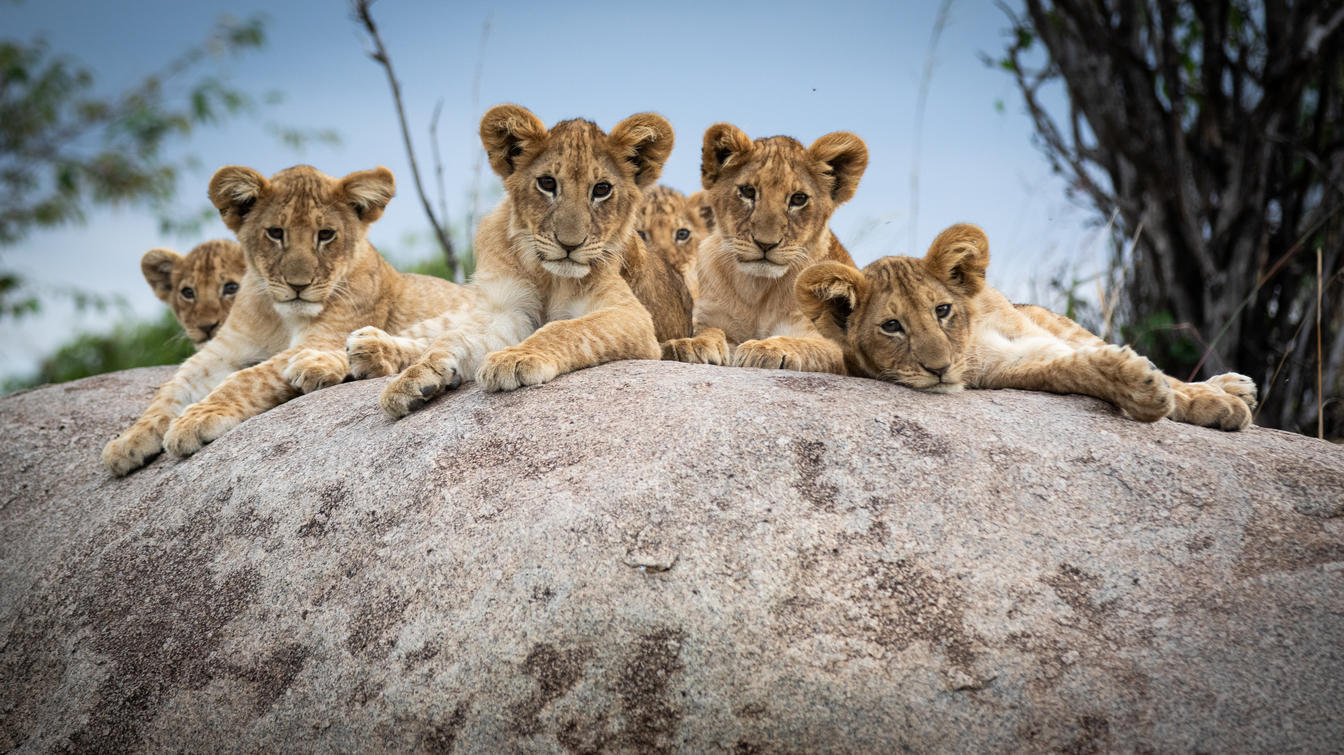
Descending 600 metres into Ngorongoro Crater feels like entering a lost world, where black rhinos—fewer than 30 remain—graze amid 120km of crater floor. Lions here number over 60 prides, often resting atop termite mounds overlooking soda lakes fringed with flamingos.
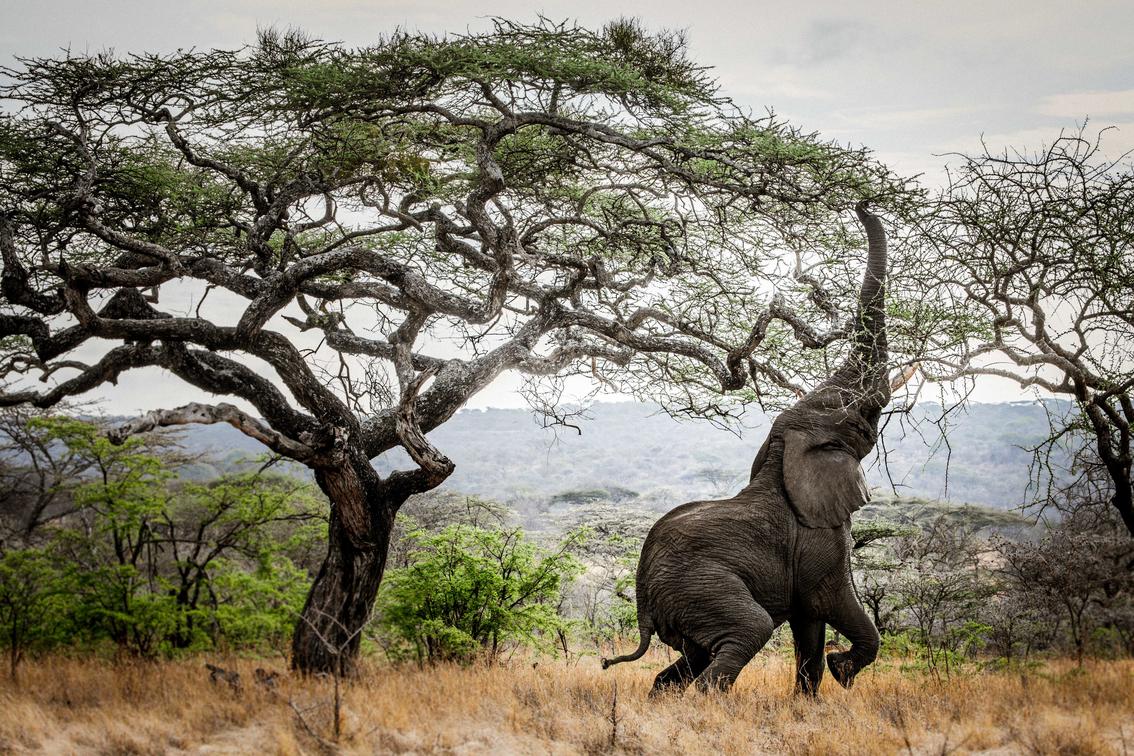
Elephants descend from highlands in the wet season (November-March), their tusks gleaming against volcanic soils. Buffalo herds exceed 400 individuals, challenging leopards that stalk from Lerai Forest's fever trees. The crater's enclosed geography ensures year-round concentrations, with 95% Big Five sighting rates reported by guides.
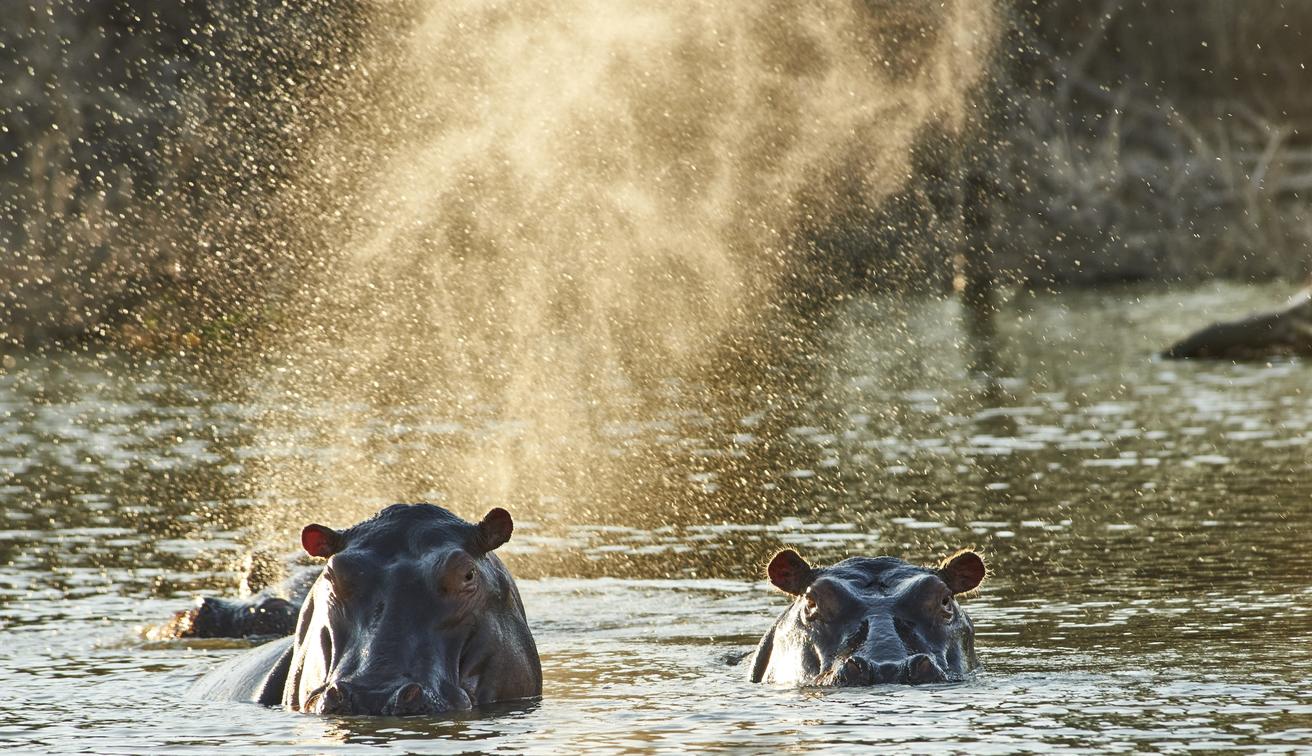
Practical advice: Permits cost $70 per person daily; enter by 6:30am to beat tour buses. Picnic at hippo pools where pods of 50 bask, their grunts echoing off crater walls.
Conservation Efforts Safeguarding Ngorongoro's Icons
Anti-poaching patrols have relocated rhinos from Serengeti edges, boosting numbers by 20% since 2015. Community rangers from Maasai clans monitor herds, blending tradition with modern tracking tech like GPS collars on key elephants.
Visitors contribute via crater fees funding these initiatives, ensuring the Big Five endure for future generations.
"In Ngorongoro's timeless bowl, every animal sighting whispers of a delicate balance preserved through vigilance."
Combining Serengeti and Ngorongoro: Itinerary Essentials
A seven-day journey links these parks seamlessly, starting with Serengeti's endless horizons before crater immersion. Fly into Grumeti airstrip for northern Serengeti access, reducing road time. Luxury camps like those in our Tanzania safari itineraries offer private guides fluent in animal behaviours.
Day 3 transfers to Ngorongoro via game-rich Ngorongoro Conservation Area, spotting Maasai herders alongside giraffes. Budget four days Serengeti, two in crater for balanced Big Five pursuits. Total distances stay under 200km, with flights available via Arusha.
Book hot-air balloon rides over Serengeti for aerial Big Five views (June-Oct prime).
Include night drives in Serengeti for leopard activity peaking after 8pm.
Pair with cultural visits to Maasai bomas for context on human-wildlife coexistence.
Spotting Tips: Behaviour Patterns of Tanzania's Big Five
What is the best way to spot Tanzania's Big Five? Position near river confluences in Serengeti for lion ambushes during migrations—over 8,000 lions prowl the park. Track rhino signs like dung middens in Ngorongoro's marshes, where fresh prints indicate nearby bulls.
Elephants trumpet warnings before charges; maintain 50m distance. Leopards' rasping coughs signal kills at dusk—scan sausage trees for dangling carcasses. Buffalo's watery eyes betray aggression; circle warily in open vehicles.
June-October dry season concentrates buffalo at shrinking pools, lions at kills averaging 50kg meat daily. Use Apps like iNaturalist for real-time sightings shared by rangers.
Seasonal Variations for Each Species
Lions: Pride takeovers spike in wet season; follow sub-adult males.
Leopards: Cubs emerge January-March; check sausage tree clusters.
Elephants: Bull parades in musth (August) near Seronera.
Buffalo: Calves born February; mega-herds in crater wetlands.
Rhinos: Breeding peaks post-rains; Lerai Forest hides mothers.
Plan Your Tanzania Big Five Adventure
Encounters Africa's expertise ensures intimate wildlife encounters tailored to your rhythm. From private vehicles in Serengeti to crater descents at first light, we craft journeys revealing Tanzania's Big Five in their element.
For discerning travellers seeking bespoke safaris beyond set itineraries, contact us directly. We specialise in designing exceptional, tailor-made journeys for individuals, couples, families, and private groups of up to eight guests. Drawing on our handpicked network of distinguished camps and lodges, we curate every detail with precision and care. Reach out today to shape your Serengeti and Ngorongoro experience.
More like this
Wildlife
Stay Safe and Informed: Essential Protocols for African Wildlife Safaris
wildlife
Surprising Resilience: How Northern African Habitats Sustain Rare Species Amid Drought
wildlife
Tanzania Wildlife Viewing: Parks, Species, and Peak Months
Wildlife
Tanzania's Rangers Deploy Drone Networks to Track Elephant Movements Across the Serengeti
wildlife
Tracking Botswana's Zebra Migration: Routes, Seasons and Viewing Strategies
wildlife