Wildlife
Stay Safe and Informed: Essential Protocols for African Wildlife Safaris
Encounters Africa - 10 min read
Updated on 11 August 2026
Staying safe on African wildlife safaris means following established protocols that protect both travellers and the animals they have come to observe. These guidelines, shaped by decades of field experience across reserves in South Africa, Kenya, and Botswana, combine practical common sense with deep respect for wild behaviour. From vehicle positioning near big cats to recognising distress signals in elephants, these core safety practices ensure responsible wildlife viewing across African reserves while deepening your connection to the animals you came to see.
Encounters Africa has guided thousands of travellers through these environments with an unwavering focus on safety and conservation. Our expert teams work closely with lodge staff and experienced rangers who understand every nuance of animal body language and habitat sensitivity. By internalising a few straightforward rules before departure, you transform from passive observer into an engaged, responsible participant in the African wilderness.
Why Safety Protocols Matter on African Wildlife Safaris
African wildlife operates according to instincts honed over millennia. A seemingly calm lion can react in seconds if it feels cornered or if its cubs are threatened. Similarly, a bull elephant in musth sends unmistakable signals that demand immediate respect and distance. Following established safety regulations protects not only the animals but also preserves the fragile trust between wildlife and the humans who share their space.
Responsible safari operators maintain strict vehicle and walking protocols that have been refined through years of observation. These measures reduce stress on animals, minimise the risk of dangerous encounters, and support long-term conservation goals. When every traveller understands and adheres to these standards, the entire industry benefits and future generations can continue to experience these remarkable ecosystems.

The quiet discipline of staying inside the vehicle, speaking in hushed tones, and allowing animals to dictate the pace of an encounter creates some of the most profound connections possible between humans and wild Africa.
Essential Vehicle-Based Safety Regulations
Game drive vehicles are carefully positioned to give animals control over their personal space. Professional guides maintain a minimum distance of 25 metres from lions, leopards and cheetahs, extending this to 50 metres or more when viewing elephants or breeding herds. These distances are not arbitrary; they reflect the comfort zones that allow animals to continue natural behaviours without feeling pressured.
Never stand up, lean out of the vehicle, or make sudden movements while animals are nearby. Even the smallest action can be interpreted as a threat. Keep voices low and switch off camera shutters if the sound might carry. In many private concessions and national parks, including the Masai Mara and Okavango Delta, these rules are enforced for excellent reason: a startled animal can charge with little warning.
Guides will often switch off the engine once positioned. This creates a calmer atmosphere and allows you to hear the subtle sounds of the bush. If an animal approaches the vehicle, remain completely still and allow it to pass. The vehicle itself is seen as a single, non-threatening entity when passengers stay seated and quiet.
Reading Animal Body Language from the Vehicle
Experienced rangers teach travellers to recognise early warning signs. An elephant flapping its ears rapidly, swinging its trunk, or foot-kicking dust is communicating discomfort. A lion staring directly at the vehicle with fixed focus and lowered head may be assessing whether you pose a threat. These signals give travellers precious seconds to adjust position or withdraw.
Your guide will explain these cues during the drive. Over time, you begin to notice the difference between relaxed tail swishing in a lion pride and the rigid, twitching tail that signals agitation. This knowledge transforms each game drive into an active learning experience rather than passive viewing.
Walking Safari Safety Protocols and Procedures
Walking safaris offer an intimate connection with the African landscape but require heightened awareness. Only experienced armed rangers or professional guides lead these activities, and they carry rifles primarily as a deterrent rather than for any offensive purpose. Guests must walk in single file behind the guide, matching pace and maintaining silence.
Never run, even if an animal appears. Sudden movement can trigger a chase response in predators. If an animal is encountered on foot, the guide will instruct the group to stand together and appear larger while assessing the situation. In most cases, the animal will move away if given respectful space and time.
Always inform your guide immediately if you feel unwell or need to stop. Dehydration or fatigue can slow reaction times and compromise group safety. Most lodges provide binoculars, water, and basic medical kits on walking safaris, but your personal responsibility remains central to the experience.
Walking in the African bush sharpens every sense. The crunch of dry leaves underfoot, the scent of wild sage after rain, and the sudden tension in your guide’s posture all become part of a deeper dialogue with the wild.
How to Follow Instructions from Your Professional Guide
Your guide and tracker possess intimate knowledge of their specific concession or reserve. Their instructions are based on years of accumulated experience with local animal populations and seasonal behaviour patterns. When a guide asks for silence or requests that you remain seated, it is because they have read a situation that may not yet be obvious to first-time visitors.
Clear communication flows both ways. If something concerns you, speak quietly and directly to your guide. Many lodges, including Duba Plains Camp and Chobe Game Lodge, encourage questions during the quieter moments between sightings. This dialogue enriches everyone’s understanding and strengthens the partnership between guest and guide.
Respect the “no photographs during certain moments” rule. Some situations, particularly with breeding herds or when animals are hunting, require complete focus from the guiding team. Putting your camera down demonstrates maturity and allows the professionals to prioritise safety and animal welfare.
Common Instructions You Will Hear on Safari
Stay seated and keep arms inside the vehicle when animals are close
Speak only in whispers or use hand signals when predators are nearby
Never exit the vehicle without explicit permission from your guide
Avoid wearing bright colours or strongly scented products that might disturb wildlife
Follow the exact path indicated when walking through thick bush
Recognising and Responding to Animal Distress Signals
Elephants produce a range of vocalisations and physical gestures that indicate their emotional state. A deep rumble combined with ears held out and trunk raised can signal agitation. Foot stamping and dust throwing often precede a mock or real charge. Understanding these signals allows travellers to appreciate the sophistication of elephant communication while knowing when to create more distance.
Lions display clear signs of stress through flattened ears, rapid tail movement, and direct staring. Leopards may flick their tails or emit a rasping cough when uncomfortable. By learning these cues, you become more attuned to the subtle language of the bush and less likely to inadvertently cause distress.
Buffalo herds become particularly unpredictable when they feel threatened. Watch for the lead females turning to face the vehicle with heads raised. This defensive posture often precedes a group charge. Professional guides know these patterns intimately and will reposition the vehicle long before the situation escalates.
Camp and Lodge Safety Regulations to Observe
Most safari camps are unfenced, meaning wildlife moves freely through the property at night. Never walk unaccompanied after dark. Camps provide escorts to and from your tent for good reason. Hippos, lions, and elephants frequently pass through camp areas under cover of darkness, and their movements can be unpredictable.
Keep tent flaps securely closed at night and avoid leaving food or scented items outside. These simple measures prevent unwanted visitors and reduce the risk of attracting animals into sleeping areas. Many lodges in Moremi Game Reserve and the private reserves of South Africa have developed sophisticated systems for managing human-wildlife interaction around camp.
Children under a certain age are often not permitted on certain game drives or walking safaris for safety reasons. This is not a limitation but a protection. Professional operators set these age guidelines based on reaction times, ability to remain quiet, and physical capability to move quickly if required.
What to Do in an Emergency Situation on Safari
Although genuine emergencies are rare when travelling with reputable operators, knowing the correct response can be life-saving. If an animal charges the vehicle, remain seated, stay calm, and follow your guide’s instructions precisely. In most cases the charge is a warning rather than an intent to make contact.
On foot, if an animal charges, the guide may fire a warning shot or use other deterrents. Your role is to stay together as a group, remain calm, and move exactly as instructed. Panic and running create far greater danger than standing firm and appearing confident.
Medical emergencies in remote areas require swift but orderly response. All reputable safari operators carry comprehensive first-aid kits, satellite phones or radio communication, and have evacuation protocols in place. Inform your guide immediately if you experience any health concerns, no matter how minor they may seem.
True safety on safari comes not from eliminating risk but from understanding it deeply and responding to the wild with informed respect rather than fear.
Common Questions About Safari Safety Protocols
What should I do if I need the bathroom during a game drive? Professional guides plan routes with comfort stops in mind. They will find a safe, open area away from thick bush where the group can exit the vehicle together under the guide’s supervision. Never leave the vehicle alone.
Is it safe to take children on safari? Many families travel successfully with children from age six or seven, depending on the operator and specific camp. Reputable companies like Encounters Africa assess each family’s suitability and recommend appropriate experiences. Younger children may be better suited to lodge-based activities and shorter, vehicle-based drives.
What happens if we come across poachers or illegal activity? Professional guides are trained to withdraw immediately and report any suspicious activity to the relevant authorities. Guests should never attempt to intervene or photograph such situations. Conservation efforts across Africa rely on swift reporting through official channels.
Supporting Conservation Through Responsible Behaviour
Following safety protocols contributes directly to conservation success. Animals that experience low-stress encounters with humans are less likely to become habituated or aggressive. This allows for sustainable tourism that generates vital revenue for anti-poaching, habitat protection, and community development programmes.
Choose operators who demonstrate genuine commitment to these principles. Look for camps that employ local staff, support community projects, and maintain transparent conservation policies. Chiawa Safaris and similar forward-thinking operators understand that responsible tourism and wildlife protection are inseparable.
By treating every encounter with patience and respect, travellers become part of the solution rather than part of the pressure on these fragile ecosystems. The memory of a leopard moving silently through dappled light or a herd of elephants crossing a river at dusk carries far greater power when it is earned through quiet observation rather than forced proximity.

Conclusion: Making Every Safari Moment Count
The African wilderness rewards those who approach it with humility, patience, and genuine curiosity. Safety protocols are not restrictions but gateways to deeper understanding and more meaningful encounters. When travellers embrace these guidelines, they move beyond simply seeing wildlife to experiencing it in its most authentic form.
Encounters Africa specialises in creating these transformative journeys. For discerning travellers seeking a private safari beyond our set itineraries, we invite you to contact us directly. We specialise in designing exceptional, tailor-made journeys for individuals, couples, families, and private groups of up to eight guests. Drawing on our handpicked network of distinguished camps and lodges, we curate every detail with precision and care, creating a seamless, deeply personal safari experience shaped entirely around your preferences, pace, and budget.
Visit our enquiry form to begin planning your journey, or explore our range of curated safari experiences across Southern and East Africa. The wild awaits those ready to meet it on its own terms.
More like this
wildlife
Surprising Resilience: How Northern African Habitats Sustain Rare Species Amid Drought
wildlife
Tanzania Wildlife Viewing: Parks, Species, and Peak Months
Wildlife
Tanzania's Rangers Deploy Drone Networks to Track Elephant Movements Across the Serengeti
wildlife
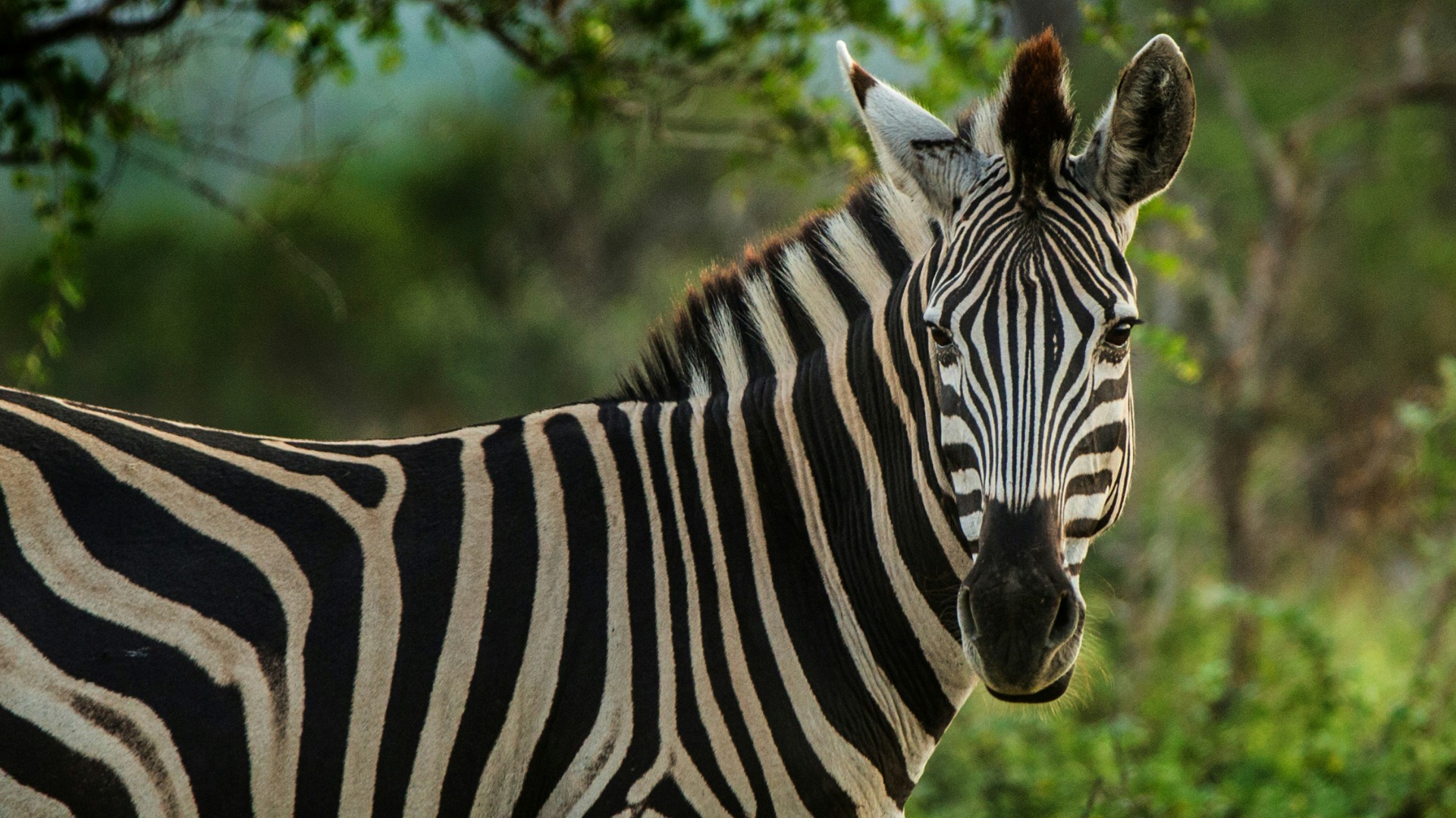
Tracking Botswana's Zebra Migration: Routes, Seasons and Viewing Strategies
wildlife
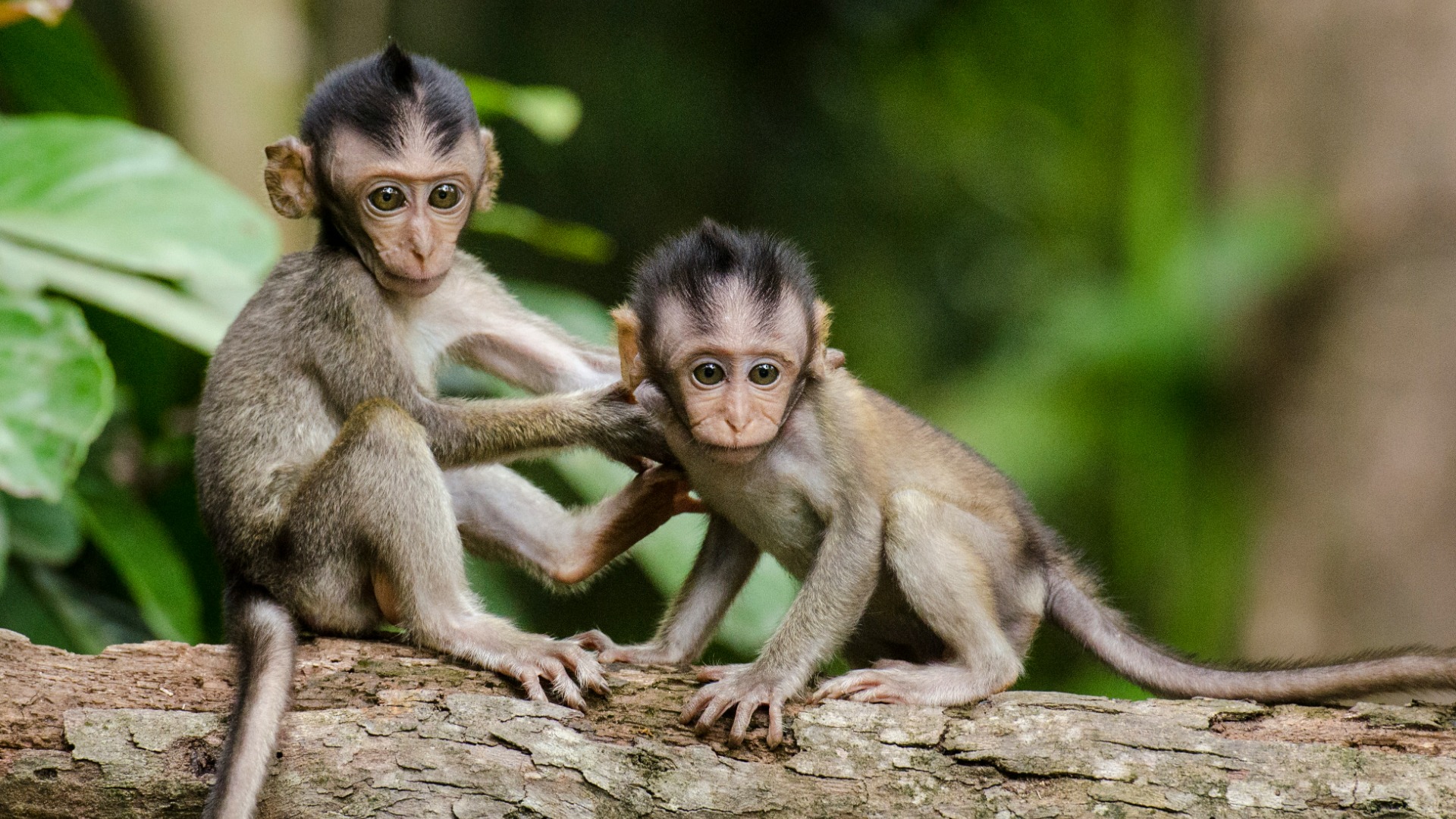
Tracking North Africa's Elusive Barbary Macaques Through Cedar Forests and Snow
wildlife