wildlife
Surprising Resilience: How Northern African Habitats Sustain Rare Species Amid Drought
Encounters Africa - 9 min read
Updated on 10 July 2026
Northern Africa wildlife and habitats demonstrate remarkable adaptability in one of the planet's most challenging environments. From the arid expanses of the Sahara to the rugged Atlas Mountains and fertile Nile wetlands, these ecosystems support an array of rare species despite prolonged periods of drought and habitat pressure. Recent studies highlight how Egyptian vultures and critically endangered northern bald ibises continue to navigate ancient migration routes now threatened by shifting climate patterns.
This article delves into the surprising resilience shown by northern African species and the quiet conservation successes that offer hope for their future. Drawing on field observations and scientific data, we explore how these habitats sustain life where rainfall can be scarce for years at a time. For travellers drawn to experiences beyond the more familiar southern and eastern safari circuits, northern Africa wildlife reveals a different, equally compelling narrative of survival.
The Harsh Realities of Northern African Habitats
Spanning from the Atlantic coast of Morocco to the Red Sea shores of Egypt, northern Africa wildlife and habitats face extreme conditions. Average annual rainfall in parts of the Sahara can dip below 25 millimetres, creating one of Earth's largest hyper-arid zones. Yet within these seemingly barren landscapes, specialised flora and fauna have evolved sophisticated strategies to endure.
The Atlas Mountains, stretching over 2,500 kilometres across Morocco, Algeria, and Tunisia, provide cooler, more varied microclimates at elevations reaching 4,167 metres at Jebel Toubkal. These highlands capture precious moisture from Atlantic winds, supporting cedar and oak forests that shelter species found nowhere else. Meanwhile, the Nile River and its associated wetlands act as vital lifelines, sustaining migratory birds and mammals across otherwise dry territories.
The quiet persistence of life in these arid expanses reminds us that resilience often hides in the smallest adaptations rather than dramatic spectacles.
Coastal habitats along the Mediterranean add yet another layer of diversity. Seasonal wetlands and estuaries here serve as critical stopping points for millions of birds travelling between Europe and sub-Saharan Africa. Understanding these varied northern African regions helps explain why certain species have persisted where others have vanished.
Iconic Species and Their Remarkable Adaptations
Several distinctive animals characterise northern Africa wildlife and habitats. The Saharan cheetah, one of the rarest big cats with an estimated population of fewer than 250 individuals, has developed exceptional endurance for hunting across vast distances. Unlike its southern relatives, this subspecies can survive on minimal water intake, obtaining most of its hydration from prey.
The fennec fox, with its oversized ears that dissipate heat and detect underground prey, thrives in the Sahara's dunes. These nocturnal hunters can live without drinking water for extended periods, relying instead on moisture from insects, small rodents, and desert fruits. Similarly, the addax antelope possesses kidneys specially adapted to concentrate urine, allowing it to extract every drop of moisture from sparse vegetation.
Beyond mammals, avian species demonstrate extraordinary navigation skills. Egyptian vultures travel up to 7,000 kilometres annually between Europe and Africa, using thermal currents to conserve energy during these epic journeys. The northern bald ibis, with fewer than 700 wild individuals remaining, relies on traditional knowledge passed through generations to locate dwindling feeding grounds in Morocco's coastal steppes.
In the face of increasing dryness, these creatures teach us that survival often depends on ancient instincts refined over millennia.
Barbary Macaques and Mountain Dwellers
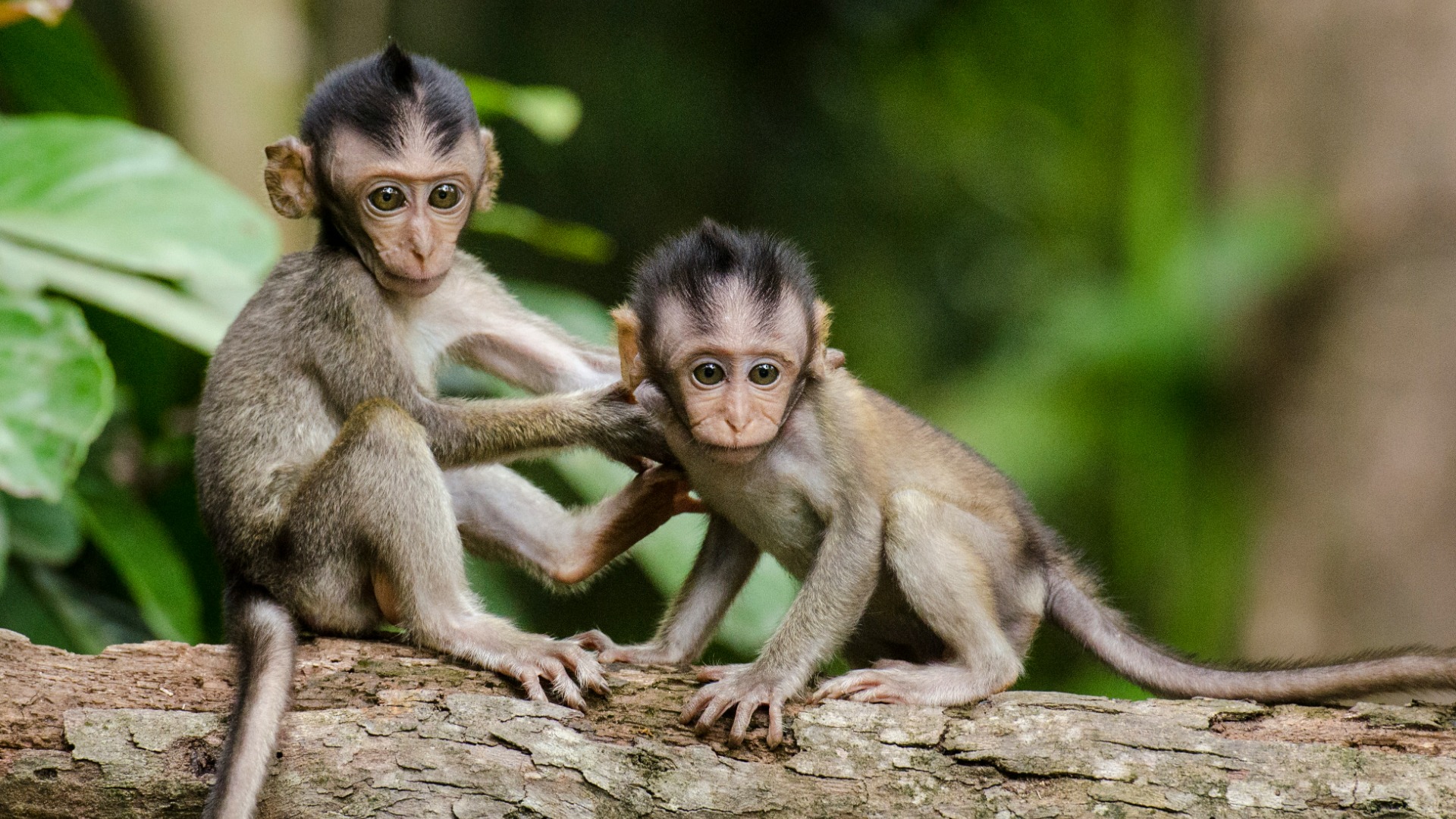
High in the cedar forests of the Atlas Mountains, Barbary macaques represent the only wild primate population north of the Sahara. These social monkeys have adapted to colder temperatures than most primates, with thicker fur and behavioural adjustments that include huddling together during winter nights when temperatures can drop below freezing.
Recent surveys indicate approximately 5,000 to 7,000 individuals remain in fragmented populations across Morocco and Algeria. Their presence serves as an indicator of forest health, as they disperse seeds of the Atlas cedar, a tree crucial for watershed protection in the region.

Key Habitats Supporting Northern Africa Wildlife
Northern African regions encompass several distinct ecosystems, each playing a unique role in sustaining biodiversity. The Sahara Desert, covering roughly 9.2 million square kilometres, might appear lifeless from above, yet supports over 2,500 plant species and 120 mammals when studied closely. Oases scattered across this expanse act as biodiversity hotspots where date palms and acacia trees create shaded microhabitats.
The Sahel, a transitional zone between the desert and savanna, experiences slightly higher rainfall between 100 and 600 millimetres annually. This semi-arid belt supports nomadic pastoralists and wildlife alike, though both face increasing pressure from desertification. Further north, Mediterranean woodlands and scrublands provide essential wintering grounds for European migratory birds.
Wetland areas associated with the Nile Delta and valley harbour rich biodiversity despite heavy human modification. These habitats support over 300 bird species and serve as vital refuges during the harshest dry seasons. Coastal lagoons in Tunisia and Morocco similarly offer sanctuary for flamingos, herons, and numerous wading birds.
The Role of Protected Areas
Conservation efforts in northern Africa wildlife and habitats have created important protected zones. Tunisia's Ichkeul National Park, a UNESCO World Heritage site, preserves one of the last remaining freshwater lakes in the region and supports up to 400,000 wintering waterfowl. Similarly, Morocco's Souss-Massa National Park protects critical coastal habitat for the northern bald ibis.
In Algeria, the Ahaggar and Tassili n'Ajjer National Parks encompass vast Saharan mountain ranges where rock art dating back 12,000 years depicts species long disappeared from the area. These parks now focus on protecting remaining populations of Saharan cheetahs, Nubian bustards, and Dorcas gazelles.
Protected areas in northern Africa prove that even modest conservation investment can yield significant results when paired with community engagement and scientific monitoring.
Conservation Challenges and Emerging Successes
Northern Africa wildlife and habitats confront multiple threats, chief among them being climate change and habitat fragmentation. Temperatures in the Sahara have risen approximately 1.5°C since the 1970s, intensifying drought cycles and reducing available vegetation. Human activities including overgrazing, mining, and infrastructure development further fragment already limited habitats.
Yet there are encouraging developments. Community-based conservation programmes in Morocco have helped stabilise northern bald ibis populations through careful monitoring and habitat protection. International collaborations have established satellite tracking of Egyptian vultures, revealing previously unknown migration bottlenecks where targeted interventions can make a difference.
In Egypt, efforts to reconnect fragmented Nile wetlands through sustainable agriculture practices show promise for both local communities and wildlife. Similar initiatives in Tunisia focus on preserving traditional water management systems that benefit both people and the species dependent on seasonal wetlands.
What Makes These Habitats So Resilient?
A common question among those exploring northern Africa wildlife and habitats concerns how life persists amid such challenging conditions. The answer lies in a combination of behavioural flexibility, physiological adaptations, and increasingly, targeted human intervention.
Species here have evolved over thousands of years to cope with extreme variability. Many plants employ deep root systems reaching groundwater sources or produce seeds that remain dormant until rare rains arrive. Animals often shift their activity patterns seasonally, becoming more nocturnal during hotter months or migrating hundreds of kilometres in search of resources.
Modern conservation approaches build upon these natural resiliences. By protecting key water sources, controlling invasive species, and working alongside local communities, initiatives create conditions where native wildlife can continue their ancient patterns of movement and survival. Research from 2022-2023 indicates that well-managed protected areas in the region have seen population increases of 15-30% for certain bird and antelope species despite ongoing drought pressures.
Experiencing Northern African Wildlife Responsibly
For those keen to witness these remarkable adaptations firsthand, responsible travel plays an important role in supporting conservation. Guided experiences in Morocco's High Atlas or Egypt's Western Desert offer opportunities to observe species while contributing to local economies that value wildlife protection.
Consider visiting during the cooler months between October and April when temperatures are more comfortable and migratory birds swell local populations. Early morning or late afternoon excursions maximise sightings while minimising heat stress on both visitors and animals. Supporting community-led initiatives ensures that conservation benefits reach those living closest to these habitats.
Our related article on conservation efforts protecting Africa's rarest species provides deeper insight into how similar programmes operate across the continent. For those interested in mountain ecosystems, exploring the Atlas Mountains reveals the vital connection between altitude, climate, and biodiversity in northern African regions.
Travellers seeking authentic encounters might also consider experiences in Big Cave Camp, which offers perspectives on how ancient landscapes shape modern conservation approaches. These journeys complement the more traditional safari experiences found further south, creating a fuller picture of Africa's extraordinary natural heritage.

Looking Ahead: The Future of Northern Africa Wildlife
The resilience demonstrated by northern Africa wildlife and habitats offers valuable lessons for conservation worldwide. As climate patterns continue to shift, understanding these adaptations becomes increasingly relevant not just for the region but for arid zones globally. The quiet successes in protecting Egyptian vultures, Saharan cheetahs, and northern bald ibises prove that targeted, community-involved efforts can yield meaningful results.
Scientific monitoring combined with traditional ecological knowledge provides the strongest foundation for future protection. Local communities, particularly nomadic groups with generations of environmental wisdom, hold crucial insights into species movements and habitat needs. When these perspectives inform conservation strategies, outcomes improve significantly for both people and wildlife.
The story of northern African species is ultimately one of cautious optimism. While challenges remain substantial, the adaptability shown by both habitats and their inhabitants suggests that with continued support, these remarkable ecosystems can persist. Each protected waterhole, restored wetland, and community conservation project adds another thread to the intricate web sustaining life in this demanding corner of the continent.
For discerning travellers seeking a private safari beyond our set itineraries, we invite you to contact us directly. We specialise in designing exceptional, tailor-made journeys for individuals, couples, families, and private groups of up to eight guests. Drawing on our handpicked network of distinguished camps and lodges, we curate every detail with precision and care, creating a seamless, deeply personal safari experience shaped entirely around your preferences, pace, and budget.
Whether your interests lie in the unique wildlife of northern African regions or the iconic species of southern and eastern Africa, reach out to Encounters Africa to begin planning your journey. Our expertise ensures that every moment spent observing these resilient creatures contributes to their protection while creating memories that last a lifetime.
More like this
wildlife
Tanzania Wildlife Viewing: Parks, Species, and Peak Months
Wildlife
Tanzania's Rangers Deploy Drone Networks to Track Elephant Movements Across the Serengeti
wildlife
Tracking Botswana's Zebra Migration: Routes, Seasons and Viewing Strategies
wildlife
Tracking North Africa's Elusive Barbary Macaques Through Cedar Forests and Snow
wildlife
Tracking South Africa's Cape Leopard Through Rugged Mountain Ranges
wildlife