wildlife
Tanzania Wildlife Viewing: Parks, Species, and Peak Months
Encounters Africa - 4 min read
Updated on 1 May 2026
Two million wildebeest thunder through Tanzania yearly, crocs ambush at Mara River, vultures circle kills. Calving peaks Jan-Mar, river drama Jul-Oct—prime windows for intimate observations. Tanzania wildlife viewing draws discerning travellers to vast parks where raw nature unfolds in predictable yet thrilling cycles, offering front-row seats to survival dramas amid acacia-dotted plains and mist-shrouded craters.
From the endless grasslands of the Serengeti to the baobab-studded expanses of Tarangire, Tanzania hosts over 4 million large mammals, including the planet's largest migratory herds. These ecosystems sustain iconic species through seasonal rhythms that dictate the best times for sightings. Encounters Africa guides travellers to prime vantage points, blending luxury camps with expert insights for profound connections.
Tanzania's Premier Wildlife Parks for Unmatched Viewing
The Serengeti National Park spans 14,750 square kilometres of savannah, serving as the heartbeat of Tanzania wildlife viewing. Here, the Great Migration pulses with life, drawing predators in its wake. Open vehicles glide silently across the plains, positioning guests mere metres from the action.
Tarangire National Park, often overlooked, boasts the highest elephant density outside the Congo Basin during dry seasons. Towering baobabs frame herds numbering in the thousands, while python hunts and oryx sightings add intrigue. Arusha National Park offers intimate encounters with black-and-white colobus monkeys amid lush rainforests.
Ngorongoro Crater descends 600 metres into a natural bowl teeming with 25,000 animals. Lions laze on the crater floor, rhinos graze warily, and hippo pools churn with activity. This UNESCO site concentrates wildlife in a compact arena, ideal for comprehensive day-long explorations.
In Tanzania's parks, nature's theatre stages daily spectacles—from migration stampedes to predator ambushes—crafted for patient observers.
Iconic Species and Their Signature Behaviours
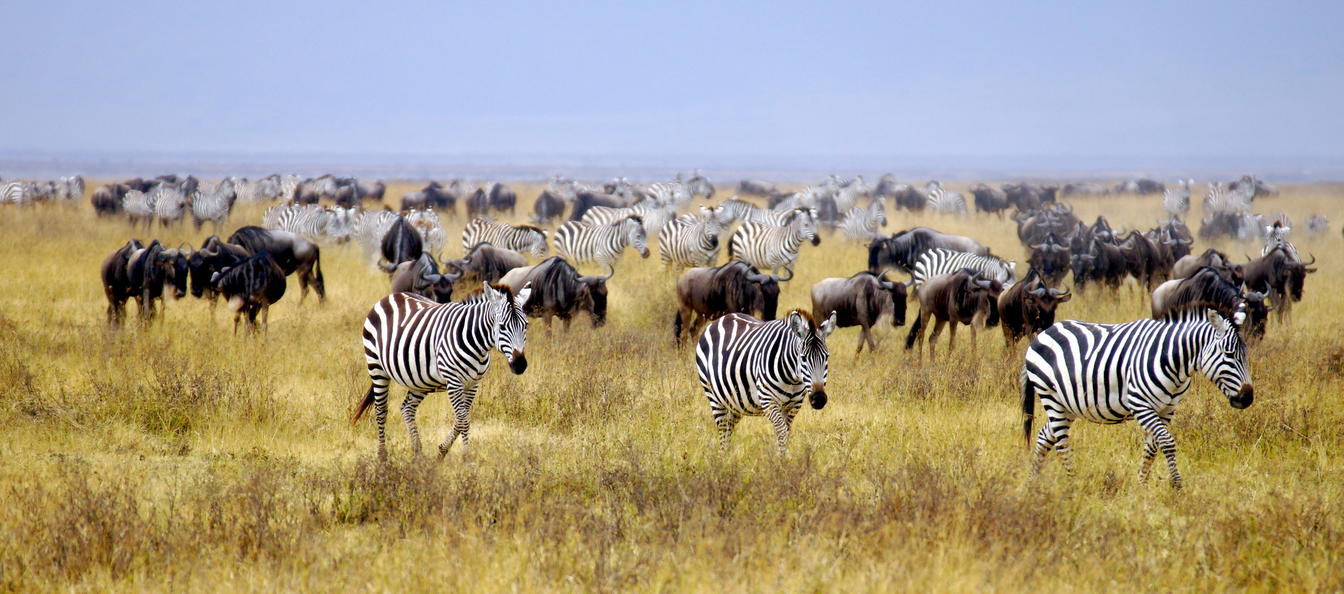
Wildebeest form the migration's backbone, with herds swelling to two million during calving season. Zebras and gazelles trail them, creating a moving buffet for lions, cheetahs, and hyenas. Vultures descend on fresh kills, their wings casting shadows over the feast.
Big Cats: Lions, Leopards, and Cheetahs
Tanzania's lion prides, numbering over 40 in the Serengeti alone, defend territories with thunderous roars echoing at dusk. Leopards drape kills over acacia branches in Tarangire, their spotted coats blending into twilight. Cheetahs, with Tanzania hosting significant populations, launch high-speed pursuits reaching 100 km/h across open plains.
Elephants and Other Megaherbivores
Elephant herds in Tarangire strip bark from ancient baobabs, their trumpets reverberating through dry riverbeds. Hippos dominate shallow pools, jaws agape in territorial displays. Black rhinos, critically endangered, roam Ngorongoro's grassy floor under ranger protection.
Birds add vibrant layers, with 500 species recorded in the Serengeti, including Maasai ostriches strutting in iridescent finery and lilac-breasted rollers flashing jewel tones mid-flight.
Best Months for Tanzania Wildlife Viewing by Season
The best time to visit Tanzania for wildlife viewing hinges on migration phases and weather patterns. Dry months from June to October concentrate animals around water sources, sharpening sightings. Rainy seasons from November to May bring lush greenery but fewer crowds.
January to March marks calving season in southern Serengeti, birthing 500,000 wildebeest calves amid predator frenzy. Cheetahs and hyenas capitalise on vulnerable young, creating non-stop action. Fewer visitors mean exclusive game drives at dawn.
January-March (Calving Peak): Southern Serengeti plains explode with new life; predators thrive on easy prey.
April-May (Green Season): Lush landscapes hide herds dispersing; birdwatching surges with migrants.
June-October (Migration Crossings): Northern Serengeti and Mara River host dramatic river drama with crocodile ambushes.
November-December (Short Rains): Herds return south; newborn impala attract leopards.
Timing unlocks Tanzania's wildlife secrets: calve with wildebeest in January, witness river crossings in July—nature's calendar rewards the informed.
Planning Your Tanzania Wildlife Safari: Practical Insights
What is the best way to experience Tanzania wildlife viewing? Opt for fly-in safaris combining bush airstrips with luxury camps like those in the Serengeti for seamless transitions. Game drives at dawn and dusk maximise encounters, while night drives reveal nocturnal hunters.
Pack neutral khaki attire, binoculars with 8x magnification, and high-SPF sunscreen for equatorial sun. Malaria prophylaxis is essential year-round, with lodges providing nets. Fly-camping extensions offer starlit immersion amid grunting hippos.
Ethical Viewing and Conservation Contributions
Encounters Africa partners with anti-poaching initiatives, channeling guest fees to rhino protection in Ngorongoro. Maintain 25-metre distances from wildlife, silencing engines near kills. Community conservancies in nearby Maasai lands ensure benefits flow locally.
Tanzania's protected areas cover 42% of its land, safeguarding biodiversity hotspots. Your journey supports this network, from elephant corridors in Tarangire to chimp habitats in Mahale Mountains National Park.
Conclusion: Craft Your Tanzania Wildlife Journey
Tanzania wildlife viewing weaves raw power with delicate cycles, from thundering migrations to fleeting leopard stares. Parks like Serengeti and Ngorongoro deliver consistent spectacles across seasons, rewarding repeat visits. Encounters Africa crafts personalised itineraries, matching your pace to nature's rhythm.
For discerning travellers seeking private safaris beyond set itineraries, contact Encounters Africa directly. We specialise in tailor-made journeys for individuals, couples, families, and groups up to eight, drawing on our network of camps for seamless, personal experiences. Explore our Tanzania safari itineraries or begin planning your intimate wildlife odyssey today.
More like this
Wildlife
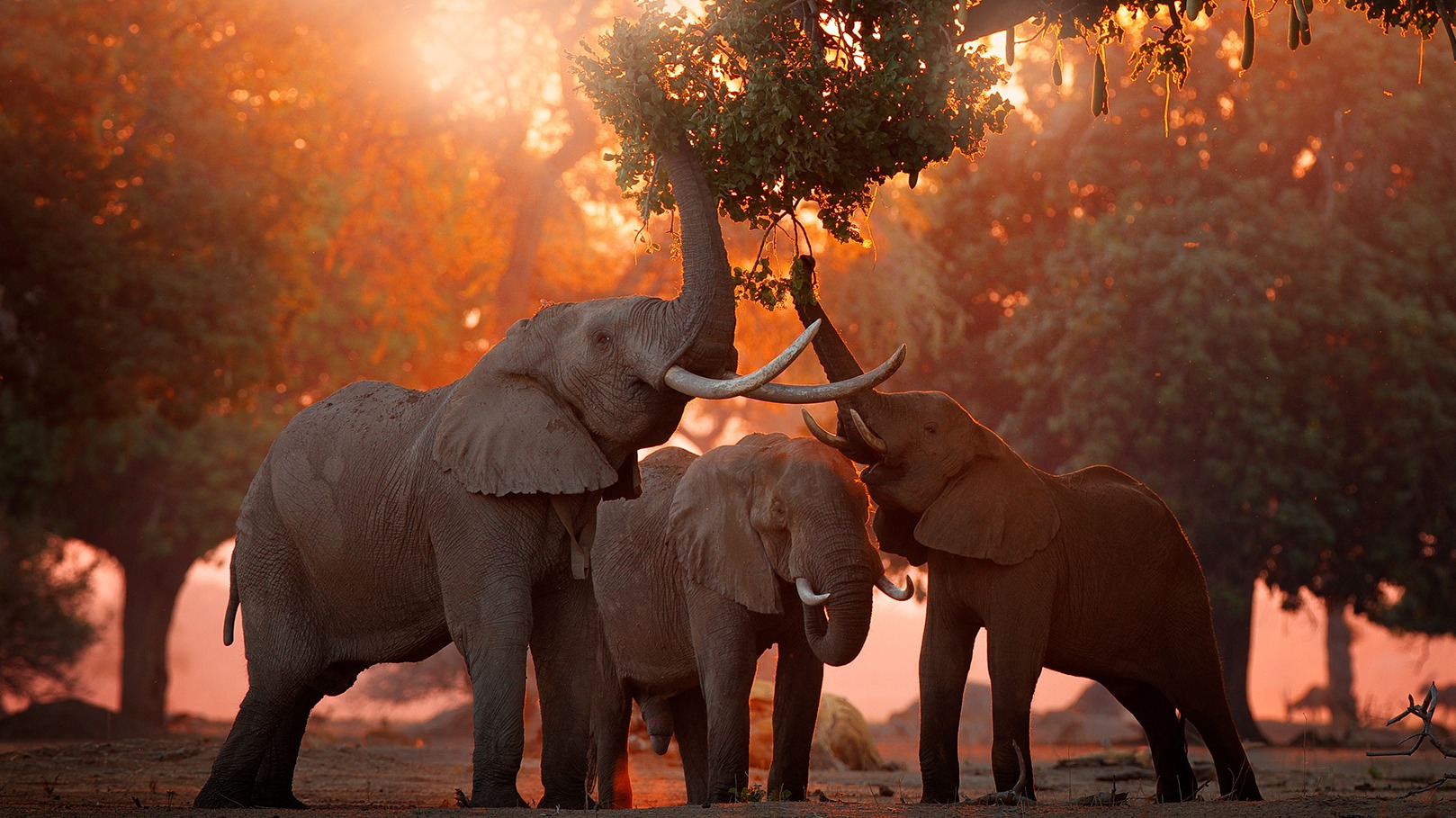
Tanzania's Rangers Deploy Drone Networks to Track Elephant Movements Across the Serengeti
wildlife
Tracking Botswana's Zebra Migration: Routes, Seasons and Viewing Strategies
wildlife
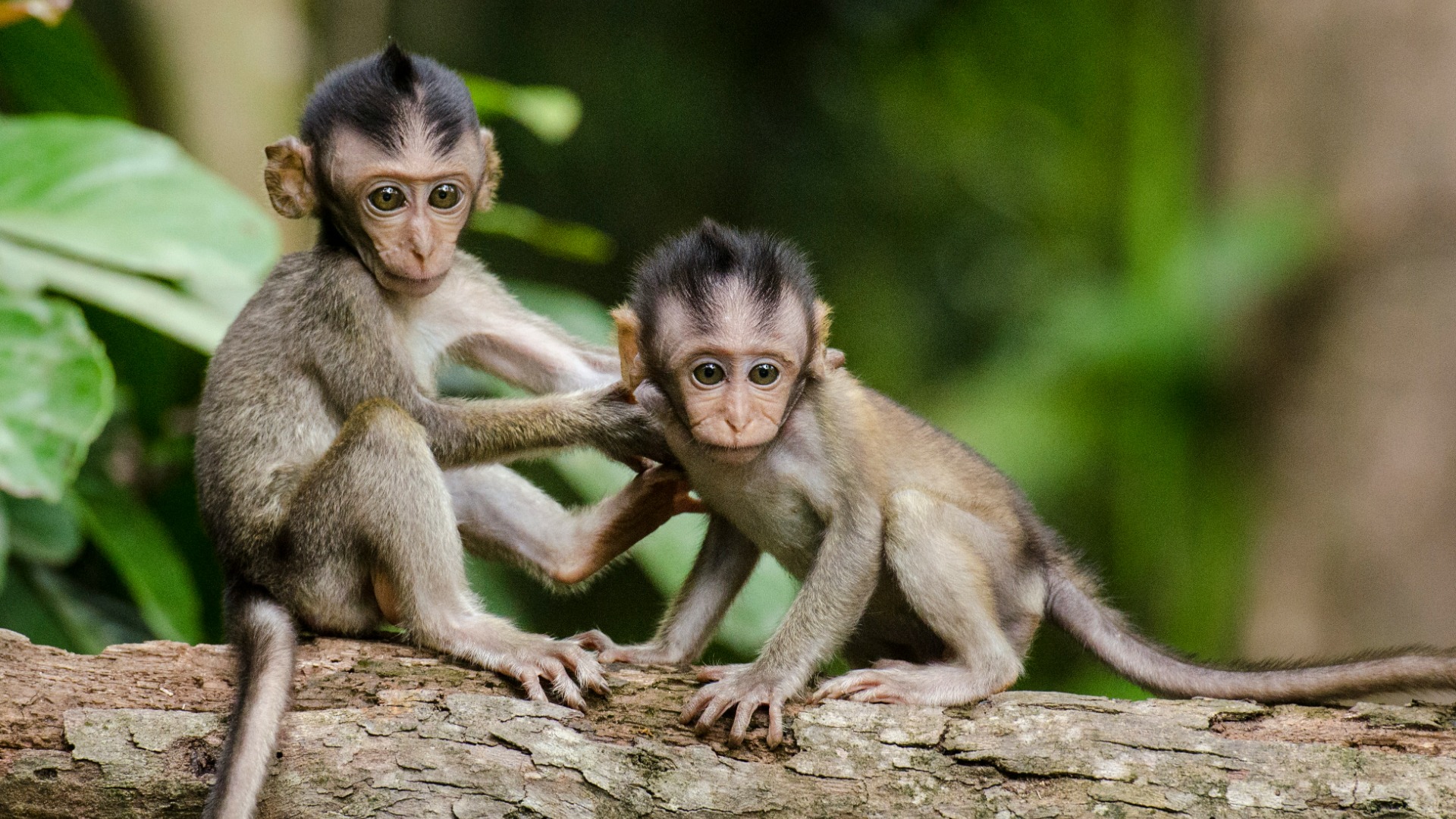
Tracking North Africa's Elusive Barbary Macaques Through Cedar Forests and Snow
wildlife
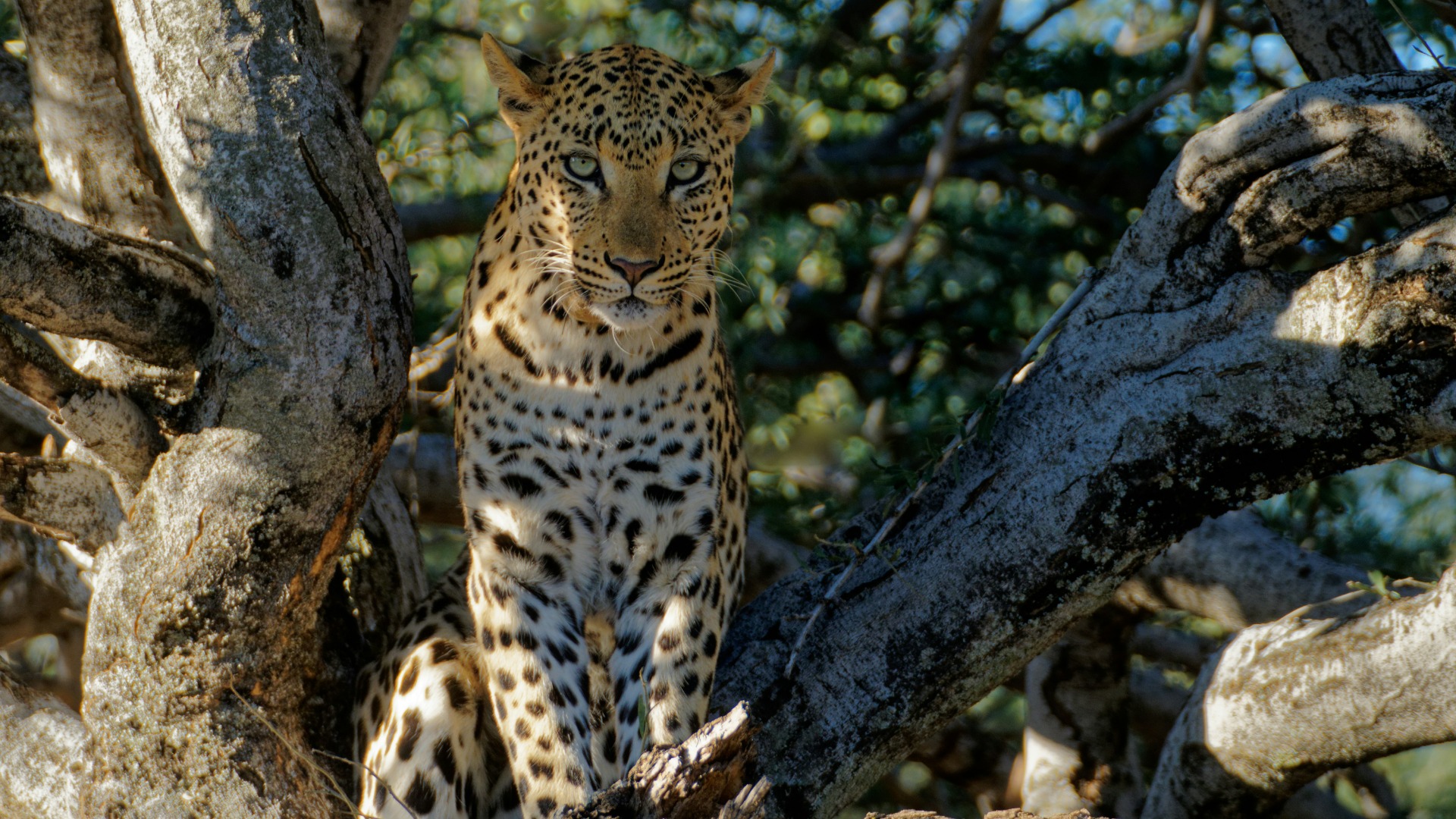
Tracking South Africa's Cape Leopard Through Rugged Mountain Ranges
wildlife
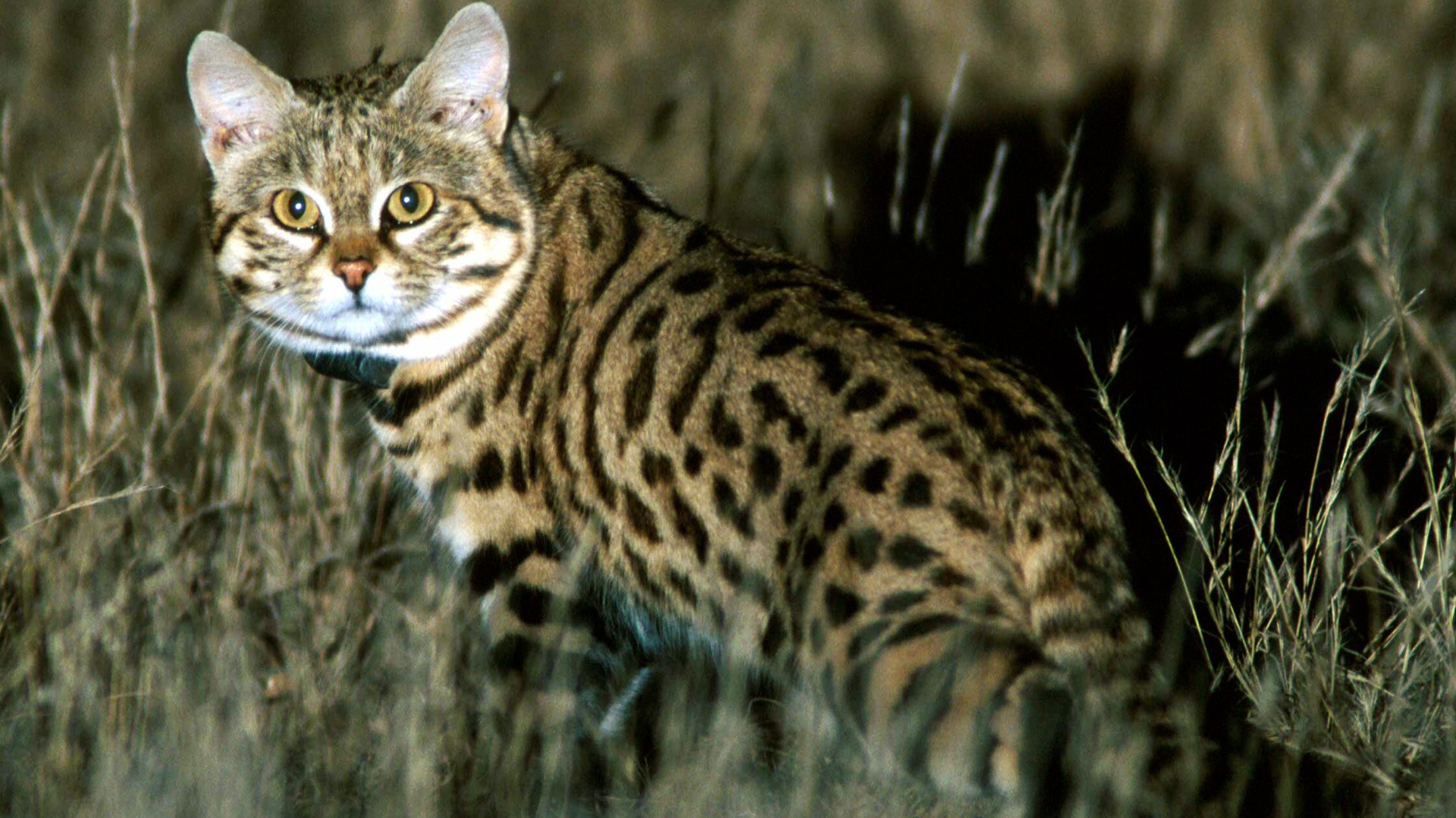
Tracking the Black-Footed Cat After Dark in South Africa's Karoo
Wildlife