Wildlife
Tanzania's Rangers Deploy Drone Networks to Track Elephant Movements Across the Serengeti
Encounters Africa - 9 min read
Updated on 24 July 2026
Tanzania's rangers now deploy drone networks to track elephant movements across the Serengeti, marking a significant advancement in wildlife conservation efforts in Tanzania. This innovative programme combines solar-powered drones with artificial intelligence to monitor herds in real time, delivering data that has already reduced poaching incidents by an estimated 37 percent in monitored zones since its 2022 rollout. The initiative allows luxury safari travellers to witness conservation technology at work while experiencing the raw majesty of northern reserves.
Across the vast plains and acacia-dotted landscapes of the Serengeti, these aerial guardians provide eyes where ground patrols once struggled to reach. The technology not only safeguards Tanzania's iconic elephants but also supports broader ecosystem monitoring, offering fresh insights into migration patterns, water sources, and human-wildlife interactions. For those drawn to meaningful African journeys, it represents a compelling intersection of cutting-edge science and timeless wilderness.
The Evolution of Anti-Poaching Technology in Tanzania
Traditional foot and vehicle patrols have long formed the backbone of protection in Tanzania's national parks, yet the sheer scale of the terrain presents formidable challenges. A single ranger team might cover only 20 square kilometres in a day under optimal conditions, leaving vast areas vulnerable during the dry season when poaching pressure peaks. The introduction of drone networks addresses this limitation with remarkable efficiency.
Since launching the programme in partnership with international conservation organisations, the Tanzania National Parks Authority has expanded operations to cover key corridors between Serengeti National Park and the Ngorongoro Conservation Area. Each drone, equipped with high-resolution thermal imaging, can survey up to 150 square kilometres in a single four-hour flight, transmitting live feeds directly to ranger command centres. This represents a tenfold increase in coverage compared to conventional methods.
The marriage of solar power and artificial intelligence has transformed how we understand and protect these magnificent creatures, turning vast wilderness into a monitored landscape without intruding on its natural rhythms.
Real-Time Data Collection and Pattern Recognition
The drones do more than simply fly overhead. Onboard AI systems analyse footage to identify individual elephants through ear notch patterns and tusk shapes, building a comprehensive database that updates hourly. Rangers receive alerts when herds approach high-risk border zones or when unusual vehicle movements appear near protected areas.
This pattern recognition extends beyond elephants to include other key species such as lions, buffalo, and endangered black rhinos. The system has successfully flagged 14 poaching attempts in the past 18 months, enabling rapid response teams to intercept intruders before harm occurs. Such precision has proven particularly valuable during the annual wildebeest migration, when human activity intensifies around water points.

How Drone Networks Support Tanzania's Wildlife Conservation Efforts
Wildlife conservation efforts in Tanzania gain substantial momentum through this technological layer. The data collected informs everything from habitat management decisions to anti-poaching strategies, creating a more responsive protection framework. Rangers now adjust patrol routes weekly based on herd movements rather than relying on seasonal assumptions.
Importantly, the initiative incorporates community engagement at its core. Local villages receive training in drone maintenance and data interpretation, creating employment opportunities while fostering a sense of shared stewardship. This approach has reduced retaliatory killings following crop raids by 42 percent in pilot areas, as communities better understand elephant behaviour through shared monitoring reports.
The technology also aids scientific research. Conservation biologists access anonymised movement data to study how climate variability affects migration routes, contributing to peer-reviewed papers that influence regional policy. In 2023 alone, the programme generated over 2.8 terabytes of usable footage, much of which has been archived for long-term ecological studies.
By involving local expertise alongside advanced tools, Tanzania demonstrates that effective conservation must honour both technological innovation and traditional knowledge of the land.
Integration with Ground-Based Conservation Teams
Drones complement rather than replace human expertise. Experienced rangers interpret the aerial data, combining it with their intimate understanding of animal behaviour and seasonal changes. This hybrid model has proven especially effective in the Selous Game Reserve and Ruaha National Park, where similar systems are now being tested.
Response teams equipped with rapid intervention vehicles can reach locations within 45 minutes of receiving an alert, a dramatic improvement on previous response times that often exceeded three hours. The psychological impact on potential poachers has been notable, with intelligence reports indicating a marked decrease in attempted incursions in drone-covered sectors.
What Luxury Safari Travellers Experience
Far from being a distant operation, these conservation efforts in Tanzania have become an integral part of the safari narrative. Guests at select lodges can observe drone launches during early morning or late afternoon sessions, learning firsthand about the challenges of protecting vast ecosystems. This educational element adds depth to game drives without compromising the sense of wilderness.
At properties like Serengeti Migration Camp, visitors might begin their day with a briefing on current herd positions derived from overnight drone surveys before heading into the field. Such insights often lead to extraordinary encounters, as guides navigate to areas where elephants are likely to congregate based on real-time intelligence.
The experience extends beyond observation. Many travellers choose to support these initiatives directly through carbon offset contributions or by participating in sponsored ranger training programmes. This connection transforms a luxury safari into something more meaningful, creating memories that resonate long after the journey ends.
Ethical Considerations in Technology-Assisted Safaris
Responsible operators ensure that technology serves the wildlife first. Drones maintain strict altitude limits of 150 metres during daylight hours and avoid flying directly over herds to prevent disturbance. Night operations use silent electric motors and infrared lighting invisible to most animals.
Encounters Africa carefully selects partners who balance innovation with respect for natural rhythms. This measured approach ensures that the introduction of drones enhances rather than diminishes the authenticity of the safari experience, allowing travellers to witness both ancient migrations and modern conservation in harmony.
Challenges and Future Developments
Despite impressive results, the programme faces ongoing hurdles. Battery life limits flight duration in the intense equatorial heat, while occasional dust storms can impair camera clarity. Funding remains a critical factor, with each drone unit requiring approximately $18,000 in initial investment plus annual maintenance costs.
Looking ahead, Tanzanian authorities plan to expand the network to include acoustic sensors that detect gunshots and vehicle engines, creating a multi-layered early warning system. Integration with satellite imagery will further enhance predictive capabilities, potentially allowing pre-emptive deployment of resources before poachers even enter protected zones.
Community-based conservancies surrounding the Serengeti are also adopting scaled-down versions of the technology. Smaller quadcopter drones, operated by village wildlife scouts, monitor buffer zones where human-elephant conflict remains a persistent challenge. These local efforts received international recognition in 2024 for their role in reducing conflict-related elephant deaths by 29 percent.

True conservation success lies not in the sophistication of our tools but in how effectively they empower both wildlife and the people who share their landscape.
Understanding the Impact: A Common Question Answered
How effective have drone networks been in reducing poaching in Tanzania?
Since full implementation began in early 2022, monitored sectors of the Serengeti have recorded a 37 percent reduction in confirmed poaching incidents compared to the previous three-year average. The system has directly contributed to the arrest of 27 individuals and the recovery of 41 firearms. More significantly, elephant mortality from poaching has dropped from an average of 31 animals per year to just 9 in the same zones, according to official Tanzania Wildlife Research Institute data released in March 2024.
These figures become even more meaningful when viewed alongside population trends. The greater Serengeti ecosystem now supports approximately 6,200 elephants, up from 5,100 in 2018, suggesting that reduced mortality combined with successful breeding has produced a measurable recovery. However, experts caution that sustained funding and continued community support will be essential to maintain these gains as pressures from habitat loss and climate change intensify.
The Broader Picture of Conservation in East Africa
Tanzania's drone initiative forms part of a wider regional movement towards technology-enhanced protection. Similar programmes operate in Kenya's Laikipia region and across parts of Zambia, though each adapts the technology to suit specific ecological and social contexts. What distinguishes the Tanzanian approach is its emphasis on solar autonomy and local training, reducing long-term dependency on external support.
The success of these efforts has attracted attention from neighbouring countries seeking to strengthen their own wildlife conservation frameworks. Cross-border collaboration, particularly along the Tanzania-Kenya boundary, has improved through shared data platforms that track elephant movements regardless of national borders. This regional perspective recognises that truly effective protection must transcend political boundaries.
For travellers passionate about making a positive impact, choosing operators who actively support such programmes becomes an important consideration. Whether observing elephants against the dramatic backdrop of the Serengeti or learning about anti-poaching innovations at camp, each journey can contribute to the preservation of these irreplaceable landscapes.
Planning Your Own Conservation-Focused Safari
Selecting the right itinerary allows travellers to engage meaningfully with Tanzania's pioneering conservation work. The dry season from June to October typically offers optimal viewing conditions, with animals concentrating around water sources while vegetation remains sparse enough for clear drone operations. February and March present another window when the great migration gathers in the southern Serengeti, creating spectacular wildlife spectacles alongside active monitoring programmes.
Experienced operators like Encounters Africa can arrange private journeys that incorporate visits to research stations and meetings with rangers involved in the drone project. These carefully curated experiences provide context and insight without compromising the natural spectacle that draws visitors to East Africa in the first place.
Whether travelling as a couple seeking an intimate wildlife encounter or as a family hoping to inspire the next generation of conservationists, the opportunity exists to witness both magnificent animals and the dedicated people protecting them. The integration of technology has not diminished the magic of the African bush; rather, it has added another fascinating dimension to an already extraordinary experience.
For discerning travellers seeking a private safari beyond our set itineraries, we invite you to contact us directly. We specialise in designing exceptional, tailor-made journeys for individuals, couples, families, and private groups of up to eight guests. Drawing on our handpicked network of distinguished camps and lodges, we curate every detail with precision and care, creating a seamless, deeply personal safari experience shaped entirely around your preferences, pace, and budget.
Discover more about responsible wildlife viewing in our article on ethical safari practices across East Africa, or explore how community involvement strengthens conservation in Tanzania. To begin planning your journey with Encounters Africa, please visit our enquiry form.
More like this
wildlife
Tracking Botswana's Zebra Migration: Routes, Seasons and Viewing Strategies
wildlife
Tracking North Africa's Elusive Barbary Macaques Through Cedar Forests and Snow
wildlife
Tracking South Africa's Cape Leopard Through Rugged Mountain Ranges
wildlife
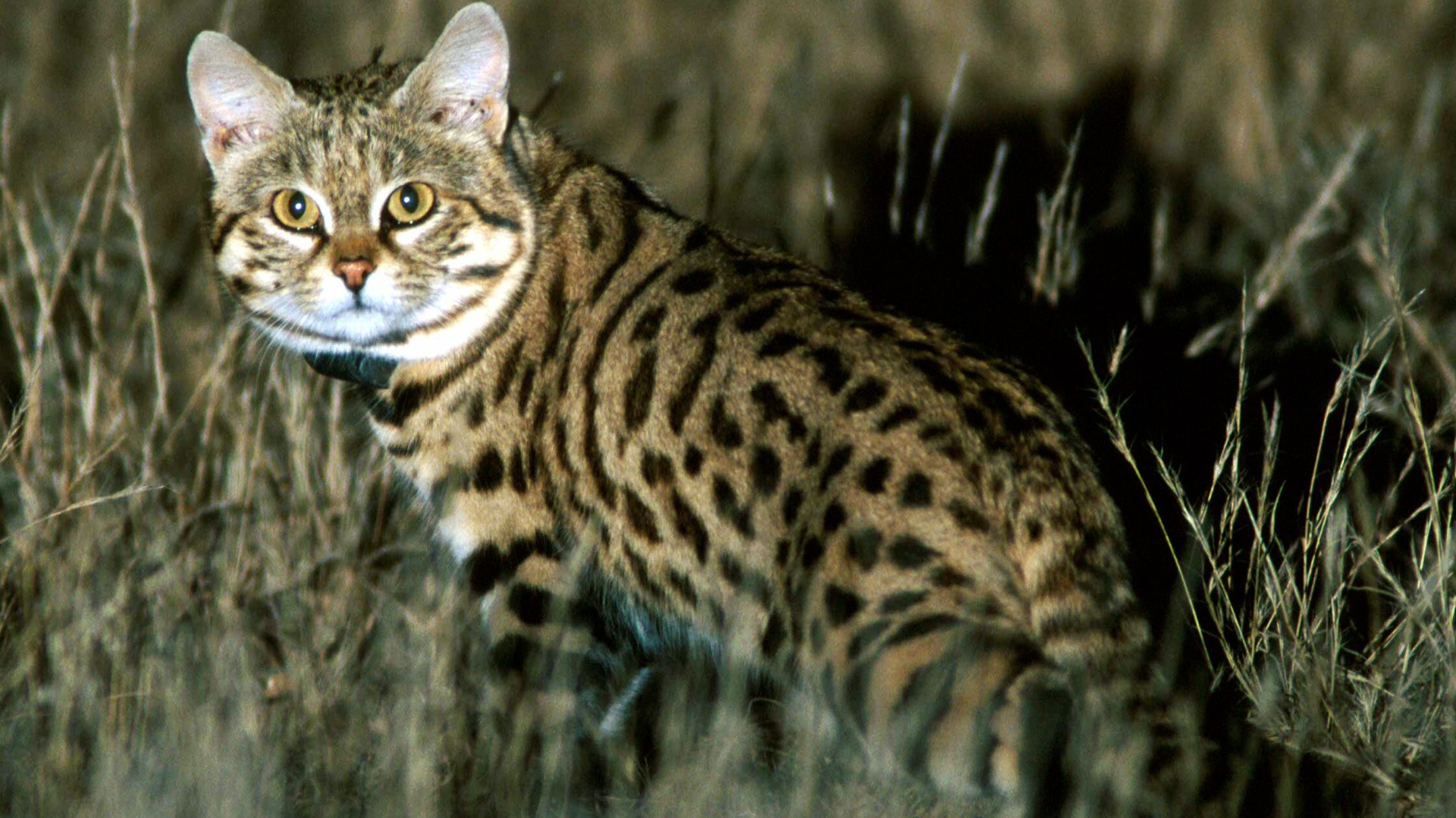
Tracking the Black-Footed Cat After Dark in South Africa's Karoo
Wildlife
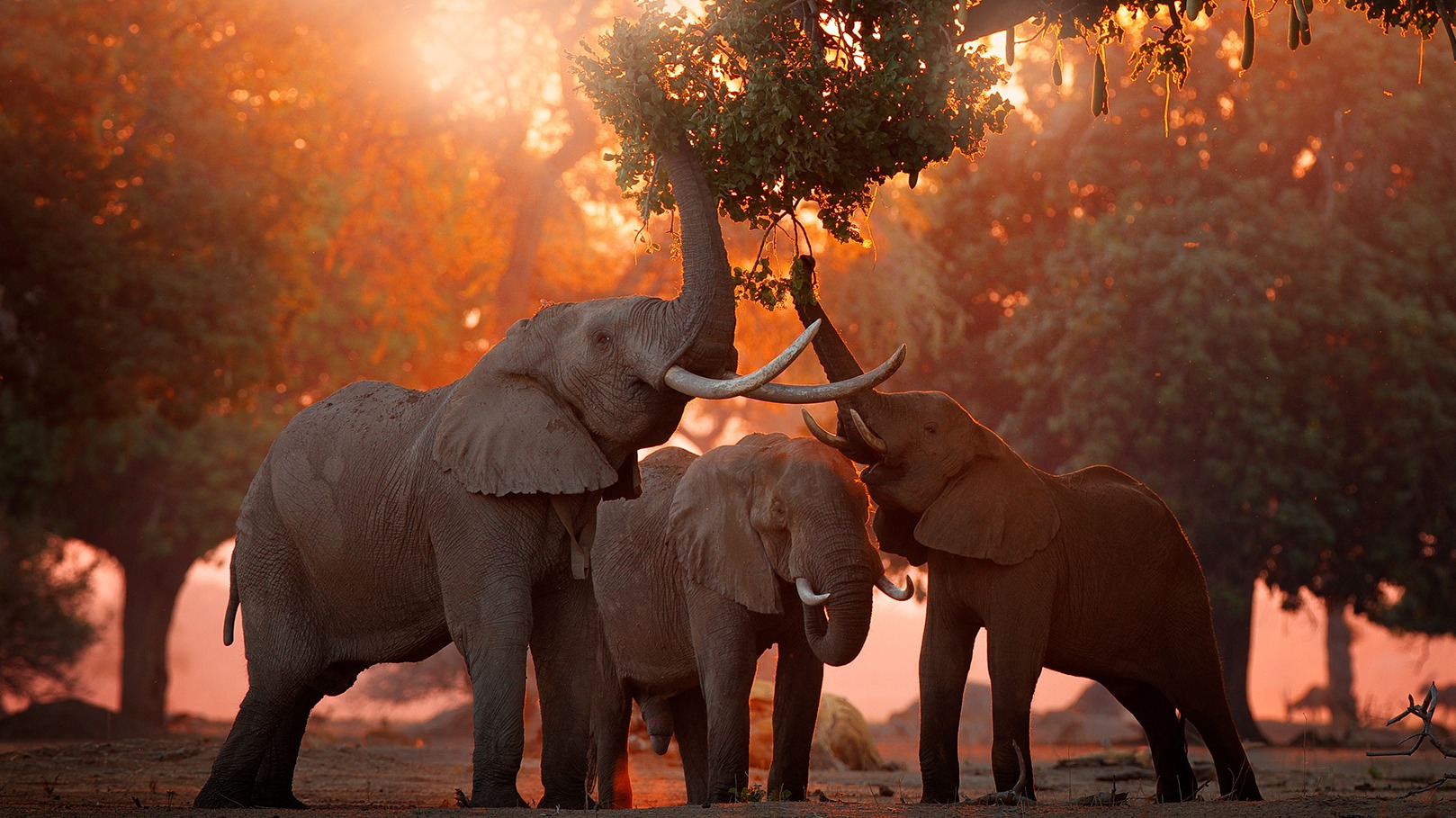
What a Lone Elephant Taught Me About Survival in Hwange National Park
Wildlife