wildlife
Tracking Botswana's Zebra Migration: Routes, Seasons and Viewing Strategies
Encounters Africa - 10 min read
Updated on 24 August 2026
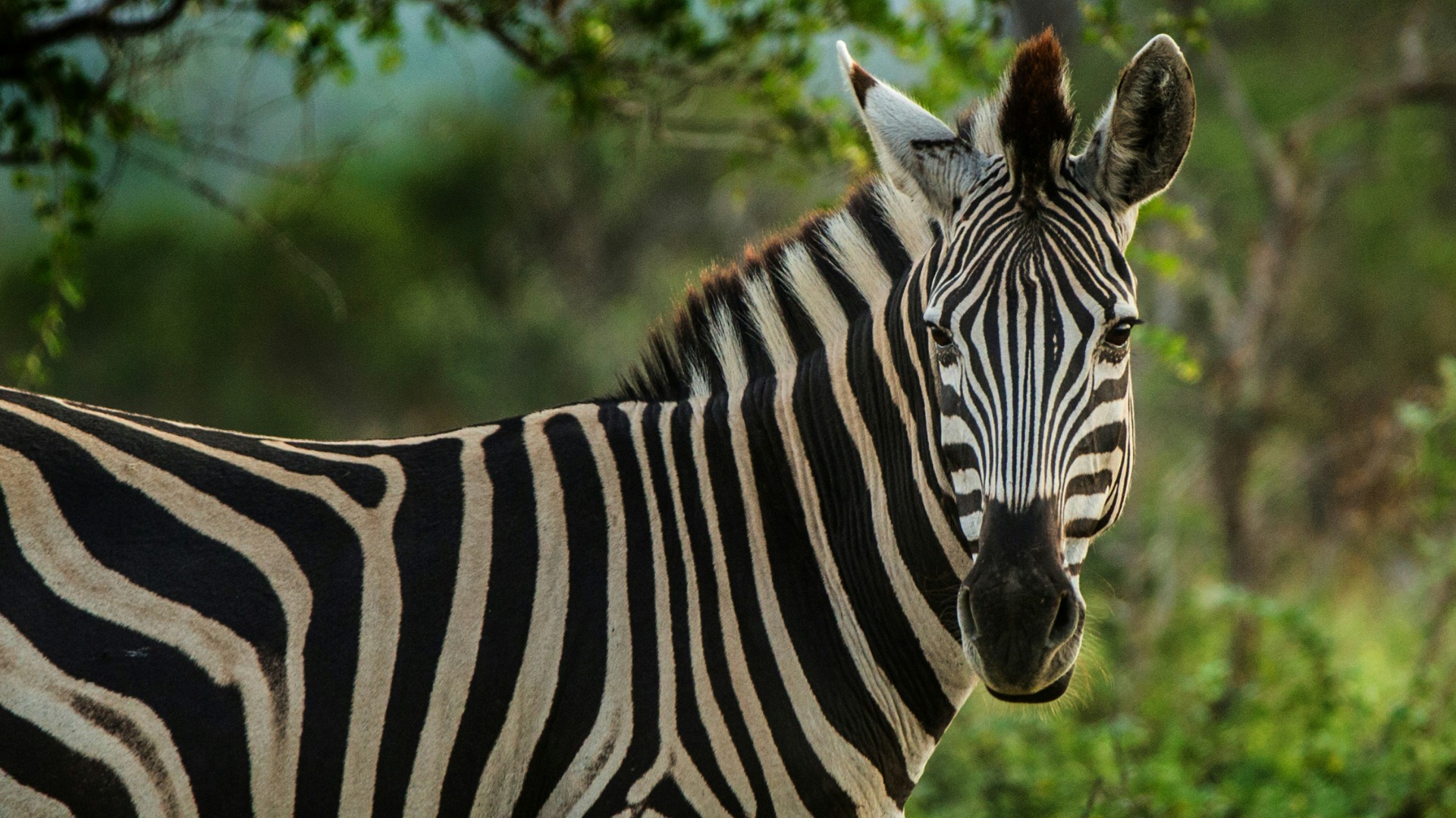
Each year thousands of zebras traverse the salt pans and floodplains between Makgadikgadi and the Okavango Delta. This informative guide details the migration's timing, key observation points, and the ecological drivers that make it one of Africa's most overlooked large-mammal movements. Botswana's zebra migration stands as a remarkable natural spectacle, drawing far fewer observers than the famous wildebeest crossings further east yet offering travellers an intimate connection to the rhythms of the wild.
Stretching across more than 300 kilometres in some years, the journey sees herds numbering up to 20,000 animals move in search of fresh grazing and reliable water. Unlike the predator-chased drama of the Masai Mara, this movement unfolds across vast, open landscapes where the primary challenges come from distance and seasonal shifts in resources. Encounters Africa has guided many travellers along these routes, witnessing how the migration reveals the subtle interconnectedness of Botswana's ecosystems.

The Ecological Drivers Behind Botswana's Zebra Migration
The migration is fundamentally shaped by Botswana's dramatic seasonal rainfall patterns. During the wet season, from November to April, the Makgadikgadi Salt Pans transform from arid, cracked earth into shallow, nutrient-rich wetlands. Zebras gather here to feed on the fresh grasses that sprout after rains, taking advantage of the mineral-rich soils that support robust plant growth.
As the dry season advances from May onwards, surface water evaporates and the pans become inhospitable. This prompts the herds to begin their northwestward trek towards the permanent waters of the Okavango Delta. The journey is not a single, linear march but rather a series of opportunistic movements influenced by localised rainfall and the availability of forage along the way.
The zebra migration reminds us that Africa's great wildlife movements extend far beyond the celebrated Serengeti plains, revealing hidden corridors of life that connect seemingly separate landscapes across Botswana.
Researchers have documented how these zebras, primarily Burchell's zebra, follow ancient pathways that predate modern conservation boundaries. Their movement disperses seeds, creates grazing lawns that benefit other species, and provides a seasonal pulse of prey for predators including lions and hyenas. The migration also highlights the critical importance of maintaining connectivity between protected areas in a landscape increasingly pressured by human activity.
Timing Your Safari: When to Witness the Zebra Movement
The most reliable period to observe significant numbers of migrating zebras runs from late May through August. By June, the bulk of the herds have typically left the Makgadikgadi Salt Pans and are progressing towards the Boteti River, which serves as a vital corridor. Water levels and recent rainfall can shift exact timing by several weeks, making flexible planning essential.
Peak concentrations often occur in July when the animals reach the northern stretches near the delta's southern reaches. The return journey south begins as early as September for some groups, though the main southward movement gathers pace in October and November with the first substantial rains. This reverse migration can be equally impressive as animals respond to the promise of new growth on the pans.
Understanding these patterns allows travellers to align their visit with the most active phases. Early dry season offers the chance to see the departure from the pans, while mid-winter typically provides the highest concentrations along the river systems. Late dry season presents opportunities to witness the herds gathering before the rains trigger their return.
Factors That Influence Migration Patterns
Recent studies using GPS collars on zebra herds have revealed fascinating insights into their decision-making. The animals appear to respond not only to immediate conditions but also to memory of previous seasons and distant rainfall events detected through atmospheric cues. This sophisticated navigation helps explain why the migration remains relatively consistent despite yearly variations in rainfall.
Climate change presents new challenges, with shifting rainfall patterns potentially disrupting traditional routes. Conservation teams monitor these changes closely, recognising that the migration's continuation depends on preserving sufficient habitat and minimising barriers such as fences and roads.
Prime Viewing Locations Along the Migration Route
The Boteti River - Makgadikgadi Pans National Park offers one of the most accessible and rewarding sections of the migration. When the river flows, as it has done consistently since 2009 after decades of dryness, it creates a natural magnet for wildlife. Zebras gather along its banks in their hundreds during the peak dry months, creating scenes of constant movement against the dramatic backdrop of the salt pans.
Further north, the areas around Khwai and the southern Okavango offer different perspectives. Here the landscape transitions from open grasslands to more wooded environments, allowing for varied sightings as the herds filter through the mopane and acacia woodlands. Private concessions in these regions often provide more exclusive viewing opportunities compared to the national park areas.
Standing at first light beside the Boteti River, watching thousands of zebras coming to drink creates a profound sense of being witness to something ancient and essential in the African landscape.
The Khwai Community Area deserves special mention for its community-led conservation approach. Revenue from tourism supports local initiatives while maintaining the habitats essential for the migration. Several well-positioned camps here offer excellent access to the movement without the higher visitor numbers found in more famous reserves.
Recommended Camps for Migration Viewing
Camp Xakanaxa in Moremi Game Reserve provides a strategic base for those wanting to follow the later stages of the migration as zebras approach the permanent delta waters. Its location offers both land and water-based activities, allowing guests to track the herds from different vantage points throughout the day.
For those focusing on the Boteti River section, Deception Valley Lodge and similar properties in the Central Kalahari region serve as ideal springboards. These lodges combine comfortable accommodation with expert guides who understand the nuances of the migration and can adapt daily plans accordingly.
Viewing Strategies for Maximum Impact
Successful observation of the zebra migration requires patience and a willingness to cover ground. Unlike concentrated river crossings, this movement often spreads across wide areas. Experienced guides recommend spending several days in key locations rather than attempting to chase the herds in a single day.
Early morning and late afternoon typically yield the most dynamic scenes as animals move between grazing areas and water sources. During the heat of the day, zebras tend to rest in the shade, making sightings less active though still impressive in scale. Moonlight drives can reveal fascinating nocturnal behaviour, particularly around waterholes when predators become more active.
Photography enthusiasts should consider the angle of light across the open pans, where the white dust creates beautiful backdrops. Telephoto lenses prove valuable for isolating individuals within the larger herds, while wider perspectives capture the sheer scale of the movement against the immense horizon.
Essential Preparation for Your Migration Safari
Pack neutral-coloured clothing that blends with the dusty environment, along with layers for the significant temperature swings between day and night. A good pair of binoculars remains essential, as does a quality sun hat and high-factor sunscreen. Many camps provide beanbags for stable photography from vehicles, though bringing your own can be advantageous.
Physical fitness is less critical than for walking safaris, but the long game drives typical of this region require a certain stamina. Travellers should discuss mobility requirements with their safari consultant when booking, as some vehicles offer modified seating for greater comfort on extended journeys.
How This Migration Compares to Other African Movements
While the Tanzania wildebeest migration draws hundreds of thousands of visitors annually, Botswana's zebra journey offers a more intimate experience. The lower visitor numbers allow for a deeper connection with the landscape and wildlife, without the convoy of vehicles sometimes seen in more famous locations.
The ecological role differs too. Where wildebeest migrations are driven largely by predator pressure and the search for calving grounds, the zebra movement focuses primarily on resource tracking across a challenging arid environment. Both represent vital natural processes, yet the Botswana phenomenon remains far less documented in popular literature.
This relative obscurity brings advantages for the thoughtful traveller. The experience feels more personal, with guides able to focus entirely on your small group rather than managing larger numbers. It also means your visit contributes to conservation in areas that receive less tourism revenue than the premier East African parks.
In choosing to follow Botswana's zebras rather than the more famous migrations, travellers become part of a select group who understand that Africa's greatest wildlife stories often unfold away from the spotlight.
The Role of Conservation in Protecting the Migration
The future of this annual journey depends on continued cooperation between government authorities, private operators, and local communities. The establishment of wildlife corridors and the careful management of veterinary fences have been crucial in recent years, allowing the zebras to access historical routes that were once blocked.
Community conservancies along the route play an increasingly important part. When local people benefit directly from tourism, they become active participants in habitat protection. Several initiatives now use revenue from safari activities to support education, healthcare, and alternative livelihoods that reduce pressure on natural resources.
Scientific research continues to refine our understanding of the migration. Collar data has revealed previously unknown stopover points and highlighted critical bottleneck areas where human development could cause disruption. This knowledge informs both park management decisions and the placement of new tourism infrastructure.
What to Expect on a Zebra Migration Safari
Visitors should come prepared for the scale of Botswana's wilderness. The landscapes are vast and the pace often unhurried, reflecting the rhythm of the migration itself. Days may involve several hours of driving between key areas, but these journeys frequently yield unexpected sightings of cheetah, wild dogs, or the impressive herds of buffalo that also utilise these corridors.
Accommodation along the route ranges from comfortable tented camps to more established lodges, each offering different levels of immersion. The common thread is excellent guiding and a genuine commitment to low-impact tourism that prioritises the wellbeing of the ecosystems.
Evenings bring the special magic of the Kalahari and delta regions, with spectacular sunsets followed by star-filled skies. The sounds of zebra barks and distant lion calls create an unforgettable soundtrack that stays with travellers long after their journey ends.

Planning Your Encounter with Botswana's Migrating Zebras
The zebra migration represents one of Southern Africa's most compelling yet underappreciated wildlife phenomena. Its scale, the dramatic landscapes through which it passes, and the relative solitude in which it can be observed combine to create a profoundly moving experience for those who make the effort to seek it out.
Whether you choose to focus on the Boteti River in the dry season or follow the herds as they disperse across the southern delta, this journey offers insights into the resilience and adaptability of African wildlife. The knowledge that these same pathways have been followed for generations adds a powerful historical dimension to every sighting.
For discerning travellers seeking a private safari beyond our set itineraries, we invite you to contact us directly. We specialise in designing exceptional, tailor-made journeys for individuals, couples, families, and private groups of up to eight guests. Drawing on our handpicked network of distinguished camps and lodges, we curate every detail with precision and care, creating a seamless, deeply personal safari experience shaped entirely around your preferences, pace, and budget.
Discover more about experiencing Botswana's wild places through our Botswana safari collection, or explore how the migration fits into a broader wildlife-focused journey across Southern Africa. To begin planning your own encounter with this remarkable movement, please visit our enquiry form and let Encounters Africa craft an experience that will resonate long after your footprints have faded from the salt pans.
More like this
wildlife
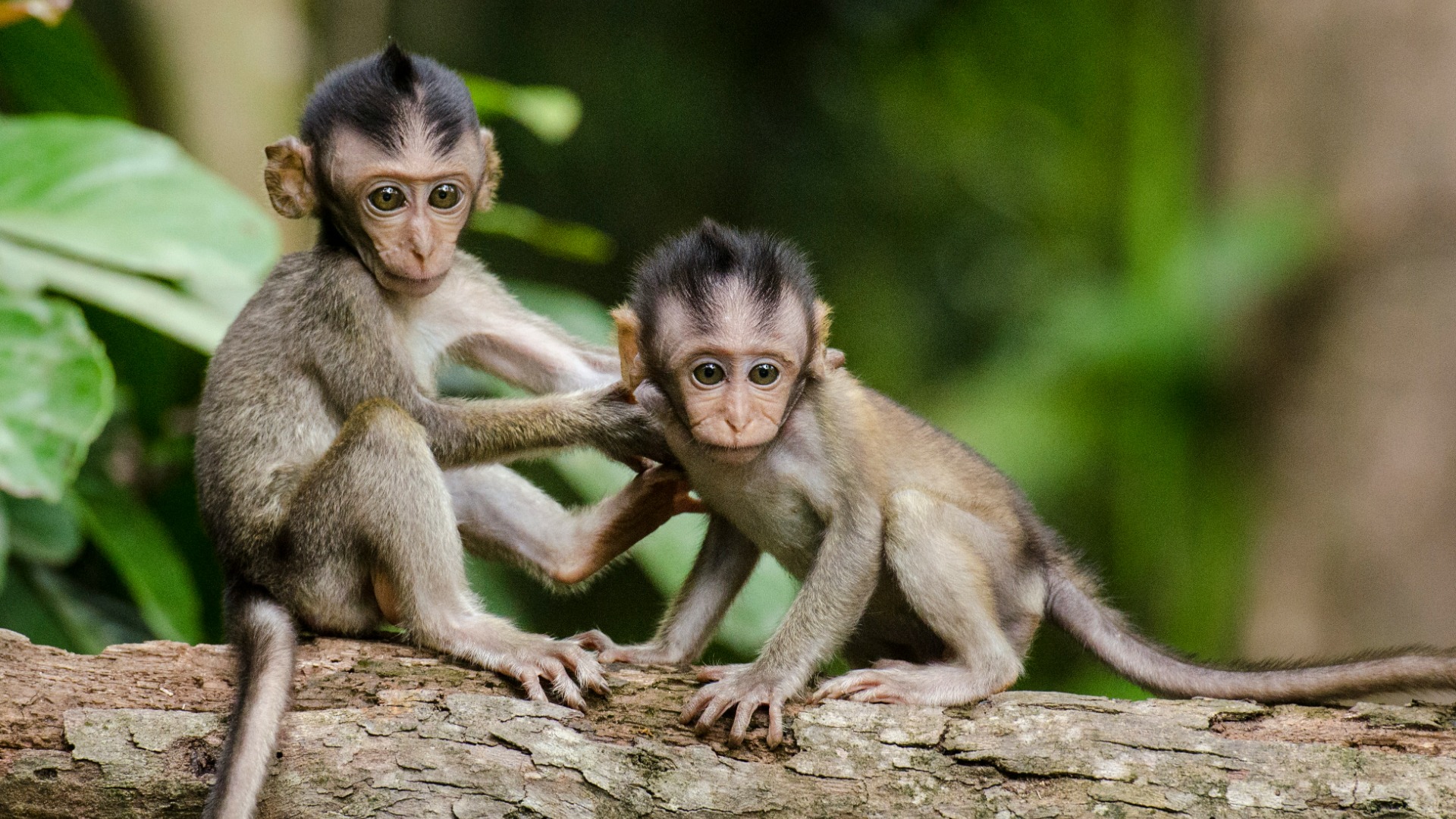
Tracking North Africa's Elusive Barbary Macaques Through Cedar Forests and Snow
wildlife
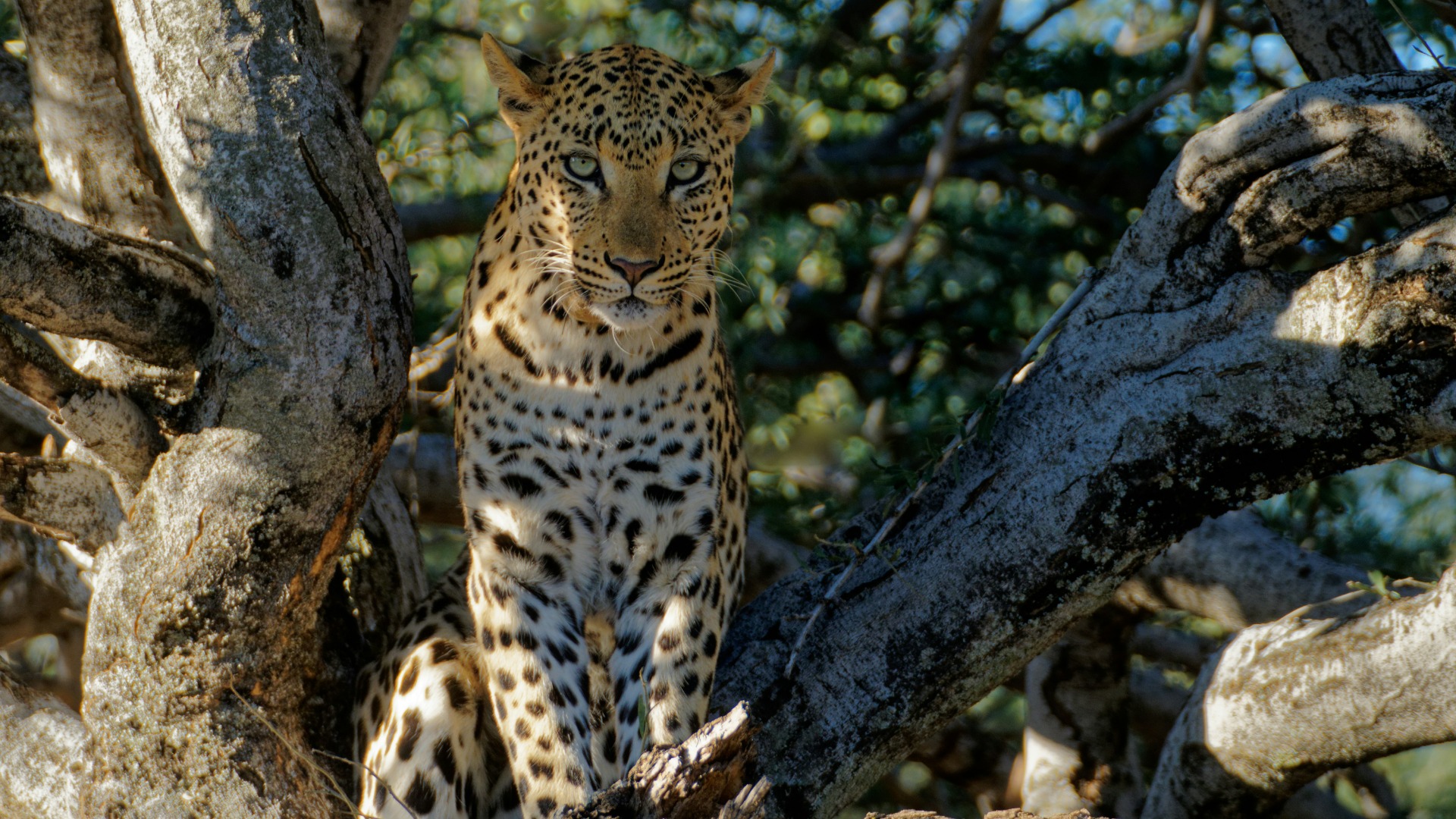
Tracking South Africa's Cape Leopard Through Rugged Mountain Ranges
wildlife
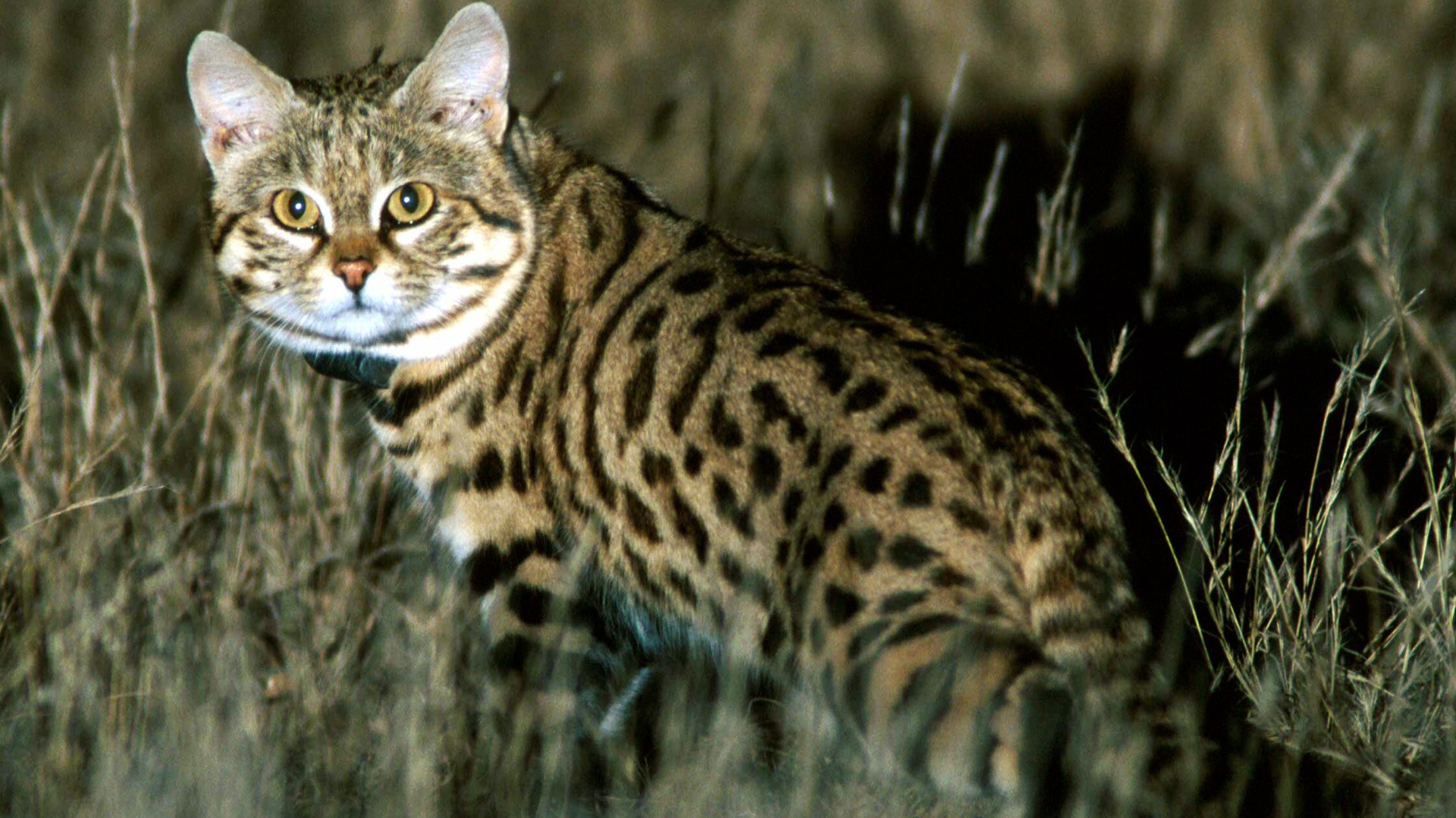
Tracking the Black-Footed Cat After Dark in South Africa's Karoo
Wildlife
What a Lone Elephant Taught Me About Survival in Hwange National Park
Wildlife
What a Sudden Leopard Encounter Taught Me About Botswana's Delta
Wildlife