wildlife
Tracking North Africa's Elusive Barbary Macaques Through Cedar Forests and Snow
Encounters Africa - 10 min read
Updated on 20 August 2026
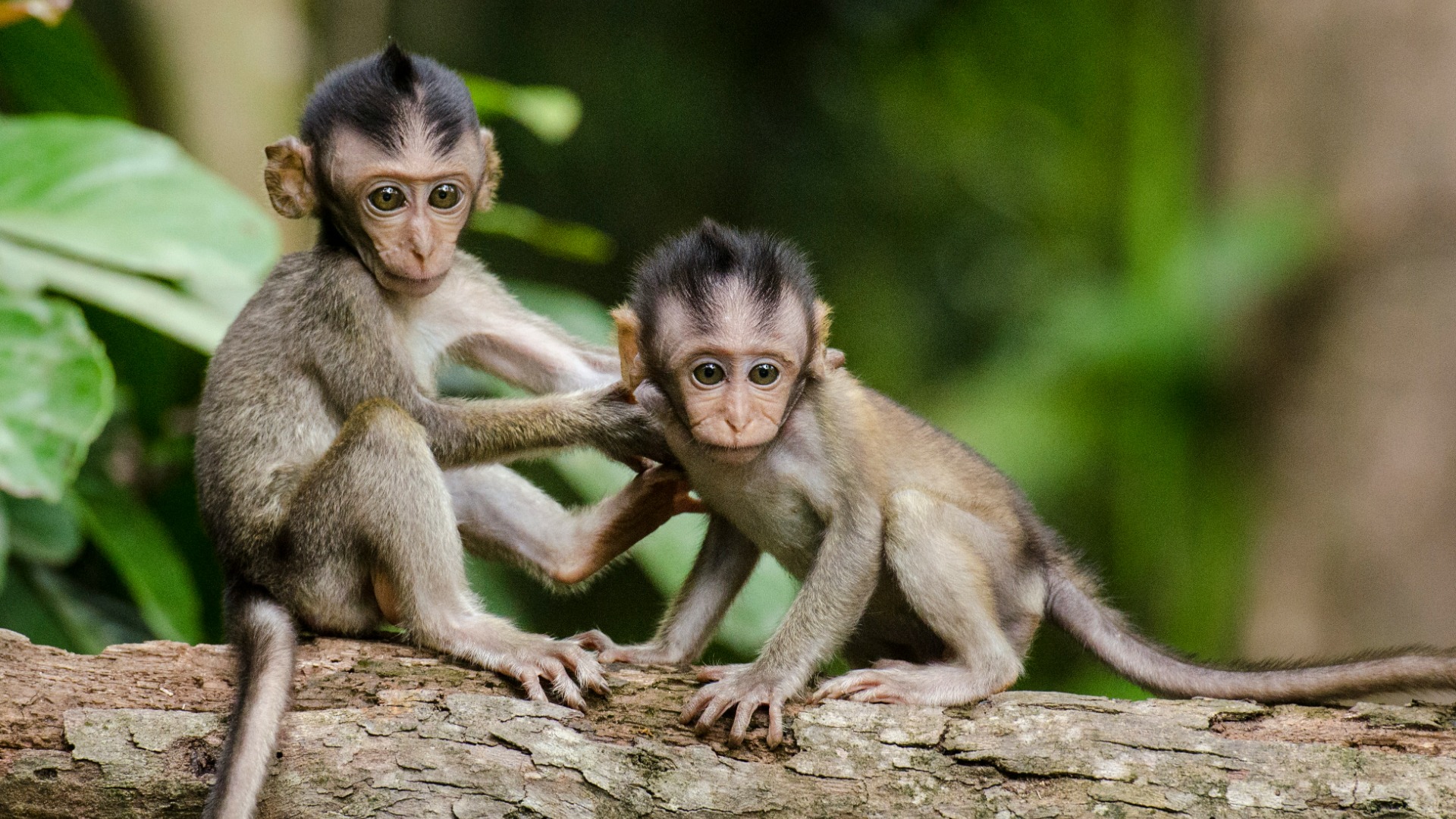
Tracking North Africa's elusive Barbary macaques through cedar forests and snow brings travellers face to face with one of the continent's most intriguing primates. These remarkable monkeys, the only macaques found north of the Sahara, inhabit the rugged slopes of Morocco's Middle and High Atlas Mountains, where ancient cedar groves meet patches of winter snow. Their story is one of quiet resilience against mounting pressures, offering a compelling reason for wildlife enthusiasts to venture beyond the more familiar safari circuits of southern and east Africa.
Numbering fewer than 10,000 individuals in the wild, Barbary macaques face serious threats from habitat loss and illegal capture for the pet trade. Yet in the high cedar forests, small research teams and specialised guides continue their patient work, following faint calls and fleeting silhouettes that reveal how these animals adapt to dramatic seasonal shifts. Encounters Africa regularly incorporates such focused primate experiences into tailor-made journeys, connecting travellers with conservation projects that support both the macaques and the local communities who share their mountain home.

The Ghost of the Mountain: Understanding Barbary Macaques
Barbary macaques stand apart from their Asian cousins. Stocky and powerful, with thick brownish-grey fur and expressive pink faces, they possess a distinctive stump where a tail would normally be. This feature once led to the mistaken belief that they were a type of ape. In reality, they are highly social monkeys whose troops can number up to 40 individuals, each with complex hierarchies that govern everything from foraging rights to grooming partnerships.
What makes them particularly special is their habitat. While most macaques thrive in tropical forests, these northernmost representatives have adapted to temperate woodlands and even snowy conditions at elevations between 1,200 and 2,300 metres. Their presence in North Africa dates back thousands of years, with fossil evidence suggesting they once roamed as far as Europe. Today, roughly 70 percent of the remaining wild population lives in Morocco, with smaller groups in Algeria.
The Barbary macaque carries the weight of an ancient lineage, moving silently through mist-shrouded cedars as a living reminder that Africa's wild heritage extends far beyond the sun-baked savannas so often celebrated in safari literature.
Physical Adaptations for Harsh Conditions
Their dense fur provides insulation against freezing temperatures that can drop well below zero in the High Atlas during winter months. Unlike many primates that avoid water, Barbary macaques have been observed swimming and even diving for food in mountain streams. Their powerful jaws allow them to crack open tough cedar cones, accessing seeds that form a crucial part of their winter diet when other food sources become scarce.
Observers often note their remarkable climbing ability, scaling near-vertical rock faces with confidence that belies their compact build. This agility helps them evade predators such as golden jackals and, historically, leopards, though the latter have largely disappeared from these ranges.
Following the Calls: A Day in the Life of a Tracking Team
The work begins long before first light. Researchers and experienced local guides rise in the pre-dawn chill, listening intently for the distinctive vocalisations that carry through the thin mountain air. A sharp "waa" or softer grunting sounds often betray the presence of a troop moving through the canopy. The terrain demands respect, with steep slopes covered in loose scree and tangled undergrowth that can conceal both macaques and the occasional scorpion.
Patience is everything. A tracking team might cover five to eight kilometres in a single day, pausing frequently to scan the cedar branches with binoculars. When contact is made, the approach must be gradual and non-threatening. Over time, habituated groups will tolerate human presence at a respectful distance of around 30 metres, allowing detailed behavioural observations without causing stress.
In the hush between calls, you become aware of your own breathing, the crunch of snow underfoot, and the profound privilege of witnessing a species that has walked these mountains since before recorded history.
What to Expect on a Barbary Macaque Tracking Experience
Most tracking excursions last between four and six hours, with the best opportunities occurring between November and April when snow dusts the higher slopes. During these months, the macaques descend to lower elevations in search of food, making them slightly easier to locate. Summer tracking involves higher altitudes and greater physical demands as the animals follow the ripening of wild fruits and berries.
Participants should be reasonably fit and prepared for variable weather. A typical day might begin at 2,000 metres with frost on the ground and end with warm sunlight filtering through the cedar needles. Good binoculars, a waterproof jacket, sturdy hiking boots, and layers that can be added or removed are essential. The reward comes in those crystalline moments when a macaque family rests in a sunlit clearing, juveniles playing while adults forage with focused determination.
Life Among the Cedars: Habitat and Behaviour
The Atlas cedar forests represent far more than scenery. These ancient trees, some exceeding 400 years in age, provide both food and shelter. The macaques feed on cedar seeds, acorns, bark, and a variety of leaves, fruits, and invertebrates. Their foraging behaviour changes dramatically with the seasons. In autumn they feast on ripe fruits, while winter sees them stripping bark from fallen branches to access hidden insects and the nutritious cambium layer beneath.
Social bonds within troops are maintained through an elaborate grooming network. Females typically remain in their birth groups throughout their lives, creating stable matrilineal cores, while males disperse upon reaching maturity. This movement between troops helps maintain genetic diversity across fragmented forest patches, though increasing isolation of habitats threatens this natural flow.
Recent studies have documented fascinating cultural behaviours, including the use of stones to crack open tough food items and the transmission of specific foraging techniques from mother to offspring. Such observations underscore the cognitive sophistication of these primates and strengthen arguments for their protection.
The Snow Factor: How Barbary Macaques Survive Winter
Winter in the Atlas Mountains presents unique challenges. Snow can lie thick on the ground for weeks, covering familiar food sources and forcing the macaques to adopt energy-conserving behaviours. Troops tend to move less during heavy snowfall, instead focusing their efforts on accessible bark and any remaining cedar cones that have not yet been buried.
Researchers have recorded groups spending up to 30 percent more time resting during the coldest months, a strategy that preserves precious energy reserves. Their thick coats, which appear almost silver-grey against fresh snow, provide remarkable insulation. Juveniles stay close to their mothers, huddling together during the coldest nights to share body heat.
When snow blankets the cedars, the macaques become ghostly figures against a white canvas, their survival a testament to evolutionary ingenuity in a landscape that tests every adaptation to its limit.
Climate Change and Shifting Seasons
Changing weather patterns are already affecting these high-altitude habitats. Warmer winters have reduced snow cover in some areas, altering the availability of certain food sources that depend on cold conditions. At the same time, more frequent extreme weather events can damage cedar trees, reducing the extent of suitable habitat. Conservation teams monitor these changes closely, gathering data that informs broader efforts to protect Morocco's mountain ecosystems.
Conservation Challenges in the Cedar Groves
The Barbary macaque is classified as Endangered by the IUCN, with populations having declined by more than 50 percent in the past three decades. Habitat fragmentation caused by logging, overgrazing by livestock, and conversion of forest to agricultural land remains the primary threat. In some areas, cedar forests have been reduced to isolated pockets, making it difficult for troops to move between them.
The illegal pet trade adds another dimension to their vulnerability. Infant macaques are particularly sought after, often taken from the wild after their mothers are killed. This practice not only removes young individuals but disrupts the social structure of entire troops. International organisations work alongside Moroccan authorities to combat this trade, with varying degrees of success.
Community Involvement and Hope for the Future
Positive developments are emerging through community-based conservation initiatives. In several High Atlas villages, local families have become involved in monitoring programmes and now benefit from responsible tourism revenue. When travellers choose experiences that support these projects, they contribute directly to protecting the macaques' future while providing alternative income sources that reduce pressure on the forests.
Education programmes in local schools have helped foster pride in this unique species, with children learning about the macaques' role in seed dispersal and forest health. Some former poachers have become skilled guides, using their intimate knowledge of the terrain to lead visitors on responsible tracking excursions that prioritise animal welfare above all else.
Planning Your Own Encounter with North Africa's Mountain Ghosts
Responsible tracking experiences are available through a handful of specialised operators who work closely with local conservation teams. The best programmes limit group sizes to six people maximum and maintain strict codes of conduct to minimise disturbance. Trips typically combine several days of tracking with cultural experiences in Berber villages, creating a richer understanding of the interconnected relationship between people, primates, and the cedar forests.
The most rewarding time to visit spans from late autumn through to early spring, when the mountains wear their winter cloak and the macaques are more concentrated at accessible elevations. Summer tracking is possible but involves greater physical effort and higher temperatures at lower altitudes. Whichever season you choose, the experience offers something increasingly rare in our crowded world: genuine wilderness solitude and the chance to observe wild behaviour undisturbed.
Preparation should include a reasonable level of fitness, respect for local customs, and a willingness to embrace the unpredictability that comes with wildlife tracking. Not every day yields prolonged sightings. Sometimes the greatest reward lies in the quiet knowledge that these remarkable animals continue their ancient rhythms just beyond the next ridge.

Why These Mountain Encounters Matter
The story of the Barbary macaque reminds us that Africa's natural treasures extend well beyond the iconic savannas of Kenya and the wetlands of the Okavango Delta. In the cedar-scented air of Morocco's mountains, a different kind of wilderness reveals itself, one measured in delicate social bonds, seasonal adaptation, and the persistent efforts of those working to ensure these primates have a future.
Through patient observation and community partnerships, conservationists are writing a new chapter for the species. Their work demonstrates that meaningful protection often happens at the local level, where the lives of people and wildlife are most closely intertwined. For travellers drawn to experiences that combine adventure with purpose, tracking Barbary macaques offers a profound connection to one of our closest living relatives and the fragile ecosystems they inhabit.
Encounters Africa specialises in designing exceptional, tailor-made journeys for individuals, couples, families, and private groups of up to eight guests. Drawing on our handpicked network of distinguished camps and lodges, we curate every detail with precision and care, creating a seamless, deeply personal safari experience shaped entirely around your preferences, pace, and budget. Whether incorporating a few days in the Atlas Mountains with your Morocco safari or combining it with experiences in South Africa, we can help you craft a journey that resonates long after you return home.
For those looking for a private safari beyond our set itineraries, we would be delighted to hear from you directly. We specialise in creating beautifully tailored journeys for solo travellers, couples, families, and private groups of up to eight guests. Through our trusted network of carefully selected camps and lodges, we craft each safari around your individual interests, preferred pace, and budget, ensuring a seamless and deeply personal experience from beginning to end. Visit our enquiry form to begin planning your own encounter with North Africa's elusive mountain ghosts.
More like this
wildlife
Tracking South Africa's Cape Leopard Through Rugged Mountain Ranges
wildlife
Tracking the Black-Footed Cat After Dark in South Africa's Karoo
Wildlife
What a Lone Elephant Taught Me About Survival in Hwange National Park
Wildlife
What a Sudden Leopard Encounter Taught Me About Botswana's Delta
Wildlife
What a Year Observing Predators Taught Us About Kenya's Savannah Balance
Wildlife