wildlife
Tracking South Africa's Cape Leopard Through Rugged Mountain Ranges
Encounters Africa - 10 min read
Updated on 24 August 2026
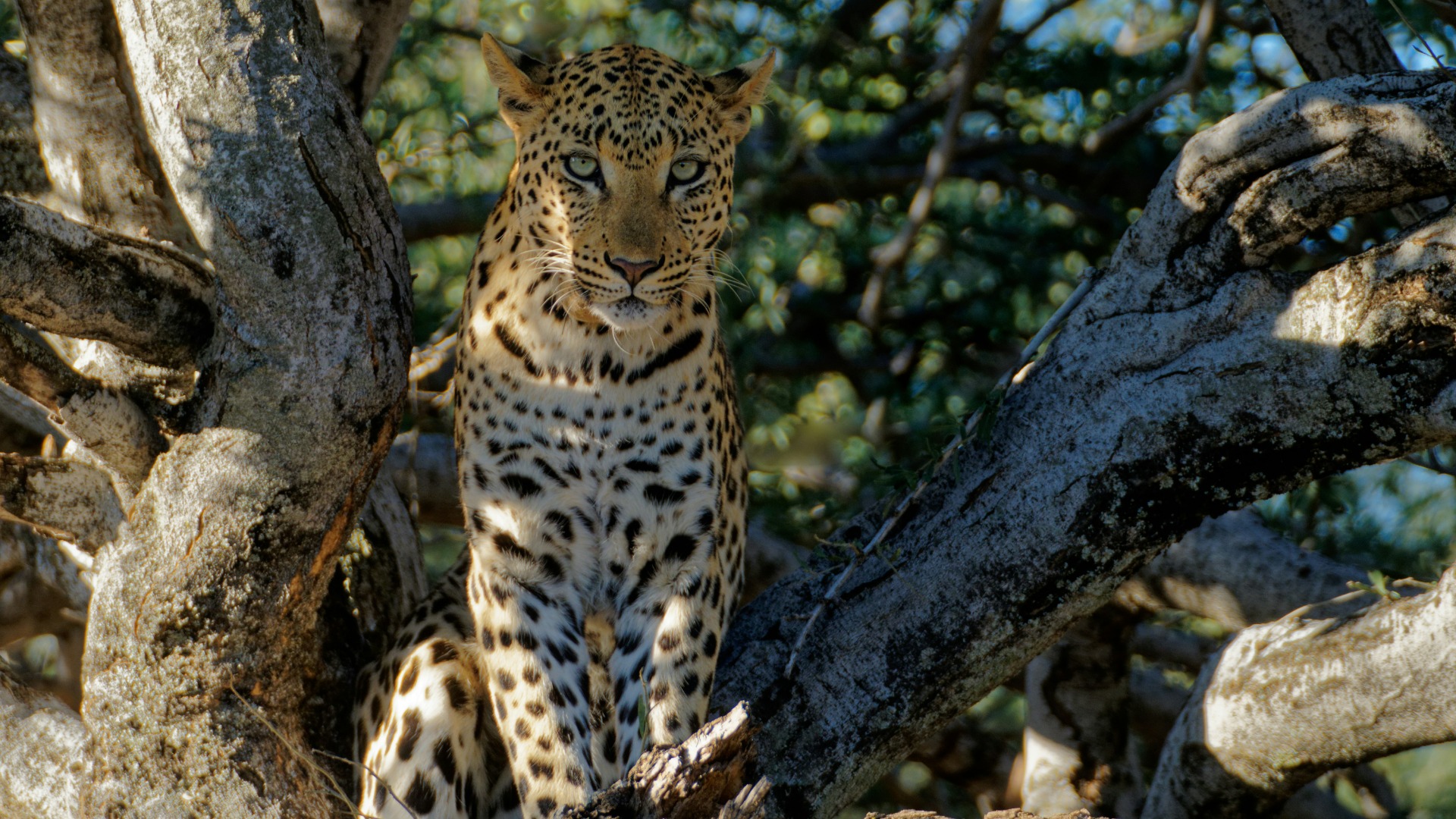
Tracking South Africa's Cape Leopard Through Rugged Mountain Ranges reveals the hidden world of one of Africa's most enigmatic predators. In the steep folds of the Cape mountains, these solitary cats move with remarkable stealth, covering vast territories while rarely crossing paths with people. Biologists in the Cape Fold Mountains use GPS collars and night-vision equipment to follow these solitary cats, uncovering how they navigate steep terrain while avoiding human conflict. Their findings reshape our understanding of leopard adaptability in modern Africa.
Far from the open savannas associated with their larger relatives, the Cape leopard has carved out a niche in an environment defined by sheer rock faces, fynbos thickets and unpredictable weather. Weighing between 20 and 35 kilograms for males and significantly less for females, this smaller subspecies has evolved distinct traits that allow it to thrive where few other large carnivores could. Encounters Africa has long supported research into these elusive felines, recognising that understanding their secret life enriches every safari experience we design.

The Distinctive Cape Leopard
Smaller and more compact than the leopards found further north in South Africa, the Cape leopard displays a striking rosette pattern set against a paler, almost silvery coat that blends seamlessly with the granite outcrops of the Cape Fold Belt. Its powerful hindquarters and unusually large paws provide exceptional grip on slippery slopes, while its long tail offers balance during daring leaps between ledges.
These adaptations are not merely aesthetic. Research conducted over the past decade shows that Cape leopards can descend gradients of 60 degrees or more with ease, a feat that would challenge most mammals of similar size. Their prey spectrum is equally specialised, ranging from rock hyrax and klipspringer to the occasional young mountain reedbuck. Unlike their savanna cousins who often target larger antelope, these mountain dwellers have perfected the art of silent ambush in confined spaces.
The Cape leopard moves through its vertical world with the confidence of a creature that has nothing to prove and everything to lose should it misjudge a single foothold.
Physical Adaptations for Mountain Life
Scientists have measured the bite force quotient of Cape leopards and found it proportionally higher than that of their East African counterparts, allowing them to dispatch tough-skinned hyrax with a single precise bite. Their whiskers are notably longer, aiding navigation through dense vegetation at night when visual cues are limited.
Recent camera-trap data from the Cederberg Wilderness Area indicates these cats possess an extraordinary ability to regulate their body temperature, enduring summer highs above 40°C and winter nights that drop below freezing. Such physiological resilience explains why they can maintain home ranges that sometimes exceed 300 square kilometres in the more arid sections of their distribution.
Research Methods: How Scientists Track Elusive Predators
Modern leopard research in the Cape relies on a combination of cutting-edge technology and patient fieldwork. Since 2012, teams from the Cape Leopard Trust have fitted more than 35 individuals with lightweight GPS collars that transmit location data every few hours. These devices have revealed movement patterns previously impossible to document, showing that leopards often travel along narrow ridgelines under cover of darkness.
Night-vision and thermal imaging equipment supplement the collars, allowing researchers to observe hunting behaviour without disturbing the animals. In one landmark study spanning 2018 to 2021, biologists recorded over 400 successful hunts, documenting an impressive 38 percent success rate, significantly higher than the 20 to 25 percent recorded for leopards in more open habitats.
The data collected has transformed our perception of these cats. Rather than random wanderers, Cape leopards follow surprisingly predictable seasonal routes, returning to favoured ambush sites with remarkable precision. This knowledge helps conservationists identify critical corridors that must be protected from expanding vineyards and residential developments.
Every GPS fix tells a story of survival against the odds, painting a picture of a predator finely tuned to one of Africa's most challenging landscapes.
Challenges in Mountain Research
Working in the Cape mountains presents unique difficulties. Signal dropout in deep kloofs often interrupts collar transmissions, while sudden weather changes can make fieldwork hazardous. Researchers must hike for hours carrying heavy equipment, sometimes spending nights in basic shelters to maintain continuous observation.
Despite these obstacles, the Cape Leopard Trust has built one of the most comprehensive datasets on any leopard population in Africa. Their findings have informed land management decisions across more than 1.2 million hectares of mountain terrain, demonstrating the value of evidence-based conservation.
Habitat and Territory in the Cape Fold Mountains
The Cape Fold Mountains stretch approximately 850 kilometres from the Cederberg in the northwest to the Swartberg near Oudtshoorn. Within this rugged expanse, Cape leopards have established territories that reflect the fragmented nature of their environment. A typical male range covers between 100 and 400 square kilometres, overlapping with several smaller female territories.
These cats show strong preference for areas with abundant rock cover and reliable water sources. The transition zones between fynbos and renosterveld prove particularly productive, offering both concealment and diverse prey. In the Cederberg, researchers have identified several key breeding sites where females regularly return to raise their cubs in protected rock crevices.
Human activity increasingly pressures these territories. The expansion of rooibos tea plantations and fruit orchards has fragmented traditional movement corridors, forcing leopards into closer contact with livestock. Understanding these spatial dynamics has become central to reducing conflict and ensuring long-term population viability.
Seasonal Movement Patterns
During the wet winter months between May and September, Cape leopards tend to move to higher elevations where prey is more dispersed. Summer brings them down to lower slopes where water remains available and small mammals concentrate around shrinking pools.
This seasonal shift influences everything from hunting success to mating opportunities. Males will travel extraordinary distances during the breeding season, sometimes covering 25 kilometres in a single night to check on receptive females within their range.
The Secret Life: Behaviour and Hunting Strategies
Cape leopards are predominantly nocturnal, though they will hunt during daylight hours when conditions allow. Their hunting technique relies on patience rather than speed. A typical ambush might involve lying motionless on a rock ledge for over two hours, waiting for a hyrax to emerge from its crevice.
Once prey is secured, these cats demonstrate remarkable strength by carrying kills weighing up to half their own body mass up steep slopes to safe feeding sites. They rarely return to a carcass after the first night, preferring to hunt fresh prey each evening rather than risk competition with other scavengers.
Social interactions remain minimal outside of breeding and maternal care. Mothers stay with their cubs for approximately 18 months, teaching them the complex skills needed to navigate the vertical landscape. Young leopards learn not only how to hunt but also which routes offer safe passage between different parts of their future territory.
In the silence of a mountain night, the Cape leopard's existence unfolds with a rhythm as ancient as the rocks themselves, undisturbed by the distant lights of human settlement.
Interactions with Other Species
While Cape leopards generally avoid confrontation, they occasionally clash with caracals and the occasional honey badger over smaller prey. More significant are their interactions with baboons, which form large troops that can mob a leopard if they detect one during daylight hours.
The presence of these cats actually benefits certain species by controlling mesopredator populations. Research suggests that areas with healthy leopard numbers show greater diversity in smaller carnivores and birdlife, as the top predator suppresses more aggressive competitors.
Conservation Challenges and Human-Leopard Conflict
Despite their adaptability, Cape leopards face increasing pressure from human activities. Between 2015 and 2022, researchers documented 47 confirmed cases of leopards killed in retaliation for livestock predation, representing a significant threat to a population estimated at fewer than 1,000 individuals across the Cape mountains.
The Cape Leopard Trust has pioneered innovative solutions including the deployment of specialised collar alarms that alert farmers when a collared leopard enters their property. This early warning system has reduced lethal conflict by over 60 percent in participating farming communities.
Habitat fragmentation remains the greatest long-term concern. As vineyards and housing developments expand into mountain foothills, the available territory for these cats continues to shrink. Conservationists now work closely with landowners to create wildlife-friendly corridors that allow safe passage between isolated mountain blocks.
Community Involvement in Conservation
Successful leopard conservation depends on winning the support of local communities. Educational programmes in schools around the Cederberg and Little Karoo have helped foster pride in this unique subspecies, with many young people now participating in citizen science projects that contribute valuable sighting data.
Responsible tourism also plays a vital role. When visitors engage with conservation-focused experiences rather than intrusive wildlife encounters, they contribute directly to protection efforts while gaining deeper appreciation for these remarkable animals.
Best Places and Times to Seek Cape Leopards Responsibly
While sightings of wild Cape leopards remain rare even for dedicated observers, certain areas offer better opportunities than others. The Cederberg Wilderness Area and sections of the Groot Winterhoek Mountains consistently produce the highest number of confirmed camera-trap records. Private reserves bordering these mountain ranges sometimes allow carefully managed tracking experiences with experienced field guides.
The optimal months for potential sightings run from November to March when leopards are more active during twilight hours. However, responsible operators emphasise that seeking guaranteed sightings contradicts the very nature of these elusive cats. The experience lies instead in understanding their world and contributing to their protection.
For travellers interested in learning more about mountain ecosystems, we recommend combining a stay at selected properties with a visit to the Cape Leopard Trust's research centre. Such journeys offer insight into ongoing scientific work while supporting vital conservation initiatives.
Responsible Viewing Guidelines
Those fortunate enough to spot a Cape leopard should maintain distance, avoid using artificial light, and never attempt to follow the animal. The use of drones near known territories is strictly discouraged as it can disrupt natural behaviour and cause unnecessary stress.
Supporting conservation-minded operators ensures that any revenue generated helps fund continued research and community programmes. At Encounters Africa, we carefully select partners who share our commitment to ethical wildlife viewing practices.

Conclusion
The secret life of South Africa's Cape leopard continues to unfold through dedicated research and growing public awareness. These adaptable predators demonstrate that even in an increasingly crowded landscape, there remains space for wildness if we choose to protect it. Their story reminds us that conservation success depends not on dramatic gestures but on thousands of quiet decisions made by researchers, farmers, communities and travellers alike.
By understanding the challenges these cats face in the Cape Fold Mountains, we gain fresh perspective on the delicate balance required to share space with large carnivores. The data gathered through GPS tracking has not only illuminated their remarkable adaptability but also highlighted the urgent need for connected habitats across the region.
For discerning travellers seeking a private safari beyond our set itineraries, we invite you to contact us directly. We specialise in designing exceptional, tailor-made journeys for individuals, couples, families, and private groups of up to eight guests. Drawing on our handpicked network of distinguished camps and lodges, we curate every detail with precision and care, creating a seamless, deeply personal safari experience shaped entirely around your preferences, pace, and budget.
Consider joining one of our South Africa safari packages that incorporate visits to important conservation projects, or explore our dedicated Camp Figtree Addo experience where the principles of responsible wildlife viewing are paramount. To begin planning your own meaningful encounter with Africa's wild places, please visit our enquiry form and allow us to craft a journey that resonates with your deepest reasons for travelling to this extraordinary continent.
More like this
wildlife
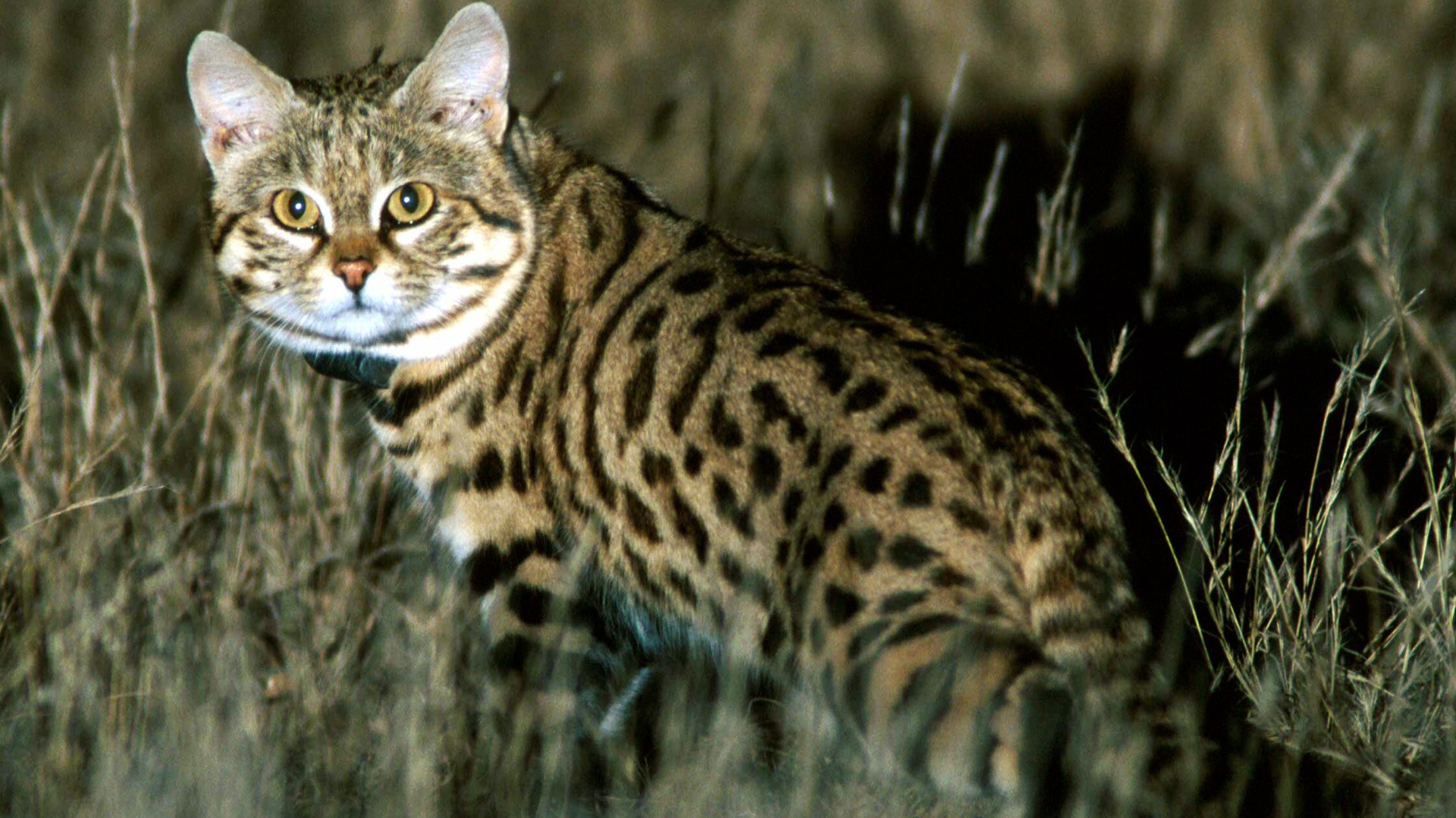
Tracking the Black-Footed Cat After Dark in South Africa's Karoo
Wildlife
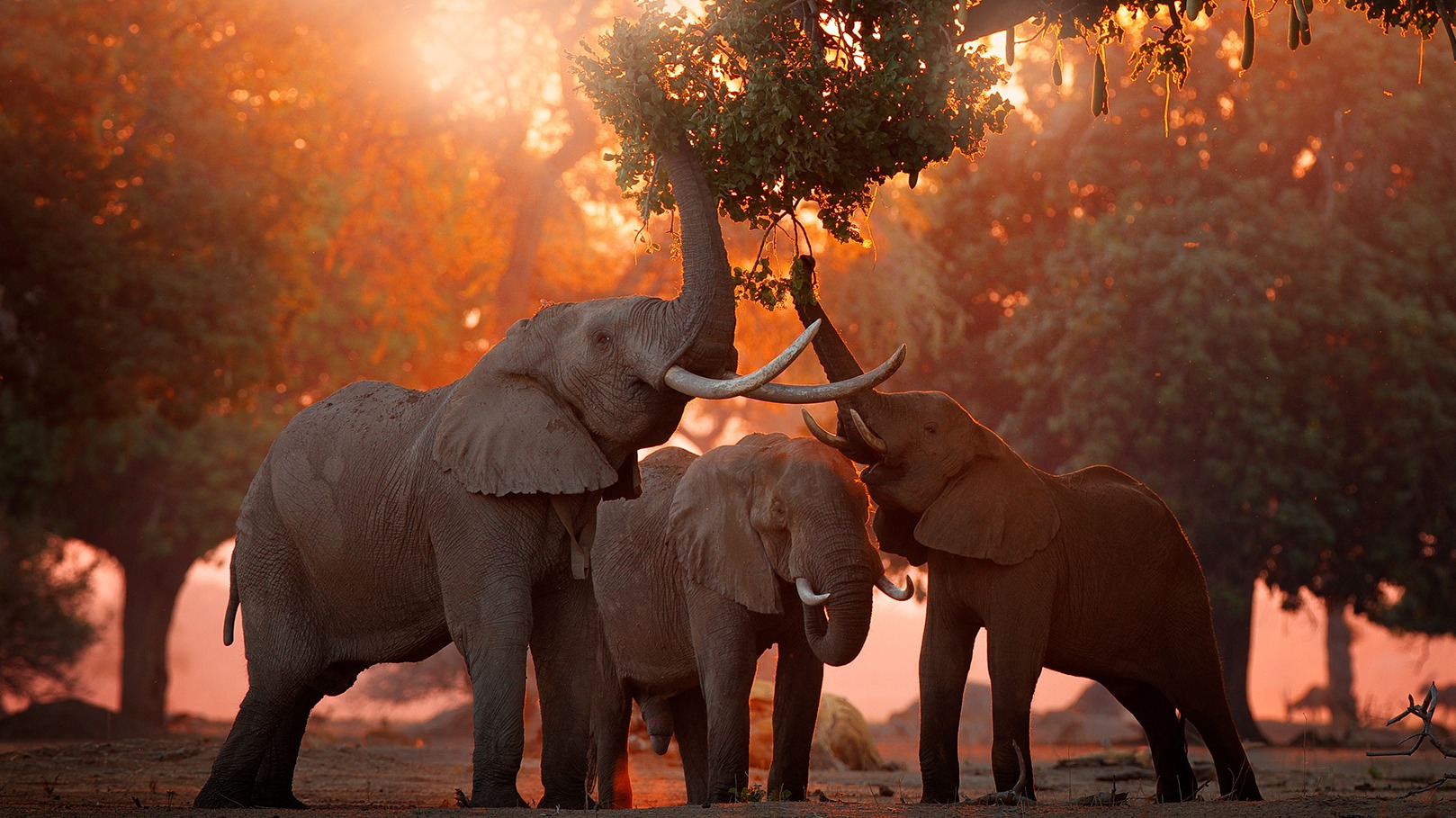
What a Lone Elephant Taught Me About Survival in Hwange National Park
Wildlife
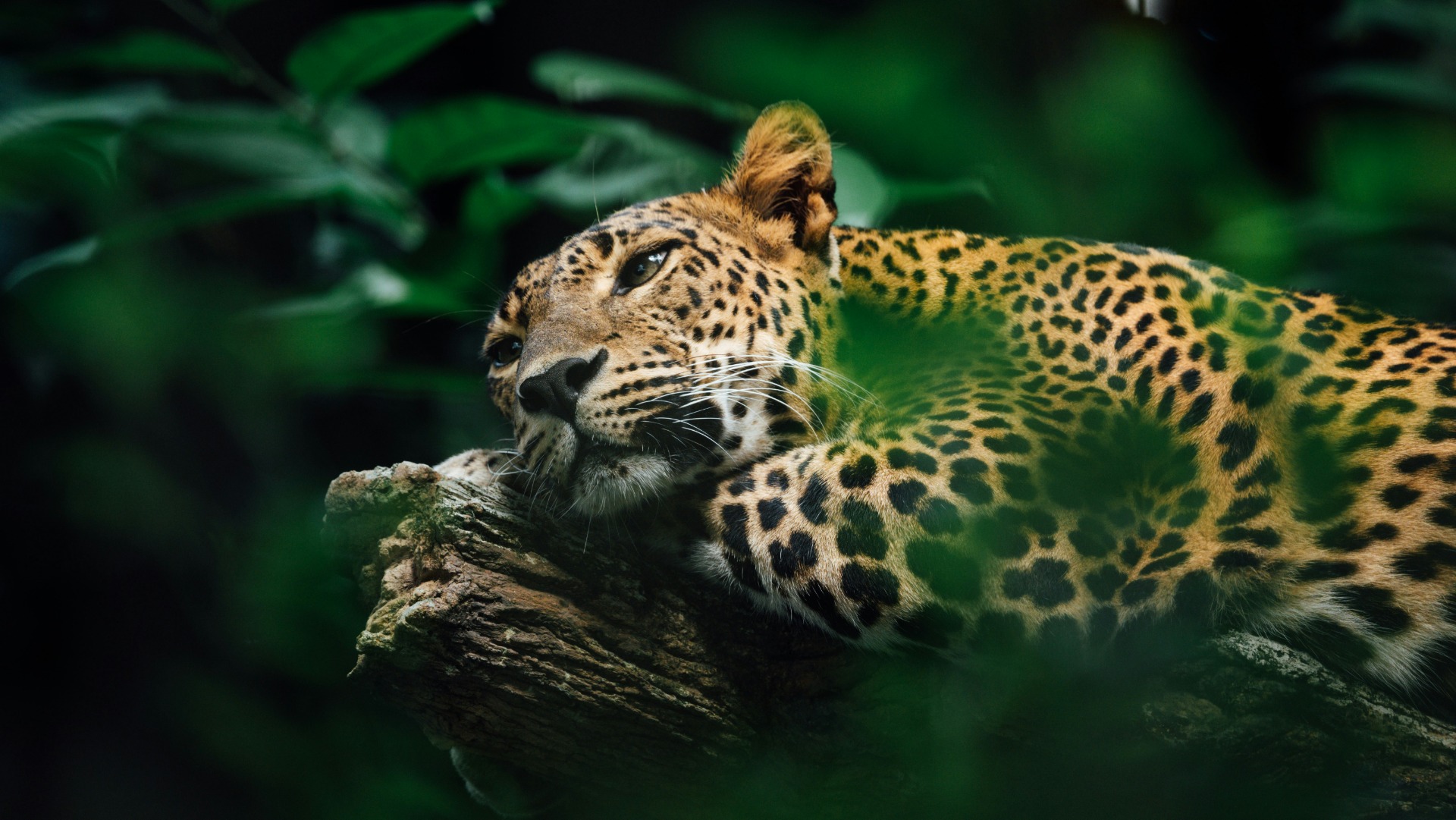
What a Sudden Leopard Encounter Taught Me About Botswana's Delta
Wildlife
What a Year Observing Predators Taught Us About Kenya's Savannah Balance
Wildlife
What Botswana's Anti-Poaching Units Reveal About Protecting Wildlife in Botswana
Wildlife