Wildlife
What a Lone Elephant Taught Me About Survival in Hwange National Park
Encounters Africa - 10 min read
Updated on 18 June 2026
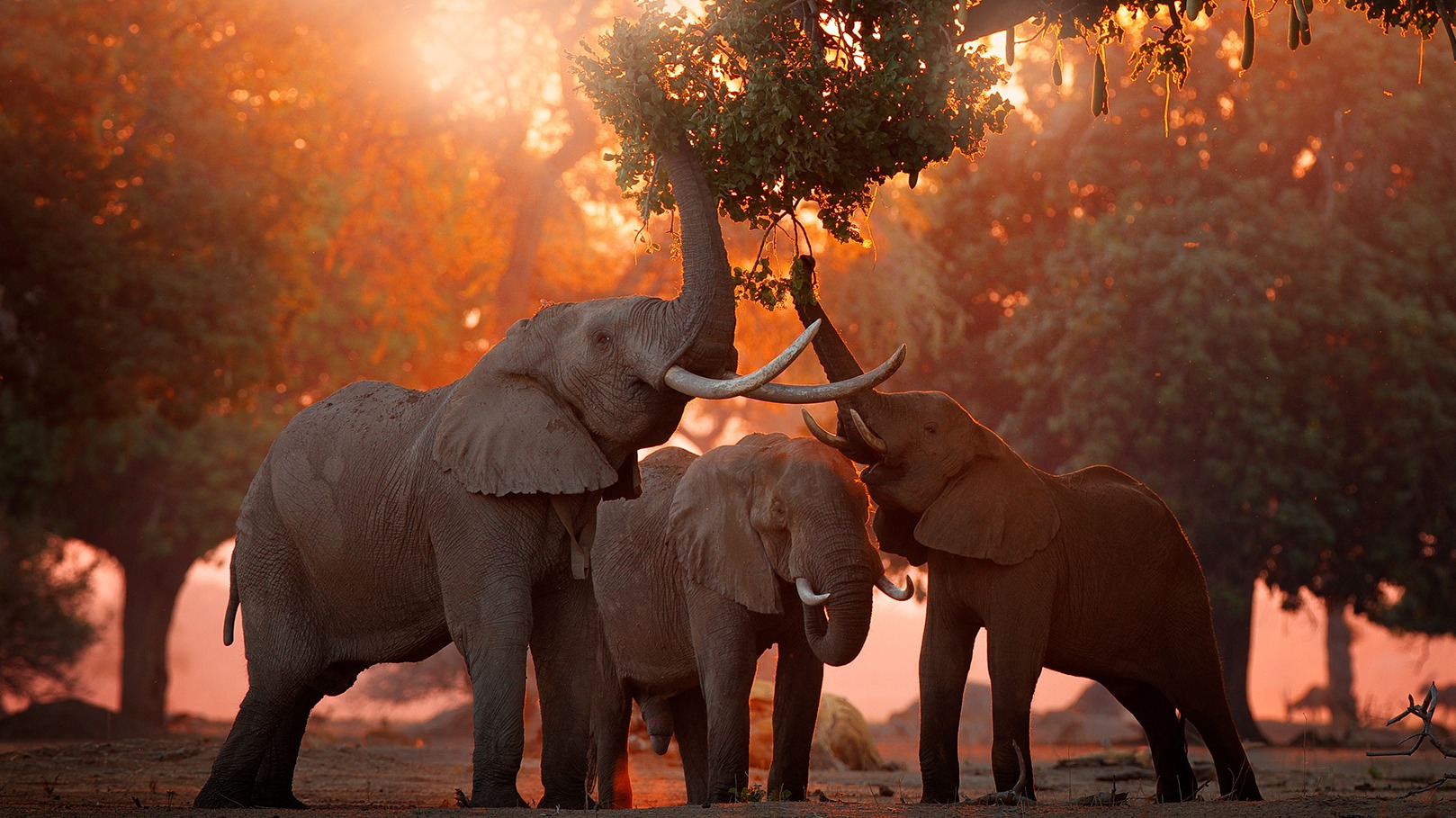
Standing metres from a massive bull elephant during a walking safari in Hwange revealed layers of resilience few visitors expect. This encounter with Zimbabwean wildlife in one of the country's largest protected areas offered a profound lesson in survival, one that reshapes how we view conservation across Southern Africa. Zimbabwean animals demonstrate remarkable adaptability in landscapes marked by seasonal extremes, from parched dry months to life-giving rains.
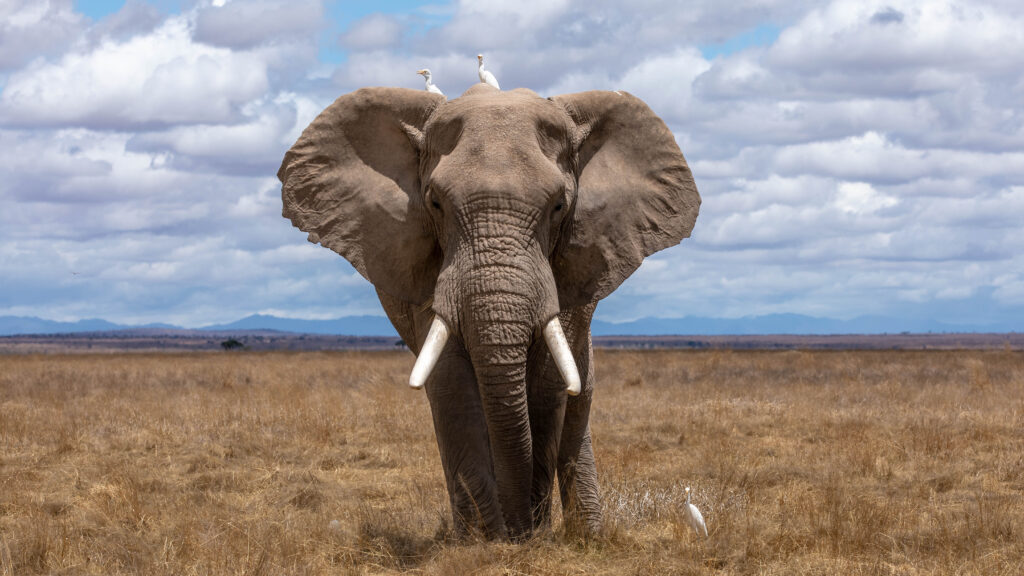
The bull stood quietly, ears gently flapping to cool his immense body, trunk occasionally testing the air. In that moment, the vastness of Hwange National Park seemed to shrink to the space between us. His weathered tusks and steady gaze spoke of decades navigating drought, human pressures, and shifting ecosystems. Such intimate meetings with Zimbabwean wildlife underscore why responsible travel matters, connecting visitors directly to the delicate balance these creatures maintain.
The quiet dignity of a lone elephant in Hwange reminds us that true wilderness survival often hinges on patience, memory, and an unyielding connection to the land itself.
The Enduring Spirit of Zimbabwean Wildlife
Zimbabwean wildlife thrives against considerable odds. The country spans diverse habitats including mopane woodlands, acacia savannahs, and riverine forests that support over 130 mammal species. From the massive elephants of Hwange to the elusive leopards of Mana Pools, these animals have developed sophisticated strategies to endure long dry seasons when surface water becomes scarce.
Elephants, in particular, demonstrate extraordinary memory and social intelligence. Matriarchs lead family groups to hidden water sources remembered from years past, sometimes digging deep into dry riverbeds with their tusks and trunks. This knowledge passes through generations, forming the backbone of elephant survival in regions where rainfall averages just 600mm annually in western areas.
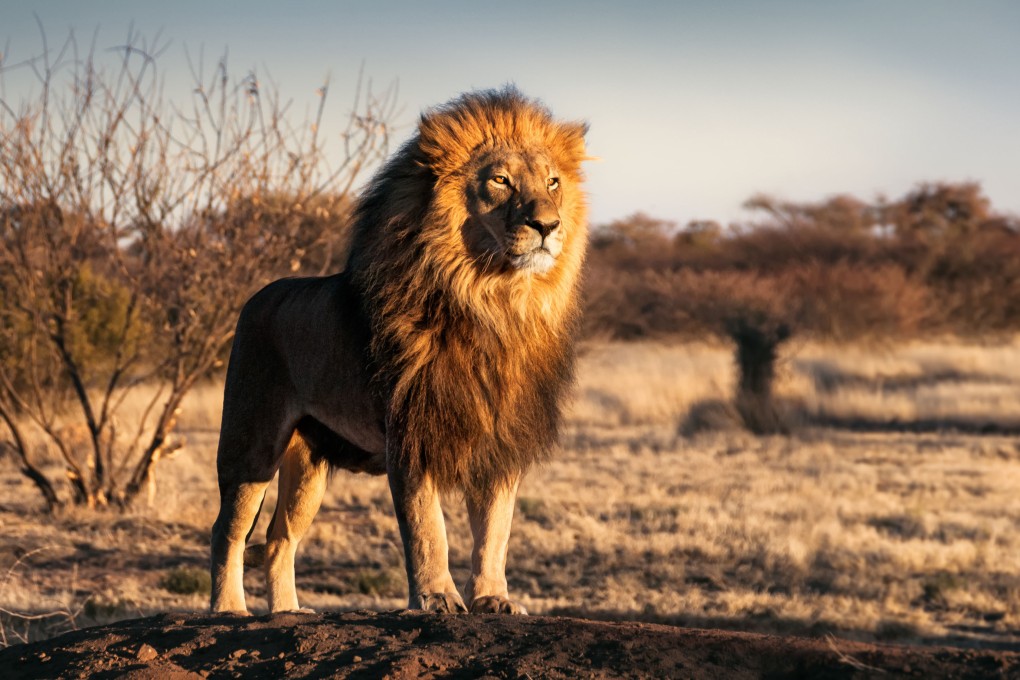
Lions, numbering around 2,000 across Zimbabwe according to recent estimates, form coalitions that adapt their hunting techniques to local prey availability. In Hwange, they often target smaller species during the dry season when larger herbivores disperse. These behavioural adjustments highlight how Zimbabwean animals continuously recalibrate their existence to environmental cues.
Key Species and Their Adaptations
Beyond the iconic elephant and lion, Zimbabwean wildlife includes healthy populations of buffalo, zebra, giraffe, and various antelope. The sable and roan antelope, both conservation priorities, find sanctuary in the miombo woodlands where they browse selectively during drier periods.
African wild dogs, one of the continent's most endangered carnivores, maintain viable packs in Hwange and surrounding areas. Their success rate as hunters exceeds 80 percent in optimal conditions, though they require vast territories of up to 1,500 square kilometres per pack. Conservation initiatives have helped stabilise their numbers, which once plummeted due to disease and habitat fragmentation.
Birdlife adds another dimension, with more than 500 species recorded. The bateleur eagle soars above rocky outcrops while ground hornbills stride through grasslands in family groups. These avian residents serve as vital indicators of ecosystem health across Zimbabwe's varied landscapes.
Zimbabwean animals do not merely exist in harsh conditions; they have evolved intricate relationships with their environment that reveal nature's remarkable capacity for endurance.
Encountering a Lone Bull: A Personal Reflection from Hwange
Our small group had set out before dawn with two armed scouts from a nearby camp. The air carried the sharp scent of dry grass and distant woodsmoke as we moved silently through the bush. Hwange National Park, covering 14,600 square kilometres, offers some of the finest walking safari opportunities in Southern Africa, particularly during the cooler months from May to September.
We had been tracking fresh spoor when the bull appeared unexpectedly from behind a cluster of leadwood trees. Time slowed. The experienced guide signalled us to remain motionless, allowing the elephant to assess our presence without feeling threatened. Standing there, I became acutely aware of his deliberate movements, the way his massive feet seemed to barely disturb the earth despite weighing several tonnes.
What struck me most was his calmness. Rather than displaying agitation, he simply observed us before continuing toward a known pan where he might find water. This encounter encapsulated everything about Zimbabwean wildlife resilience, the quiet confidence born from surviving multiple droughts and navigating changing landscapes.
That lone bull likely remembered water sources from previous decades, including the severe drought of 2015-2016 when thousands of elephants perished across the region. His survival spoke to the importance of protected corridors that allow movement between Hwange and neighbouring Botswana.
Seasonal Rhythms That Shape Zimbabwean Wildlife Behaviour
The best time to witness Zimbabwean animals in their most concentrated form is during the dry season, typically June through October. As natural water sources diminish, wildlife gathers around remaining pans and artificially maintained waterholes in Hwange National Park, creating spectacular viewing opportunities.
By contrast, the wet season from November to April transforms the landscape into a verdant paradise. While animals disperse, this period offers exceptional birdwatching and the chance to observe breeding behaviour. New-born impala lambs appear in synchronised waves, providing a feast for predators and a masterclass in nature's timing.
Understanding these patterns helps travellers plan meaningful experiences. The shoulder months of April-May and October-November often provide an ideal balance of comfortable temperatures and rewarding sightings without the peak season crowds.
What Makes Hwange National Park Special for Wildlife Observation?
Hwange stands out for its enormous elephant population, estimated at over 20,000 individuals in recent surveys, one of the largest in Africa. The park's artificial waterholes, established during the colonial era and maintained through conservation partnerships, have become lifelines during dry periods.
The varied vegetation supports different species at different times. Teak forests in the north give way to open grasslands in the south, creating a mosaic that sustains an impressive array of Zimbabwean wildlife. Nocturnal drives reveal creatures rarely seen elsewhere, from aardvarks to pangolins.
Recent camera trap studies have documented 48 different mammal species visiting a single waterhole over a three-month period, illustrating the park's importance as a critical refuge in the wider Kalahari ecosystem.
In Hwange, the absence of fences allows ancient migration routes to persist, reminding us that meaningful conservation must consider landscapes at a scale that matches the needs of wide-ranging species like elephants and wild dogs.
Conservation Challenges Facing Zimbabwean Animals Today
Zimbabwean wildlife faces pressures familiar across the continent: habitat loss, human-wildlife conflict, and the lingering effects of past poaching crises. The ivory trade decimated elephant numbers during the 1980s, though populations have shown encouraging recovery in well-managed areas thanks to dedicated anti-poaching teams and community involvement.
Community conservancies surrounding national parks play an increasingly vital role. When local people benefit directly from wildlife through tourism revenue and employment, tolerance for crop-raiding elephants and occasional livestock losses improves markedly. Several programmes have successfully reduced retaliatory killings through compensation schemes and alternative livelihood projects.
Climate change adds another layer of complexity. Rising temperatures and increasingly erratic rainfall patterns affect vegetation growth and water availability. Zimbabwean animals must adapt faster than evolutionary processes typically allow, making the work of conservation organisations all the more critical.
How Responsible Travel Supports Long-Term Protection
Choosing operators committed to ethical practices makes a tangible difference. Revenue from high-value, low-impact tourism funds essential anti-poaching patrols, veterinary care, and community development projects. When travellers engage thoughtfully with local cultures and support conservation-minded lodges, they become part of the solution.
Organisations like the Zimbabwe Parks and Wildlife Management Authority work alongside international partners to monitor populations and implement evidence-based management strategies. Recent initiatives focusing on wildlife corridors between protected areas have shown promising results in reducing human-elephant conflict.
Education programmes in surrounding communities help foster pride in Zimbabwe's natural heritage. School children learning about their country's unique biodiversity often become tomorrow's conservation champions.
Beyond Hwange: Other Zimbabwean Wildlife Strongholds
While Hwange offers unparalleled elephant encounters, other regions showcase different aspects of Zimbabwean wildlife. Mana Pools National Park, a UNESCO World Heritage site, allows for exceptional canoe safaris along the Zambezi River where visitors might drift alongside pods of hippos or watch lions stalking buffalo on the floodplains.
In the southeast, Gonarezhou National Park presents a rugged, remote wilderness where baobabs stand sentinel over ancient valleys. The park's recovering black rhino population represents one of Southern Africa's success stories, with numbers increasing from near extinction in the 1990s to over 100 individuals today through intensive protection efforts.
The Matobo Hills, with their distinctive granite formations, provide sanctuary for one of the world's highest densities of black and white rhinos. Tracking these magnificent creatures on foot with experienced rangers offers another profound connection to Zimbabwean wildlife and the conservation work protecting them.
Private concessions adjacent to national parks often provide more exclusive experiences with highly trained guides who can offer deeper insights into animal behaviour. These areas frequently implement innovative conservation models that blend tourism with habitat restoration.
What a Lone Elephant Can Teach Us About Modern Conservation
That memorable encounter in Hwange distilled several important lessons. First, individual animals matter. Each elephant carries genetic information and ecological knowledge accumulated over decades. Protecting the survivors of past crises ensures the continuation of these bloodlines and cultural traditions within herds.
Second, patience and respect yield richer understanding than hurried observation. By remaining still and allowing the bull to determine the terms of our meeting, we gained insight that no vehicle-based sighting could provide. This principle applies equally to conservation approaches that work with rather than against natural systems.
Finally, the resilience of Zimbabwean wildlife offers genuine hope. Despite significant challenges, populations of many species are stabilising or growing in well-managed areas. This recovery demonstrates that targeted, community-involved conservation can produce meaningful results within our lifetimes.
The survival strategies of Zimbabwean animals, refined over countless generations, offer blueprints for how humans might better coexist with the natural world in an era of rapid environmental change.
Planning Your Own Zimbabwe Wildlife Experience
For those inspired to witness these remarkable animals firsthand, careful planning enhances the rewards. The dry season from June to October typically offers the most reliable game viewing in Hwange, though temperatures can drop sharply at night during July and August. Packing layers becomes essential for early morning and evening activities.
Consider combining visits to multiple areas for a comprehensive perspective on Zimbabwean wildlife. A journey that includes both the elephant-rich west and the riverine wonders of Mana Pools provides contrast and deeper appreciation for the country's natural diversity. Our article on planning a Zimbabwe safari offers additional practical guidance for first-time visitors.
Working with specialists who understand both the wildlife and the nuances of responsible travel ensures more meaningful experiences. Encounters Africa curates journeys that prioritise genuine connection with place and creature while supporting conservation initiatives that make these encounters possible.
Whether observing a herd of elephants at a waterhole at dusk, tracking wild dogs through golden morning light, or simply absorbing the vast African sky above Hwange, Zimbabwe offers encounters that linger long after returning home. These experiences foster a deeper commitment to preserving the wild spaces that sustain such magnificent life.
For discerning travellers seeking a private safari beyond our set itineraries, we invite you to contact us directly. We specialise in designing exceptional, tailor-made journeys for individuals, couples, families, and private groups of up to eight guests. Drawing on our handpicked network of distinguished camps and lodges, we curate every detail with precision and care, creating a seamless, deeply personal safari experience shaped entirely around your preferences, pace, and budget.
Begin your journey by reaching out through our enquiry form to start a conversation about what draws you to Zimbabwean wildlife. The landscapes and their remarkable inhabitants await those ready to listen and learn.
More like this
Wildlife
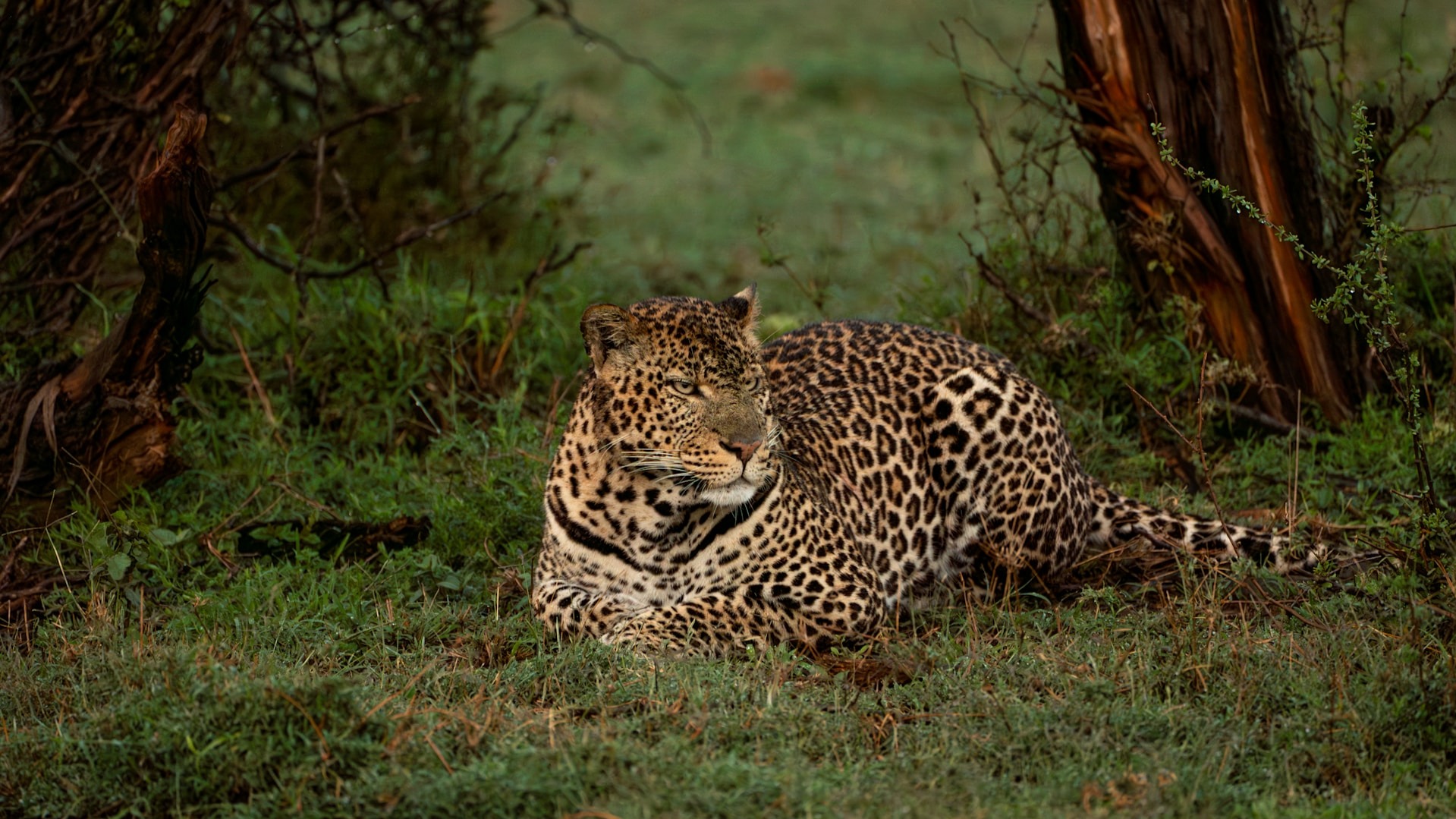
What a Sudden Leopard Encounter Taught Me About Botswana's Delta
Wildlife
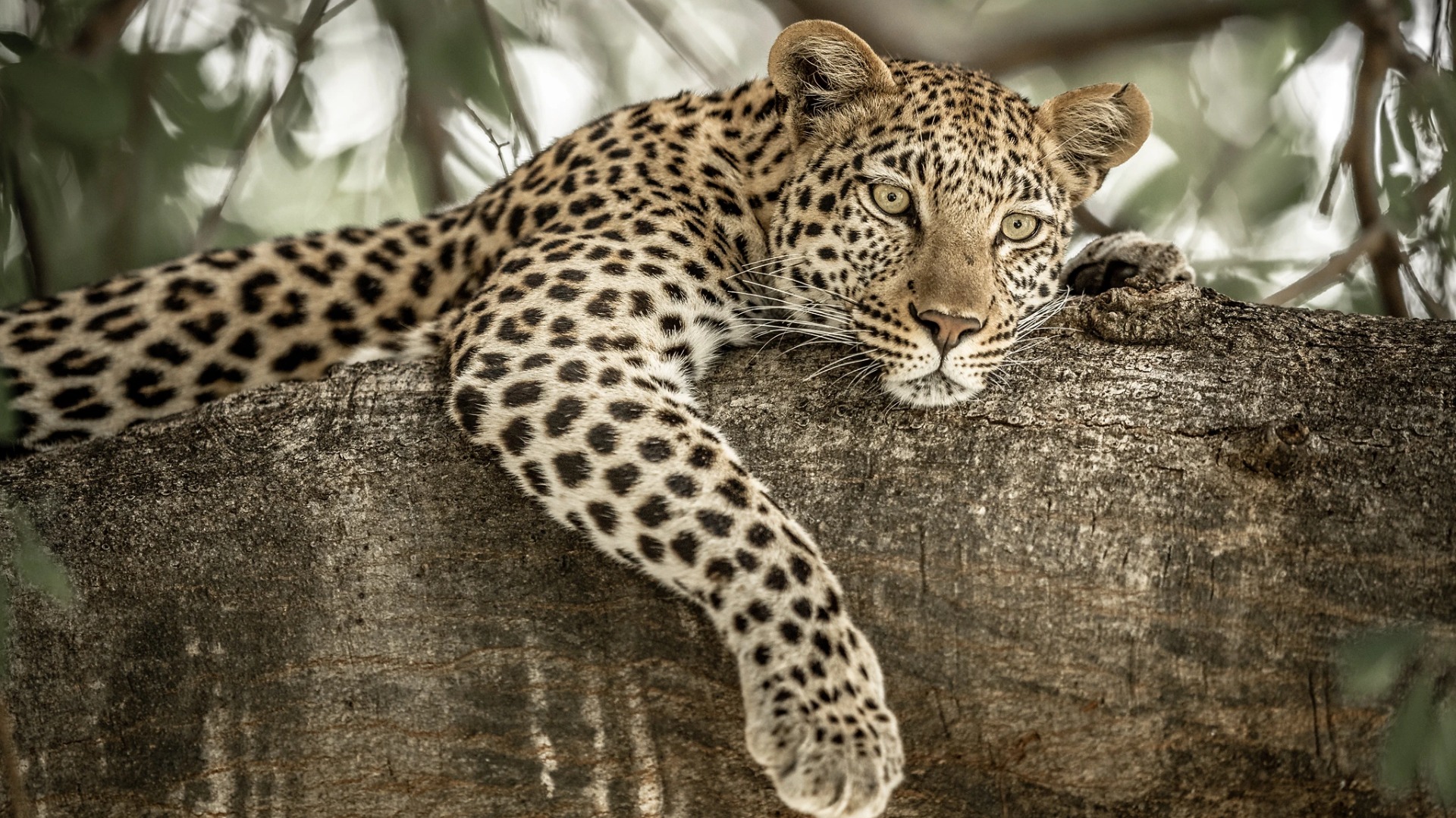
What a Year Observing Predators Taught Us About Kenya's Savannah Balance
Wildlife
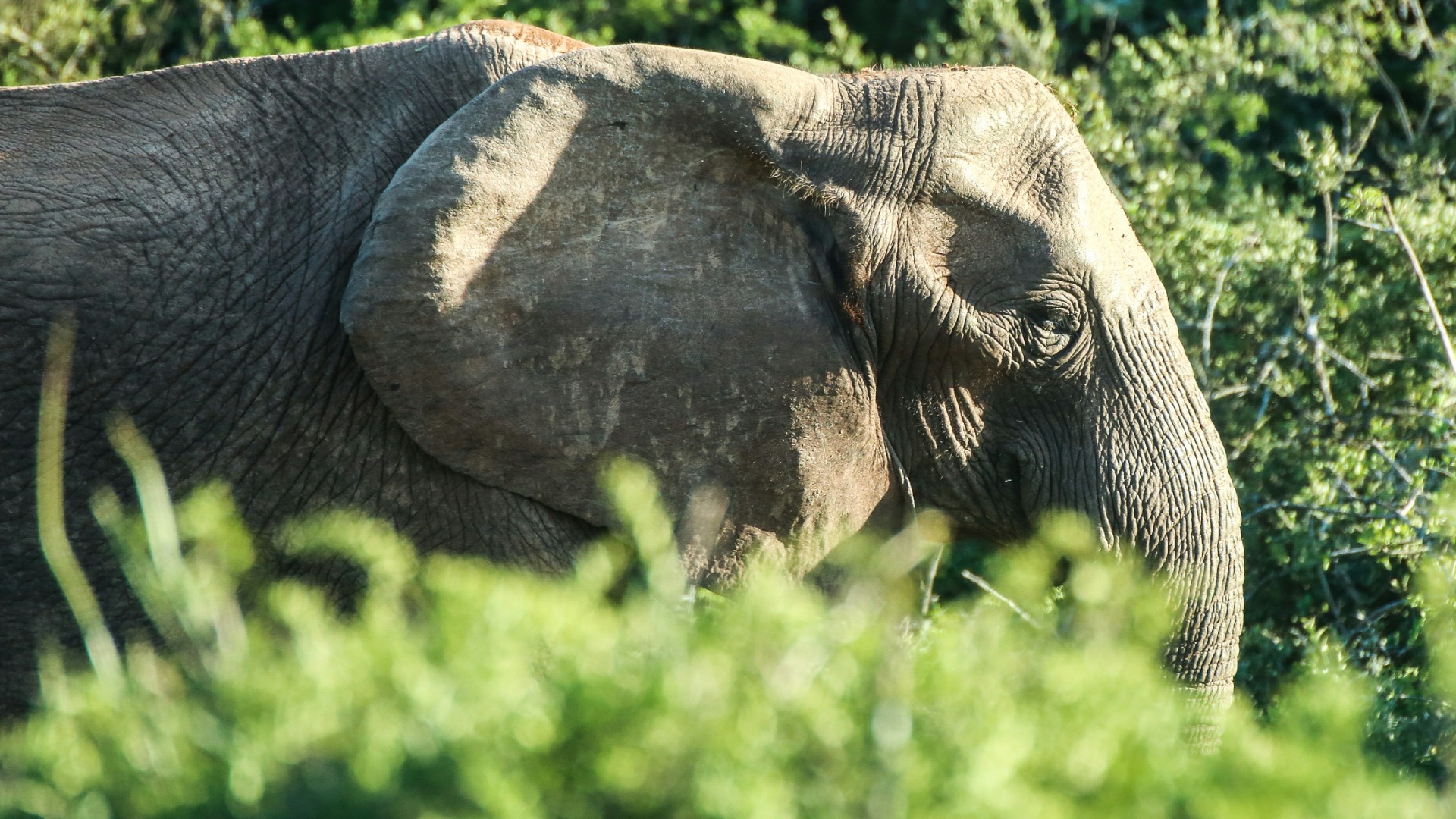
What Botswana's Anti-Poaching Units Reveal About Protecting Wildlife in Botswana
Wildlife
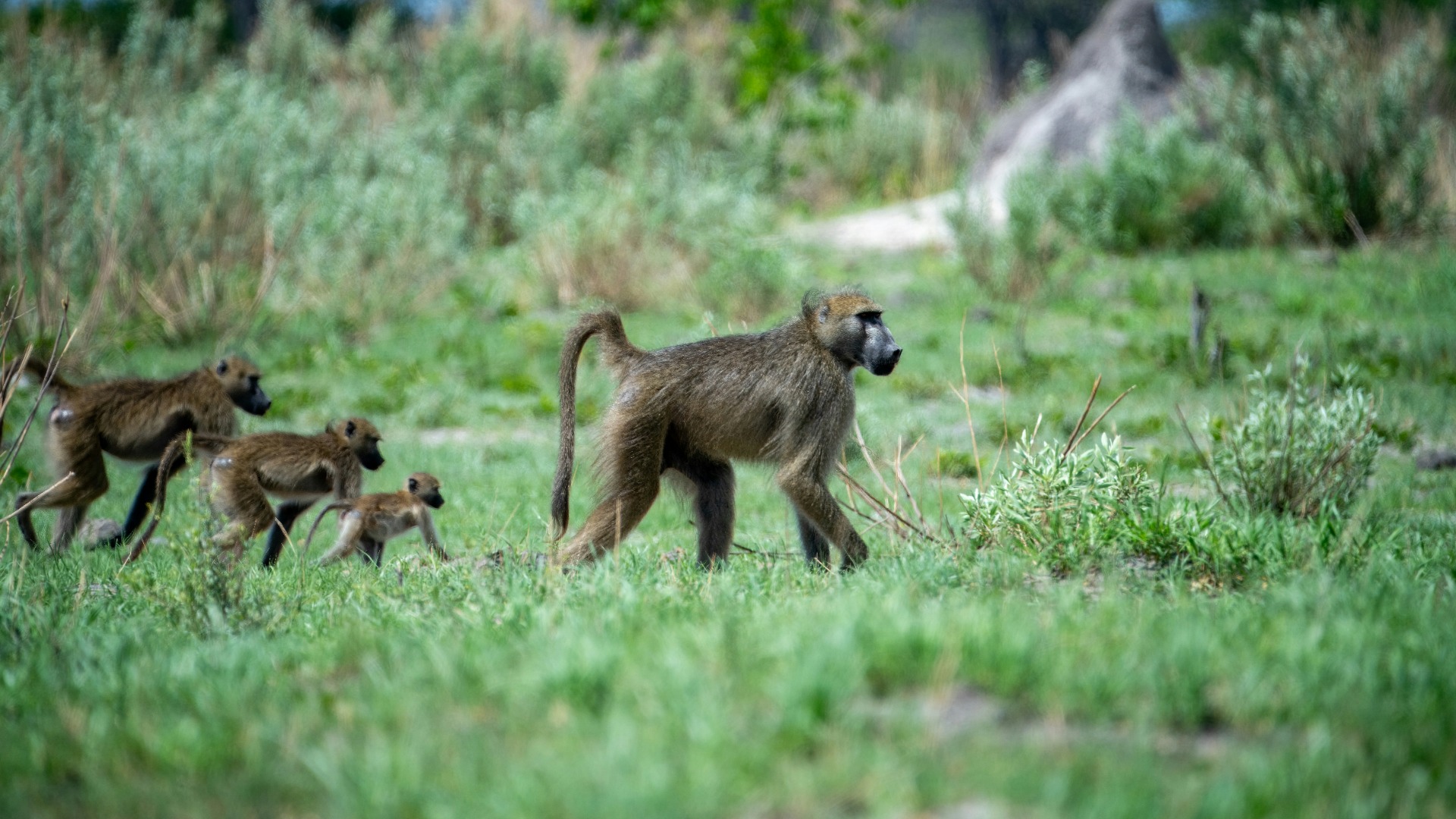
What Elephant Matriarchs Teach Us About Memory and Leadership Across African Savannas
wildlife
What Every Visitor Should Know About Chacma Baboons in South Africa's Western Cape
Wildlife