Wildlife
What a Sudden Leopard Encounter Taught Me About Botswana's Delta
Encounters Africa - 8 min read
Updated on 24 June 2026
Botswana wildlife offers some of the continent's most intimate and unpredictable encounters, especially within the ever-shifting waterways of the Okavango Delta. What a Sudden Leopard Encounter Taught Me About Botswana's Delta reveals how a single moment can reshape your understanding of predator behaviour, habitat dynamics, and the value of patient observation. In this vast inland delta, where seasonal floods transform the landscape, every game drive holds the potential for transformative sightings that linger long after the journey ends.
The Okavango Delta spans roughly 15,000 square kilometres at its peak flood, supporting an estimated 200,000 large mammals during the dry season. Botswana wildlife moments here feel profoundly personal because visitor numbers remain strictly limited across its private concessions. This approach ensures that when you do witness something remarkable, it belongs entirely to your small group and guide.
In the hushed seconds before the leopard revealed herself, I understood that Botswana wildlife rewards those who travel with quiet expectation rather than demanding checklists.
The Unexpected Leopard Sighting That Changed Everything
Our small boat had drifted into a narrow channel lined with dense reed beds near the Okavango Delta. The morning light filtered through papyrus stems, casting golden patterns on the water. We were searching for signs of a female leopard reported in the area the previous evening when our guide suddenly cut the engine.
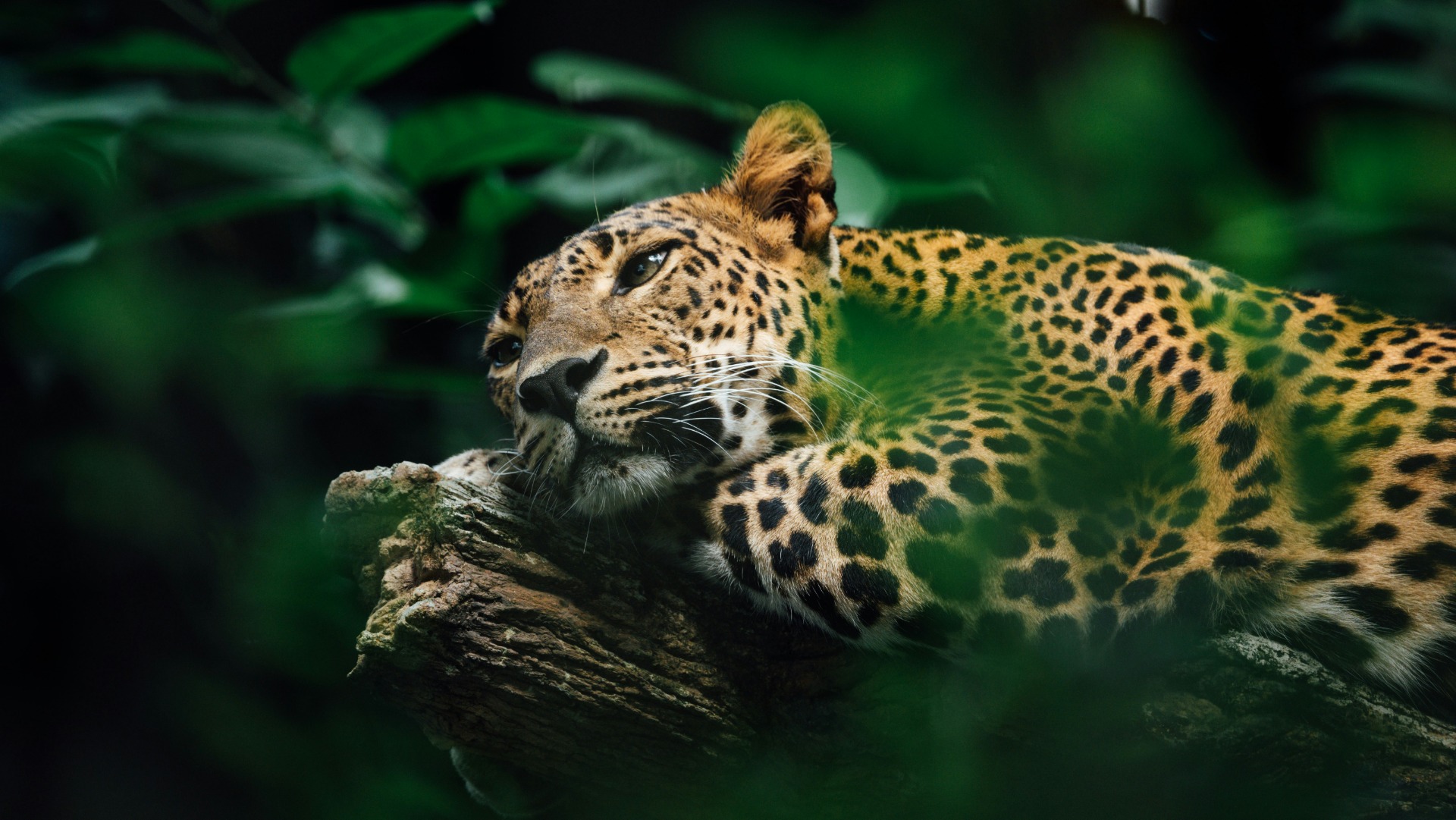
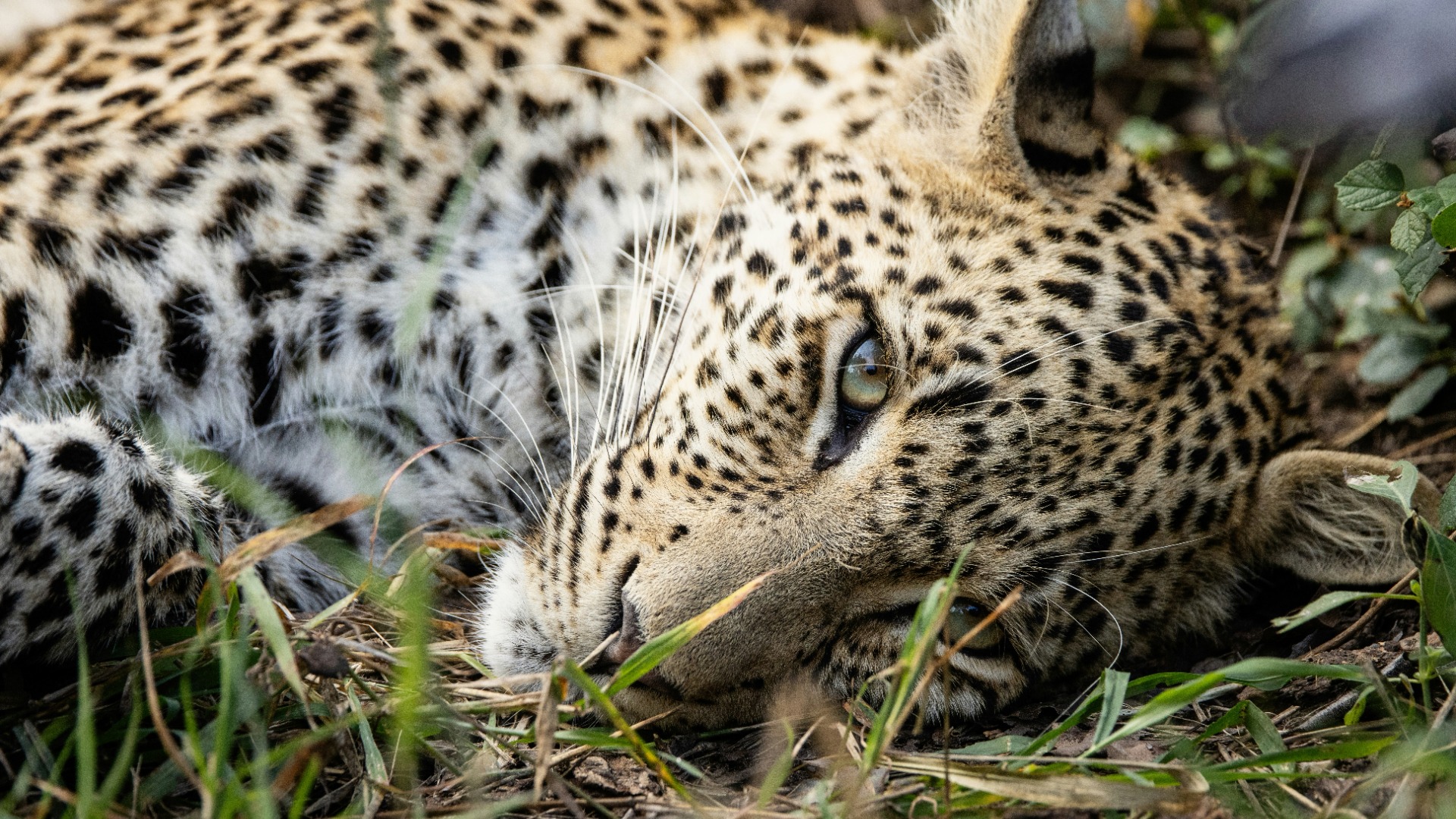
Nothing moved at first. Then a slight shift in the branches above us drew every eye upward. Less than four metres away, a young female leopard lay stretched along a thick limb, her rosettes blending perfectly with the dappled light. She watched us with the casual indifference of someone who had known we were coming long before we spotted her.
What followed was nearly 40 minutes of complete stillness on both sides. She groomed, stretched, and eventually descended the trunk with liquid grace, passing so close to our boat that we could hear her breathing. That leopard encounter taught me more about Botswana wildlife than any textbook explanation of territorial ranges or hunting strategies.
Reading the Subtle Signs
Our guide had noticed bent reeds and fresh claw marks that the rest of us had missed. These small indicators form the foundation of skilled tracking in the Delta, where visibility is often limited by vegetation. Botswana wildlife viewing succeeds when visitors learn to read the landscape as actively as the animals do.
The leopard's calm acceptance of our presence spoke volumes about the low-impact tourism model practiced in this region. Unlike areas with constant vehicle pressure, many Delta concessions maintain a ratio of one vehicle per several thousand hectares, allowing predators to retain natural behaviours.

Understanding Botswana Wildlife Through Its Iconic Landscapes
The Okavango Delta represents one of Earth's most dynamic ecosystems, with floodwaters arriving from Angola between April and October. This pulse of life draws vast herds of elephant, buffalo, and zebra, creating the foundation for Botswana's rich predator populations. During the dry season from May to October, concentrations around permanent water sources offer exceptional game viewing opportunities.
Beyond the Delta, Chobe River Front provides some of the highest elephant densities on the continent, with herds exceeding 100 individuals frequently observed. Further south, the Makgadikgadi Salt Pans transform during the rains into a shallow inland sea that attracts flamingos by the hundreds of thousands.
Botswana wildlife moments rarely announce themselves with fanfare. They unfold gradually, teaching patience to those accustomed to faster wildlife experiences elsewhere in Africa.
Seasonal Patterns That Shape Wildlife Behaviour
The best time to witness Botswana wildlife in the Delta is typically July to October, when floodwaters peak and animals gather around shrinking dry-season water sources. This period coincides with cooler temperatures that make early morning and late afternoon activities particularly comfortable.
From November to March, the rains bring new grass across the surrounding Kalahari sands, dispersing herds but creating magnificent green landscapes and excellent birding. Each season offers different rewards for those who understand the rhythms of this remarkable place.
The Predators of the Delta: Beyond the Leopard
While our leopard encounter remains my most vivid memory, the Delta supports healthy populations of lion, cheetah, wild dog, and spotted hyena. The area around Duba Plains Private Reserve has become particularly famous for its lion prides that have adapted to hunting in water, taking buffalo in chest-deep channels.
African wild dogs maintain one of their strongest populations in Botswana, with the Okavango Delta and surrounding areas supporting roughly 1,500 individuals. Their high-energy hunting style creates some of the most thrilling wildlife moments possible, especially when following a pack on the move at first light.
Specialist Species and Their Adaptations
The sitatunga, a water-adapted antelope with elongated hooves, finds perfect habitat among the Delta's papyrus beds. These shy creatures are more often heard than seen, but patient observers may catch them wading through shallow waters at dawn.
Red lechwe, with their distinctive black leg markings, number in the tens of thousands across the region. Their ability to bound across flooded grasslands at high speed provides one of the most distinctive movement patterns in African wildlife.

Conservation Success Stories in Botswana Wildlife
Botswana has maintained a strong conservation ethic since independence, with more than 17 percent of its land designated as national parks and a further 20 percent as wildlife management areas. This commitment has allowed wildlife populations to remain robust compared to many other African nations.
Community conservancies play an increasingly important role, particularly in areas like the Khwai Community Area where local villages directly benefit from tourism revenue. These models help ensure that Botswana wildlife continues to thrive beyond protected boundaries.
The true measure of successful conservation isn't simply the presence of animals, but the natural behaviours they display when they no longer fear human presence.
How Responsible Tourism Supports Wildlife Protection
High-value, low-volume tourism has become the cornerstone of Botswana's approach to wildlife areas. By limiting numbers and maintaining premium pricing, the country ensures that each visitor contributes meaningfully to conservation while experiencing uncrowded wilderness.
Photographic tourism in particular has grown, with specialist guides helping travellers capture authentic Botswana wildlife moments without disturbing natural behaviour. This focus on quality over quantity distinguishes the Botswana experience from more crowded destinations.
What Makes Botswana Wildlife Encounters Unique
The combination of water and wilderness creates sighting opportunities found nowhere else on the continent. Drifting silently in a mokoro (traditional canoe) allows you to approach animals at water level, often within metres of elephants drinking or hippos surfacing nearby.
Night drives reveal the smaller, often overlooked members of the ecosystem. From aardvarks to pangolins, these after-dark expeditions frequently produce some of the most memorable Botswana wildlife moments of an entire journey.
Preparing for Your Own Botswana Wildlife Experience
Successful wildlife viewing in Botswana requires flexibility and patience. The animals follow their own schedules, and the most profound encounters often happen when plans change at the last moment to follow fresh tracks or investigate distant calls.
Choosing the right camp or lodge makes an enormous difference. Properties like Duba Plains Camp and those in the Selinda Reserve offer exceptional guiding and access to diverse habitats where wildlife concentrations vary throughout the year.
Common Questions About Botswana Wildlife
What is the best time to visit for Botswana wildlife? The dry season from June to October generally offers the most reliable game viewing as animals concentrate around water sources. However, the green season brings migratory birds and dramatic thunderstorms that create their own magic.
How does Botswana compare to other safari destinations? Botswana provides some of Africa's lowest visitor densities, allowing for more intimate encounters. The water-based activities in the Delta add a completely different dimension to traditional game drives.
Is Botswana suitable for first-time safari travellers? Absolutely. The excellent guiding standards and comfortable camps make it accessible, while the sheer variety of experiences satisfies even seasoned wildlife enthusiasts.
What should I bring to maximise my wildlife experience? Quality binoculars, a good camera with telephoto lens, neutral-coloured clothing, and perhaps most importantly, a sense of curiosity and patience.
Planning Your Journey Into Botswana's Wild Heart
Our leopard encounter lasted less than an hour, yet its lessons have stayed with me through years of subsequent journeys across Africa. The way she assessed us without fear, the patience of our guide in allowing the moment to unfold naturally, and the profound silence that followed her departure all spoke to something essential about Botswana wildlife.
These experiences cannot be manufactured or guaranteed. They emerge from a combination of ecological health, responsible management, skilled guiding, and a certain amount of luck. When they do occur, they remind us why we travel to these places, seeking not just to see animals but to understand our place within their world.
For discerning travellers seeking a private safari beyond our set itineraries, we invite you to contact us directly. We specialise in designing exceptional, tailor-made journeys for individuals, couples, families, and private groups of up to eight guests. Drawing on our handpicked network of distinguished camps and lodges, we curate every detail with precision and care, creating a seamless, deeply personal safari experience shaped entirely around your preferences, pace, and budget.
Whether you hope to follow wild dog packs across the floodplains, watch elephant herds crossing channels at sunset, or simply absorb the Delta's unique atmosphere, Encounters Africa can help craft the ideal journey. The Delta awaits with its leopards, lions, and countless smaller stories waiting to be discovered.
More like this
Wildlife
What a Year Observing Predators Taught Us About Kenya's Savannah Balance
Wildlife
What Botswana's Anti-Poaching Units Reveal About Protecting Wildlife in Botswana
Wildlife
What Elephant Matriarchs Teach Us About Memory and Leadership Across African Savannas
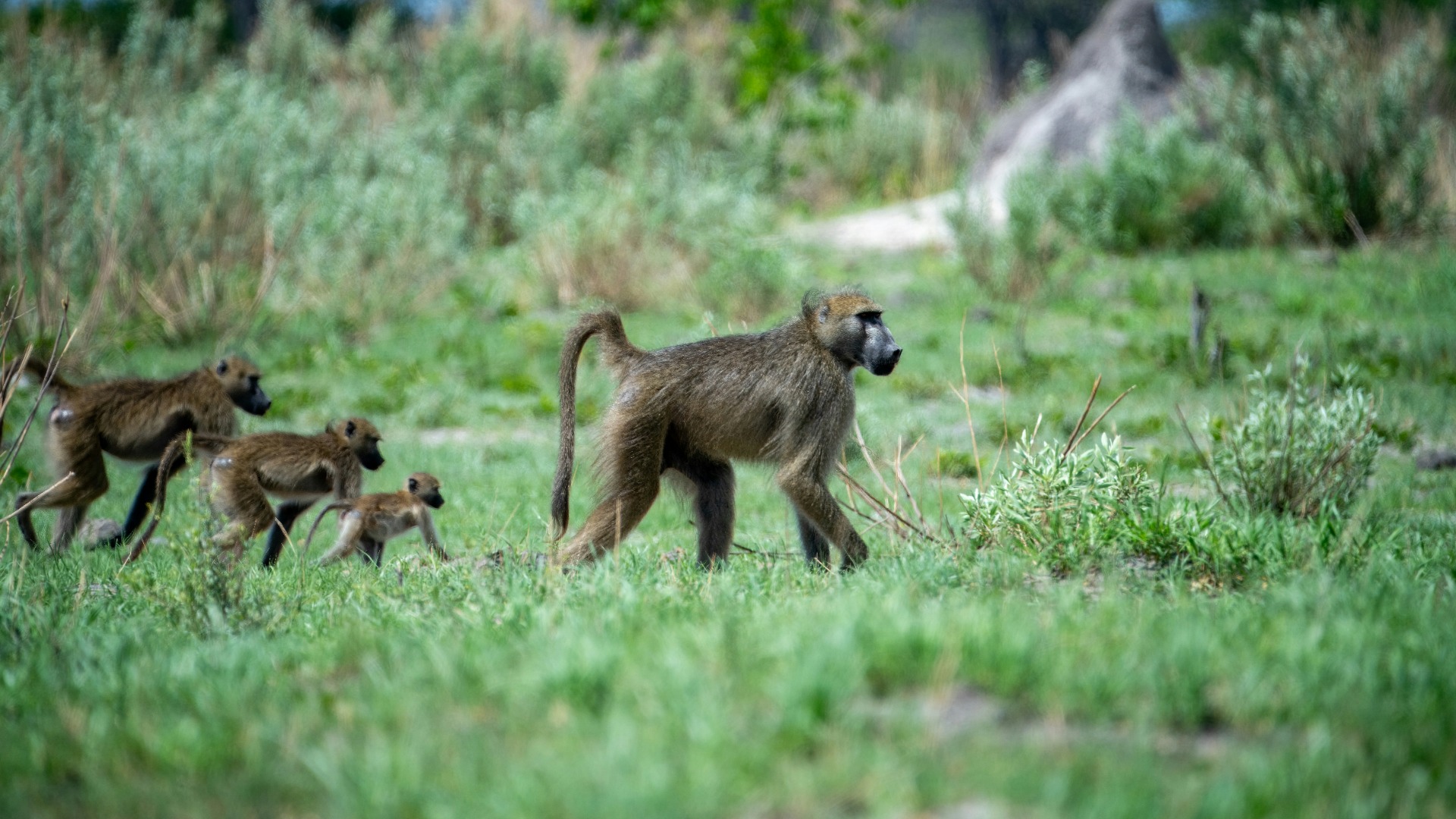
wildlife
What Every Visitor Should Know About Chacma Baboons in South Africa's Western Cape
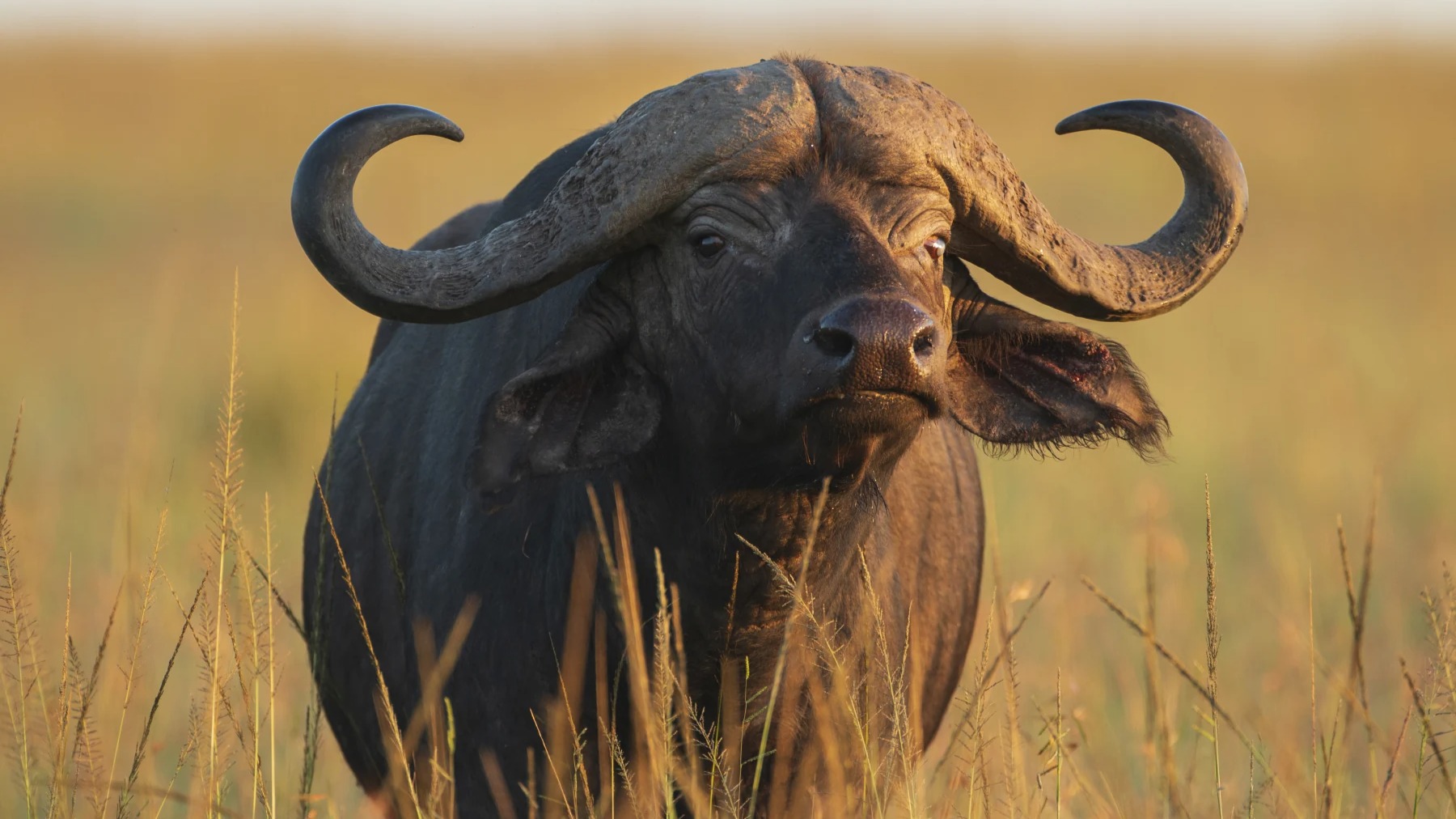
Wildlife
What Happens When You Track Zambian Wildlife on Foot Through Luangwa Valley
Wildlife