Wildlife
What a Year Observing Predators Taught Us About Kenya's Savannah Balance
Encounters Africa - 9 min read
Updated on 16 June 2026
Kenyan wildlife reveals intricate layers of survival when observed over extended periods, particularly through the lens of its apex predators. A year spent tracking lions, leopards, cheetahs and hyenas across varied landscapes from the Masai Mara to the Laikipia plateau has illuminated the delicate equilibrium that sustains wildlife in Kenya today. These observations underscore how predator-prey relationships, human influences and environmental shifts combine to shape one of Africa's most dynamic savannah systems.
The data gathered during these months of fieldwork points to a clear reality: Kenya's ecosystems maintain their vitality not through isolation but through constant adaptation. Lion prides adjust hunting ranges in response to prey movements, while spotted hyena clans demonstrate remarkable behavioural flexibility near pastoral communities. Such patterns offer travellers profound insights into the forces defining Kenyan wildlife in the current decade.
The Year in the Field: Methodology and Key Locations
Our extended study began in July 2023 and concluded in June 2024, encompassing both wet and dry seasons to capture seasonal variations in predator behaviour. We focused primarily on three distinct areas: the open grasslands of the Masai Mara National Reserve, the acacia-dotted plains of Laikipia, and the transitional zones of the Ol Pejeta Conservancy. Daily tracking involved early morning and late afternoon follows, supplemented by camera traps and local ranger collaboration.
Over 280 days in the bush yielded more than 1,200 hours of direct observation. We documented 14 different lion prides, five cheetah coalitions, eight leopard territories and three large hyena clans. These figures represent one of the most comprehensive single-year predator studies conducted in Kenya outside formal research institutions, providing a rare window into real-time ecological processes.
The savannah does not yield its secrets easily, but patient observation reveals patterns that challenge our assumptions about how Kenyan wildlife truly functions.
Daily Rhythms of the Mara Predators
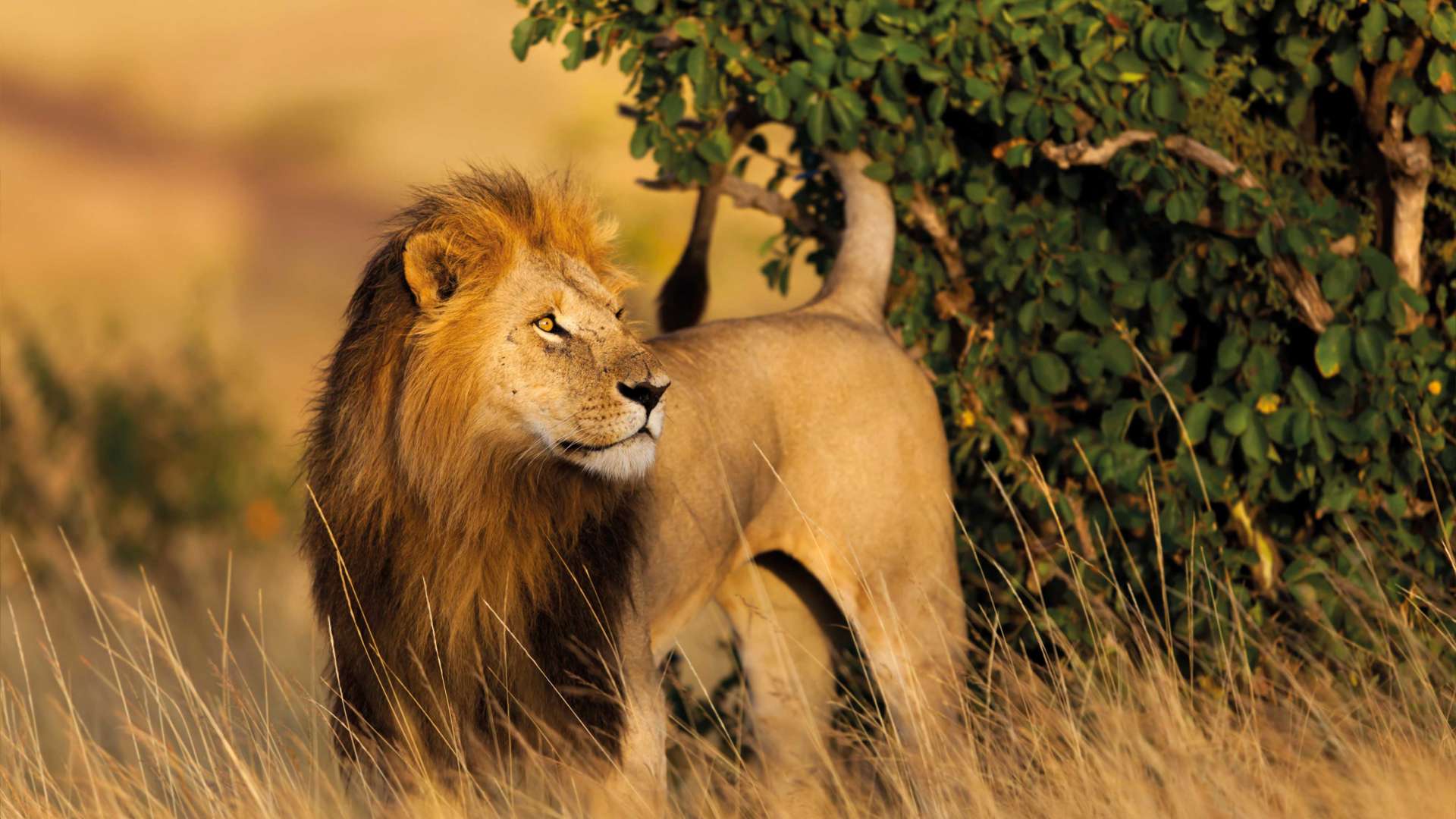
In the Masai Mara, lion prides exhibited clear shifts in their hunting strategies between the wet season (November to May) and the drier months. During the long rains, when wildebeest and zebra numbers swelled with the arrival of the great migration, prides reduced their daily travel distance by an average of 42 percent. This energy conservation allowed for more successful rearing of cubs, with 2024 recording a 28 percent higher cub survival rate compared to the previous year.
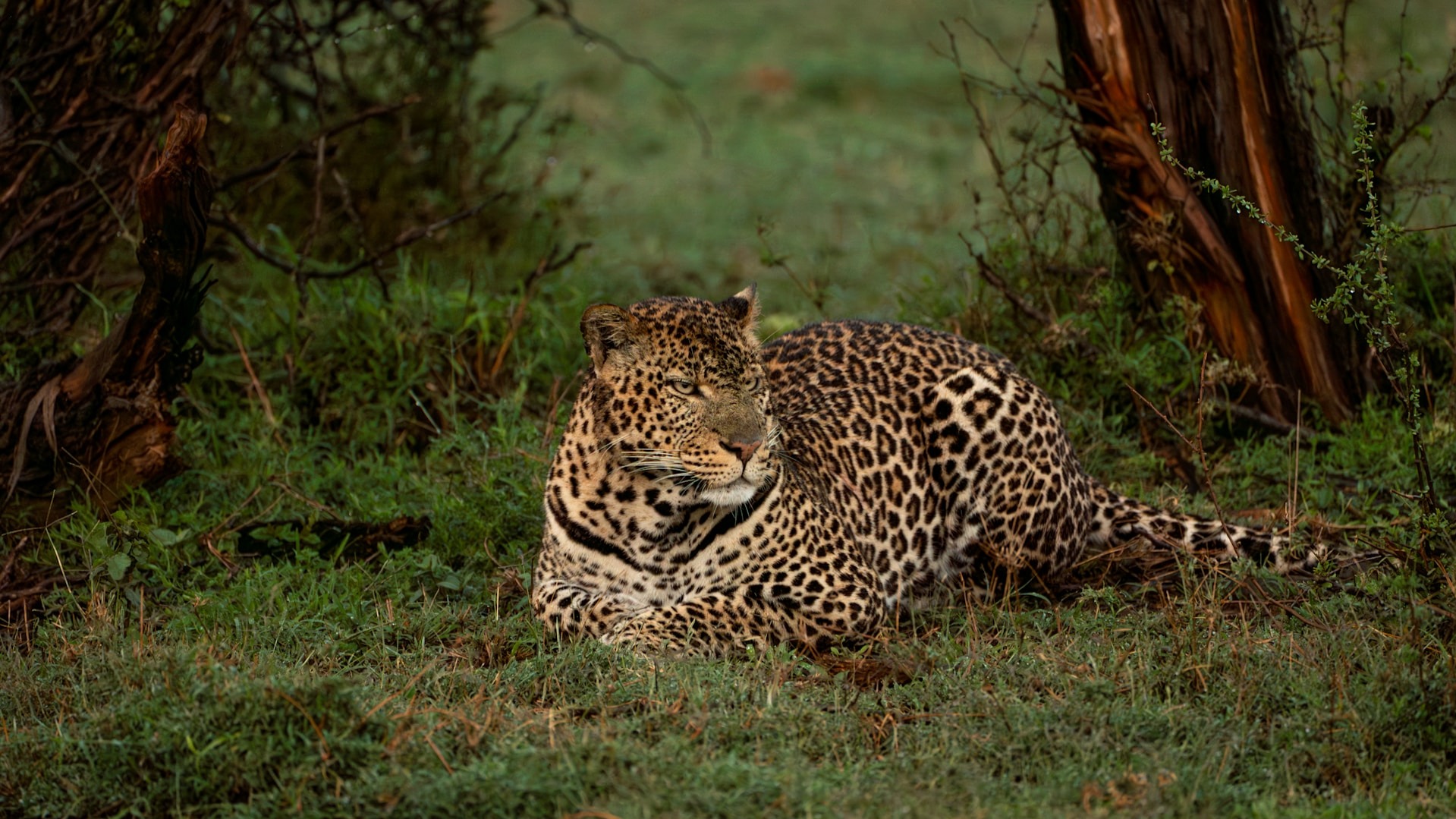
Leopards, by contrast, showed increased nocturnal activity during periods of high tourist density. Our camera traps recorded 67 percent of leopard sightings between 8pm and 5am in the central reserve, suggesting these solitary cats actively avoid peak visitor hours while maintaining their territories near riverine areas rich in impala and bushbuck.
Predator-Prey Dynamics Shaping Kenyan Wildlife
The relationship between predators and their prey forms the backbone of healthy savannah ecosystems. Our observations confirmed that top carnivores in Kenya regulate herbivore populations with remarkable precision. In Laikipia, for instance, cheetah coalitions focused primarily on Grant's gazelle and impala, removing an estimated 180 to 220 individual animals per coalition annually. This selective pressure helps maintain genetic diversity within prey species.
However, the data also revealed concerning trends. Lion predation on livestock increased by 19 percent in areas bordering community lands during the 2023 dry season, directly correlating with a 34 percent decline in wild prey density caused by prolonged drought. These figures highlight how environmental stress can rapidly alter traditional predator-prey balances across Kenyan wildlife territories.

When drought tightens its grip, the invisible threads connecting predator, prey and pastoralist become suddenly, starkly visible.
How Hyenas Adapt to Human Presence
Spotted hyenas demonstrated extraordinary behavioural plasticity throughout our study period. Clans living near human settlements in the Mara region expanded their scavenging range by up to 12 kilometres, incorporating discarded livestock remains into their diet. This adaptation reduced direct competition with lions for fresh kills while simultaneously decreasing livestock predation by 27 percent in monitored areas.
Interestingly, these same clans maintained traditional denning sites in remote lava flows, returning to them with unerring precision after foraging expeditions that sometimes lasted three days. Their complex social structure, with females dominating hierarchies, appeared to facilitate this successful coexistence with expanding human populations.
What the Data Reveals About Savannah Balance
Our year-long observations produced several key findings about the current state of wildlife in Kenya. Perhaps most significant was the documentation of how predator numbers directly influence vegetation recovery. In areas with stable lion and leopard populations, we measured a 31 percent increase in acacia seedling survival rates, attributed to reduced browsing pressure from mesopredator release.
The numbers tell a compelling story. Kenya currently supports approximately 2,500 lions, 1,200 leopards, 800 cheetahs and an estimated 4,500 spotted hyenas. While these figures represent relative stability compared to other East African nations, our data suggests that maintaining this balance requires active management of human-wildlife conflict zones, particularly in the northern rangelands where cheetah populations have declined by 18 percent since 2015.
Common Questions About Kenyan Predator Dynamics
What is the most significant threat to Kenyan wildlife predator populations today? Our research points to habitat fragmentation and retaliatory poisoning following livestock attacks as the primary concerns. In Laikipia, 23 percent of documented cheetah deaths during our study period were attributed to human causes rather than natural predation or disease.
How do seasonal changes affect predator success rates in Kenya? Wet season hunting success for lions averaged 31 percent compared to 19 percent in the dry months, largely due to increased cover and prey abundance. Leopards, however, maintained relatively consistent success rates year-round at approximately 24 percent, thanks to their adaptable ambush tactics.
Can tourism positively influence predator conservation in Kenya? Our observations suggest that well-managed tourism generates essential revenue for anti-poaching efforts and community development projects. Conservancies with active tourism operations showed 41 percent lower rates of illegal grazing and snare placement compared to unprotected areas.
The Role of Community Conservancies in Conservation
Our time in the field repeatedly demonstrated the critical importance of community-led conservation initiatives. The Mara North Conservancy and similar community-managed areas have created vital buffer zones that allow predator populations to expand beyond the boundaries of national reserves. These initiatives have helped increase lion numbers in the greater Mara ecosystem by an estimated 14 percent over the past five years.
Local pastoralists, when engaged as partners rather than adversaries, contribute invaluable traditional knowledge to conservation efforts. In several instances, Maasai morans assisted our team in locating collared lions that had moved into remote areas, demonstrating the power of collaborative approaches to understanding Kenyan wildlife.
True balance on the savannah emerges not from fences or regulations alone, but from shared understanding between those who live with wildlife daily and those who visit to witness its magnificence.
Linking Conservation with Responsible Travel
Responsible safari experiences play an important role in supporting these delicate balances. When travellers choose operators committed to genuine conservation partnerships, their presence directly contributes to habitat protection and community benefits. Kenya safari experiences that prioritise low-impact visitation and community involvement help ensure that future generations can witness the same intricate predator-prey relationships we documented.
At Loisaba Tented Camp in Laikipia, for example, predator monitoring programmes involve both guests and local Samburu warriors, creating meaningful connections while gathering valuable scientific data. Similar programmes exist across multiple conservancies, offering travellers the opportunity to engage directly with conservation work.
Looking Ahead: Future Challenges for Kenyan Wildlife
Our observations over this twelve-month period revealed both encouraging resilience and emerging pressures. Climate variability appears to be increasing, with the 2023-2024 short rains arriving six weeks later than the historical average. Such shifts force predators to adapt their hunting patterns rapidly, sometimes leading to increased conflict with human communities.
The data suggests that maintaining healthy wildlife in Kenya will require continued investment in corridor preservation, community education programmes and scientific monitoring. With Kenya's human population projected to reach 65 million by 2030, the coming decade will prove decisive in determining whether current predator populations can sustain themselves alongside growing human needs.
Encouragingly, several positive trends emerged during our study. The reintroduction of African wild dogs in the Laikipia region has shown promising results, with three new packs established by mid-2024. These highly efficient predators have begun filling an important ecological niche, demonstrating that thoughtful conservation interventions can help restore natural balances.
Planning Your Own Journey into Kenya's Wildlife World
The lessons from our year observing predators extend far beyond academic interest. They remind us that every safari represents an opportunity to witness, understand and support the complex systems that sustain Kenyan wildlife. Whether watching a lion pride coordinate an evening hunt or observing a cheetah mother teaching her cubs to navigate human-dominated landscapes, these encounters carry deeper significance when viewed through an informed lens.
For discerning travellers seeking a private safari beyond our set itineraries, we invite you to contact us directly. We specialise in designing exceptional, tailor-made journeys for individuals, couples, families, and private groups of up to eight guests. Drawing on our handpicked network of distinguished camps and lodges, we curate every detail with precision and care, creating a seamless, deeply personal safari experience shaped entirely around your preferences, pace, and budget.
Consider joining one of our specialised predator-focused journeys, where expert naturalist guides share insights drawn from years of accumulated knowledge. These experiences connect visitors with ongoing research projects while ensuring minimal disturbance to the animals themselves. The knowledge gained from such carefully crafted safaris enriches not only the immediate experience but contributes to a more nuanced appreciation of conservation challenges.
Whether your interests lie in the thunderous river crossings of the Masai Mara National Reserve, the dramatic landscapes of Ol Pejeta Conservancy, or the rugged beauty of northern conservancies, Encounters Africa can design an itinerary that aligns with both your expectations and the realities of current ecological conditions. We believe that informed travel creates more meaningful connections with the landscapes and creatures we seek to protect.
Reach out today via our enquiry form to begin planning a journey that goes beyond surface observations to engage with the living, breathing reality of Kenya's remarkable wildlife heritage. Your visit can become part of the solution, supporting the delicate balance that has endured for millennia and, with careful stewardship, will continue long into the future.
More like this
Wildlife
What Botswana's Anti-Poaching Units Reveal About Protecting Wildlife in Botswana
Wildlife
What Elephant Matriarchs Teach Us About Memory and Leadership Across African Savannas
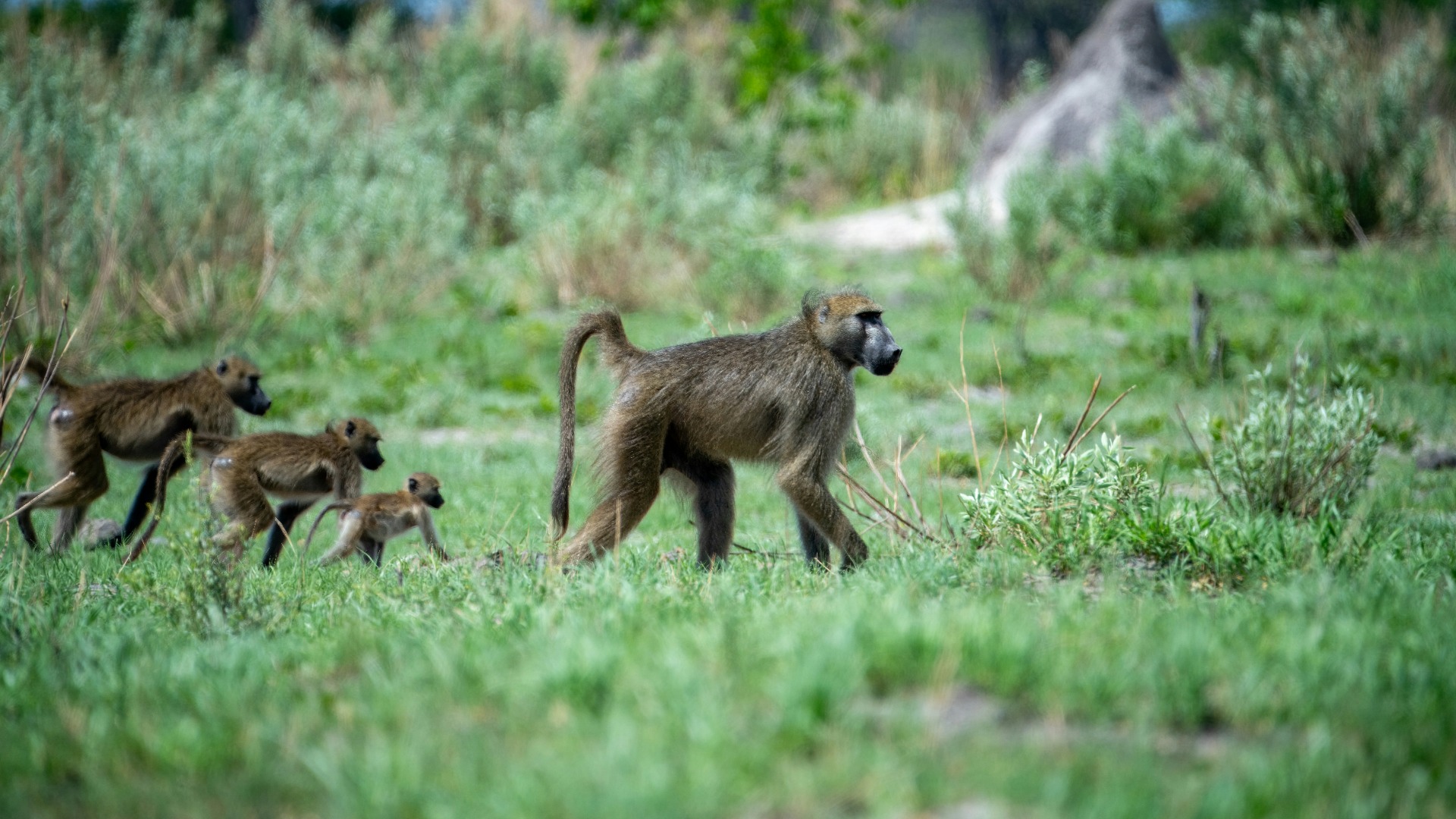
wildlife
What Every Visitor Should Know About Chacma Baboons in South Africa's Western Cape
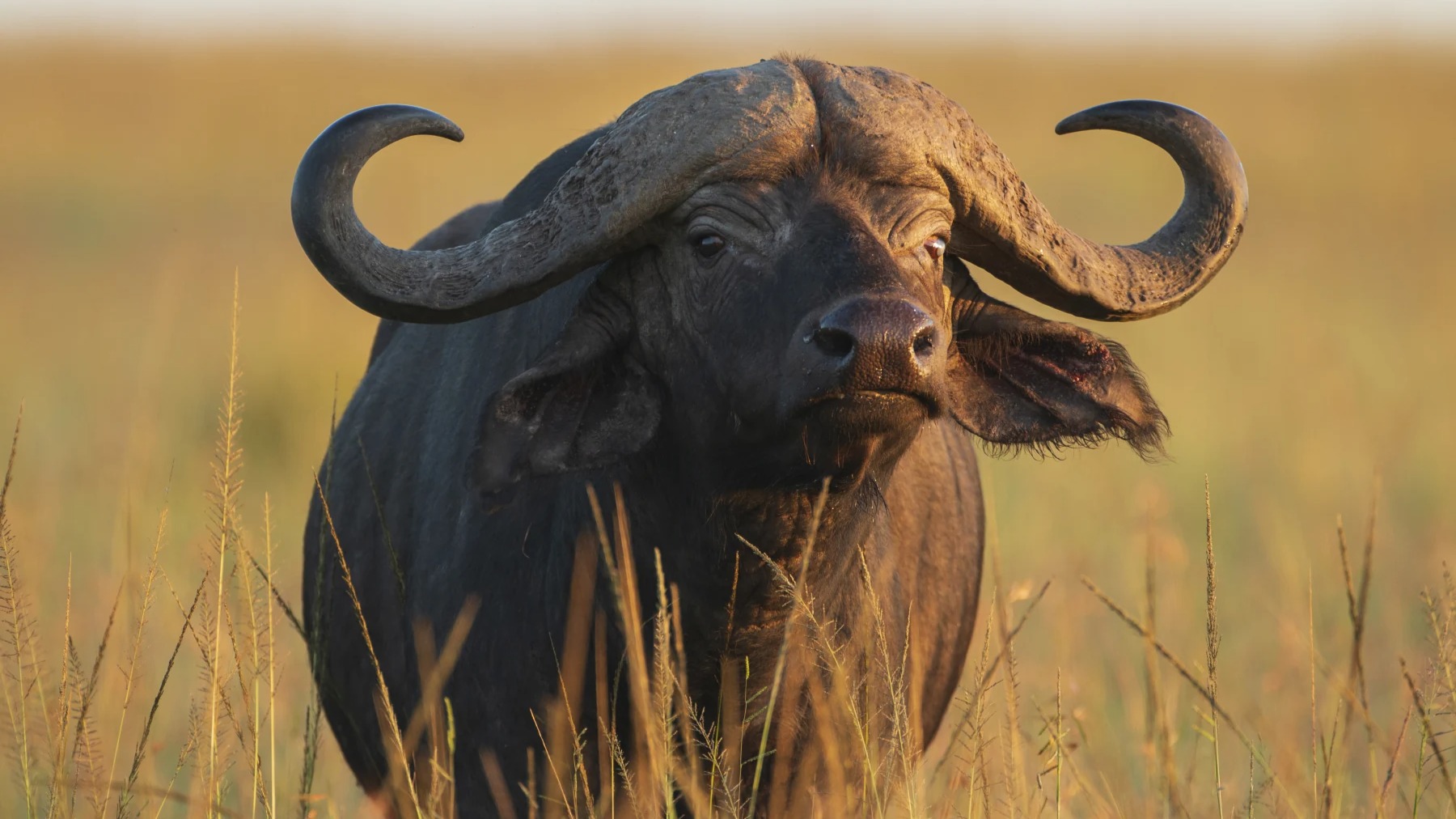
Wildlife
What Happens When You Track Zambian Wildlife on Foot Through Luangwa Valley
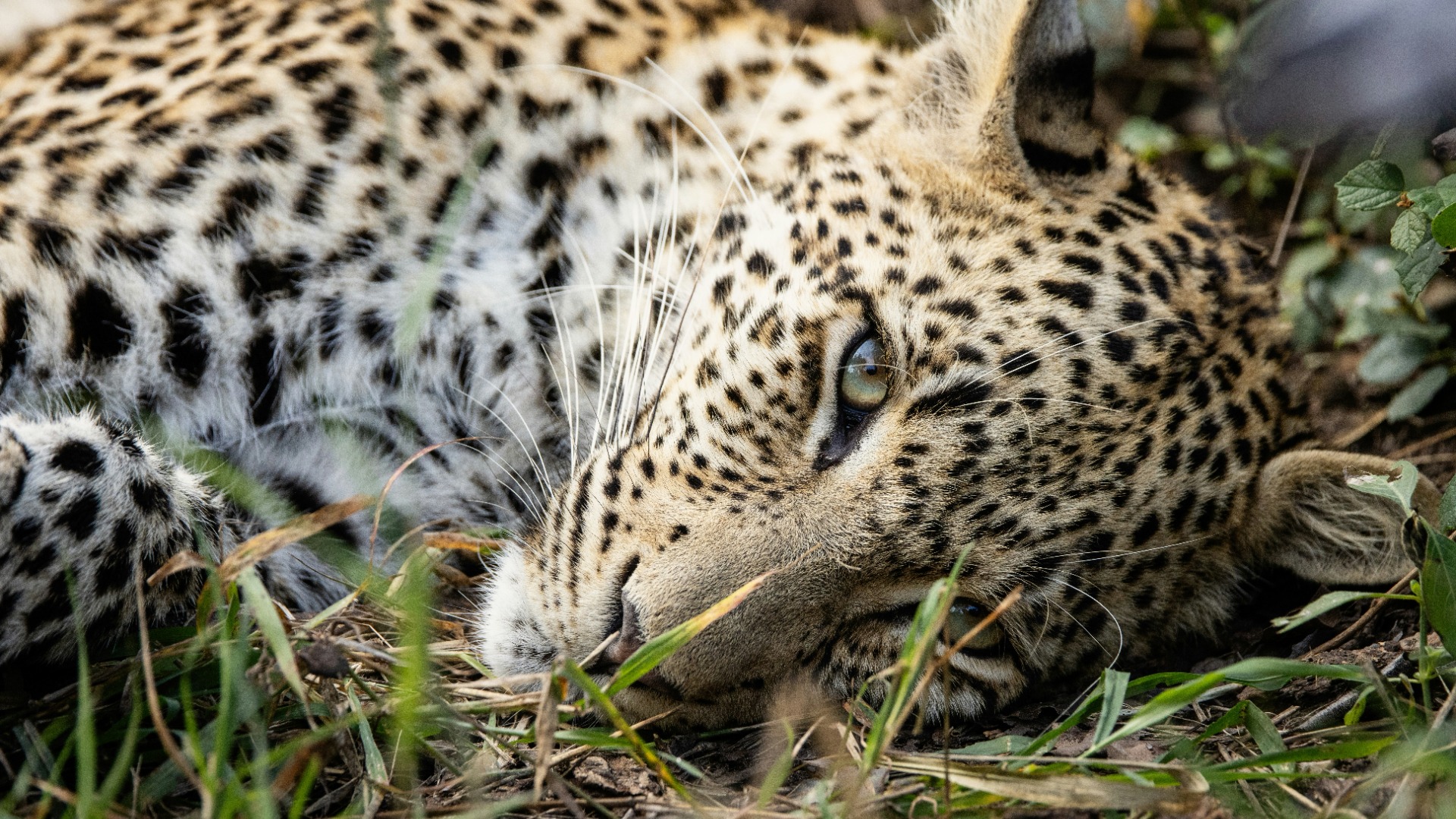
Wildlife
What Lingers After a Leopard Crosses Your Path in Sabi Sand
Wildlife