
Wildlife
What Botswana's Anti-Poaching Units Reveal About Protecting Wildlife in Botswana
Encounters Africa - 7 min read
Updated on 16 June 2026
Wildlife in Botswana thrives under a network of dedicated anti-poaching units that blend rigorous enforcement with community involvement and innovative funding models. These efforts have contributed to stable or growing populations of key species, including approximately 130,000 elephants across the country as of recent aerial surveys, while fostering economic benefits for local residents through tourism revenue sharing.
From the riverine corridors of the north to the vast salt pans of the south, Botswana demonstrates how targeted protection measures can safeguard immense biodiversity. The country’s anti-poaching strategies offer valuable lessons for conservation worldwide, revealing the importance of sustained investment, local buy-in, and adaptive management in preserving Africa’s natural heritage.
The Scale of Wildlife in Botswana
Botswana hosts one of the largest remaining elephant populations on the continent, with herds that move seasonally between protected areas and community lands. This abundance extends to other iconic species: lions numbering around 3,000, healthy populations of African wild dogs, and significant numbers of buffalo, zebra, and various antelope.
The Okavango Delta and Chobe River Front serve as vital strongholds, yet the challenges of vast, often remote landscapes demand constant vigilance. Anti-poaching units form the backbone of this defence, operating in some of the most challenging environments imaginable.

Effective protection begins not with fences but with people who understand both the land and the value of keeping it wild.
Structure and Operations of Anti-Poaching Units
Botswana’s anti-poaching teams combine military-trained rangers with local trackers who possess intimate knowledge of the terrain. Units typically consist of six to twelve personnel, equipped with vehicles, communication systems, and sometimes aerial support through partnerships with conservation organisations.
Patrols cover hundreds of kilometres weekly, focusing on high-risk zones where poaching pressure has historically been greatest. Intelligence gathering plays a central role, with rangers working alongside informants within communities to intercept threats before they materialise.
Technology Meets Traditional Knowledge
Modern tools such as GPS tracking, night-vision equipment, and drone surveillance complement the exceptional tracking abilities passed down through generations. This fusion creates a formidable barrier against organised poaching syndicates.
In recent years, specialised canine units have been introduced, with dogs trained to detect both wildlife products and illegal firearms. Their success rate in locating hidden caches has proven remarkable in dense mopane woodland and along the Boteti River.
Key Wildlife Conservation Efforts in Action
Beyond direct enforcement, Botswana has pioneered several integrated approaches that address the root causes of wildlife crime. These initiatives recognise that sustainable protection requires both security and socioeconomic development.
Tourism levies, for instance, channel funds directly into community projects and habitat management. This mechanism has helped finance the creation of wildlife corridors that allow safe passage for migrating herds between national parks and private concessions.
Conservation that ignores the needs of neighbouring communities will ultimately fail; Botswana’s model shows what happens when both thrive together.
Community Involvement and Benefit Sharing
Many anti-poaching recruits come from villages adjacent to protected areas. This employment not only provides income but builds a constituency that values living alongside wildlife. In the Khwai Community Area, residents participate in monitoring programmes that feed valuable data to national wildlife authorities.
Revenue from high-value, low-impact tourism supports schools, clinics, and small business development. When communities see tangible benefits, tolerance for species such as elephants increases dramatically, reducing human-wildlife conflict.
Success Stories and Measurable Outcomes
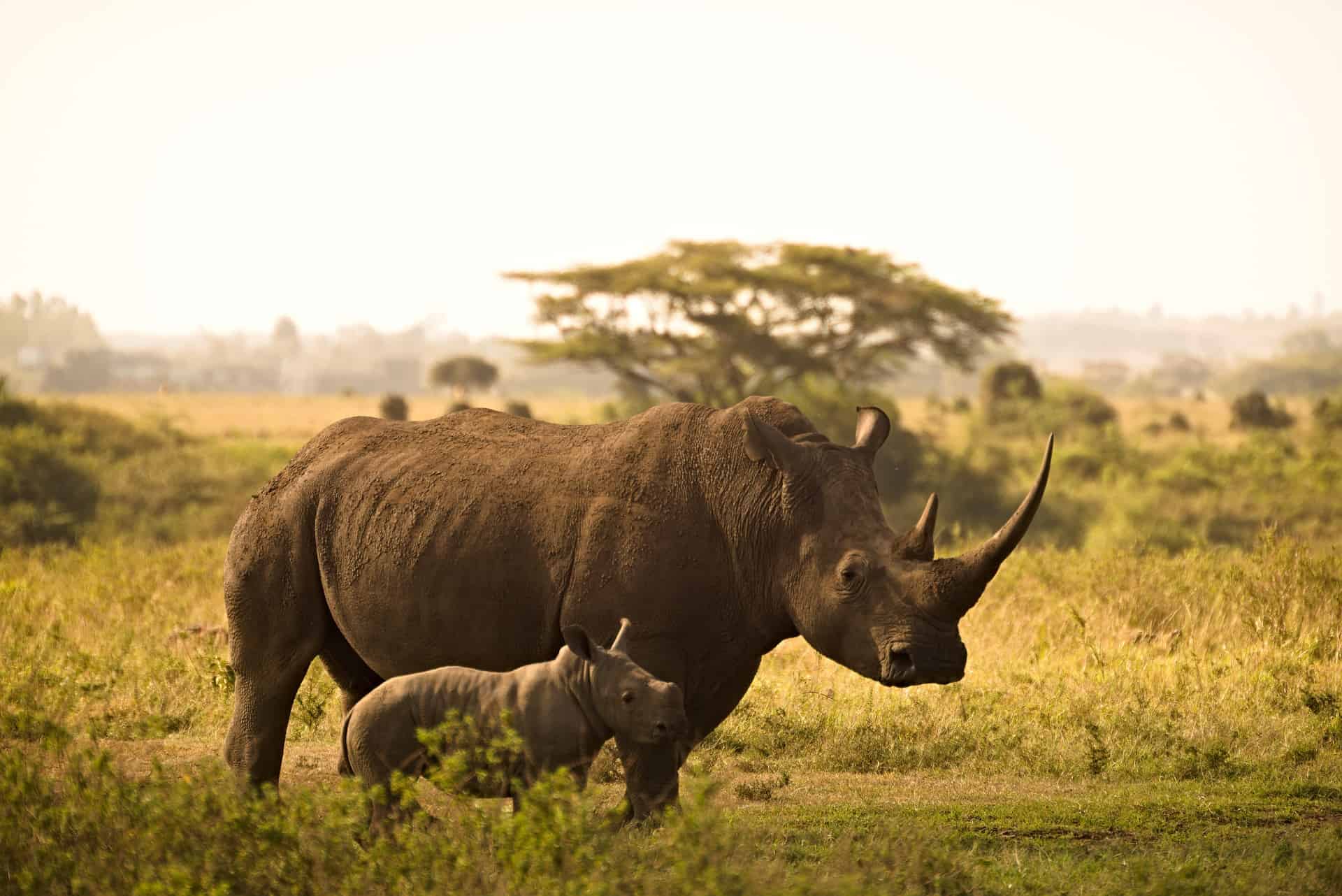
The results of these combined efforts speak for themselves. Elephant poaching incidents have declined significantly since the mid-2010s, with some northern sectors reporting near-zero losses in recent years. Rhino populations, though smaller, have been bolstered through intensive protection and strategic translocations.
Lion numbers have stabilised in key areas, while African wild dog packs have expanded their range thanks to reduced snaring and improved prey availability. These gains reflect years of consistent investment rather than short-term campaigns.
What the Data Reveals About Protection Strategies
Independent studies indicate that areas with permanent anti-poaching presence maintain wildlife densities up to four times higher than comparable zones with sporadic coverage. This correlation underscores the value of consistent, well-resourced ranger deployment across large landscapes.
Furthermore, the integration of community conservancies has created buffer zones that effectively expand protected habitat without increasing state expenditure. The model demonstrates how strategic partnerships can multiply conservation impact.
When local people become the eyes and ears of conservation, the bush itself seems to conspire in protecting its inhabitants.
Challenges Facing Anti-Poaching Teams
Despite notable successes, significant obstacles remain. The sheer size of Botswana’s conservation estate, covering over 37 percent of the country, stretches resources thin. Seasonal flooding in the Delta and extreme heat across the Kalahari complicate logistics and increase operational costs.
Cross-border threats require ongoing cooperation with neighbouring countries, while the sophisticated tactics employed by international trafficking networks demand continuous training and equipment upgrades. Funding fluctuations tied to global tourism trends add another layer of complexity.
Balancing Enforcement with Welfare
Ranger welfare has become an increasing focus, with programmes addressing mental health, family support, and career progression. Units now incorporate wellness initiatives recognising the psychological toll of confronting armed poachers in remote wilderness.
Legal frameworks have also evolved, with stricter penalties for wildlife crimes balanced by alternative dispute resolution mechanisms for community-related infractions. This nuanced approach helps maintain public support for conservation laws.
How Travellers Can Support Wildlife Protection
Visitors play a vital role in sustaining these conservation programmes. Choosing responsible operators who contribute to anti-poaching initiatives ensures that tourism revenue continues to fund protection efforts. Even small choices, such as participating in citizen science projects or supporting lodge-based conservation levies, make a difference.
Many camps maintain direct links with local anti-poaching teams, offering travellers the chance to learn about on-the-ground realities. These interactions often prove among the most memorable aspects of a safari, transforming guests from observers to informed advocates.
Questions About Supporting Conservation in Botswana
What is the best way to ensure my safari directly benefits wildlife protection? Select lodges that transparently allocate a percentage of revenue to anti-poaching and community funds. Reputable operators like those partnered with Encounters Africa prioritise camps with proven conservation records and direct community involvement.
Can I visit areas where anti-poaching work is taking place? Many community concessions welcome responsible visitors, offering insights into both wildlife viewing and conservation challenges. Professional guides provide context that enriches the experience while maintaining appropriate distance from active operations.
How has Botswana’s approach influenced conservation regionally? Its emphasis on community benefits and tourism-funded protection has informed programmes across southern Africa, demonstrating that economic incentives and security measures must work in concert for lasting success.
Looking Ahead: The Future of Wildlife Stewardship
Botswana’s anti-poaching units illuminate a path forward that balances protection with prosperity. As climate pressures and human populations grow, the adaptability shown by both rangers and rural communities will prove increasingly important.
The country continues to refine its methods, incorporating new technologies while honouring traditional ecological knowledge. This thoughtful evolution suggests that the gains made in recent decades can be maintained and expanded with continued commitment.
For discerning travellers seeking a private safari beyond our set itineraries, we invite you to contact us directly. We specialise in designing exceptional, tailor-made journeys for individuals, couples, families, and private groups of up to eight guests. Drawing on our handpicked network of distinguished camps and lodges, we curate every detail with precision and care, creating a seamless, deeply personal safari experience shaped entirely around your preferences, pace, and budget.
Whether exploring the waterways of the Okavango Delta or the open plains of the Makgadikgadi Salt Pans, your journey can contribute meaningfully to the landscapes you come to admire. Consider extending your safari to include the renowned Chobe Game Lodge, where conservation principles are woven into every aspect of the guest experience.
Discover more about responsible wildlife encounters in our recent article on how wildlife adapts beyond the obvious tourist routes, or explore the community-focused conservation models detailed in our piece on wildlife recovery programmes in Rwanda.
At Encounters Africa we remain committed to supporting the remarkable work happening across Botswana’s wild places. We would be delighted to discuss how your next safari can align with these vital conservation initiatives while delivering an unforgettable journey into Africa’s most pristine wilderness.
More like this
Wildlife
What Elephant Matriarchs Teach Us About Memory and Leadership Across African Savannas
wildlife
What Every Visitor Should Know About Chacma Baboons in South Africa's Western Cape
Wildlife
What Happens When You Track Zambian Wildlife on Foot Through Luangwa Valley
Wildlife
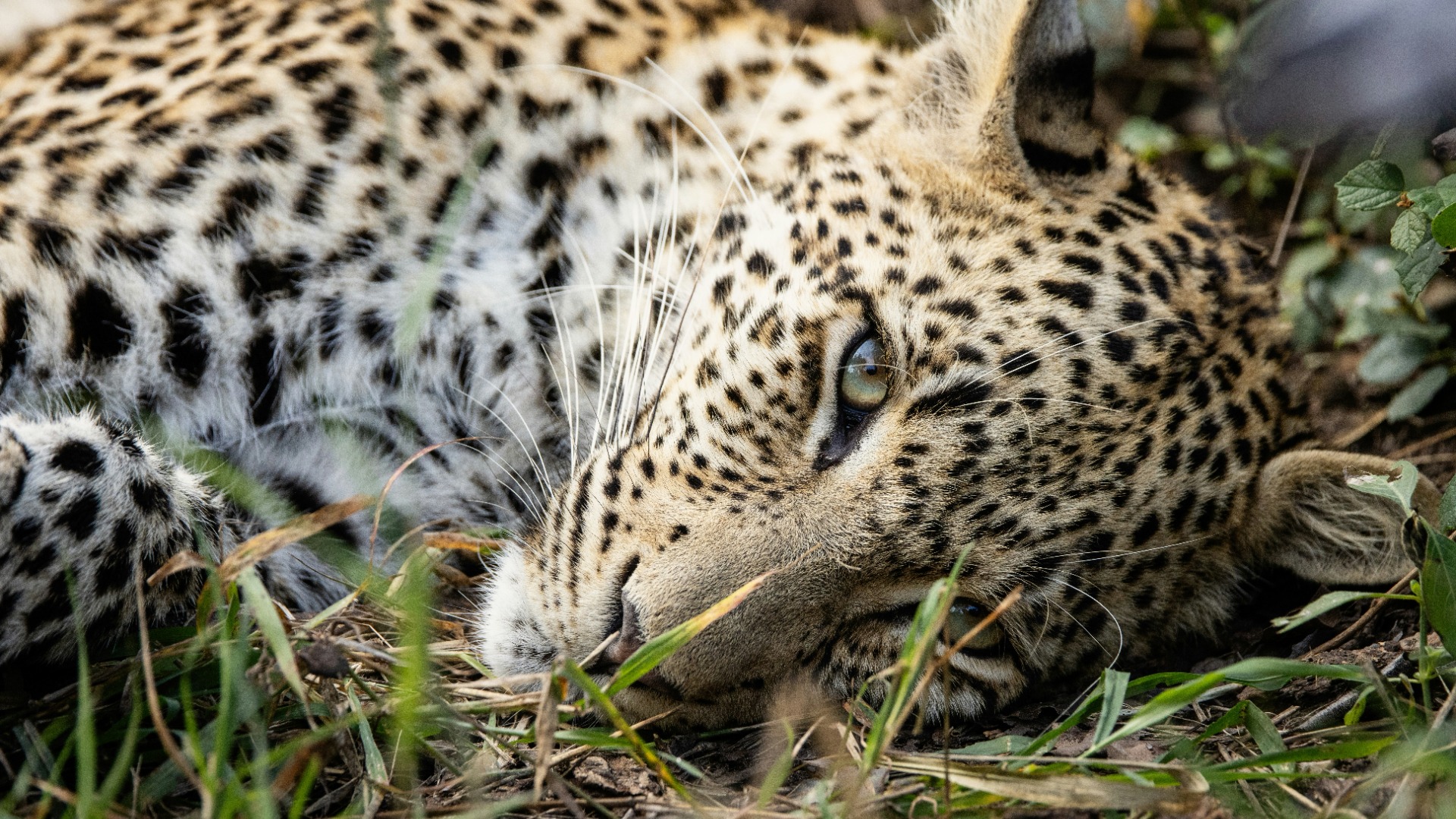
What Lingers After a Leopard Crosses Your Path in Sabi Sand
Wildlife
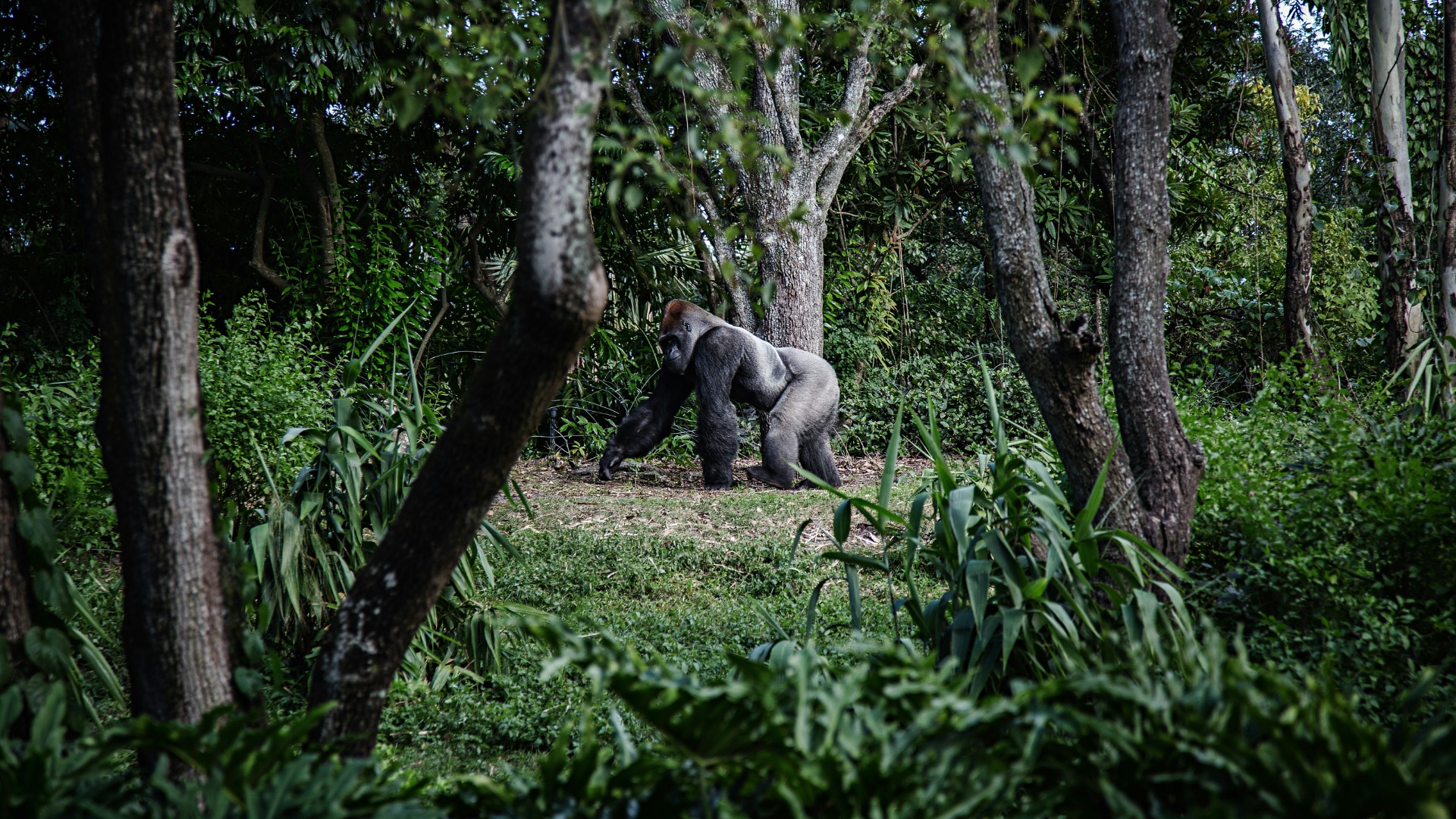
What One Week Tracking Gorillas and Golden Monkeys Showed About Rwanda
Wildlife