Wildlife
What Elephant Matriarchs Teach Us About Memory and Leadership Across African Savannas
Encounters Africa - 9 min read
Updated on 29 July 2026
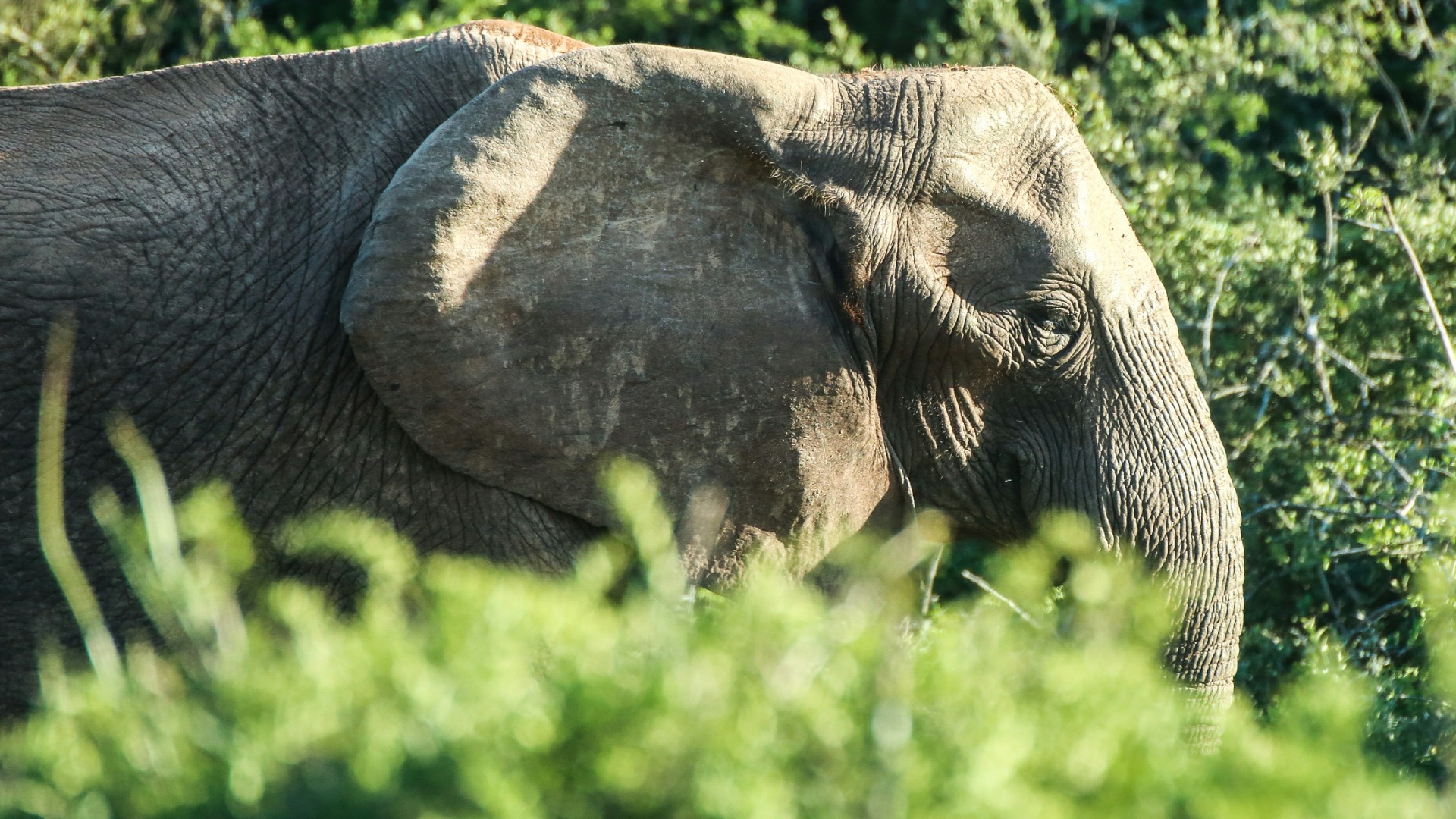
Elephant families across Africa place extraordinary trust in the oldest female's decades-long recall of distant water sources during droughts. This matriarchal knowledge shapes herd movements from Namibia's deserts to Kenya's plains, offering rare insight into adaptive intelligence that has sustained these remarkable animals through centuries of environmental change.
The primary keyword for this exploration is animal behaviour in Africa, and nowhere is it more compelling than in the intricate social structures of elephant herds. Matriarchs serve as living repositories of ecological wisdom, guiding their families with a blend of memory, leadership, and intuition that continues to fascinate researchers and travellers alike. Their decisions influence not only survival rates but also the delicate balance of entire ecosystems.
The Role of the Matriarch in Elephant Societies
At the heart of every elephant family group stands a matriarch, typically the oldest and most experienced female. These leaders, often in their fifties or sixties, possess cognitive abilities that rival those of great apes and even some humans. Their brains, weighing around five kilograms, contain an impressive number of neurons dedicated to memory and social processing.
Studies conducted over decades in South Africa and beyond reveal that matriarchs recognise the voices of up to 100 other elephants and can distinguish between familiar and unfamiliar calls from several kilometres away. This auditory memory forms the foundation of their leadership, allowing them to maintain cohesion within the herd even when scattered across vast landscapes.
The matriarch does not simply lead; she remembers. In times of scarcity, her recollection of a hidden spring last visited twenty years earlier can mean the difference between life and death for her extended family.
Younger elephants learn by observing these decisions, creating a generational transfer of knowledge that strengthens the entire group's resilience. This transmission of behavioural patterns represents one of the most sophisticated examples of cultural learning observed in the animal kingdom.

Memory That Spans Decades: How Elephants Recall Distant Resources
Elephant matriarchs demonstrate spatial memory that allows them to navigate to waterholes and feeding grounds that may be separated by hundreds of kilometres and visited only once every few years. In the harsh conditions of Namibia's arid regions, this ability becomes particularly crucial during multi-year droughts.
Research from Etosha National Park shows that older females lead their herds to reliable water sources with remarkable accuracy, even after decades have passed since their last visit. Their mental maps incorporate not only locations but also seasonal patterns, rainfall correlations, and the quality of forage at different sites.
This long-term recall extends to recognising individual humans and other animals they have encountered before. In one documented case in Kenya, a matriarch remembered and avoided a specific vehicle associated with a negative experience from fourteen years earlier, demonstrating emotional memory alongside spatial awareness.
Scientific Insights into Elephant Cognition
Neuroscientists have identified three distinct areas in the elephant brain that support their exceptional memory capabilities. The hippocampus, enlarged compared to other mammals, plays a key role in forming and retrieving long-term memories of locations and experiences.
Field observations combined with playback experiments confirm that matriarchs make better decisions than younger females when faced with unfamiliar threats or opportunities. Herds led by experienced leaders show higher reproductive success and lower mortality rates during environmental stress periods.
What appears as instinct to the casual observer is actually accumulated wisdom, refined through decades of trial, error, and careful observation of the African landscape.
Leadership Lessons from African Elephant Matriarchs
The leadership style of elephant matriarchs offers intriguing parallels to human organisational behaviour. Rather than ruling through dominance, these females guide through consensus and demonstrated expertise. They listen to the rumbling calls of younger members before making final decisions about movement and direction.
This democratic approach ensures that the collective knowledge of the group informs critical choices. When facing predators or navigating unfamiliar territory, the matriarch weighs input from family members while ultimately drawing on her superior experience to chart the safest course.
In Kenya, observations at Amboseli National Park have revealed how matriarchs adjust their leadership during different seasons. During abundant times, they allow younger females more freedom to explore and learn. In periods of hardship, they become more directive, using their knowledge to steer the family toward survival.
From Namibia's Deserts to Kenya's Plains: Regional Variations in Behaviour
Elephant societies adapt their social structures and behaviours to suit the specific challenges of their environments. In the desert-adapted populations of Namibia, matriarchs must remember the locations of ephemeral water sources that appear only after rare rain events. Their herds tend to be smaller and more tightly bonded than those in wetter regions.
Contrast this with the expansive herds found across the grasslands of Kenya, where abundant resources allow for larger, more fluid social groupings. Here, matriarchs manage complex networks of relationships that extend beyond immediate family to include alliances with other clans.
In Botswana's Okavango Delta, seasonal flooding creates yet another dynamic. Matriarchs must predict not only where water will be but also where it will recede, timing their movements to exploit the nutrient-rich grasses that emerge in the wake of the floods.
Case Study: The Desert Elephants of Namibia
The elephants of Namibia's Kunene region face some of the most extreme conditions on the continent. Matriarchs here have been documented leading their families over 70 kilometres without stopping to reach known water sources. Their ability to detect moisture from great distances, possibly through infrasound, complements their remarkable spatial memory.
These desert elephants have developed unique behavioural adaptations, including digging wells in dry riverbeds and using their trunks with surgical precision to extract moisture from plants that other animals cannot utilise.
Conservation Implications and What We Can Learn
The loss of older matriarchs through poaching or human-wildlife conflict represents a devastating blow to elephant societies. When a knowledgeable leader is removed, the entire family group experiences increased stress and reduced survival rates. Younger elephants lose access to critical information that cannot be easily replaced.
Conservation efforts increasingly focus on protecting these elder females and maintaining the social fabric of elephant herds. Programmes that reduce human-elephant conflict help preserve the transmission of traditional knowledge from one generation to the next.
Researchers now advocate for age-structured management approaches that recognise the irreplaceable value of older individuals. Protecting matriarchs is not merely about saving individual animals but about safeguarding entire cultural systems that have evolved over millennia.
By studying elephant leadership, we gain more than scientific knowledge. We discover principles of memory, mentorship, and collective decision-making that resonate across species boundaries.
Common Questions About Elephant Matriarchs and Animal Behaviour in Africa
How old do elephant matriarchs typically live to be? In protected areas, female elephants regularly reach their sixties and occasionally their seventies. Their reproductive lifespan extends well into their fifties, allowing them to pass on knowledge to multiple generations.
Do male elephants have similar memory capabilities? While bulls possess excellent memory, they typically leave their natal families around age twelve to fourteen. Their social structures differ significantly, with mature males often forming loose bachelor groups rather than stable family units led by a single leader.
How does climate change affect matriarchal knowledge? As rainfall patterns shift and traditional water sources become less reliable, the value of historical knowledge may diminish. However, older females appear better equipped to adapt by combining remembered information with real-time assessment of new conditions.
What can humans learn from elephant leadership? The combination of experience-based decision-making, inclusive consultation, and emotional intelligence offers valuable insights for human organisations facing complex challenges.
Observing Elephant Behaviour Responsibly on Safari
Responsible wildlife viewing requires understanding and respecting the sophisticated social dynamics at play within elephant herds. Maintaining appropriate distances allows these intelligent animals to behave naturally without feeling threatened by human presence.
Experienced guides from Duba Plains Camp emphasise the importance of approaching elephant encounters with patience and quiet observation. The most rewarding sightings often come from allowing the animals to dictate the terms of the interaction.
Early morning and late afternoon drives increase the chances of witnessing natural behaviours, from dust bathing rituals to the tender moments of care between mothers and calves. These periods also offer softer light that enhances the experience for those capturing memories through photography or simply in their minds.
For travellers seeking deeper insight into these magnificent creatures, specialised elephant behaviour safaris provide opportunities to spend extended time with specific herds under the guidance of researchers and highly experienced naturalists.

Conclusion: The Enduring Wisdom of Elephant Matriarchs
The leadership and memory demonstrated by elephant matriarchs across African savannas represent one of nature's most profound examples of accumulated wisdom. From the parched landscapes of Namibia to the lush wetlands of Botswana and the iconic plains of Kenya, these remarkable females continue to guide their families through challenges that would overwhelm less experienced leaders.
Their stories remind us that true intelligence in the natural world often manifests not in individual brilliance but in the patient accumulation and transmission of knowledge across generations. As we face our own environmental challenges, the adaptive strategies of elephant societies offer both inspiration and practical lessons in resilience and collective problem-solving.
Encounters Africa has witnessed these remarkable dynamics across countless journeys through the continent's premier wildlife regions. For discerning travellers seeking a private safari beyond our set itineraries, we invite you to contact us directly. We specialise in designing exceptional, tailor-made journeys for individuals, couples, families, and private groups of up to eight guests. Drawing on our handpicked network of distinguished camps and lodges, we curate every detail with precision and care, creating a seamless, deeply personal safari experience shaped entirely around your preferences, pace, and budget.
Discover more about Botswana's remarkable elephant populations in our guide to reading Botswana's wildlife signs, or explore the seasonal rhythms that influence animal movements in our article on how South African wildlife aligns its day around water and light. To begin planning your own transformative encounter with these magnificent animals, please visit our enquiry form.
More like this
wildlife
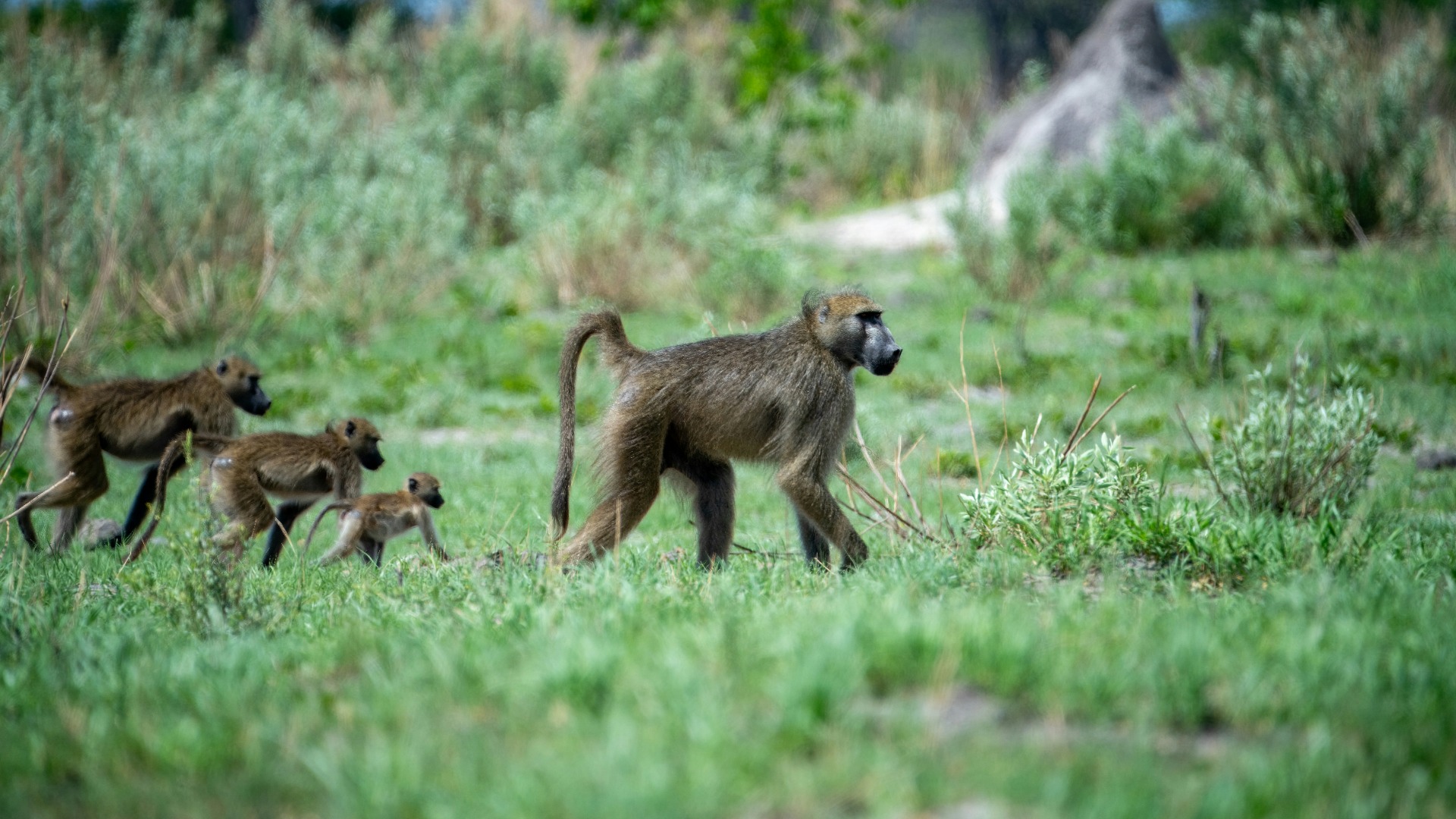
What Every Visitor Should Know About Chacma Baboons in South Africa's Western Cape
Wildlife
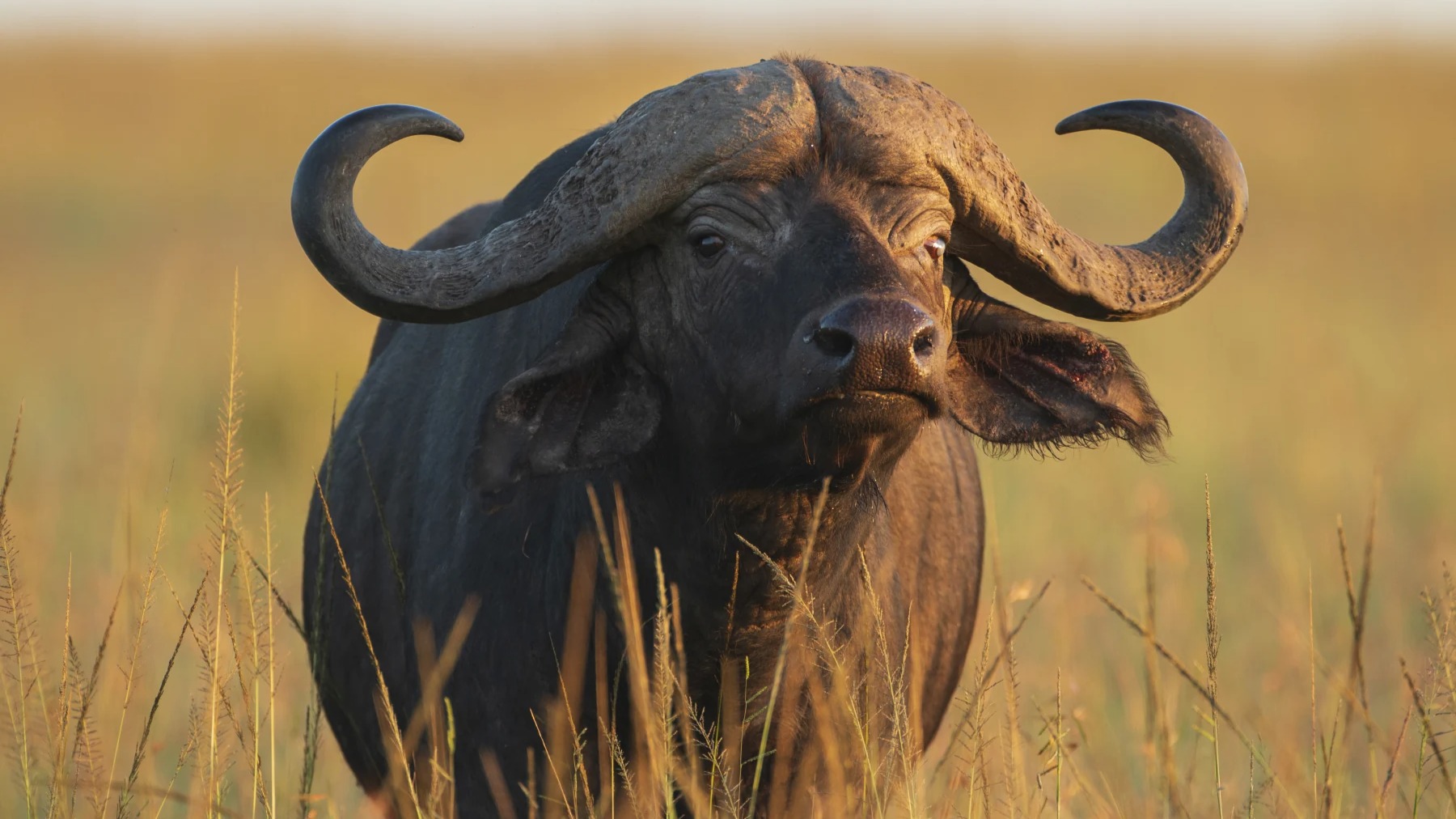
What Happens When You Track Zambian Wildlife on Foot Through Luangwa Valley
Wildlife
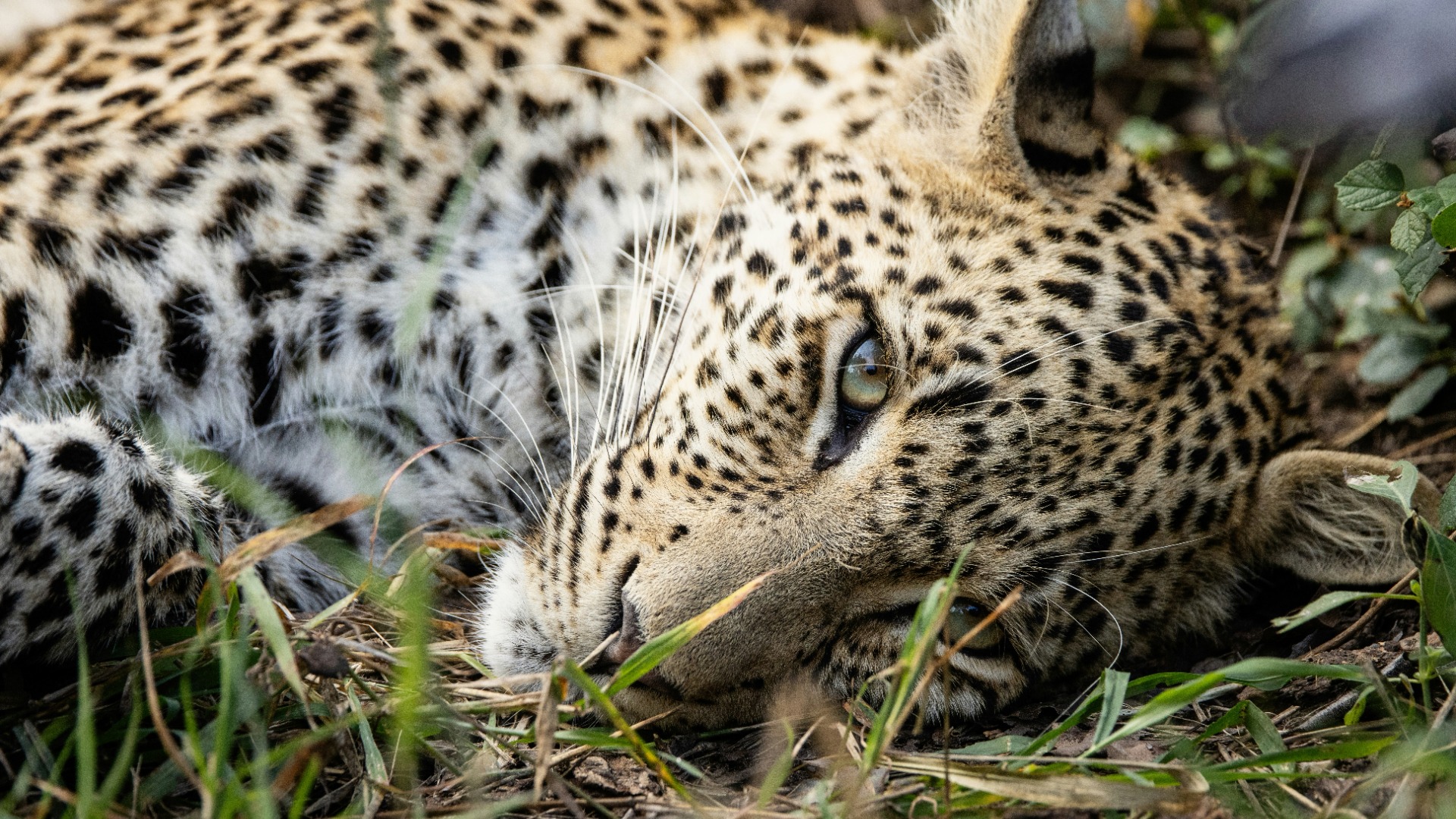
What Lingers After a Leopard Crosses Your Path in Sabi Sand
Wildlife
What One Week Tracking Gorillas and Golden Monkeys Showed About Rwanda
Wildlife
What Rangers Reveal About Daily Life Among Lions and Elephants in the Bush
wildlife