Wildlife
What Happens When You Track Zambian Wildlife on Foot Through Luangwa Valley
Encounters Africa - 11 min read
Updated on 18 June 2026
When you track Zambian wildlife on foot through Luangwa Valley, the experience shifts from observation to participation. You move quietly among puku herds and scan the undergrowth for the flicker of a leopard’s tail, guided by scouts whose knowledge of the land spans generations. This intimate approach to encountering Zambian wildlife reveals behaviours and details that remain hidden from vehicle-bound travellers, fostering a profound respect for the rhythms of one of Africa’s most diverse ecosystems.
Zambia’s South Luangwa National Park hosts over 60 mammal species and more than 400 bird varieties, with walking safaris offering a signature way to engage with this abundance. The best time to visit is during the dry season from June to October, when animals concentrate around the Luangwa River and its tributaries, and vegetation thins to improve visibility. Encounters Africa has guided countless travellers through these landscapes, curating journeys that balance adventure with conservation awareness.
Walking in single file behind an armed scout, the crack of a twig underfoot suddenly carries new weight. In that moment, the distance between human and wild collapses, replaced by a shared vigilance that no vehicle window can replicate.
The Origins and Appeal of Walking Safaris in Zambia
Zambia pioneered the modern walking safari concept in the 1950s when conservationist Norman Carr began leading guests on foot in what is now South Luangwa National Park. This tradition continues today, with licensed operators required to maintain strict safety protocols while minimising environmental impact. The model has influenced similar programmes across southern and East Africa, establishing Zambia as a leader in immersive wildlife experiences.
Unlike game drives that cover larger distances, foot safaris limit groups to six travellers maximum, accompanied by a professional guide and an armed scout. This small scale allows for deeper interpretation of tracks, dung, and subtle signs that reveal the daily lives of Zambian wildlife. The pace encourages patience, teaching visitors to read the landscape as the animals do.
Many of our travellers return transformed by the sensory immersion. The scent of wild sage crushed underfoot, the distant whoop of hyena at dawn, and the sudden hush that falls when a predator is near create memories that linger long after the journey ends. For those seeking a private safari beyond our set itineraries, we would be delighted to hear from you directly. We specialise in creating beautifully tailored journeys for solo travellers, couples, families, and private groups of up to eight guests. Through our trusted network of carefully selected camps and lodges, we craft each safari around your individual interests, preferred pace, and budget, ensuring a seamless and deeply personal experience from beginning to end.
Why Luangwa Valley Stands Out for Foot Tracking
The Luangwa Valley forms part of the Great Rift Valley system, creating a dramatic escarpment that channels wildlife into a 7000-square-kilometre floodplain. This geographical funnel effect concentrates animals during the dry months, making it ideal for walking encounters. The valley’s varied habitats, from mopane woodland to riverine forests, support an exceptional density of species within a compact area.
Local communities play an integral role in conservation here. Revenue from walking safari permits supports anti-poaching efforts and community development projects, creating a virtuous cycle that benefits both people and wildlife. This community involvement has contributed to stable populations of key species, with recent surveys indicating over 4000 elephants in the greater Luangwa ecosystem as of 2023.
Signature Zambian Wildlife Encounters on Foot
Tracking Zambian wildlife on foot brings you within respectful distance of animals that barely register a vehicle’s presence. Puku, the valley’s most common antelope, often allow closer approach on foot because they associate the human silhouette with the scout’s familiar presence rather than a vehicle’s unfamiliar shape. Their distinctive whistling alarm calls become a constant soundtrack, warning of approaching predators.
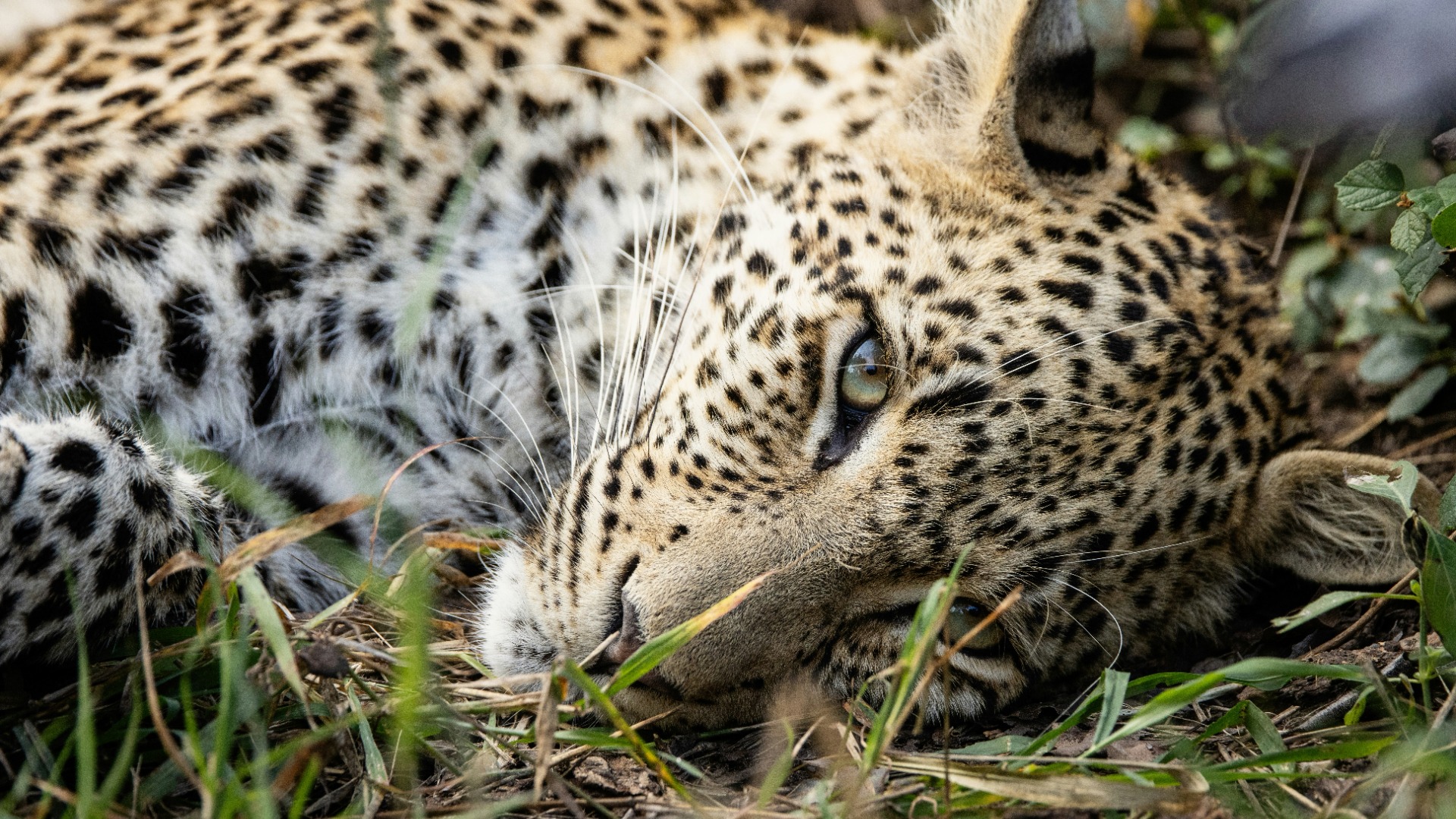
Leopards, typically nocturnal and elusive, reveal themselves more readily during morning walks when they return to favoured resting trees after a night’s hunt. Guides read fresh pugmarks and drag marks in the sand to predict likely sighting locations, turning each walk into a detective story. The thrill of spotting a leopard draped along a branch, its tail flicking lazily, creates an electric connection impossible to replicate from a Land Cruiser.

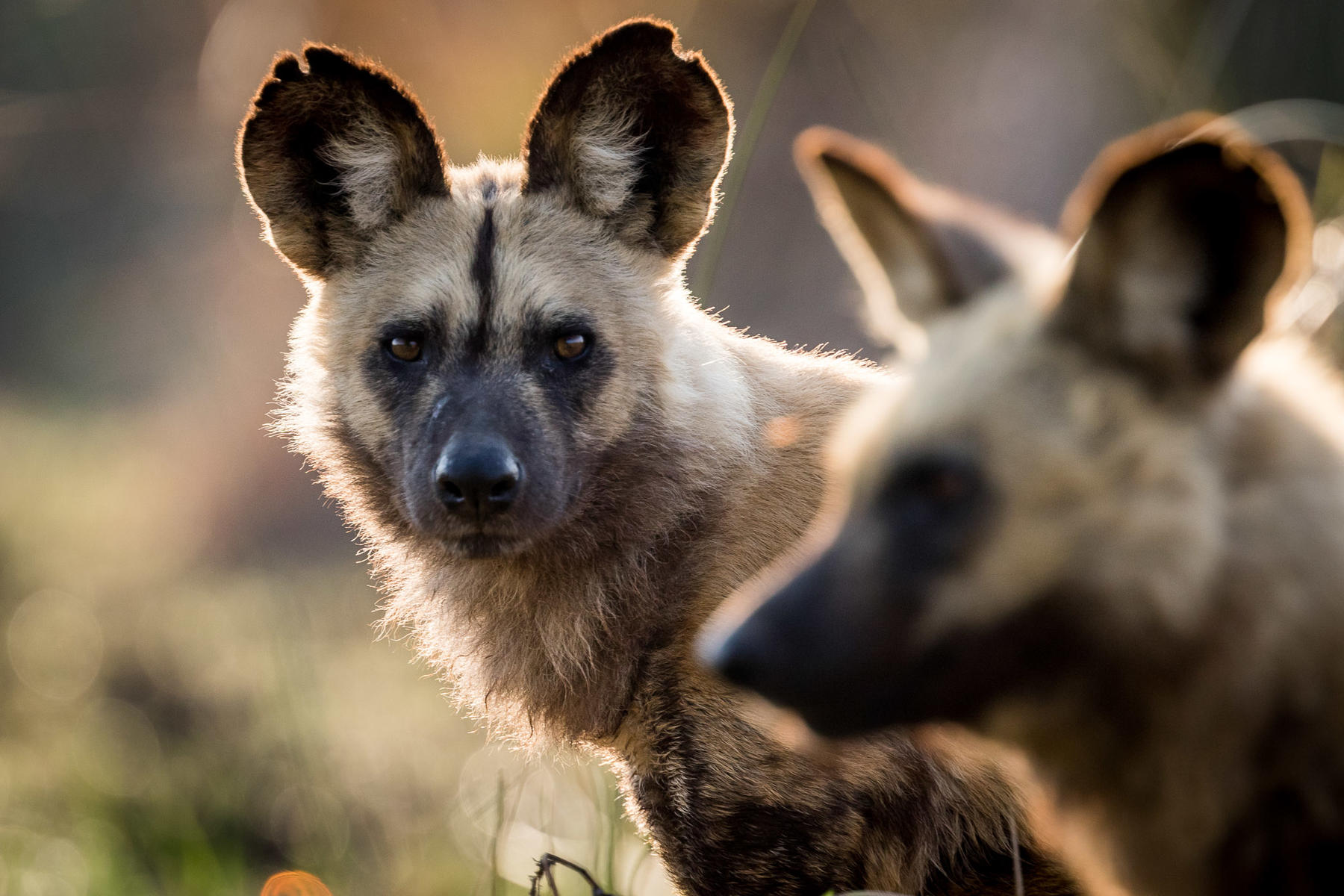
The wild dog’s painted coat blurs against the dappled light as the pack flows silently through the grass. On foot, you feel their coordinated energy in your bones, understanding why these highly social predators maintain such tight family bonds in a challenging environment.
Following the African Wild Dog
Africa’s most endangered carnivore finds a stronghold in Luangwa, with several habituated packs that have been studied continuously since the 1990s. Walking alongside researchers during denning season offers privileged insights into their complex social structure. The dogs’ high-pitched twittering calls carry across the plains, often drawing travellers towards their hunting grounds.
These encounters require patience and fitness. Wild dog chases can cover several kilometres at speeds up to 60 kilometres per hour, though walking groups maintain a respectful distance that doesn’t interfere with natural behaviour. The conservation impact is significant, with data collected by guides contributing to long-term monitoring programmes.
Thornicroft’s Giraffe and Other Valley Specialities
The Luangwa Valley hosts a unique subspecies of giraffe, distinguished by its darker, star-shaped markings. Tracking these gentle giants on foot allows appreciation of their browsing patterns and social interactions at eye level. Their height advantage means they often serve as sentinels, their behaviour alerting sharper-eyed guides to the presence of lions or other predators.
Cookson’s wildebeest, another Luangwa endemic, undertake dramatic river crossings during the wet season that rival the more famous Mara migrations in scale, if not in fame. Walking safaris timed for November to December witness these events from ground level, offering perspectives that drone footage cannot match. Hippo pods, numbering up to 50 individuals in prime stretches of the Luangwa River, create dynamic interactions with crocodiles that stretch over four metres in length.
Safety Protocols and Expert Guidance
Walking in big game country demands rigorous safety standards. All professional guides in Zambia undergo intensive training through the Field Guide Association of Zambia, completing both practical and theoretical examinations before certification. The armed scouts who accompany every walk are typically drawn from local communities and possess intimate knowledge of animal behaviour patterns.
Briefings before each walk cover emergency protocols, including the “stop, look, listen” sequence and appropriate responses to different species. Groups maintain single file formation with the scout leading and the guide bringing up the rear, creating a protective formation that has resulted in an exceptional safety record over decades of operation.
Physical fitness requirements vary between operators, but most recommend a reasonable level of mobility. Walks typically last between three and four hours, covering five to eight kilometres depending on terrain and wildlife sightings. Older travellers or those with mobility considerations can opt for shorter excursions or combine walking with vehicle support.
What to Expect During a Typical Walking Safari Day
Days begin before dawn with coffee around the campfire as the eastern sky lightens. The morning walk, lasting roughly three hours, focuses on fresh tracks and active animal behaviour. Returning to camp for a substantial breakfast, travellers often spend the heat of the day observing wildlife from comfortable viewing decks or participating in interpretive talks about Zambian wildlife conservation.
Afternoon activities might include a shorter interpretive walk focusing on birds or smaller mammals, followed by sundowners at a scenic location. The rhythm of these days encourages connection with both the environment and fellow travellers, creating the kind of camaraderie that defines memorable African journeys.
Each footprint in the sand tells a story written overnight. Learning to read these narratives transforms an ordinary walk into an unfolding drama where every bent blade of grass becomes significant.
Conservation Impact of Foot-Based Wildlife Tourism
Walking safari revenue directly funds essential conservation work in Luangwa. The South Luangwa Conservation Society, supported partly by tourism income, maintains anti-poaching units that cover thousands of square kilometres. Their efforts have contributed to a 17 percent increase in lion numbers between 2015 and 2022 according to long-term monitoring data.
Community conservancies bordering the national park benefit from lodge employment and training programmes. Many scouts and guides began as village scouts before advancing through formal qualification pathways. This career progression creates powerful incentives for wildlife protection at the grassroots level.
The low-impact nature of walking operations helps preserve sensitive habitats. With fewer vehicles required, there is reduced pressure on road networks and lower carbon emissions per visitor. Several operators have introduced carbon offset programmes that support reforestation projects within the valley.
Supporting Local Economies Through Responsible Travel
Responsible operators ensure that a significant portion of revenue reaches local communities. The Robin Pope Safaris model, for instance, channels funds into schools, clinics, and agricultural projects that benefit over 20 villages surrounding the park. Travellers can visit these projects during specially arranged cultural walks that complement wildlife tracking activities.
By choosing operators committed to ethical practices, visitors become active participants in conservation rather than passive observers. This model has proven remarkably effective, with poaching incidents in well-monitored walking safari areas running at less than 10 percent of levels recorded in less visited sectors of the park.
Preparing for Your Zambian Wildlife Walking Adventure
Successful walking safaris begin with proper preparation. Lightweight, quick-drying clothing in neutral colours helps travellers blend into the environment while staying comfortable in temperatures that can reach 35°C during the day. Sturdy walking boots with good ankle support are essential, as are wide-brimmed hats and high-factor sunscreen.
Binoculars with 8x or 10x magnification prove invaluable for detailed observation without disturbing animals. A small daypack should contain water, insect repellent, a lightweight rain jacket for the shoulder season, and a notebook for recording observations. Professional cameras require consideration of weight, as most operators limit luggage on walking transfers.
Malaria prophylaxis remains important throughout the year, though risk decreases during the drier months. Comprehensive travel insurance covering medical evacuation is mandatory, given the remote location. Many operators offer pre-departure information packs that detail exact requirements for their specific camps.
Choosing the Right Operator and Season
The dry season from June to October offers the most reliable walking conditions, with September and October typically providing the highest wildlife concentrations around permanent water sources. However, the emerald season between November and April presents its own rewards, with dramatic thunderstorms and newborn animals throughout the valley.
Established operators like those partnered with Flatdogs Camp maintain exceptional safety records while offering varied accommodation styles from traditional tented camps to more luxurious options. For a different perspective, consider combining Luangwa with time at Kafue National Park, where walking safaris explore miombo woodland habitats supporting different species assemblages. Those interested in experiencing the full spectrum of Zambian wildlife might explore our Zambia safari collection for expertly designed multi-park itineraries.
Connecting with Zambia’s Wildlife Guardians
The human element remains central to any successful walking safari. The knowledge passed between generations of scouts creates a living library of ecological understanding that no textbook can replicate. Many guides can identify individual animals by their markings and predict their movements based on seasonal patterns and recent rainfall.
These relationships extend beyond the safari experience. Several operators facilitate meetings with conservation researchers working on long-term projects within the valley. Learning about collaring programmes, genetic studies, and community education initiatives adds valuable context to the wildlife encounters travellers experience on foot.
The emotional impact of these journeys often surprises even seasoned safari-goers. Standing quietly as a herd of elephants passes within metres, hearing their stomach rumbles and smelling the dust they kick up, creates connections that reshape how we view our place in the natural world.
Embracing the Rhythms of Zambian Wildlife
Tracking Zambian wildlife on foot through Luangwa Valley offers far more than a different way to view animals. It provides a framework for understanding the intricate connections that sustain healthy ecosystems, from the smallest insect to the largest predator. The knowledge gained during these experiences stays with travellers, influencing how they engage with conservation issues long after returning home.
Whether watching a lioness teaching her cubs to hunt or simply sitting in silence as the valley fills with evening sounds, these encounters remind us of our responsibility towards the natural world. The walking safari model perfected in Zambia offers a template for sustainable wildlife tourism that benefits both animals and human communities.
For discerning travellers seeking a private safari beyond our set itineraries, we invite you to contact us directly. We specialise in designing exceptional, tailor-made journeys for individuals, couples, families, and private groups of up to eight guests. Drawing on our handpicked network of distinguished camps and lodges, we curate every detail with precision and care, creating a seamless, deeply personal safari experience shaped entirely around your preferences, pace, and budget.
Begin your journey into the heart of Zambian wildlife by reaching out to Encounters Africa today. Our team of specialist safari consultants looks forward to crafting an experience that will deepen your connection with Africa’s magnificent wildlife heritage.
More like this
Wildlife
What Lingers After a Leopard Crosses Your Path in Sabi Sand
Wildlife
What One Week Tracking Gorillas and Golden Monkeys Showed About Rwanda
Wildlife
What Rangers Reveal About Daily Life Among Lions and Elephants in the Bush
wildlife
What Really Drives the Masai Mara Great Migration and Why River Crossings Defy Fixed Dates
Wildlife
What Recent Data Shows About Wildlife Recovery Programs Across Rwanda
wildlife