Wildlife
What Lingers After a Leopard Crosses Your Path in Sabi Sand
Encounters Africa - 10 min read
Updated on 24 June 2026
The phrase sabi sand game reserve wildlife evokes images of predators so accustomed to vehicles that a leopard might pause mid-stride to regard you with golden eyes before continuing its hunt. A lone male leopard dragging an impala into a marula tree at dusk changes how you see every subsequent game drive. This narrative explores how Sabi Sand's habituated predators create layered, memorable wildlife moments in South Africa that stay with travelers long after departure.
Spanning roughly 65,000 hectares along the western border of Kruger National Park, the Sabi Sand Game Reserve operates as a collection of privately managed concessions. Here, the absence of internal fences allows free movement of animals while strict vehicle limits per sighting preserve an intimate scale. Encounters Africa has guided countless visitors through these reserves, witnessing how repeated exposure to the same prides and coalitions builds a nuanced understanding of individual animal personalities and family dynamics.
That single heartbeat when a leopard’s tail flicks against your open vehicle door recalibrates every notion of distance between observer and observed.
The Landscape That Shapes Sabi Sand Game Reserve Wildlife
The reserve’s varied terrain plays a crucial role in its exceptional game viewing. Riverine forests along the Sabie and Sand rivers provide dense cover for leopards, while open savannahs dotted with acacia and marula trees create perfect stages for lion hunts. Seasonal waterholes draw herds during the dry months from May to September, concentrating prey and making predator movements more predictable.
Unlike the vast open plains of East Africa, Sabi Sand’s mosaic of habitats rewards patient observation. A tracker might notice fresh pugmarks in the red dust, leading your guide to position the vehicle downwind of a likely thicket. Such methodical approaches, refined over decades by local Shangaan trackers, turn each drive into a masterclass in reading the bush.
During the wet season from October to April, the landscape transforms with new grass and flowering aloes. While visibility decreases slightly, the explosion of life brings different rewards: newborn impala testing their legs, hyena clans defending fresh kills, and the constant soundtrack of birdsong that accompanies every sighting.
Understanding the Ecological Balance
The reserve maintains one of the highest densities of leopards in Africa, estimated at roughly one per 2.5 square kilometres. This success stems from effective anti-poaching measures established since the 1970s and the protection of prey species. The result is a healthy predator-prey relationship that allows natural behaviours to unfold without human interference.
Encounters Africa frequently partners with lodges that support ongoing research projects, giving guests the opportunity to contribute observations that help scientists monitor population health and genetic diversity.

Iconic Species and Their Daily Dramas
The Big Five dominate conversations about sabi sand game reserve wildlife, yet each encounter carries its own texture. Buffalo herds numbering several hundred move like slow dark rivers across the plains, their heavy horns catching the morning light. Elephants, some carrying tusks over 50 kilograms, demonstrate remarkable memory as they revisit ancient pathways.
Lions here have grown particularly bold. The famous Matimba coalition, active in the northern sections during the early 2020s, taught many observers about the complex social bonds between brothers. Their successors continue to patrol territories that span several thousand hectares, their deep roars carrying for up to eight kilometres on still nights.
In Sabi Sand, the question is rarely whether you will see a leopard, but how many distinct individuals you might recognise by the end of your stay.
The Leopards That Define the Experience
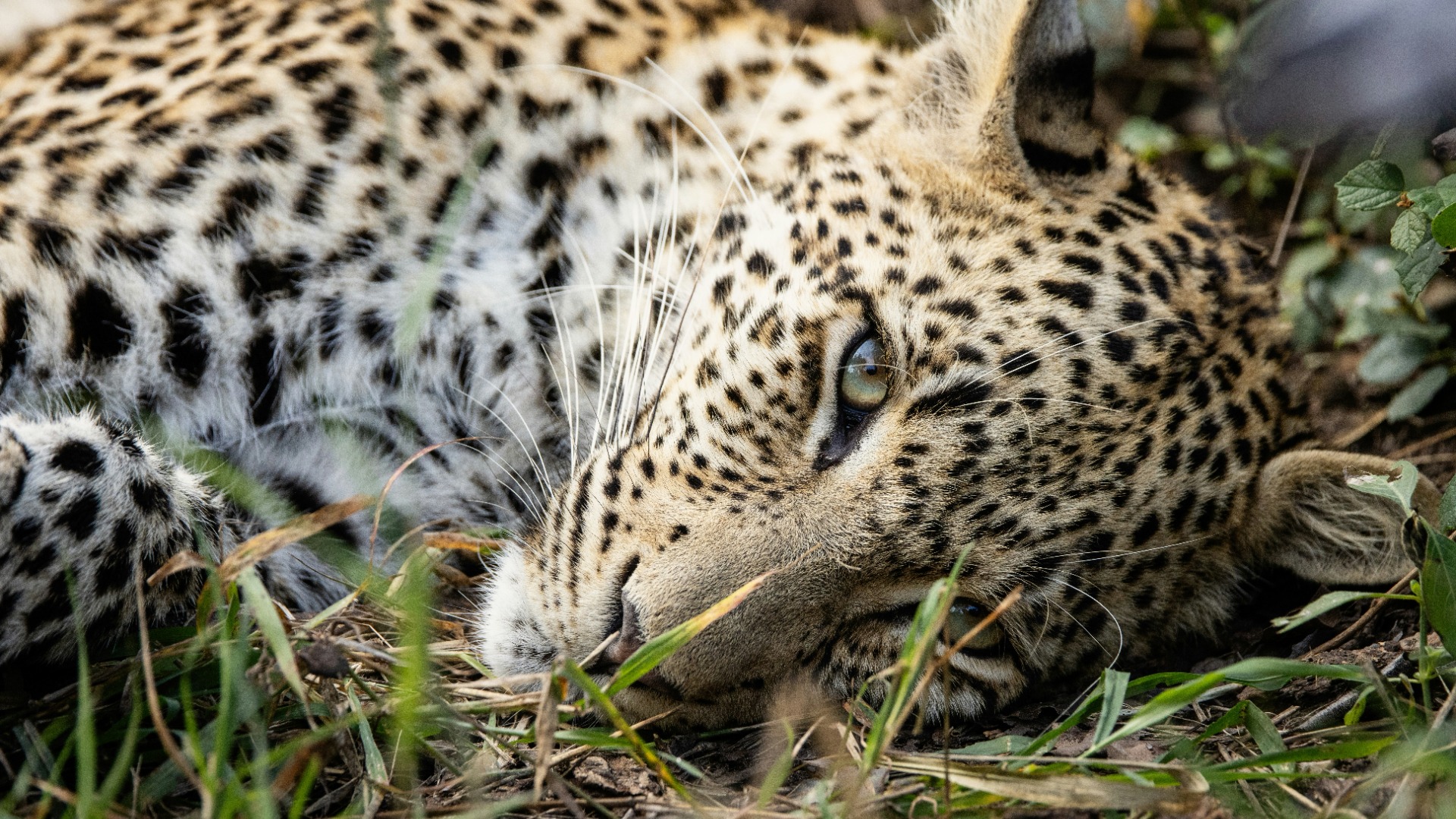
Leopards have become the signature species of the reserve. Individuals like the female known as Xikavi, who raised multiple litters in the central sectors, demonstrate extraordinary adaptability. Guests often witness her teaching cubs to cache kills high in sausage trees, safe from hyenas and other scavengers.
Because vehicles are limited to two per sighting and engines are switched off during observations, these cats frequently ignore human presence. This habituation, developed over generations, creates opportunities for genuine behavioural study rather than fleeting glimpses.
The Elusive Wild Dogs and Cheetahs
While lions and leopards command attention, the reserve’s African wild dog packs offer some of its most thrilling theatre. These endangered predators, with their distinctive mottled coats and tireless hunting style, require vast territories. The Sabi Sand’s connected landscape allows packs to follow migrating prey, and dedicated monitoring has helped their numbers recover to sustainable levels.
Cheetahs, though less common, find perfect hunting grounds in the more open eastern sections. Their high-speed pursuits across short grass create heart-stopping moments that contrast beautifully with the ambush tactics of their spotted cousins.
What Makes Wildlife Moments in South Africa Here So Memorable
The quality of wildlife moments in South Africa at Sabi Sand stems from several factors working in harmony. First, the low vehicle density, typically no more than three or four per 1000 hectares, prevents the crowding seen in some public reserves. Second, the expert guides and trackers, many with over twenty years’ experience, anticipate animal movements with remarkable accuracy.
Third, the habituation level allows for extended, quiet observation. A typical leopard sighting might last forty minutes rather than four, giving travelers time to notice subtle details: the way a mother’s ears twitch when listening for her hidden cubs, or how a male’s dewlap quivers when he scent-marks a prominent branch.
These extended encounters create space for reflection. Many guests report that after several days, they begin to recognise individual animals and follow their stories across the duration of their stay, much like following characters in an unfolding drama.
The Night Drives That Reveal Another World
After sunset, a different cast emerges. Spotlights sweep across the darkness, catching the eye-shine of bushbabies leaping between branches and the ghostly forms of aardvarks digging for termites. Smaller carnivores like servals and genets become active, while hyenas often follow prides hoping for leftovers.
These nocturnal expeditions complement daytime drives, revealing the full 24-hour cycle of the ecosystem. The experience of watching a leopard hunt by starlight, her form briefly illuminated as she stalks through tall grass, remains etched in memory long after the vehicle returns to camp.

Seasonal Patterns and Strategic Timing
The best time to witness sabi sand game reserve wildlife depends on what you hope to see. The dry winter months from June to September offer excellent visibility and concentrated game around water sources. Morning temperatures can drop to 5°C, making the first hour of each drive brisk but rewarding.
Summer brings the advantage of newborn animals and dramatic thunderstorms that transform the landscape overnight. Though vegetation is thicker, the proliferation of insects attracts vast flocks of rollers and bee-eaters, adding spectacular colour to every scene.
Whatever the season, the reserve’s wildlife viewing remains remarkably consistent. Annual rainfall averages 650mm, creating a predictable rhythm that both animals and experienced guides have learned to read with precision.
The true measure of a safari lies not in how many species you tick off, but in how completely the experience alters your understanding of wildness itself.
Conservation Success Stories and Community Impact
The Sabi Sand’s conservation model demonstrates how private reserves can complement national parks. By generating sustainable income through responsible tourism, the reserve has funded anti-poaching units that have reduced snare incidents by over 80% since 2010. Rhino monitoring programmes, supported by several lodges, have helped stabilise the local population despite national challenges.
Community development forms another pillar of the reserve’s approach. Revenue sharing with neighbouring villages has funded schools, clinics, and skills training programmes. Many of today’s top trackers and guides come from these same communities, creating a virtuous cycle of employment and conservation awareness.
Encounters Africa carefully selects partner lodges that demonstrate genuine commitment to these initiatives, ensuring that every safari contributes meaningfully to long-term protection of this precious ecosystem.
How to Maximise Your Wildlife Experience
To fully appreciate the layered nature of sightings in the Sabi Sand, consider these approaches:
Stay at least four nights to allow animals to become familiar with your presence
Request a specialist photographic vehicle if capturing images is your priority
Participate in at least two walking safaris to experience the bush at ground level
Keep a notebook to record individual animal markings and behaviours
Schedule downtime between drives to process what you’ve witnessed
These strategies help transform a series of sightings into a coherent narrative that deepens with each passing day.
Choosing the Right Lodge for Your Interests
Different properties within the reserve cater to varying preferences. Dulini Leadwood offers exceptional riverfront positioning for those seeking regular leopard sightings, while Chitwa Chitwa Game Lodge provides outstanding opportunities to observe wild dog packs in the eastern sectors. For those wanting to combine luxury with learning, Malewane Lodge maintains strong links with researchers studying predator behaviour.
Smaller, more intimate camps create an even stronger connection to the rhythms of the bush. The knowledge that your guide has likely followed the same leopard family for years adds depth to every interpretation offered during game drives.
When planning your journey, consider how different properties complement each other. Many experienced travelers book two or three lodges within the reserve to explore varied habitats and meet different animal personalities across their stay.
Common Questions About Sabi Sand Game Reserve Wildlife
What is the best time to visit for leopard sightings? The dry season from May to September typically offers the clearest viewing conditions, though leopards remain active and visible year-round due to their habituation to vehicles. The advantage of summer lies in seeing mothers with very young cubs, as births often coincide with the arrival of the first rains.
How does the wildlife viewing compare to Kruger National Park? While Kruger offers vast scale and the possibility of seeing rare species like roan antelope, Sabi Sand provides greater exclusivity and significantly higher success rates for big cat encounters. The private nature of the reserve means vehicles can follow animals off-road, creating more intimate and prolonged observations.
Is it suitable for families with young children? Many lodges welcome children over six years old, with special programmes designed to make the experience engaging and educational. The presence of dangerous animals is managed carefully, with experienced rangers ensuring safety at all times. For families seeking deeper connection, a private vehicle and guide can be arranged to accommodate children’s attention spans and energy levels.
Carrying the Experience Home
The most profound aspect of sabi sand game reserve wildlife lies in how it reshapes perception long after the last game drive ends. The knowledge that somewhere in the African night, that same leopard is teaching her cubs to hunt, or that particular lion pride is patrolling their territory, creates an ongoing connection to a wilder world.
These wildlife moments in South Africa do not remain frozen in photographs. Instead, they evolve in memory, informing how we see our own place in the natural order. The patience learned while waiting for a cheetah to make her move, the respect earned watching a buffalo stand its ground against a pride of lions, these lessons travel with us.
For discerning travellers seeking a private safari beyond our set itineraries, we invite you to contact us directly. We specialise in designing exceptional, tailor-made journeys for individuals, couples, families, and private groups of up to eight guests. Drawing on our handpicked network of distinguished camps and lodges, we curate every detail with precision and care, creating a seamless, deeply personal safari experience shaped entirely around your preferences, pace, and budget.
Whether you wish to focus on particular species, learn tracking skills, or simply absorb the rhythms of the African bush, reach out to Encounters Africa to begin planning your own transformative encounter with the wild.
More like this
Wildlife
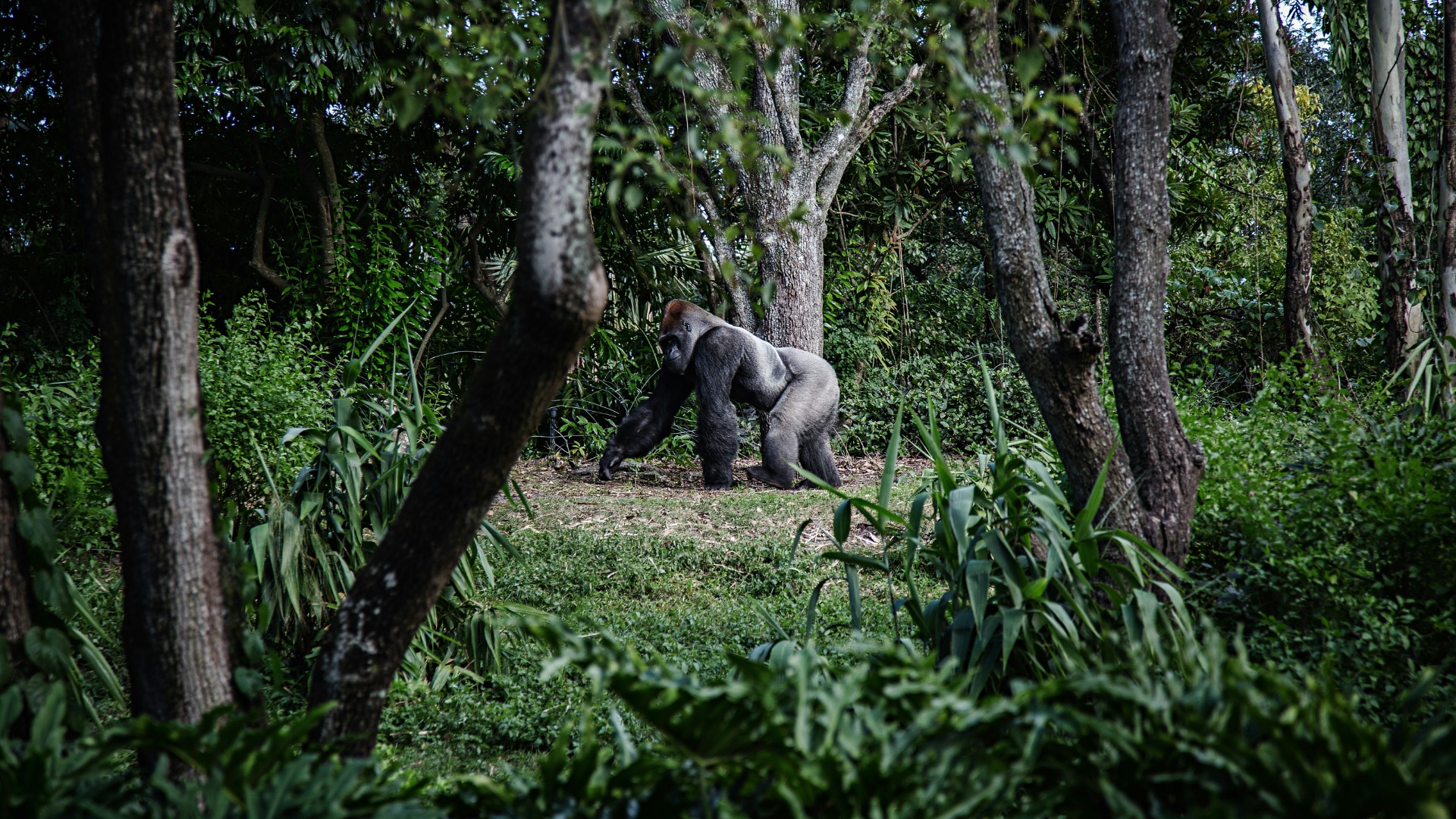
What One Week Tracking Gorillas and Golden Monkeys Showed About Rwanda
Wildlife
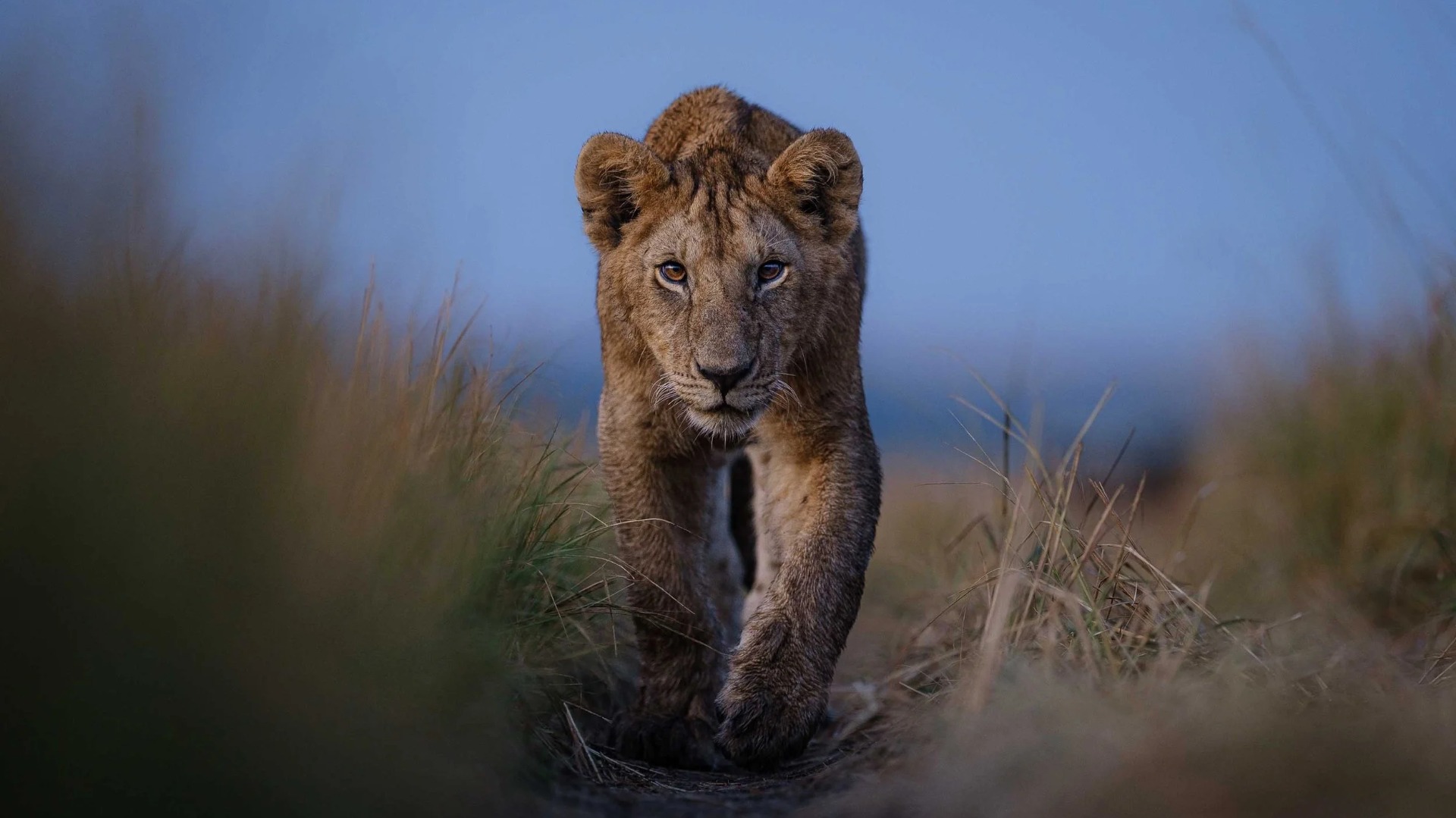
What Rangers Reveal About Daily Life Among Lions and Elephants in the Bush
wildlife
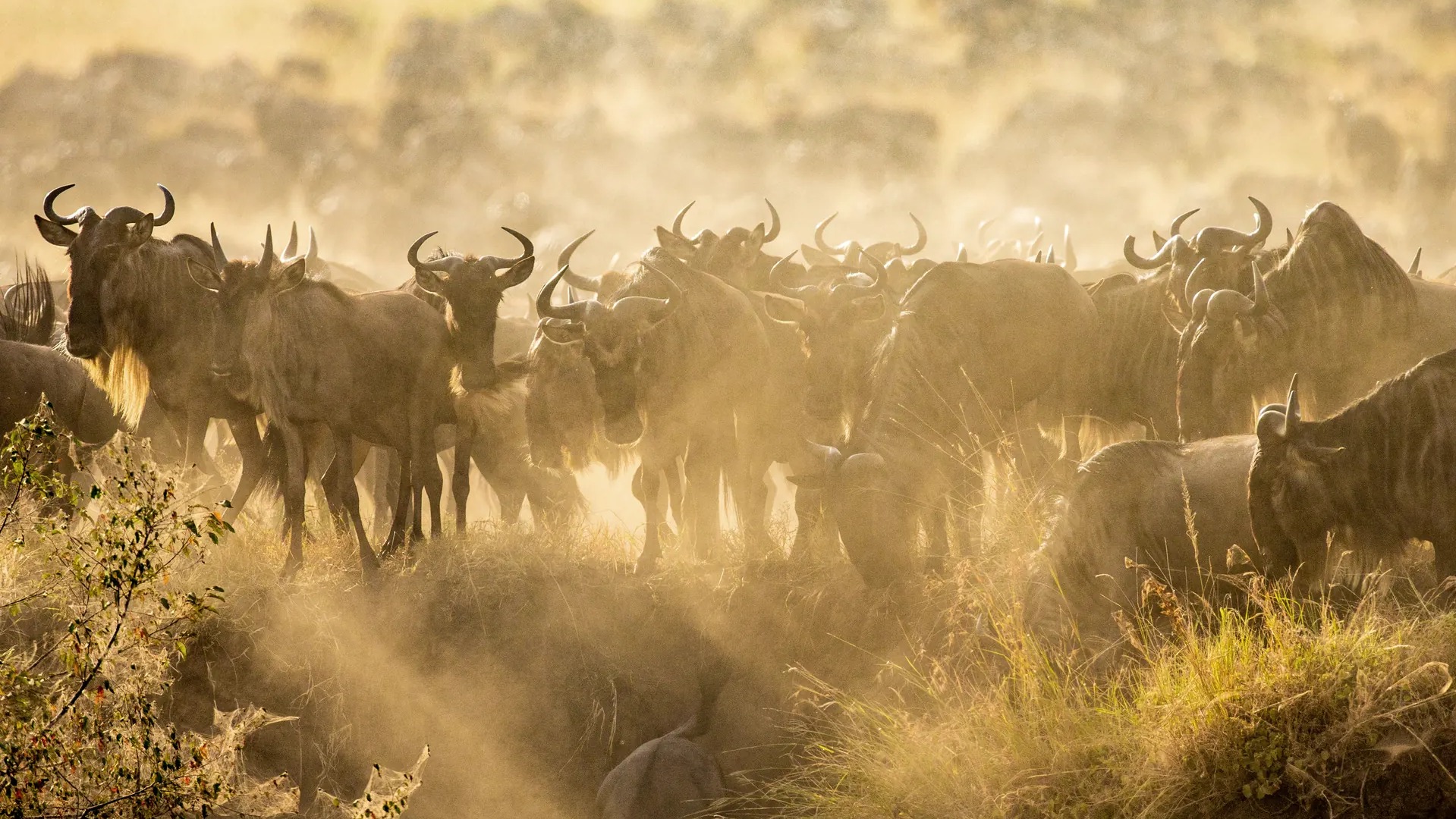
What Really Drives the Masai Mara Great Migration and Why River Crossings Defy Fixed Dates
Wildlife
What Recent Data Shows About Wildlife Recovery Programs Across Rwanda
wildlife
What Recent Kenyan Wildlife News Reveals About Changing Habitats
Wildlife