Wildlife
What One Week Tracking Gorillas and Golden Monkeys Showed About Rwanda
Encounters Africa - 10 min read
Updated on 24 June 2026
Rwandan wildlife reveals layers of complexity that a single week spent tracking gorillas and golden monkeys can illuminate in unexpected ways. In Rwanda, encounters with these charismatic primates form the centrepiece of many journeys, yet the country’s protected areas support a far broader cast of species whose behaviours shift with the seasons. This account draws on direct observations across Volcanoes National Park, Nyungwe Forest and Akagera National Park to illustrate how Rwandan wildlife operates as an interconnected system shaped by altitude, rainfall and dedicated conservation measures.
A factual summary: Rwanda is home to roughly 400 mountain gorillas, representing more than half the global population, alongside 14 primate species in Nyungwe and recovering herds of buffalo, zebra and lion in Akagera. Wildlife moments in Rwanda often hinge on timing, with the long dry season from June to September offering optimal visibility in the parks while the short rains of November bring lush vegetation that conceals yet nourishes forest dwellers.
The forest does not reveal its secrets on demand; it rewards patience, quiet footfall and a willingness to let the landscape dictate the pace of discovery.
Arrival in Volcanoes National Park and First Gorilla Tracking
Landing in Kigali and driving north through terraced hillsides, the transition into the Virunga massif feels abrupt. Within an hour the road gives way to dense bamboo and the mist-shrouded slopes of Volcanoes National Park. The first morning begins before dawn with a briefing at the park headquarters where rangers assess fitness levels and assign tracking groups of no more than eight travellers per habituated gorilla family.
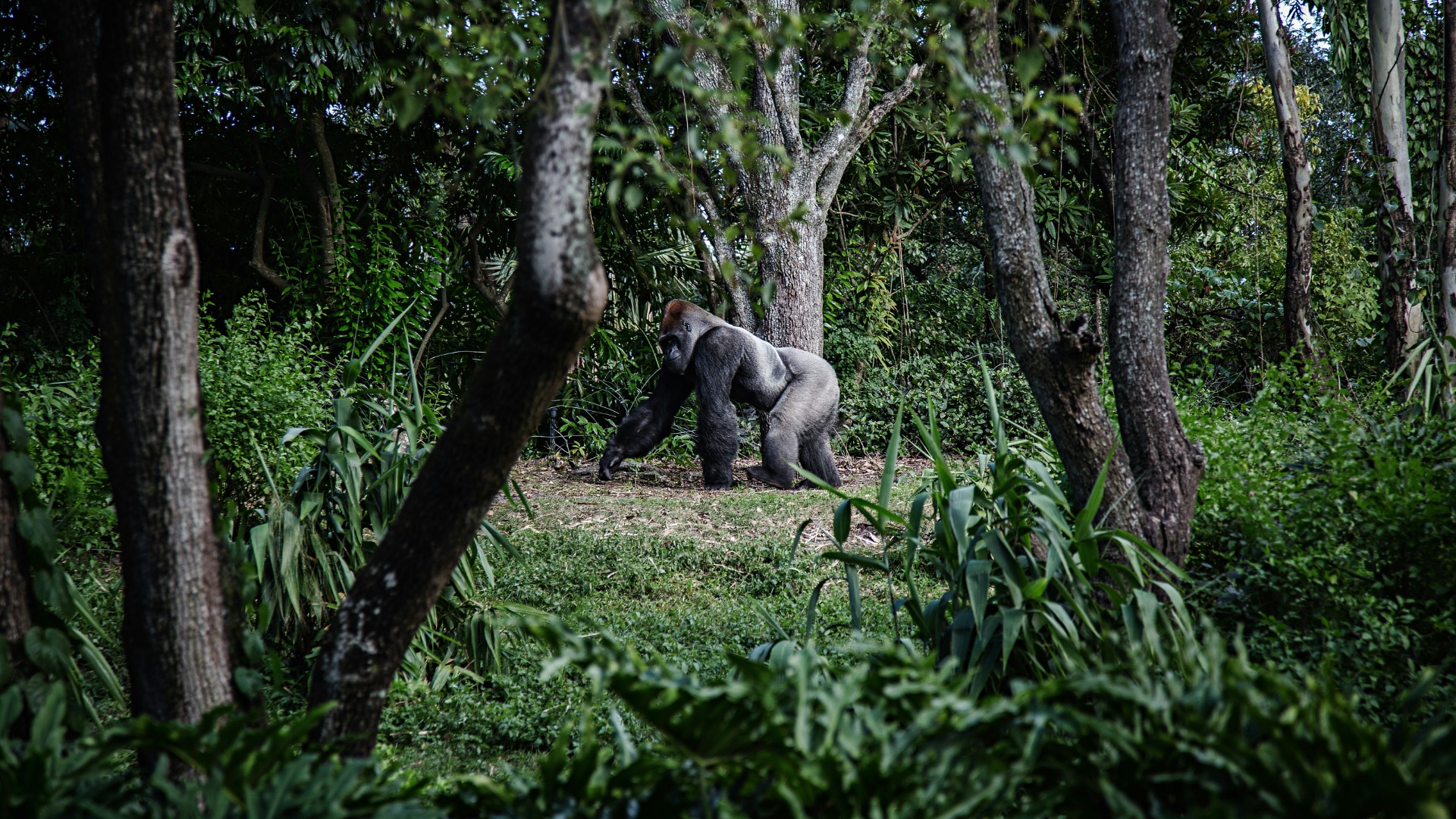
Our assigned troop, known as the Agashya group, numbered 16 individuals including two silverbacks. The hike took two and a half hours through thick undergrowth made slippery by overnight rain. When the vegetation suddenly thinned, the dominant silverback sat only metres away, chewing on wild celery with the calm authority of a patriarch who has seen many visitors come and go. The permitted hour passed in near silence broken only by the click of camera shutters and the occasional chest beat from a younger male.
These wildlife moments in Rwanda carry measurable impact. Revenue from gorilla permits, set at $1,500 per person in 2024, funds both habitat protection and community projects that have helped increase the mountain gorilla population from 250 individuals in 1981 to over 400 today. Each encounter is strictly controlled to minimise stress on the animals while maximising the funds available for anti-poaching patrols that cover more than 160 square kilometres of montane forest.
Golden Monkey Habituation and the High-Altitude Bamboo Zone
Two days later we headed higher, above the bamboo line where golden monkeys maintain troops of up to 60 individuals. Unlike the deliberate pace of gorilla tracking, following these agile primates involves faster movement through stands of bamboo that creak and sway as the monkeys leap between stems. Their bright facial markings flash against the green, and their constant chatter fills the thin air at 3,000 metres elevation.
Tracking golden monkeys offers a different rhythm to gorilla visits. The animals move almost continuously during daylight hours, feeding on bamboo shoots, leaves and occasionally small insects. Over the course of three hours we witnessed social grooming, play behaviour among juveniles and sentinel calls that warned of an approaching crowned hawk-eagle. These observations underscored how each primate species occupies a distinct ecological niche within the same mountain ecosystem.
Where gorillas convey presence and power, golden monkeys communicate through constant motion and intricate vocal codes that only long-term study can begin to decode.
The habituation programme for golden monkeys, which began in 2003, now supports sustainable tourism while providing valuable data for researchers monitoring the effects of climate change on high-altitude vegetation. Rwanda’s commitment to protecting these endemic monkeys has helped stabilise their numbers at approximately 2,000 individuals across the Virunga chain.
Exploring Nyungwe’s Ancient Canopy and Lesser-Known Primates
Leaving the Virungas, we travelled south to Nyungwe National Park, a 1,076 square kilometre tract of montane rainforest that ranks among Africa’s oldest. Here the focus shifted from great apes to a remarkable diversity of smaller primates and forest specialists. Chimpanzee tracking in Nyungwe differs markedly from the more famous experiences in Uganda; the terrain is steeper and the canopy denser, requiring sharper hearing to follow distant vocalisations.
Beyond chimpanzees, Nyungwe supports 13 additional primate species including L’Hoest’s monkeys, blue monkeys and the rare owl-faced monkey. Early morning canopy walks along the 160-metre-long suspension bridge provided elevated views of black-and-white colobus troops moving through the upper branches, their long white tails streaming behind them like banners. Birdlife proved equally impressive, with over 300 recorded species including the handsome francolin and the turquoise-breasted bee-eater.
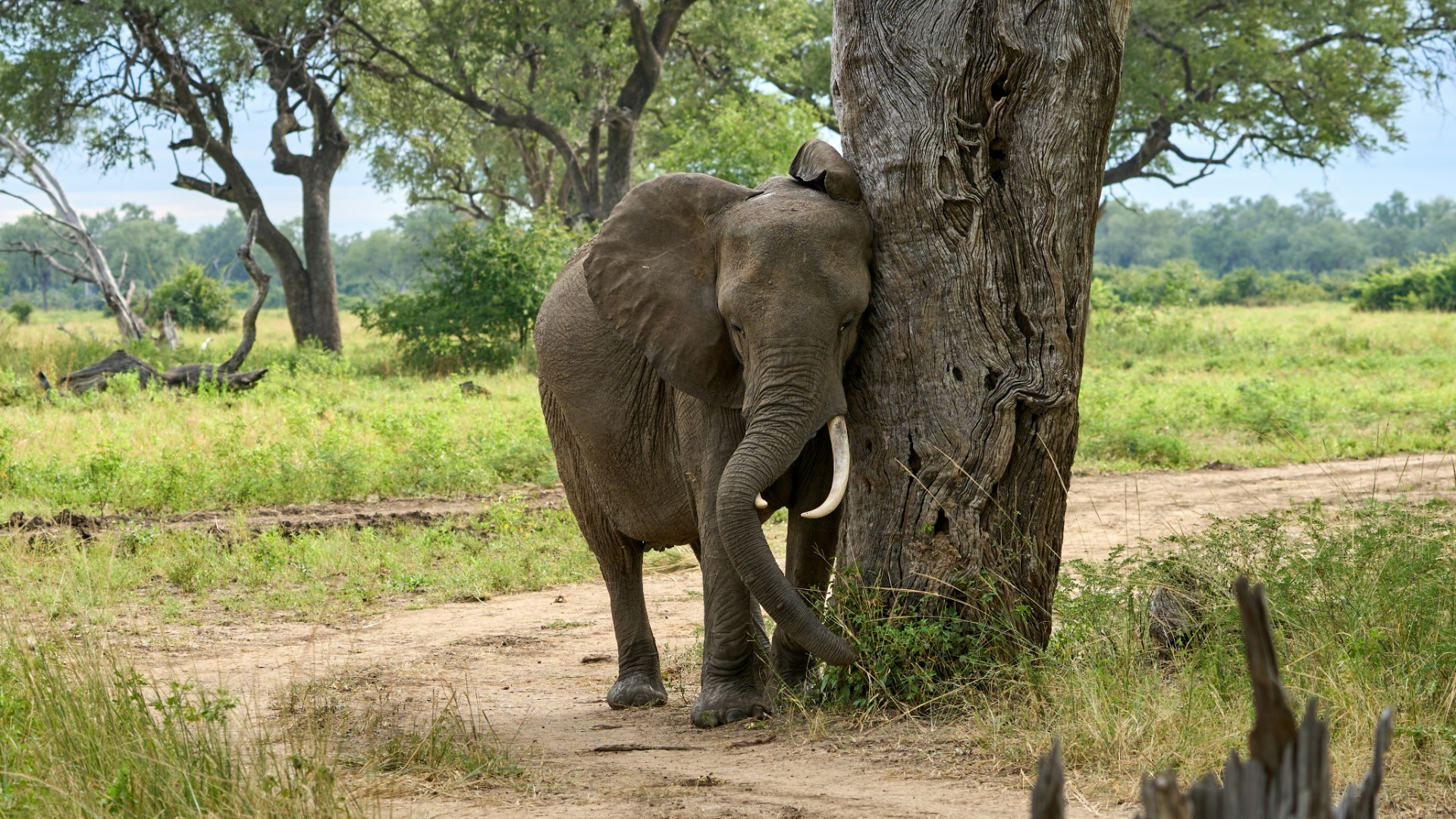
The park’s 75 species of mammal also include forest elephants and servals that remain largely unseen by visitors. Yet their presence shapes the ecosystem, creating trails through the undergrowth that other animals follow and maintaining balance through predation. Guided night walks revealed bushbabies, pottos and an impressive array of moths drawn to our headlamps, reminding us that Rwandan wildlife extends far beyond the diurnal species that dominate most safari narratives.

Understanding Rwandan Wildlife Across Different Ecosystems
Rwandan wildlife cannot be understood through a single lens. Each protected area presents distinct habitats that support specialised communities of animals. While the Virungas and Nyungwe represent highland forest systems, Akagera National Park offers classic East African savannah, wetland and lakeshore environments that were once nearly lost to agricultural expansion.
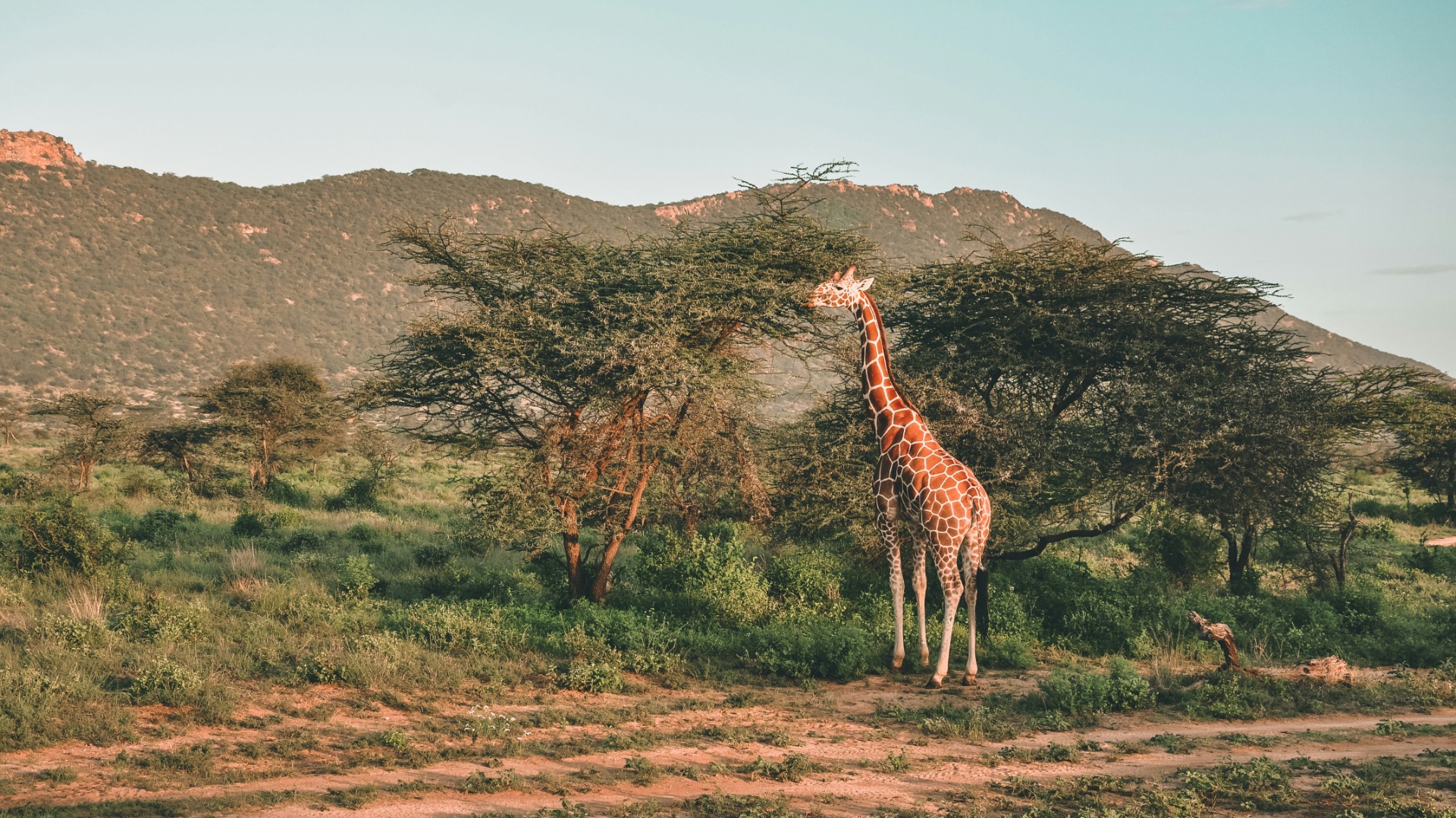
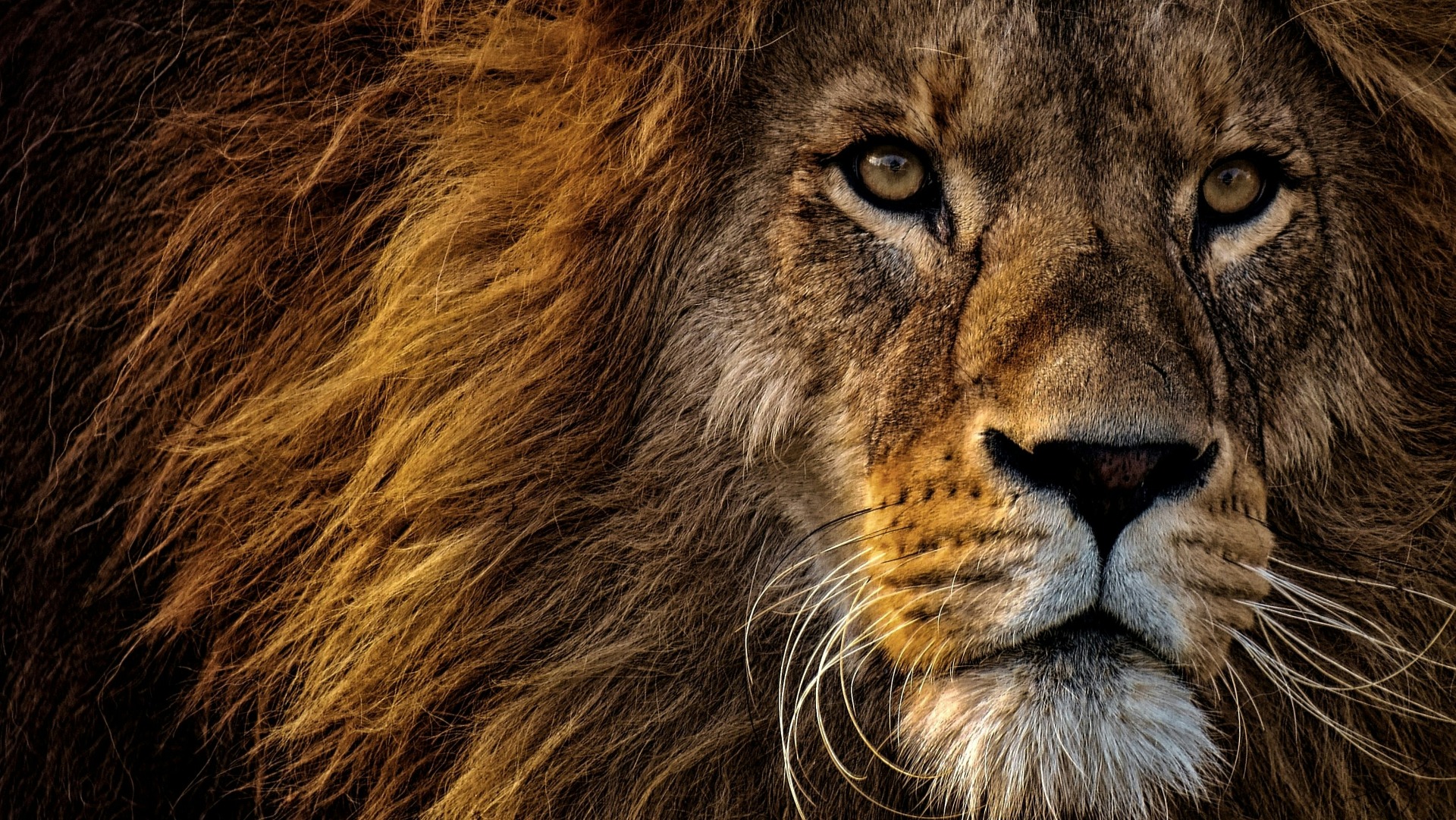
Reintroduced in the early 2000s, black rhinoceros now number around 30 individuals in Akagera, part of a carefully managed programme that has also seen lion numbers climb from zero to approximately 40. Buffalo herds exceeding 100 strong graze the open plains alongside zebra, giraffe and various antelope species. The park’s 500 square kilometres also contain one of the highest densities of hippos in East Africa, with pods of up to 50 animals occupying the lakes and connecting rivers.
Leopards, though rarely seen during daylight hours, leave unmistakable sign in the form of fresh kills cached in acacia trees. Our most memorable sighting came at dusk when a female leopard emerged from thicket to drink at a waterhole, her silhouette framed against the setting sun. Such moments illustrate how effective protection and habitat restoration can allow large predators to return to landscapes from which they had disappeared.
Conservation here is not abstract. Each recovered species represents years of planning, community negotiation and scientific monitoring that has gradually rebuilt an ecosystem once written off as lost.
The Role of Seasonal Patterns in Wildlife Sightings
The question travellers most frequently ask is: “When is the best time to visit Rwanda for wildlife?” The answer depends on what one hopes to see. The long dry season from June through September brings clearer skies and easier trekking conditions in the mountains while concentrating animals around water sources in Akagera. December to February offers another dry window with generally good visibility.
During the rainy seasons, particularly March to May, Nyungwe’s forests burst into life with fruiting trees that attract primates and birds in greater numbers. However, the steep trails become slippery and gorilla tracking permits sometimes go unfilled due to weather concerns. Understanding these patterns allows for more strategic planning, whether the priority is photographing golden monkeys against flowering vegetation or observing predator-prey interactions on Akagera’s open plains.
Conservation Successes and Community Benefits
Rwanda’s conservation model stands out for its integration of tourism revenue with direct community benefits. More than 80 percent of gorilla permit fees support national park management and local development projects. This approach has transformed attitudes toward wildlife, with former poachers now employed as guides, porters and rangers across the national parks.
The Rwanda Development Board works closely with organisations such as the Dian Fossey Gorilla Fund and the International Gorilla Conservation Programme to monitor gorilla health, genetic diversity and ranging patterns. Similar scientific oversight extends to Nyungwe’s chimpanzees and Akagera’s large mammals, creating a robust framework for evidence-based conservation across varied ecosystems.
Practical Considerations for a One-Week Rwanda Wildlife Journey
A carefully structured week can deliver rich exposure to Rwanda’s different wildlife zones without feeling rushed. Three nights in Volcanoes National Park typically allows for one gorilla trek, one golden monkey excursion and time to visit the Karisoke Research Center or local community projects. Two nights in Nyungwe provides opportunity for chimpanzee tracking and canopy walks, while two final nights in Akagera offer a classic safari experience that contrasts beautifully with the forest phases of the journey.
Physical preparation matters. Gorilla and chimpanzee tracking can involve hikes of up to seven hours at elevations exceeding 2,500 metres. Proper footwear, rain gear and a reasonable level of fitness enhance both safety and enjoyment. Most operators recommend at least two nights at altitude before attempting strenuous treks to reduce the risk of altitude-related discomfort.
Photography enthusiasts should consider bringing lenses suitable for both close primate work (70-200mm range) and wider landscape or bird photography. Local guides often possess remarkable knowledge of animal behaviour that can help position visitors for optimal observation while maintaining required distances from habituated groups.

Why Rwanda Offers a Different Perspective on African Wildlife
The week spent tracking gorillas and golden monkeys ultimately revealed that wildlife moments in Rwanda derive their power not from sheer numbers or dramatic spectacle but from intimacy and context. Standing in the presence of a mountain gorilla family, watching the silverback make deliberate eye contact before returning to his meal, creates a connection that transcends typical safari experiences.
This small, landlocked country demonstrates what focused conservation can achieve in a relatively short period. From mountain gorillas to restored savannah ecosystems, Rwanda’s protected areas showcase the resilience of African wildlife when given adequate protection and community support. The experience leaves visitors with more than photographs; it fosters a deeper appreciation for the complex relationships between people, landscapes and the remarkable animals that share them.
Planning Your Own Rwandan Wildlife Experience
Every journey through Rwanda’s national parks unfolds differently, shaped by the season, the specific animals encountered and the insights shared by local guides whose families have lived alongside this wildlife for generations. Whether observing the tender interactions within a gorilla group or witnessing the acrobatic displays of golden monkeys high in the bamboo, these encounters offer profound insights into the health of an ecosystem that continues to recover and evolve.
For discerning travellers seeking a private safari beyond our set itineraries, we invite you to contact us directly. We specialise in designing exceptional, tailor-made journeys for individuals, couples, families, and private groups of up to eight guests. Drawing on our handpicked network of distinguished camps and lodges, we curate every detail with precision and care, creating a seamless, deeply personal safari experience shaped entirely around your preferences, pace, and budget.
Encounters Africa maintains close relationships with the finest properties in Volcanoes National Park, including Gorilla Safari Lodge and Clouds Mountain Gorilla Lodge, as well as exceptional camps in Nyungwe and Akagera. We also recommend exploring our dedicated Rwanda safari collection which features carefully balanced itineraries that combine primate tracking with broader wildlife experiences.
Whether this is your first journey to the African continent or you are returning to deepen your understanding of its wildlife, we would be delighted to craft an experience that respects both the animals and the communities who protect them. Please visit our enquiry form to begin a conversation about your perfect Rwandan wildlife encounter.
More like this
Wildlife
What Rangers Reveal About Daily Life Among Lions and Elephants in the Bush
wildlife
What Really Drives the Masai Mara Great Migration and Why River Crossings Defy Fixed Dates
Wildlife
What Recent Data Shows About Wildlife Recovery Programs Across Rwanda
wildlife
What Recent Kenyan Wildlife News Reveals About Changing Habitats
Wildlife
What Sets Botswana's Big Five Apart from Their Cousins Elsewhere
wildlife