Wildlife
What Rangers Reveal About Daily Life Among Lions and Elephants in the Bush
Encounters Africa - 8 min read
Updated on 16 June 2026
The phrase wildlife in South Africa conjures images of vast plains dotted with herds and stealthy predators moving through golden grass. Yet the true story unfolds in the daily observations of rangers who live alongside these animals. Their accounts reveal the intricate rhythms of life in the bush, from the stealthy hunts of lion prides to the patient wanderings of elephant herds across South Africa.
Rangers share firsthand accounts of tracking cheetah coalitions at sunrise and monitoring rhino movements after dark, offering rare perspective on the rhythms shaping South African wildlife today. These dedicated professionals provide a window into both the challenges and triumphs of south african wildlife in protected areas where conservation meets raw nature.
The bush does not follow a clock; it follows hunger, rain, and the quiet understanding between species that have shared this land for millennia.
The Role of Rangers in Understanding South African Wildlife
Field rangers and guides spend between 200 and 300 days each year in the bush, accumulating knowledge that no textbook can replicate. Their work involves early morning tracking, evening observations, and constant monitoring of animal behaviour that shapes how lodges operate. This immersion allows them to interpret subtle signs, from fresh spoor to distant calls, that tell the ongoing story of wildlife in South Africa.
At lodges such as Malewane Lodge in the Thornybush Private Nature Reserve, rangers collaborate with biologists to gather data on everything from leopard territorial boundaries to hyena clan dynamics. Their reports contribute to long-term studies that inform management decisions across private reserves and national parks alike.
These professionals also serve as vital links between guests and the natural world. During game drives and bush walks, they translate complex ecological relationships into accessible narratives, helping travellers appreciate the delicate balance that sustains South African Wildlife.
Every track we follow carries the weight of generations; each sighting reminds us that we are merely visitors in a world that belongs to them.
Daily Encounters with Lions and Elephants
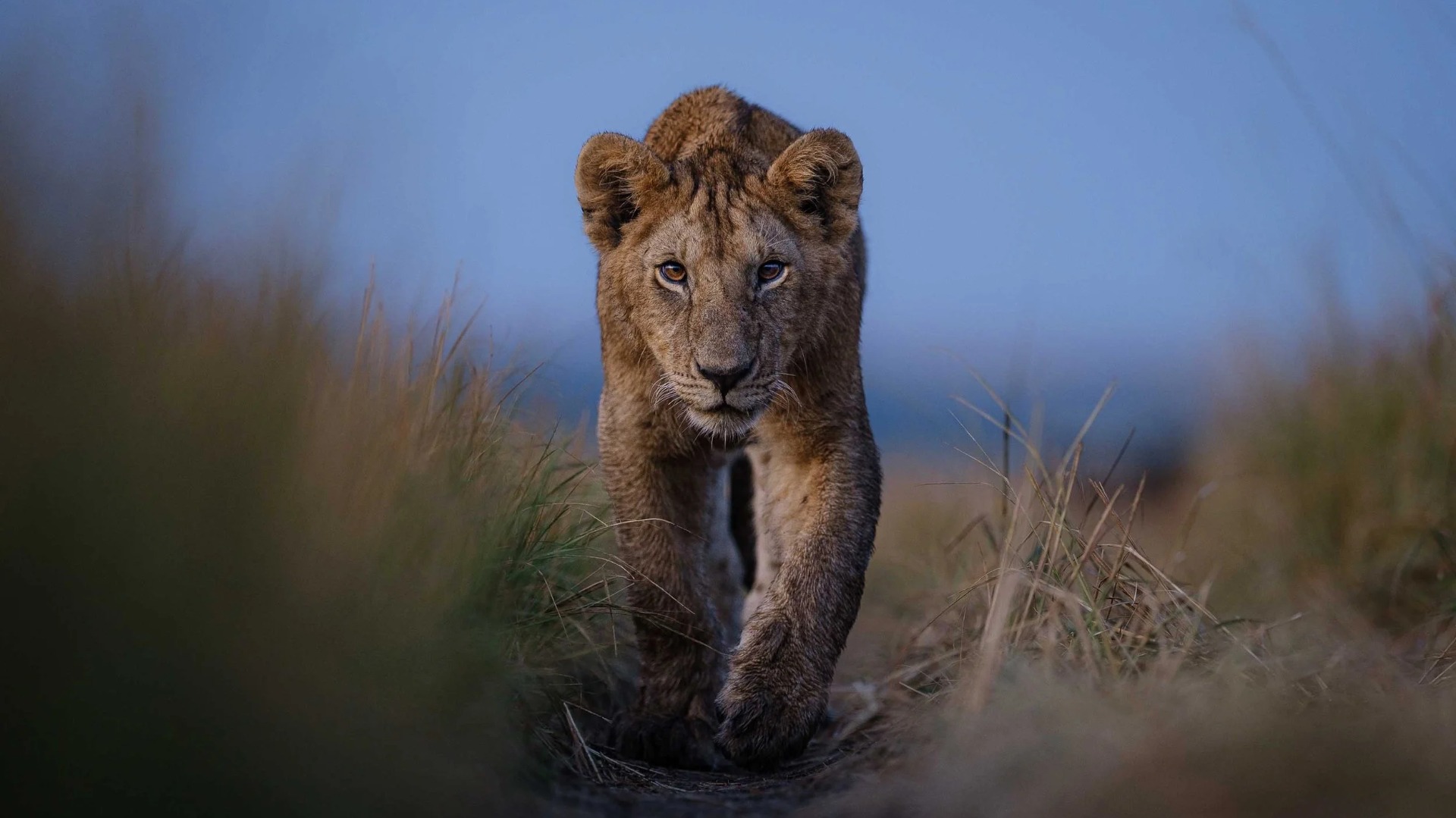
Lions in South African reserves follow predictable yet endlessly fascinating patterns. Rangers report that prides typically rest for 18 to 20 hours daily, conserving energy for hunts that often occur at twilight. In the South Africa bush, a coalition of three or four males might patrol territories spanning up to 300 square kilometres, their deep roars carrying for five kilometres on still nights.
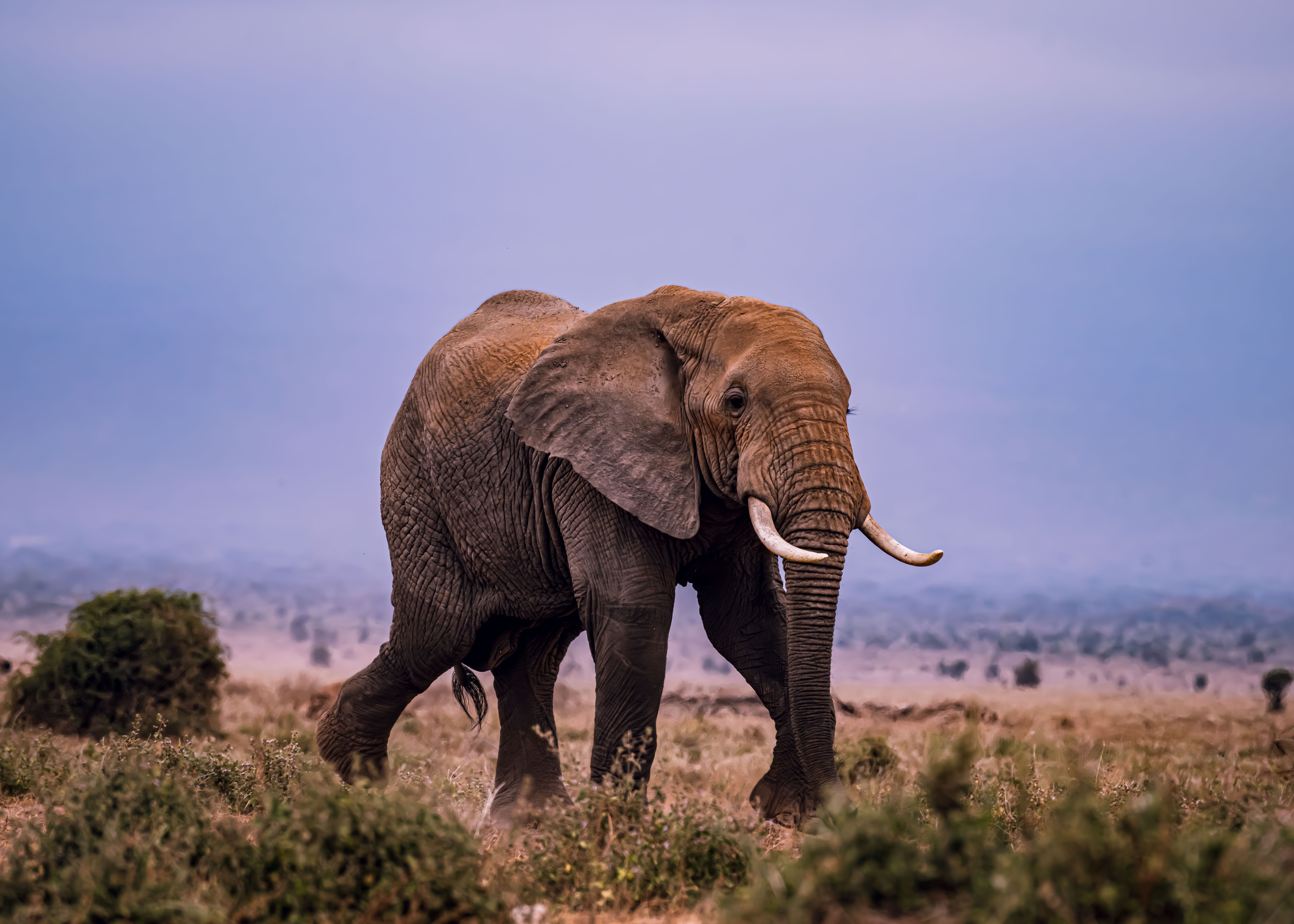
Elephants present an entirely different rhythm. Matriarchs lead family groups of between eight and 30 individuals, covering up to 50 kilometres in a single day during dry periods. Rangers at Cheetah Plains Private Game Reserve in the Timbavati frequently observe these gentle giants using their remarkable memories to locate water sources that have sustained their ancestors for decades.
The interaction between these two species creates some of the most compelling moments in the bush. Rangers have documented lion prides successfully targeting young elephants only during severe droughts when calves become weakened. Such observations underscore the complex predator-prey relationships that define wildlife in South Africa.
Seasonal Patterns That Shape Behaviour
The arrival of summer rains between November and March transforms the landscape and animal behaviour dramatically. New grass draws massive herds of wildebeest and zebra, which in turn attract predators. Rangers note that lion hunting success rates can improve by up to 25 percent during this period due to the abundance of prey and thicker cover for stalking.
Winter months bring clearer visibility but greater competition around remaining water sources. Elephants become more predictable as they visit waterholes at specific times, allowing rangers to anticipate their movements with remarkable accuracy. These seasonal shifts form the backbone of how experienced guides plan each day's activities.
Wildlife Conservation Efforts Making a Measurable Difference
Wildlife conservation efforts in South Africa have achieved notable successes through innovative approaches combining technology, community involvement, and scientific research. Between 2010 and 2023, black rhino numbers in well-managed private reserves increased by approximately 38 percent, according to data from the Department of Forestry, Fisheries and the Environment.
Anti-poaching units now employ thermal imaging, drone surveillance, and canine teams that have reduced rhino poaching incidents by over 70 percent in several key reserves since 2018. Rangers work in rotating shifts, often spending ten consecutive days in the field before rotating out, ensuring constant protection for vulnerable species.
Community-based conservation programmes have proven equally important. When local villages benefit directly from tourism revenue, support for protected areas increases significantly. Several reserves now channel up to 65 percent of lodge income into education, healthcare, and skills development programmes that strengthen the connection between people and south african wildlife.

Conservation succeeds when it creates shared prosperity between wildlife, land, and the communities who call this region home.
What Rangers Wish Every Traveller Knew
Rangers frequently express frustration at how social media has distorted perceptions of wildlife in South Africa. The reality involves far more patience than dramatic encounters. A typical game drive might yield two hours of seemingly quiet driving before a breathtaking leopard sighting materialises from the undergrowth.
They emphasise the importance of silence and respect during sightings. Speaking loudly or standing up in vehicles can stress animals and reduce the quality of observations for everyone. The most rewarding experiences often come when guests remain still and allow the bush to reveal itself gradually.
Another common request involves supporting conservation directly. Many rangers recommend choosing lodges that demonstrate transparent commitment to wildlife conservation efforts, whether through funding specific projects or participating in citizen science initiatives during stays.
Common Questions About Ranger Life in South African Reserves
How close do rangers typically get to dangerous animals? Experienced rangers maintain what they call a "safety bubble" of approximately 20 to 30 metres with most species, though this distance varies based on the animal's behaviour, wind direction, and terrain. With habituated elephants in certain reserves, this distance may decrease to 10 metres when animals approach vehicles calmly.
What qualifications do South African rangers need? Most hold at least a FGASA (Field Guides Association of Southern Africa) Level 1 qualification, which requires 18 months of practical training. Many pursue additional specialisations in dangerous game, birding, or tracking that can take several years to complete.
Do rangers ever become emotionally attached to specific animals? Many admit to forming bonds with particular individuals, especially long-studied elephants or rhinos. However, they maintain professional distance, understanding that nature operates according to its own rules that sometimes include loss.
Technology and Traditional Knowledge Working Together
Modern conservation increasingly blends cutting-edge technology with generations of indigenous tracking knowledge. GPS collars on select lions and wild dogs provide real-time location data, while camera traps generate over 50,000 images monthly in some reserves. Rangers combine this information with their ability to read subtle environmental cues that technology cannot detect.
At Chitwa Chitwa Game Lodge in the Sabi Sand, rangers use both traditional spoor interpretation and digital monitoring systems to follow cheetah movements across vast territories. This dual approach has improved understanding of how these endangered cats navigate increasingly fragmented landscapes.
The most successful wildlife conservation efforts recognise that no single solution fits all situations. What works for elephant management in the north may prove unsuitable for leopard conservation in the south, requiring constant adaptation and learning.
Experiencing South African Wildlife Responsibly
Responsible wildlife viewing begins with choosing operators who prioritise ethical practices over guaranteed sightings. The finest lodges limit vehicle numbers around animals, enforce strict viewing protocols, and invest substantially in conservation initiatives that extend beyond their boundaries.
Travellers should approach each drive with curiosity rather than expectation. The magic of the African bush often reveals itself in small moments: a dung beetle rolling its prize across a sandy track, or a tiny chameleon changing colour as the sun rises. These encounters, though less dramatic than a lion kill, connect visitors to the intricate web of life that sustains all south african wildlife.
Consider participating in citizen science projects offered by certain lodges. These might involve recording specific bird calls, noting predator-prey interactions, or contributing photographs to identification databases. Such activities transform a standard safari into a genuinely meaningful contribution to understanding and protecting these remarkable ecosystems.
Planning Your Journey Into the South African Bush
The stories rangers share reveal that wildlife in South Africa exists in a state of constant, beautiful flux. Their days blend scientific observation with profound respect for the natural order, creating a body of knowledge that continues to expand our understanding of these complex ecosystems.
Whether watching a lioness teaching her cubs to hunt or witnessing an elephant family mourning one of their own, each experience deepens appreciation for the delicate balance that wildlife conservation efforts seek to maintain. The privilege of witnessing these moments carries responsibility to support the work that makes them possible.
For discerning travellers seeking a private safari beyond our set itineraries, we invite you to contact us directly. We specialise in designing exceptional, tailor-made journeys for individuals, couples, families, and private groups of up to eight guests. Drawing on our handpicked network of distinguished camps and lodges, we curate every detail with precision and care, creating a seamless, deeply personal safari experience shaped entirely around your preferences, pace, and budget.
Begin your exploration with our South Africa safari collection or discover more through our wildlife photography guide that complements the insights shared by our rangers. We look forward to crafting an experience that connects you meaningfully with the remarkable south african wildlife that has captivated travellers for generations.
More like this
wildlife
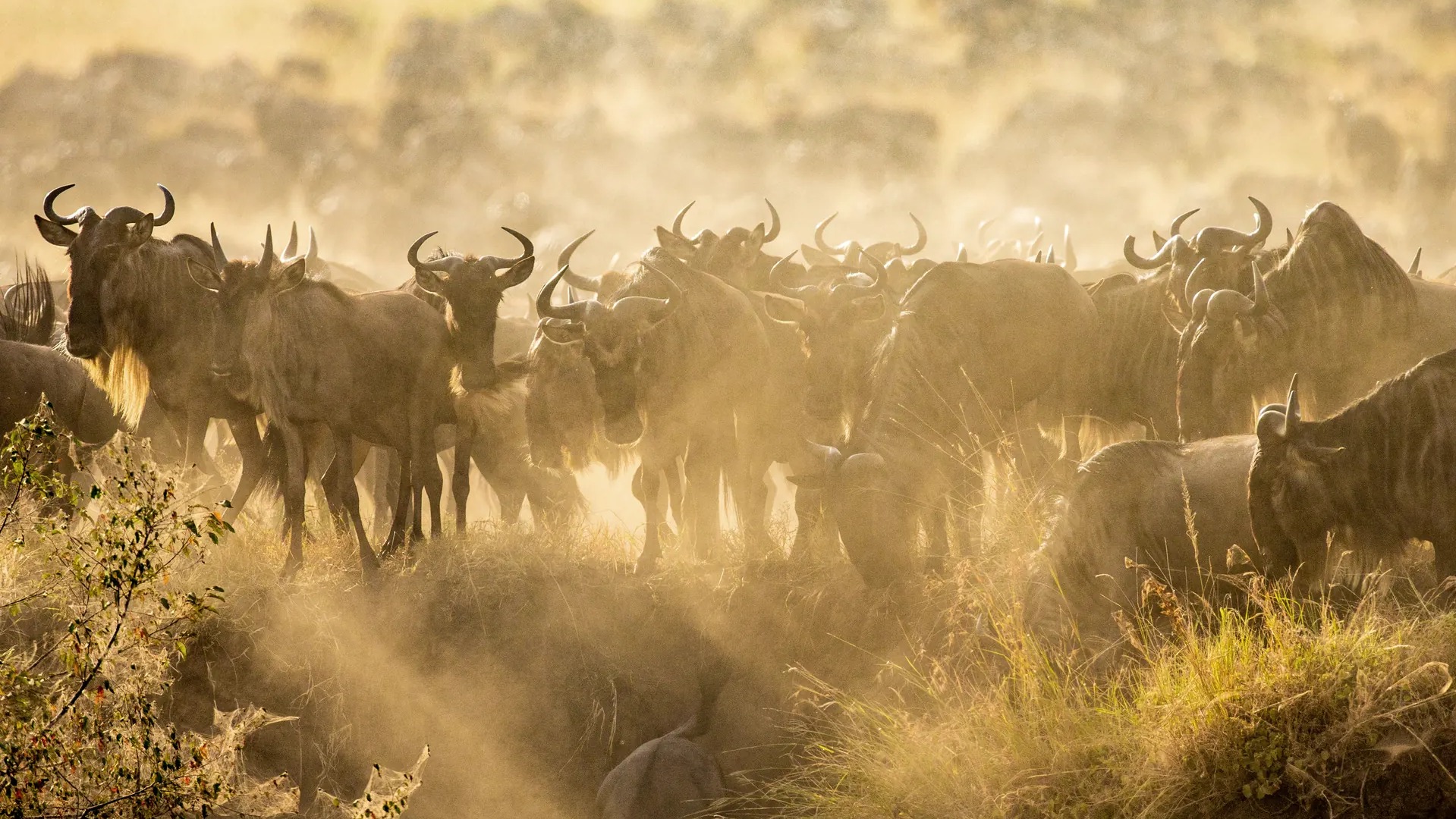
What Really Drives the Masai Mara Great Migration and Why River Crossings Defy Fixed Dates
Wildlife
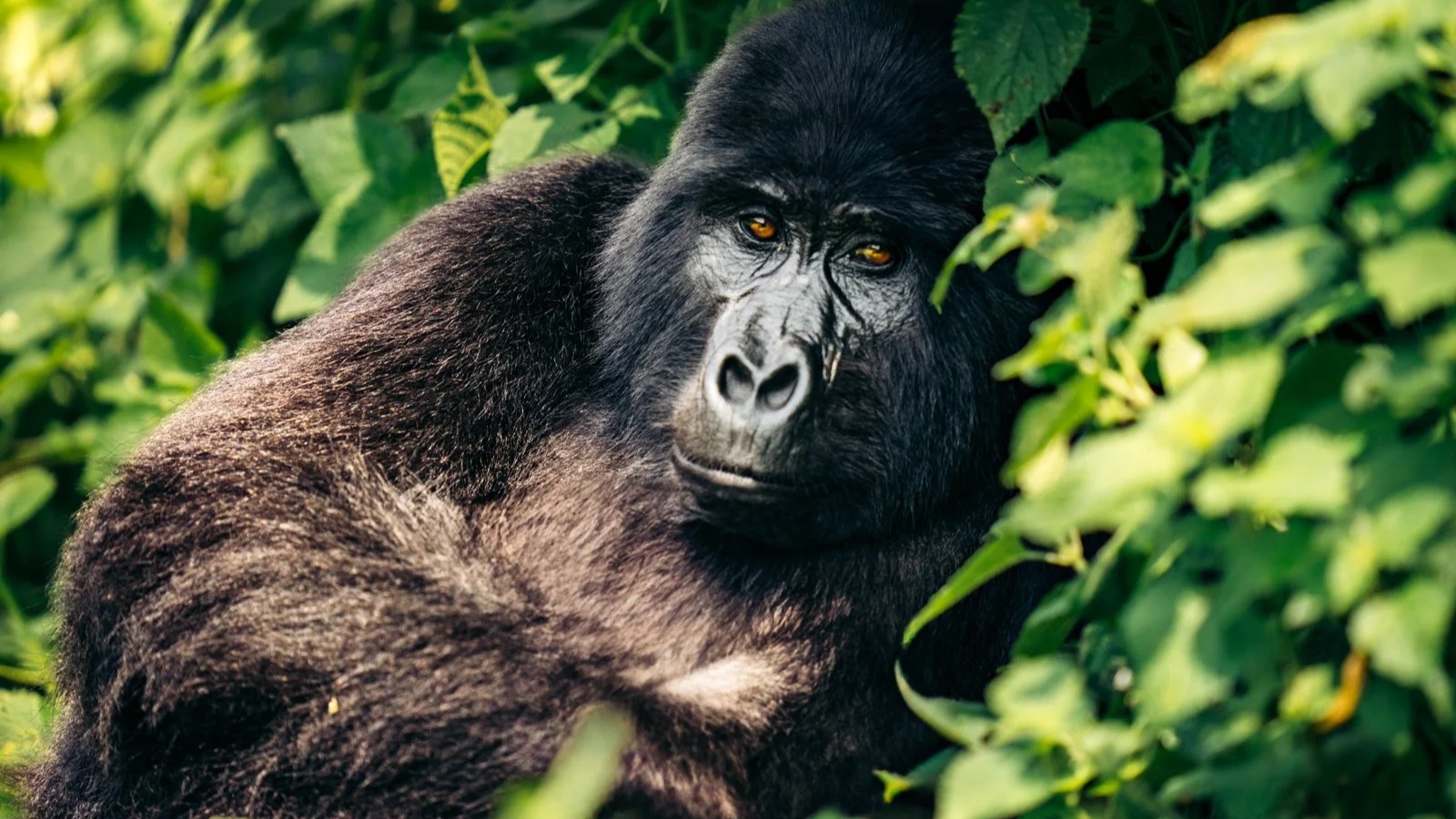
What Recent Data Shows About Wildlife Recovery Programs Across Rwanda
wildlife
What Recent Kenyan Wildlife News Reveals About Changing Habitats
Wildlife
What Sets Botswana's Big Five Apart from Their Cousins Elsewhere
wildlife
What the Daily Habits of Zambian Wildlife Reveal About Survival
@-cropped.jpg)
Wildlife