Photography
Why South African Wildlife Photography Demands More Than Just the Right Lens
Encounters Africa - 8 min read
Updated on 17 June 2026
South African wildlife photography rewards those who move beyond surface-level snapshots and instead immerse themselves in the country's layered ecosystems. From the shifting light across the Eastern Cape to the intricate behaviours visible in private reserves, these photography opportunities in SA reveal far more than postcard scenes. A factual summary shows that South Africa hosts over 500 mammal and bird species across 19 national parks and numerous conservancies, creating diverse frames shaped by seasonal rhythms, ancient geology, and active conservation work.
Beyond postcard scenes, discover how seasonal migrations, unique geology, and conservation zones create rare, layered compositions that reward those who study South Africa’s varied ecosystems first.
The Unique Challenges That Shape South African Wildlife Photography
South African wildlife photography demands preparation that extends well past selecting the sharpest telephoto lens. The sheer variety of landscapes means photographers must adapt to everything from the open savannahs of the north to the rugged, fynbos-covered hills of the south. Light behaves differently here too, with dramatic contrasts that can either ruin or elevate an image depending on your timing.
Many first-time visitors underestimate how wind, dust, and sudden weather shifts influence their results. In the Karoo, for instance, dust devils can appear without warning, while coastal mists in the Garden Route soften backgrounds in unexpected ways. These elements force a deeper level of observation, turning each outing into a masterclass in patience and adaptability.
The land itself becomes your co-creator; ignore its moods and your images will reflect that disconnect.
Understanding Light Across Different Regions
Golden hour in South Africa carries a particular warmth that photographers describe as almost tactile. In the northern reserves, the sun often dips behind acacia trees, casting long, dramatic shadows that highlight the texture of an elephant's skin or the curve of a kudu horn. Further south, the winter months bring clearer skies and lower angles of light that suit landscape-inclusive wildlife shots.
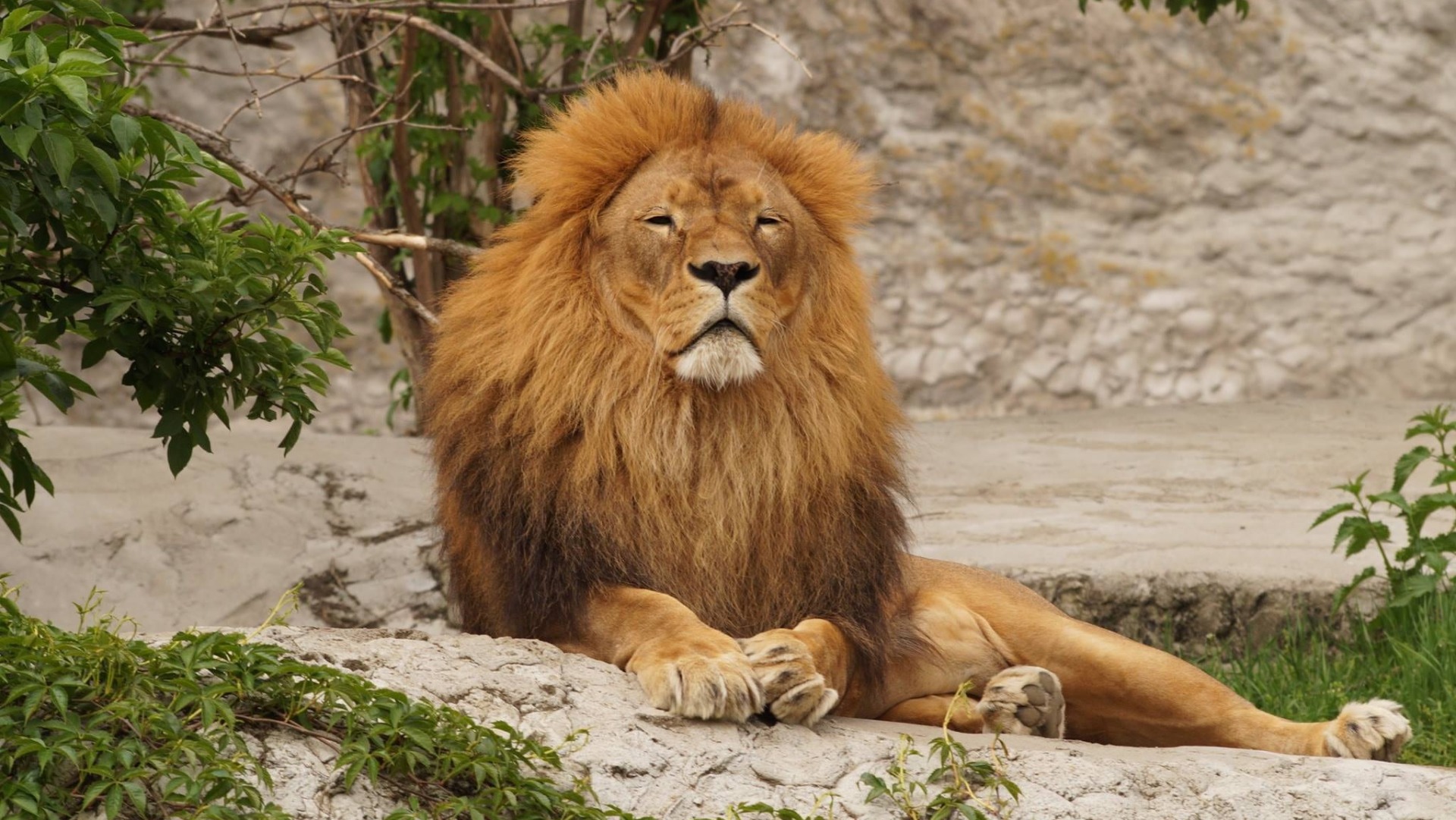
Photographers who study these patterns gain an edge. A pre-dawn departure from camp often yields the soft, diffused light perfect for capturing the subtle interactions within a pride of lions or the intricate feather patterns of a martial eagle.

Prime Seasons for South African Wildlife Photography
The best time to visit for south african wildlife photography depends heavily on the region and subject. In the northern provinces, the dry winter months from May to September concentrate animals around water sources, offering reliable sightings and cleaner backgrounds free of tall grass. Summer brings the spectacle of newborn animals but also thicker vegetation that can obscure views.
Coastal and southern areas follow different rhythms. The whale migration along the Hermanus coastline peaks between June and November, creating opportunities to photograph breaching southern right whales against dramatic cliff backdrops. In the Eastern Cape, spring wildflowers transform the landscape into a tapestry of colour that frames antelope and zebra particularly well.
Timing is not merely about being present; it is about understanding the land's seasonal dialogue with its inhabitants.
Weather Patterns and Their Photographic Impact
Thunderstorms in the Highveld during summer afternoons produce some of the most striking skies, with bruised clouds providing contrast against golden plains. However, these same storms can limit visibility and create challenging autofocus conditions. Learning to read the clouds becomes as important as reading animal behaviour.
In the arid regions, dust storms after long dry periods add atmosphere but require protective gear for cameras. The reward comes in capturing the way dust catches the light around a galloping herd, creating images with genuine narrative depth.
Iconic Locations That Elevate Photography Opportunities in SA
South Africa offers an exceptional range of photographic venues, each with distinct visual signatures. The Addo Elephant National Park provides intimate encounters with the densest elephant population on the continent, often against lush green or earth-toned backdrops depending on the season. Further north, Hluhluwe–Imfolozi Park allows for compelling rhino portraits in hilly terrain that adds dimension to compositions.
Private reserves offer distinct advantages for dedicated photographers. Properties like Malewane Lodge in the Greater Kruger area limit vehicle numbers, enabling extended time with subjects and off-road access that opens new angles. These experiences create the breathing room necessary for truly considered wildlife photography rather than rushed snapshots.
Lesser-Known Reserves for Original Compositions
While the well-known parks deliver reliable sightings, photographers seeking distinctive work often gravitate toward places like the Amakhala Game Reserve or Kariega Private Game Reserve. Here, the combination of varied topography and lower visitor numbers allows for more creative approaches, from low-angle predator shots to atmospheric bird studies against expansive skies.
The Cederberg wilderness presents entirely different opportunities, with ancient rock formations providing geological context for images of endemic species like the Cape mountain zebra. These frames tell a deeper story about South Africa's ancient landscapes and their wildlife.
Techniques That Capture Authentic Moments
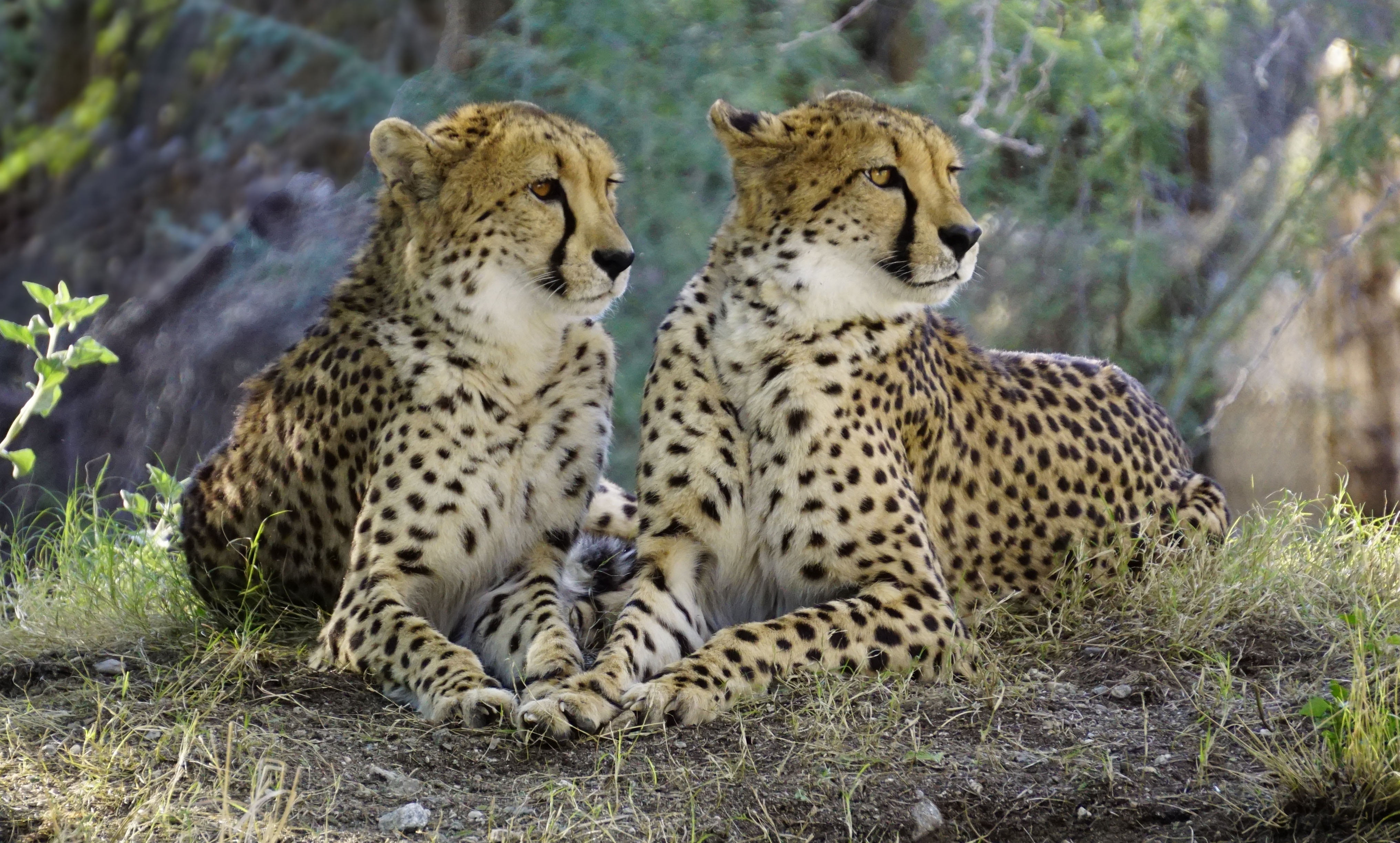
South African wildlife photography benefits enormously from techniques that prioritise observation over rapid shutter use. Understanding animal behaviour allows photographers to anticipate rather than react, resulting in more powerful images. A leopard's tail twitch before it moves, the way a herd of buffalo positions itself against the wind, these small signals create opportunities for images rich with tension and narrative.
Many experienced guides at quality lodges share their knowledge of these behaviours, effectively becoming collaborators in the creative process. This partnership between field expertise and photographic vision often produces the most memorable work.
Great wildlife images rarely come from luck alone; they emerge from the marriage of preparation, presence, and deep respect for the subject.
Ethical Approaches to Field Photography
Responsible practice forms an essential part of modern south african wildlife photography. This means maintaining appropriate distances, never pressuring guides to break park rules for better angles, and considering the impact of your presence on the animals' natural behaviour. Many conservation-focused lodges now include briefings on these principles as standard.
The most compelling images often come from situations where the photographer has become almost invisible to the wildlife, allowing genuine behaviours to unfold naturally. This approach not only yields better photographs but supports the conservation efforts that make such experiences possible.
Conservation Through the Lens: How Photography Supports Protection
South African wildlife photography increasingly intersects with conservation storytelling. Images that capture the reality of habitat loss, successful breeding programmes, or community involvement in protection efforts play a vital role in building global support for these initiatives. Several lodges work directly with researchers, offering photographers the chance to document important scientific work.
By choosing to stay at properties that demonstrate genuine commitment to conservation, photographers contribute financially while gaining access to areas where their images can highlight positive change. This creates a virtuous circle where exceptional photography helps fund the protection of the very subjects it celebrates.
Community Involvement and Photographic Narratives
Some of the most powerful images emerging from South Africa today show not just wildlife but the human stories connected to it. Local trackers, community rangers, and conservationists increasingly feature in thoughtful compositions that acknowledge the integral role people play in protecting these ecosystems. These photographs tell more complete stories about the future of African conservation.
Photographers who invest time in understanding these relationships often produce work with greater resonance and authenticity. The resulting images move beyond simple wildlife portraits to become visual records of successful coexistence and protection efforts.
Creating Your Own South African Photography Journey
For discerning travellers seeking a private safari beyond our set itineraries, we invite you to contact us directly. We specialise in designing exceptional, tailor-made journeys for individuals, couples, families, and private groups of up to eight guests. Drawing on our handpicked network of distinguished camps and lodges, we curate every detail with precision and care, creating a seamless, deeply personal safari experience shaped entirely around your preferences, pace, and budget.
Whether you wish to focus on big cat behaviour in the Balule Private Game Reserve, coastal birdlife along the Garden Route, or the subtle beauty of the Karoo's endemic species, a thoughtfully designed itinerary makes all the difference. The most rewarding south african wildlife photography experiences happen when time is not rushed and when expert guides understand both the land and your creative goals.
At Encounters Africa we have witnessed how these carefully arranged journeys transform not only photographic portfolios but also the way travellers see their connection to wild places. The images that result carry the depth that comes from genuine understanding rather than fleeting visits.
If you are ready to explore the extraordinary photographic potential that South Africa offers, we would be delighted to begin that conversation. Visit our enquiry form to start planning your own journey into the heart of this remarkable land. Your lens awaits landscapes and stories that will continue to inspire long after you return home.
More like this
Photography
Why Street Life in Rwanda’s Capital Rewires Your Photography in Kigali
Photography
Why Tanzania's Dust and Drama Elevate Your Photography Beyond Technical Skill
Photography
Why Uganda's Light Conditions Demand a Different Photography Approach
photography
10 Fresh Photography Techniques for Botswana's Elite Safaris
photography
10 Fresh Photography Techniques for Kenya's Elite Safaris
photography