Photography
Why Rwandan Photography Challenges Force You to Master Patience and Precision
Encounters Africa - 11 min read
Updated on 17 June 2026
Photography in Rwanda tests even seasoned lensmen with its blend of misty highlands, elusive primates and ever-shifting light. The country’s dramatic topography, from the cloud-shrouded Virunga volcanoes to the rolling tea estates of the west, creates conditions that reward those who embrace patience and technical precision. Low visibility in high-altitude forests and fast-moving wildlife demand specific gear choices and techniques, yet these very obstacles produce some of the most rewarding travel photographs.
Encounters Africa has guided countless photographers through these landscapes, helping them transform apparent frustrations into images that linger long after the journey ends. Whether you are chasing silverback gorillas through dense foliage or capturing the golden light on Lake Kivu’s shores, Rwanda offers a masterclass in mindful image-making. This article explores the distinctive hurdles and the deep satisfaction that comes from overcoming them.
The Allure of Rwanda’s Photographic Landscapes
Rwanda’s compact size belies an astonishing variety of environments packed into just 26,338 square kilometres. Volcanoes National Park rises to 4,507 metres at Karisimbi, its bamboo and Hagenia forests frequently veiled in mist that softens outlines and diffuses light in painterly ways. Further south, Nyungwe Forest National Park protects 1,200 square kilometres of montane rainforest where colobus monkeys leap through the canopy and 300 bird species flit between ancient trees.
The Akagera wetlands in the east present an entirely different palette: open savannah, papyrus-fringed lakes and acacia-dotted plains reminiscent of classic East African scenes yet with their own distinct character. Between these wild spaces lie meticulously terraced hillsides, bustling markets in Rwanda, and quiet rural villages where daily life unfolds with graceful rhythm. Each setting asks something different of the photographer, demanding adaptability and a willingness to slow down.
In Rwanda the landscape itself becomes your collaborator, teaching you that the most powerful frames often emerge not despite the difficulties but precisely because of them.
Golden Hours and Mountain Weather Patterns
The equatorial position combined with significant altitude creates lighting conditions that change with startling speed. Dawn often brings crisp, clear air at higher elevations before clouds build by mid-morning. Late afternoon light can transform tea plantations into glowing emerald seas, while the brief equatorial twilight offers only 15 to 20 minutes of usable dusk colour.
Understanding these patterns is essential. Serious practitioners rise well before first light, positioning themselves on ridges above the Virunga massif to catch the sun igniting the peaks. The best months for clearer skies run from June to September and December to February, though even in the drier seasons sudden showers can appear without warning.
Understanding Rwandan Photography Challenges
Photography in Rwanda presents a series of technical and environmental tests that separate thoughtful practitioners from those merely clicking shutters. The combination of thick vegetation, unpredictable weather and highly mobile subjects forces deliberate decision-making at every stage of the process.
These obstacles are not barriers to great work; rather they become the very elements that give Rwandan images their distinctive character. Learning to work within these constraints cultivates a more considered approach that ultimately elevates the entire body of work.
Low Visibility and Dense Vegetation
In the high-altitude forests of Volcanoes National Park and Nyungwe, visibility can drop to just a few metres when mist descends. Dense undergrowth limits clear sightlines, meaning you may hear gorillas long before you see them. This demands pre-visualisation skills and an ability to compose quickly when opportunities arise.
Wide-angle lenses struggle here; instead, photographers favour fast telephoto glass that can isolate subjects through gaps in the foliage. Prime lenses in the 200mm to 400mm range prove most versatile, particularly those with wide maximum apertures that gather every available photon of light.
Fast-Moving Wildlife and Ethical Constraints
Mountain gorillas move with surprising speed through tangled vegetation, while golden monkeys dart between bamboo stems in bursts of colour. Rwanda’s strict tourism regulations limit visits to one hour per group, creating a narrow window for capturing authentic behaviour rather than posed portraits.
The challenge intensifies because flash photography is prohibited and drone use heavily restricted within national parks. Success depends on anticipation, quiet movement and deep knowledge of animal behaviour, skills that develop only through repeated field experience and respectful observation.
The very rules designed to protect Rwanda’s wildlife also sharpen a photographer’s focus, demanding presence and precision that ultimately lead to more meaningful images.
Gear Recommendations for Rwandan Conditions
Choosing the right equipment can make the difference between frustration and fulfilment when pursuing photography in Rwanda. The combination of altitude, humidity and variable light requires thoughtful selection rather than simply bringing every lens you own.
Weight becomes a critical consideration too. Most trekking to see gorillas involves hikes of 30 minutes to three hours over steep, muddy terrain. Every gram in your backpack matters when you are already carrying water, rain gear and snacks.
Essential Camera Bodies and Lenses
Weather-sealed mirrorless or DSLR bodies with excellent high-ISO performance prove most valuable. Cameras capable of clean images at ISO 6400 or higher help tremendously when working in the dim forest interior. The Nikon Z9, Sony A1 and Canon R5 have all performed admirably for our travellers in recent years.
For glass, a 100-400mm or 200-500mm zoom offers welcome flexibility, paired with a fast 70-200mm f/2.8 for closer encounters. A lightweight 24-70mm covers landscape work and environmental portraits. Many photographers also carry a 14-30mm or similar ultra-wide for the dramatic mountain vistas when conditions allow.
Supporting Accessories That Matter
A sturdy yet lightweight tripod or monopod can steady shots in low light, though it must be compact enough to strap to a daypack. Polarising filters help manage reflections on wet leaves after rain, while neutral density filters prove useful for creating motion blur in waterfalls during brighter hours.
Spare batteries are essential because cold mountain temperatures drain power faster than expected. A robust rain cover that fits over the entire camera and lens combination often sees more use than any other accessory. Finally, a good pair of binoculars helps locate subjects before bringing the camera to bear.
Techniques for Capturing Rwanda’s Iconic Subjects
Mastering specific approaches helps overcome the rwandan photography challenges that initially seem insurmountable. Each major subject requires its own considered methodology developed through experience and local knowledge.
The following techniques have been refined by both professional guides and visiting photographers working with Encounters Africa across multiple seasons.
Photographing Mountain Gorillas with Sensitivity
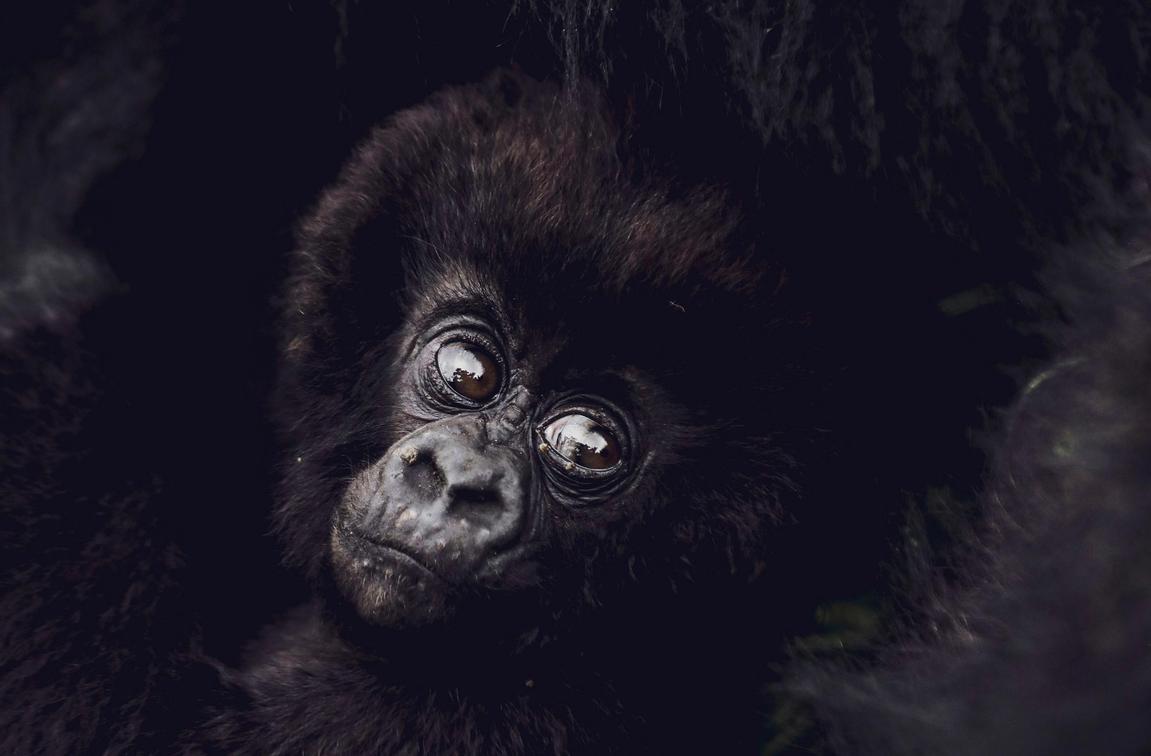
Success with gorillas begins long before you enter the forest. Tracking teams radio information about the group’s location and activity level, allowing you to prepare settings in advance. Once with the animals, move slowly and predictably, avoiding sudden movements that might disturb them.
Look for intimate moments: a mother grooming her infant, silverback resting against a tree, or juveniles play-fighting. Rather than chasing constant action, wait for pauses in movement when expressions become visible through the vegetation. Many of the most powerful gorilla images show only part of a face or a powerful hand gripping a branch, telling the story through suggestion rather than literal documentation.
Landscape Photography in Variable Conditions
The Virunga chain reveals itself most dramatically at dawn when mist fills the valleys between peaks. Position yourself on elevated slopes the evening before, allowing time to scout multiple compositions before first light. Include foreground interest such as flowering lobelia or traditional wooden huts to give scale to the monumental backdrop.
In Nyungwe, the forest canopy creates natural frames through which distant hills can be glimpsed. Waterfalls offer opportunities for longer exposures that turn cascading water into silky ribbons, though these require a stable platform and patience while waiting for the right light level.
Patience in Rwandan forests is not passive waiting but an active state of readiness, where every sense remains engaged until the precise moment when elements align.
Practical Advice for Photographers Visiting Rwanda
Preparation and mindset matter as much as equipment when facing rwandan photography challenges. Understanding what to expect helps travellers approach the experience with appropriate expectations and maximum creative openness.
Below are key considerations drawn from years of accompanying photography-focused groups through Rwanda’s varied terrain.
Best Times to Visit for Photography
The long dry season from June to September offers the clearest conditions for both gorilla trekking and landscape work. December through February provides a secondary window with slightly greener vegetation following the short rains. Avoid the heavy rains of March to May and October to November unless you specifically want dramatic cloud formations and fewer fellow visitors.
Regardless of season, plan to spend at least seven to ten days to allow for weather variability and multiple visits to different ecosystems. A typical itinerary might include three nights near Volcanoes National Park, three nights at Nyungwe, and time in Akagera or along Lake Kivu.
Working with Local Guides and Communities
Rwanda’s guides possess extraordinary tracking skills and deep ecological knowledge. Listen carefully to their briefings about animal behaviour and safety protocols. Many have developed a keen eye for photographic opportunities and will quietly position groups for better angles while maintaining respectful distance.
When photographing people in villages surrounding the parks, always ask permission first. A warm smile and genuine interest in someone’s daily activities often leads to natural, collaborative portraits. Several community tourism projects near Volcanoes National Park offer ethical opportunities to document traditional crafts and agricultural practices while contributing directly to local livelihoods.
Post-Production Approaches for Rwandan Images
The raw files captured in Rwanda’s challenging light often require thoughtful processing to convey the atmosphere experienced in the field. The goal is enhancement rather than heavy manipulation, preserving the authenticity that makes these images special.
Subtle adjustments to contrast and clarity can help define subjects partially obscured by vegetation. Selective dodging and burning brings attention to key elements while maintaining natural-looking light fall-off. Many photographers find that a restrained colour palette better reflects the misty, atmospheric quality of the highland forests.
Back up images nightly during your journey. The combination of dust, humidity and bumpy roads can prove fatal to memory cards. Cloud storage or a portable hard drive provides essential redundancy when working far from reliable infrastructure.
Why These Challenges Create Exceptional Photography
The very difficulties that make photography in Rwanda demanding also produce images with genuine emotional depth. When you have waited hours in mist and mud for a single clear view of a gorilla family, the resulting photograph carries the weight of that effort. Viewers sense the dedication behind each frame.
This is why so many who overcome rwandan photography challenges return year after year. The country does not surrender its beauty easily, and that very fact makes the reward proportionally greater. The technical precision and emotional patience developed here transfer beautifully to other destinations, making Rwanda an exceptional training ground for serious practitioners.
What appears at first as limitation reveals itself as invitation: to see more deeply, move more mindfully, and create images that honour both subject and the extraordinary effort required to capture them.
Ready to Test Your Skills in Rwanda?
Rwanda offers a profound photographic education wrapped in landscapes of remarkable beauty and conservation success. The combination of mountain gorillas, dramatic scenery and rich cultural encounters creates opportunities found in few other places. For those willing to embrace its particular challenges, the rewards prove exceptional.
Encounters Africa specialises in designing thoughtful photographic journeys that balance productive field time with comfort and insight. Our small group departures include expert local guides and dedicated photography mentors who understand both the technical and creative aspects of working in these conditions. For discerning travellers seeking a private safari beyond our set itineraries, we invite you to contact us directly. We specialise in designing exceptional, tailor-made journeys for individuals, couples, families, and private groups of up to eight guests. Drawing on our handpicked network of distinguished camps and lodges, we curate every detail with precision and care, creating a seamless, deeply personal safari experience shaped entirely around your preferences, pace, and budget.
Whether you join one of our scheduled photography workshops or prefer a fully bespoke itinerary, the experience will deepen both your technical abilities and your appreciation for this remarkable country. Begin planning your Rwandan photographic adventure with Encounters Africa and discover why so many return transformed by what they have learned behind the lens.
Read our related article on how Rwandan families keep oral traditions alive to better understand the human culture you will encounter while photographing in this fascinating destination. We also recommend exploring our dedicated Rwanda safari collection and considering a stay at Clouds Mountain Gorilla Lodge for its exceptional access to the Virunga massif.
More like this
Photography
Why Rwanda's Misty Volcanoes Demand a Different Approach to Photography
Photography
Why South African Wildlife Photography Demands More Than Just the Right Lens
Photography
Why Street Life in Rwanda’s Capital Rewires Your Photography in Kigali
Photography
Why Tanzania's Dust and Drama Elevate Your Photography Beyond Technical Skill
Photography
Why Uganda's Light Conditions Demand a Different Photography Approach
photography