Photography
Why Rwanda's Misty Volcanoes Demand a Different Approach to Photography
Encounters Africa - 10 min read
Updated on 17 June 2026
Photography advice in Rwanda calls for a thoughtful shift from conventional wildlife techniques. The country's dramatic volcanic landscapes, dense montane forests, and intimate encounters with mountain gorillas create conditions that reward patience, specialised equipment, and an openness to soft, diffused light rather than harsh equatorial sun.
Rwanda offers layered photography opportunities in Rwanda, from the misty slopes of Volcanoes National Park to the canopy walks of Nyungwe Forest and the rolling hills around Lake Kivu. Success depends on understanding how altitude, frequent cloud cover, and ethical guidelines shape every frame. The best time to visit for photography is during the drier months of June to September and December to February, when trails are firmer and visibility often improves, though mist remains a constant creative partner.
In Rwanda, the absence of direct sunlight is not a limitation but an invitation to reveal texture and emotion in ways brighter destinations rarely allow.
Understanding Rwanda's Unique Light and Terrain
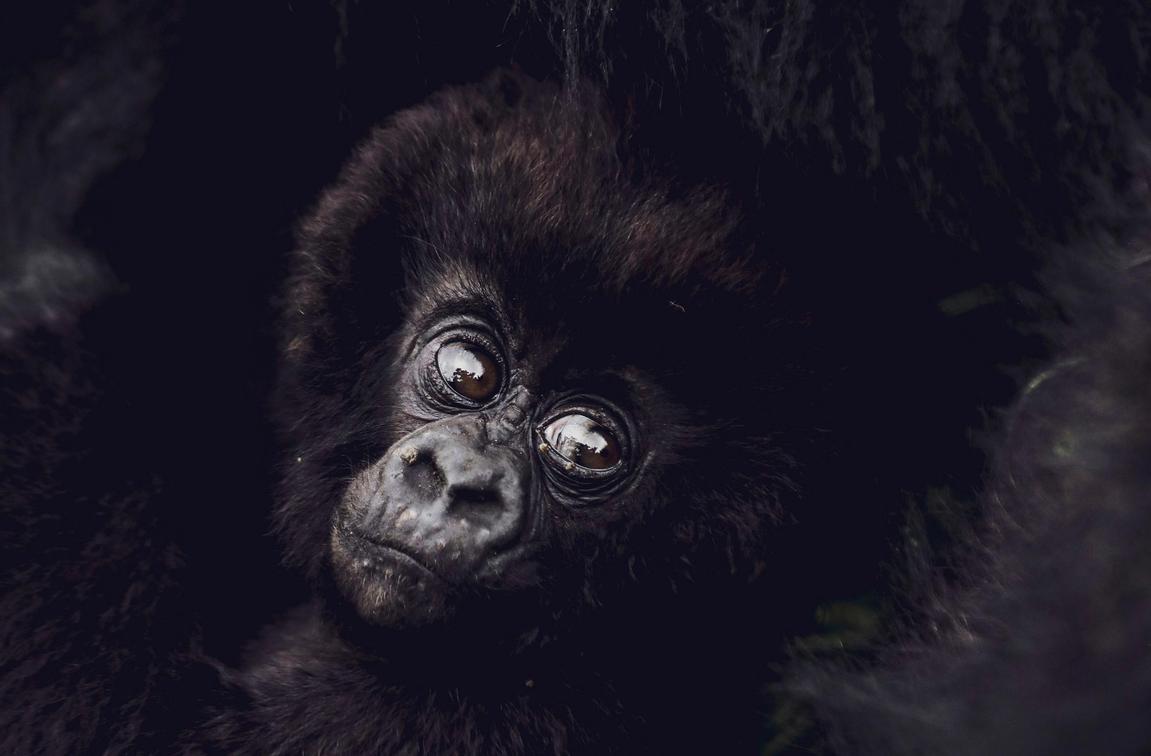
The high-altitude environment of Volcanoes National Park sits between 2,500 and 4,500 metres above sea level. This elevation produces cooler temperatures and almost daily mist that softens contrasts and saturates colours in a way flat light rarely does elsewhere. Rather than fighting these conditions, accomplished photographers learn to celebrate them, allowing the haze to add atmosphere and depth to gorilla portraits.
Golden monkeys dart through bamboo groves with astonishing speed, while forest elephants move silently beneath thick vegetation. These subjects demand anticipation and quick reactions. Overcast skies eliminate harsh shadows on dark primate fur, revealing individual hairs and subtle expressions that direct sun would obscure. This is where photography advice in Rwanda diverges most clearly from standard savannah shooting.
At lower elevations around Nyungwe, light filters through multiple layers of canopy. Here, the challenge becomes finding enough illumination for sharp images while preserving the lush, emerald tones that define the forest. Early morning and late afternoon remain preferable, yet the real magic often happens when brief shafts of light pierce the gloom.
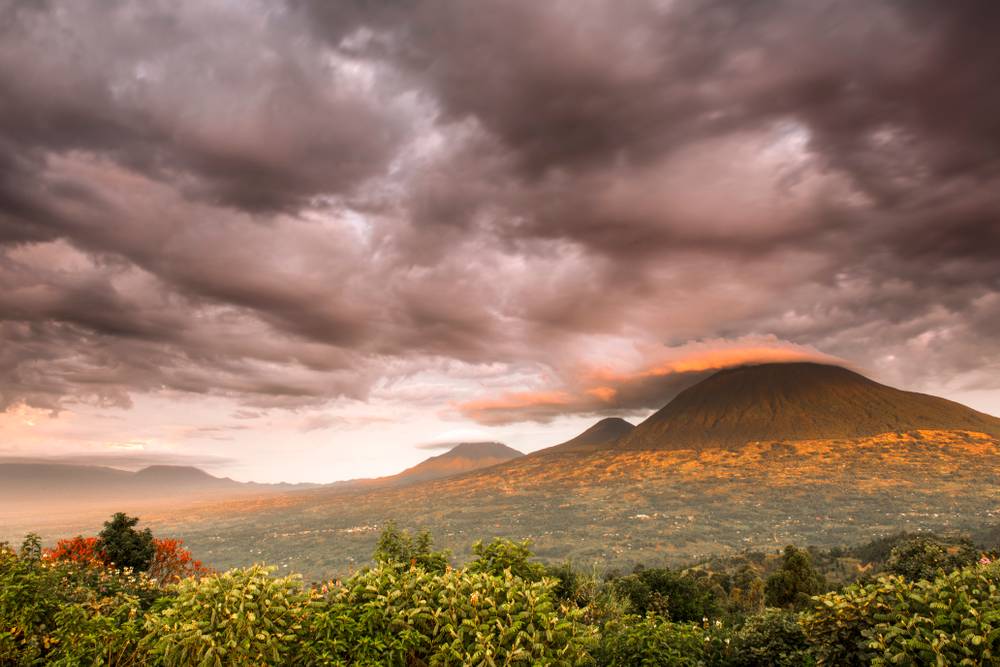
Embracing mist and cloud in Rwanda transforms apparent obstacles into signature elements that distinguish your images from countless bright, saturated safari photographs.
Essential Gear Choices for Rwandan Conditions
Photography opportunities in Rwanda favour versatility over brute focal length. A 70-200mm f/2.8 lens paired with a 100-400mm or 200-500mm telephoto provides the reach needed for gorilla groups while remaining manageable on steep trails. Prime lenses such as an 85mm f/1.4 or 135mm f/2 deliver beautiful subject separation when working closer under permit guidelines.
Fast glass is crucial because light levels drop dramatically beneath the canopy. Consider bringing a lightweight tripod or monopod for slower shutter speeds that convey the movement of leaves or passing primates. A polarising filter helps manage reflections on wet foliage after rain, while a rain sleeve is non-negotiable given the frequency of sudden showers.
Memory cards and batteries deserve special attention. The combination of altitude and humidity can drain power faster than expected, so carrying at least twice the capacity you think necessary is wise. A sturdy daypack with quick-access compartments allows you to switch lenses without delaying the group during treks that can last up to eight hours.
Working with Limited Light and Weather
ISO settings between 800 and 3200 become standard rather than exceptional in Rwanda. Modern mirrorless cameras handle noise remarkably well at these levels, particularly when paired with noise-reduction software during post-processing. Accepting some grain often yields more atmospheric results than forcing a slower shutter and introducing motion blur in critical wildlife moments.
Overcast skies provide even illumination that flatters skin tones during community visits. When photographing local Rwandan people near the park boundaries, always ask permission first and learn a few respectful phrases in Kinyarwanda. This courtesy frequently leads to more authentic portraits and genuine connections that enrich the entire experience.
Gorilla Tracking: Field Techniques That Matter
Each tracking permit allows only one hour with a habituated gorilla family. That precious window requires absolute readiness. Position yourself slightly lower than your subjects when possible to create a more imposing, dignified perspective. Keep both eyes open, one through the viewfinder and one monitoring the broader group dynamics, as silverbacks can move with surprising speed.
Look for intimate moments: a mother grooming her infant, juveniles play-fighting, or the quiet dignity of an older female observing her family. These behavioural scenes tell richer stories than simple head-and-shoulders portraits. A slower shutter speed of 1/30th or 1/15th second can introduce just enough motion blur in background foliage to convey the restless energy of the troop.
Respect the one-metre distance guideline strictly, both for the gorillas' wellbeing and the quality of your photographs. Closer proximity often results in wide-angle distortion and stressed animals that turn away from the camera. Patience and observation consistently produce more powerful images than aggressive lens changes.
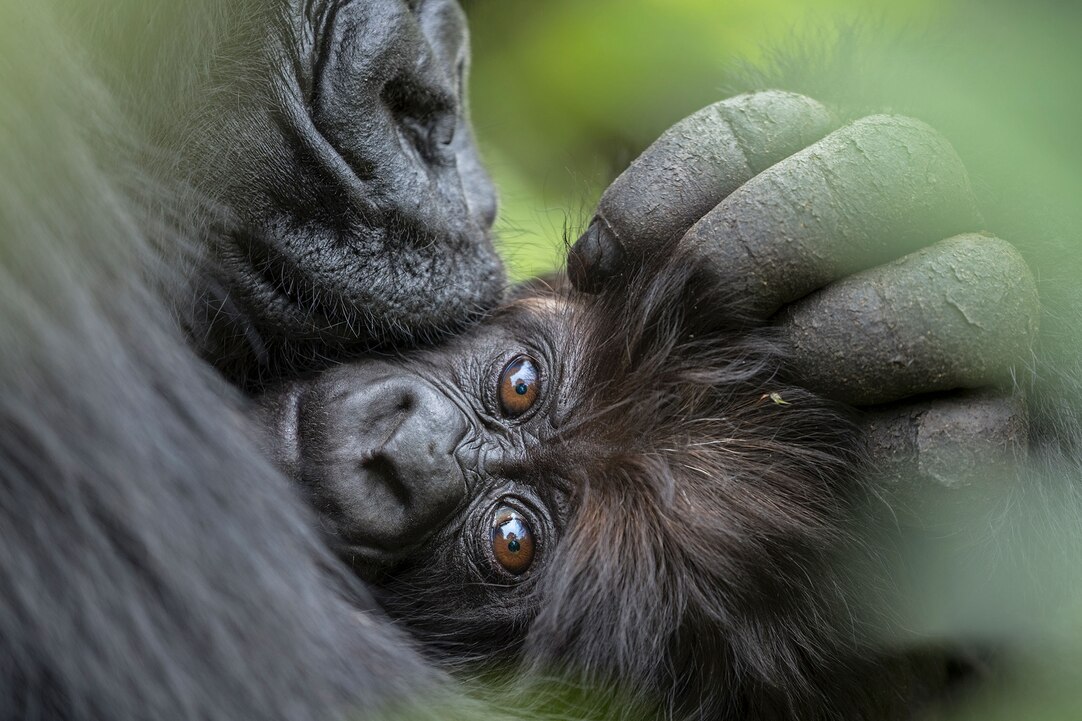
The most compelling gorilla photographs rarely come from the longest lenses but from moments of genuine connection captured with sensitivity and respect for these endangered beings.
Capturing Rwanda's Golden Monkeys and Forest Birds
Golden monkey troops move like quicksilver through the bamboo. Success here depends on pre-focusing on gaps in the vegetation where they are likely to appear. Burst mode at 10-15 frames per second helps freeze their acrobatic leaps, while a slightly wider aperture creates pleasing separation between subject and busy background.
Birdlife in Nyungwe includes more than 300 species, with notable endemics such as the Ruwenzori turaco and Rockefeller's sunbird. A 400mm or 500mm lens paired with a 1.4x teleconverter allows frame-filling shots from the canopy walkways without disturbing the birds. Early morning mist rising through the forest adds an ethereal quality to these images that is difficult to replicate elsewhere.
Consider including environmental context rather than always isolating your subject. A golden monkey framed against ancient Hagenia trees or a turaco perched on moss-draped branches tells a more complete story of this unique ecosystem.
Community and Cultural Photography in Rwanda
Beyond wildlife, Rwanda's photography opportunities in Rwanda extend to its resilient people and vibrant cultural traditions. The weekly markets near Musanze and the traditional dances performed for visitors offer colourful, dynamic subjects. However, ethical considerations remain paramount. Never photograph someone without clear, enthusiastic consent.
Learning about the country's remarkable post-genocide journey adds depth to your portraits. Many local guides are themselves survivors or children of survivors, and their stories, shared at appropriate moments, can inform more meaningful imagery. A simple portrait of a smiling child against the volcanic backdrop carries greater resonance when you understand the context of renewal these landscapes represent.
The terraced hillsides surrounding the national parks create striking geometric patterns when photographed from elevated viewpoints. Late afternoon light raking across these agricultural landscapes reveals textures and shadows that speak to Rwanda's careful stewardship of its limited arable land.
Post-Processing Approaches for Rwandan Images
Rwandan photographs often benefit from restrained editing that preserves the natural softness of the light. Subtle increases in clarity and texture can emphasise the detail in gorilla fur without creating an artificial look. Selective dodging and burning help guide the viewer's eye through the sometimes chaotic forest scenes.
Colour management is important when working with the deep greens and rich earth tones characteristic of the Virunga Mountains. Calibrate your monitor carefully and consider shooting in RAW to retain maximum information in both highlights and shadows. Many successful Rwanda images actually require very little saturation boost because the diffused light already produces naturally rich colours.
True mastery in Rwandan photography lies not in overcoming the mist but in learning to paint with it, using its gentle diffusion to reveal character and emotion that bright sunlight would simply burn away.
Common Questions About Photography in Rwanda
What is the best time to visit Rwanda for photography? The long dry season from June to September offers the most reliable trekking conditions, with December to February providing a shorter but equally productive window. These periods typically feature fewer rains, although mist and cloud remain daily features that actually enhance many photographic opportunities.
Do I need special permits for photography in Volcanoes National Park? The standard gorilla trekking permit covers photography with non-professional equipment. Professional photographers or those intending to sell their images commercially should contact the Rwanda Development Board in advance for appropriate permissions and potential additional fees.
How do I protect my camera equipment in the rainforests? Invest in high-quality rain covers, silica gel packs for your camera bag, and consider a weather-sealed camera body. Keeping equipment in a padded backpack between shots minimises exposure to sudden downpours that can occur with little warning.
Is drone photography permitted in Rwandan national parks? Drone use is strictly prohibited in all national parks and within 2km of their boundaries. This regulation protects both wildlife and the privacy of local communities living near the parks.
Conservation Through the Lens
Every photograph taken in Rwanda contributes to a larger story of successful conservation. The mountain gorilla population has increased from approximately 250 individuals in the 1980s to over 1,000 today, thanks to rigorous protection and community involvement. Your images can help share this remarkable recovery with the world.
Responsible photography means staying on designated trails, never using flash with wildlife, and supporting the local communities whose livelihoods are linked to the parks' success. When shared thoughtfully on social media or in publications, these images become powerful ambassadors for continued protection of this precious ecosystem.
Planning Your Rwandan Photographic Journey
For discerning travellers seeking a private safari beyond our set itineraries, we invite you to contact us directly. We specialise in designing exceptional, tailor-made journeys for individuals, couples, families, and private groups of up to eight guests. Drawing on our handpicked network of distinguished camps and lodges, we curate every detail with precision and care, creating a seamless, deeply personal safari experience shaped entirely around your preferences, pace, and budget.
Whether you wish to spend extended days with specific gorilla families, explore the birdlife of Nyungwe National Park with specialist guides, or combine your photography with cultural experiences in local villages, our team can craft the perfect itinerary. We work closely with the finest mountain gorilla lodges and experienced photographic guides who understand both the technical and ethical aspects of capturing Rwanda's wonders.
Consider combining your photographic adventure with a visit to the Volcanoes National Park and the nearby Dian Fossey gravesite, where the pioneering primatologist's legacy continues to inspire new generations of conservationists and image-makers. For those looking for a private safari beyond our set itineraries, we would be delighted to hear from you directly.
At Encounters Africa, we believe the most meaningful images emerge not just from technical excellence but from deep respect for the places and beings we photograph. Let us help you create photographs that honour Rwanda's remarkable conservation success while fulfilling your creative vision.
Ready to explore photography opportunities in Rwanda with expert guidance and unparalleled access? Visit our enquiry form today and begin planning the photographic journey of a lifetime with Encounters Africa.
More like this
Photography
Why South African Wildlife Photography Demands More Than Just the Right Lens
Photography
Why Street Life in Rwanda’s Capital Rewires Your Photography in Kigali
Photography
Why Tanzania's Dust and Drama Elevate Your Photography Beyond Technical Skill
Photography
Why Uganda's Light Conditions Demand a Different Photography Approach
photography
10 Fresh Photography Techniques for Botswana's Elite Safaris
photography