wildlife
Why South African Predators Depend on Unexpected Habitat Partnerships
Encounters Africa - 9 min read
Updated on 9 July 2026
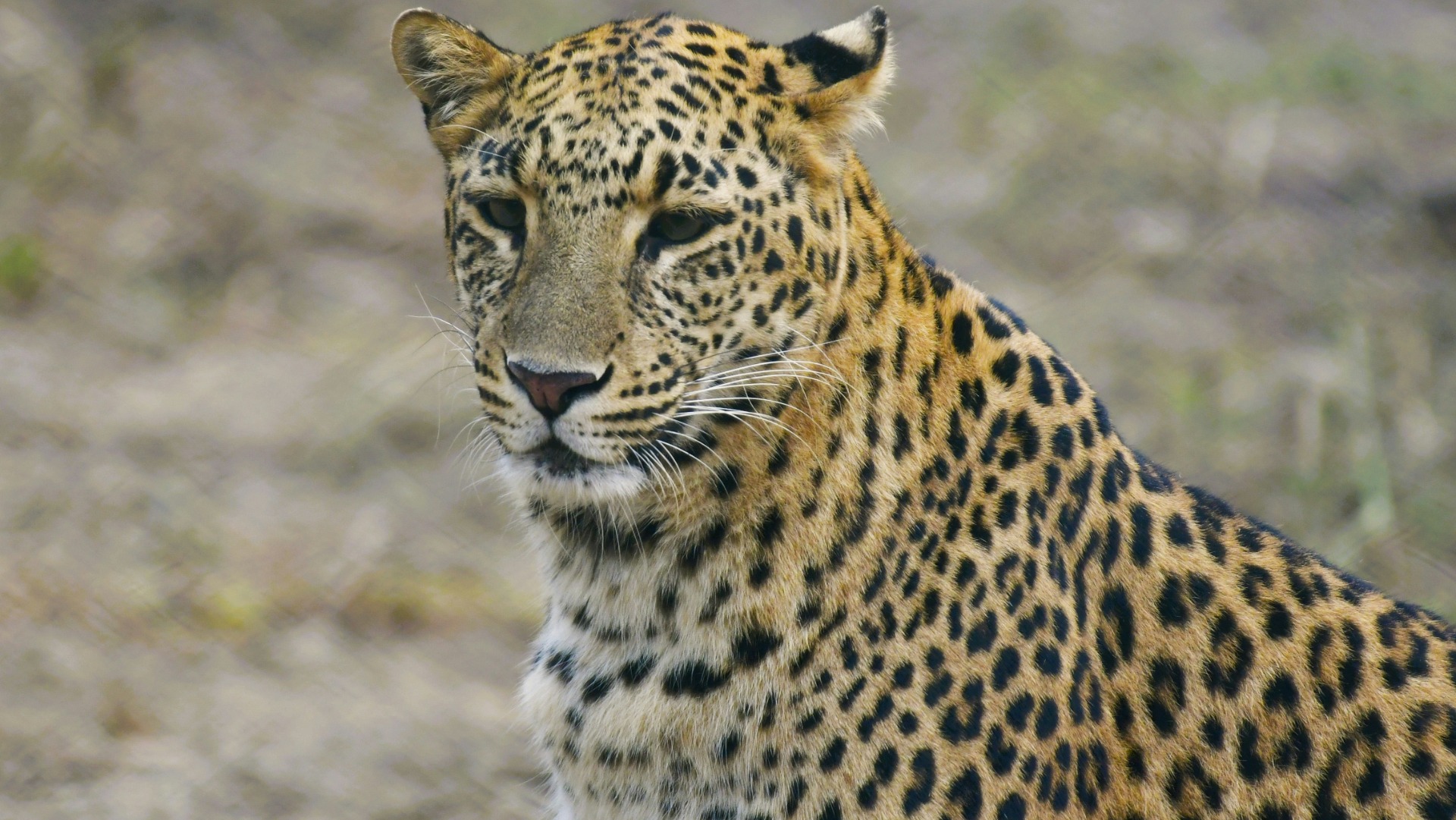
South African wildlife and habitats form one of the continent's most intricate support systems, where predators rarely succeed without the quiet assistance of smaller creatures. Lions and hyenas, though formidable, depend on partnerships with termites, dung beetles and other overlooked engineers that maintain the grasslands, savannas and woodlands they hunt across. These surprising alliances sustain the complex web of habits and animals in South Africa, from the arid expanses of the Karoo to the coastal fynbos and misty Afromontane forests.
Encounters Africa has spent years guiding travellers through these landscapes, witnessing first-hand how every layer of life supports another. A single termite mound can influence where a pride of lions chooses to rest, while the tireless work of dung beetles keeps nutrient cycles turning in the soil beneath a herd of buffalo. Understanding these connections deepens any safari experience and reveals why conservation must protect the entire system, not just its most charismatic stars.
The Hidden Engineers of the Grasslands
Termites and dung beetles might appear insignificant next to a 200-kilogram lion, yet their daily labour shapes the very terrain predators rely upon. In many South African reserves, termite colonies construct mounds that reach heights of two metres and spread across hundreds of square metres. These structures act as natural water reservoirs during dry months, drawing moisture from deep underground and creating lush patches of grass that attract grazers.
Dung beetles perform equally vital roles. A single beetle can bury up to 250 times its own body weight in dung each night, aerating the soil and returning vital nutrients that encourage fresh growth. Without this recycling process, large areas of savanna would quickly become compacted and nutrient-poor, reducing the prey base that sustains South African predators.
The invisible workforce of insects keeps the African bush alive; remove them and even the mightiest lion would eventually go hungry.
These partnerships become especially evident during the drier months between May and September, when surface water dwindles. Predators position themselves near active termite mounds not by chance, but because the elevated ground offers vantage points and the surrounding vegetation supports higher densities of impala and wildebeest. Rangers at well-managed private concessions regularly point out these subtle relationships during morning drives.

How Termite Mounds Influence Predator Behaviour
Research conducted in the Kruger National Park and surrounding private reserves shows that lion prides use termite mounds as lookout posts on more than 60 percent of observed hunts during the dry season. The mounds provide both height and a firm platform in otherwise soft ground, allowing big cats to scan for movement across the plains. This strategic use of micro-habitats demonstrates how deeply habits and animals in South Africa are intertwined with the smallest landscape features.
Hyenas display similar patterns. Spotted hyenas frequently den near abandoned termite structures, which offer natural shelter and protection for their cubs. The same mounds that once housed millions of insects become nurseries for the next generation of Africa's most successful scavengers and hunters. These observations come from long-term studies spanning more than fifteen years in the Lowveld region.
Beyond physical structure, the chemical signature of termite activity influences plant composition. Certain grasses favoured by zebra and wildebeest thrive in the nutrient-rich soil around mounds, creating predictable feeding stations that predators learn to exploit. This predictability allows lions to conserve energy, an important consideration when each successful hunt requires an average of five attempts.
The Role of Dung Beetles in Soil Health
Dung beetles contribute in ways that extend far beyond simple waste removal. By burying dung balls, they prevent the build-up of parasites that could otherwise affect both wildlife and domestic livestock on the boundaries of protected areas. Their activity also improves water infiltration in the soil, helping grasslands recover more quickly after drought.
In the Eastern Cape's Addo Elephant National Park, studies have recorded over 200 species of dung beetle, each specialising in different types and sizes of dung. This remarkable diversity ensures that even the massive deposits left by elephants are efficiently processed, maintaining the open grasslands that support the park's famous elephant herds and their associated predators.
What appears as simple beetle behaviour is in fact sophisticated landscape management that keeps entire food chains functioning.
South African Wildlife and Habitats: A Delicate Balance
The country's extraordinary variety of ecosystems creates different expressions of these habitat partnerships. In the open savannas of the north, termites and beetles work alongside fire regimes to maintain short grass plains favoured by cheetahs. Further south, in the fynbos biome of the Cape, different insect communities support smaller mammals that in turn sustain caracal and leopard populations.
Forest ecosystems present yet another variation. In the Knysna and Tsitsikamma regions, dung beetles process the rich leaf litter and droppings of bushbuck and forest elephants, preventing the build-up of organic matter that could fuel damaging fires. These quieter partnerships receive less attention than their savanna counterparts, yet they remain equally essential to the health of South African wildlife and habitats.
Seasonal changes add further complexity. The arrival of summer rains in November triggers a surge in insect activity, which coincides with the birthing season for many antelope species. This synchronisation ensures abundant food for both the insects and the predators that follow the herds, creating a natural rhythm that has persisted for millennia.
Case Studies from Private Reserves
At Malewane Lodge in the Thornybush Private Nature Reserve, guides have documented how specific termite mounds serve as regular hunting platforms for the same lion pride across multiple generations. The consistency of these sites over more than twenty years highlights the stability these structures provide in an otherwise changing landscape.
In the Kariega Private Game Reserve along South Africa's Eastern Cape coastline, researchers have studied how dung beetle activity influences the movement patterns of both predators and prey. Their findings show that areas with healthy beetle populations support 40 percent higher densities of small antelope, which in turn attract more frequent visits from leopards and caracals.
These private conservancies offer controlled environments where such relationships can be closely monitored. Their data contributes significantly to broader understanding of how to maintain healthy ecosystems across both public and private land in South Africa.
What These Partnerships Mean for Conservation
Recognising the importance of these insect engineers has changed how conservationists approach habitat management. Rather than focusing solely on large mammals, successful programmes now include monitoring of invertebrate populations and soil health. This holistic view acknowledges that protecting South African predators requires equal attention to the foundations upon which they depend.
Organisations working across the country have begun implementing practices that specifically support dung beetle and termite communities. These include limiting heavy vehicle use in sensitive areas, maintaining natural fire regimes, and reducing the use of certain veterinary chemicals that can harm insect populations.
True conservation success lies not in saving individual species but in preserving the countless invisible connections that bind them together.
Observing These Relationships on Safari
Modern safari experiences increasingly highlight these fascinating ecological stories. Knowledgeable guides help travellers look beyond the obvious thrill of seeing a lion kill to appreciate the supporting cast that makes such moments possible. A morning drive might include stopping to examine a fresh dung beetle's handiwork or discussing the history of a particular termite mound that has stood for decades.
The best time to witness these habitat partnerships in action runs from June to September, when drier conditions make the work of insects more visible and predators more reliant on elevated vantage points. During these months, the contrast between actively maintained grasslands and neglected areas becomes particularly striking.
Photography enthusiasts find rich opportunities in capturing both the drama of predator behaviour and the intricate detail of insect activity. The juxtaposition creates powerful visual narratives that communicate the interconnectedness of South African ecosystems more effectively than words alone.

Common Questions About South African Wildlife and Habitats
How do termites actually benefit lions and other large predators? Termites create physical structures that serve as lookout points and influence vegetation growth in their immediate vicinity. This leads to higher concentrations of prey animals, making hunting more successful for lions, which require approximately 5 to 7 kilograms of meat per day for an adult male.
Are dung beetles really that important to the ecosystem? Yes. A healthy population can process over a tonne of dung per hectare annually, preventing parasite build-up and returning nutrients to the soil. This supports grass growth that feeds the herbivores which, in turn, sustain South Africa's predator populations.
Which South African reserves offer the best opportunities to learn about these habitat partnerships? Private concessions bordering Kruger National Park, such as those in the Sabi Sand and Thornybush areas, along with well-managed Eastern Cape reserves like Kariega, provide excellent opportunities. Their experienced guides specialise in interpreting these subtle ecological relationships.
How is climate change affecting these insect-predator relationships? Rising temperatures and changing rainfall patterns are altering termite and beetle activity cycles. Some species are expanding their ranges while others face pressure, potentially disrupting the predictable patterns that predators have relied upon for generations.
Protecting the Full Spectrum of Life
The future of South African wildlife and habitats depends on our willingness to value every participant in these complex partnerships. From the microscopic fungi within termite mounds to the apex predators that command our attention, each element plays its part in maintaining the extraordinary biodiversity that draws travellers from around the world.
As our understanding grows, so too does our responsibility to ensure these delicate balances continue. Supporting well-managed conservation areas, participating in responsible safari practices, and sharing knowledge about these hidden connections all contribute to a more sustainable future for the habits and animals in South Africa.
For discerning travellers seeking a private safari beyond our set itineraries, we invite you to contact us directly. We specialise in designing exceptional, tailor-made journeys for individuals, couples, families, and private groups of up to eight guests. Drawing on our handpicked network of distinguished camps and lodges, we curate every detail with precision and care, creating a seamless, deeply personal safari experience shaped entirely around your preferences, pace, and budget.
Discover more about the intricate relationships that sustain African ecosystems in our recent feature on conservation success stories from African private reserves, or explore how different landscapes shape animal behaviour in our guide to South Africa's varied regions. To begin planning your own journey into these remarkable partnerships, please visit our enquiry form and let Encounters Africa craft an experience that reveals the true depth of the African bush.
More like this
Wildlife
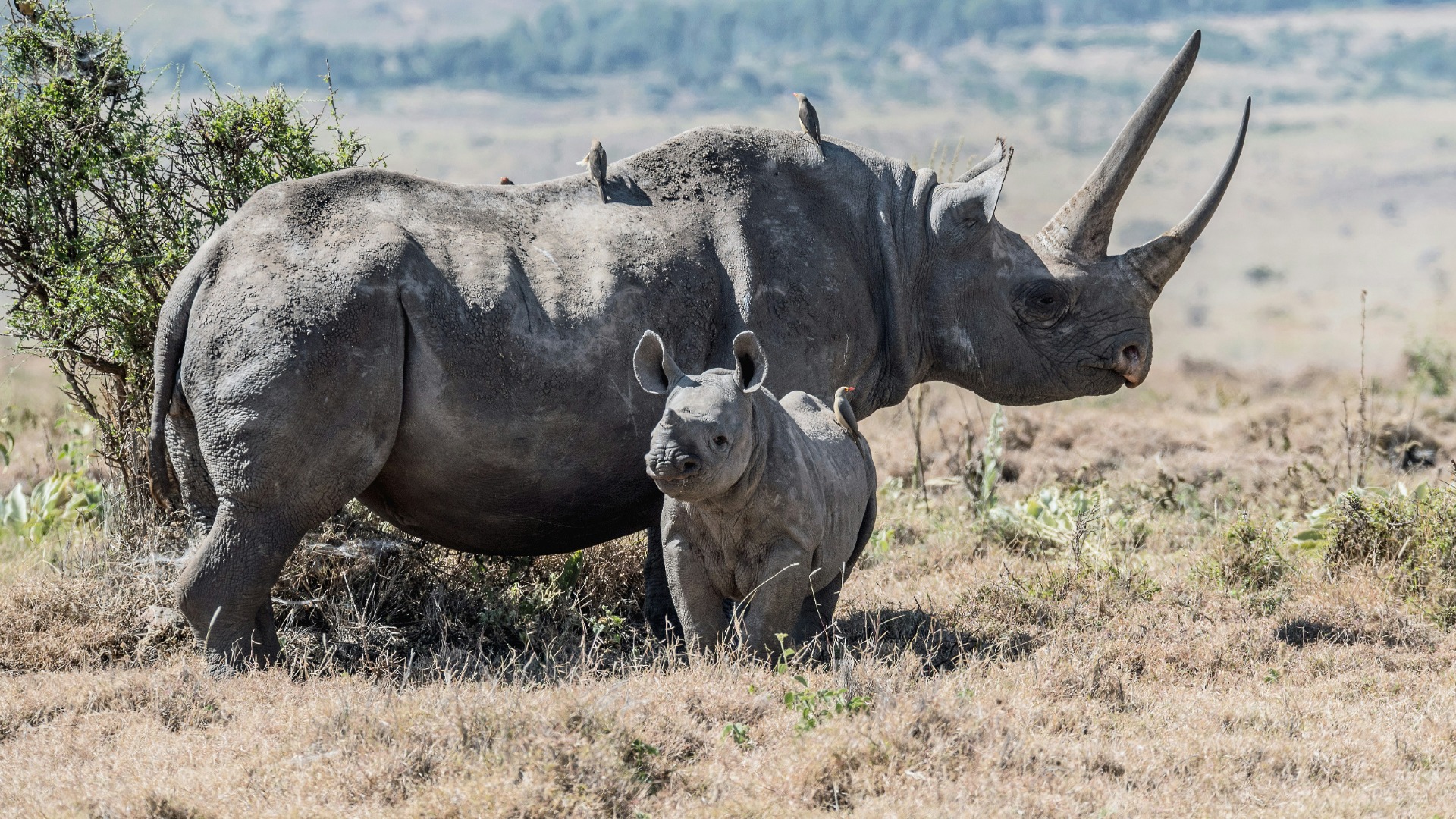
Why South African Wildlife Moments Outlast Any Photograph
Wildlife
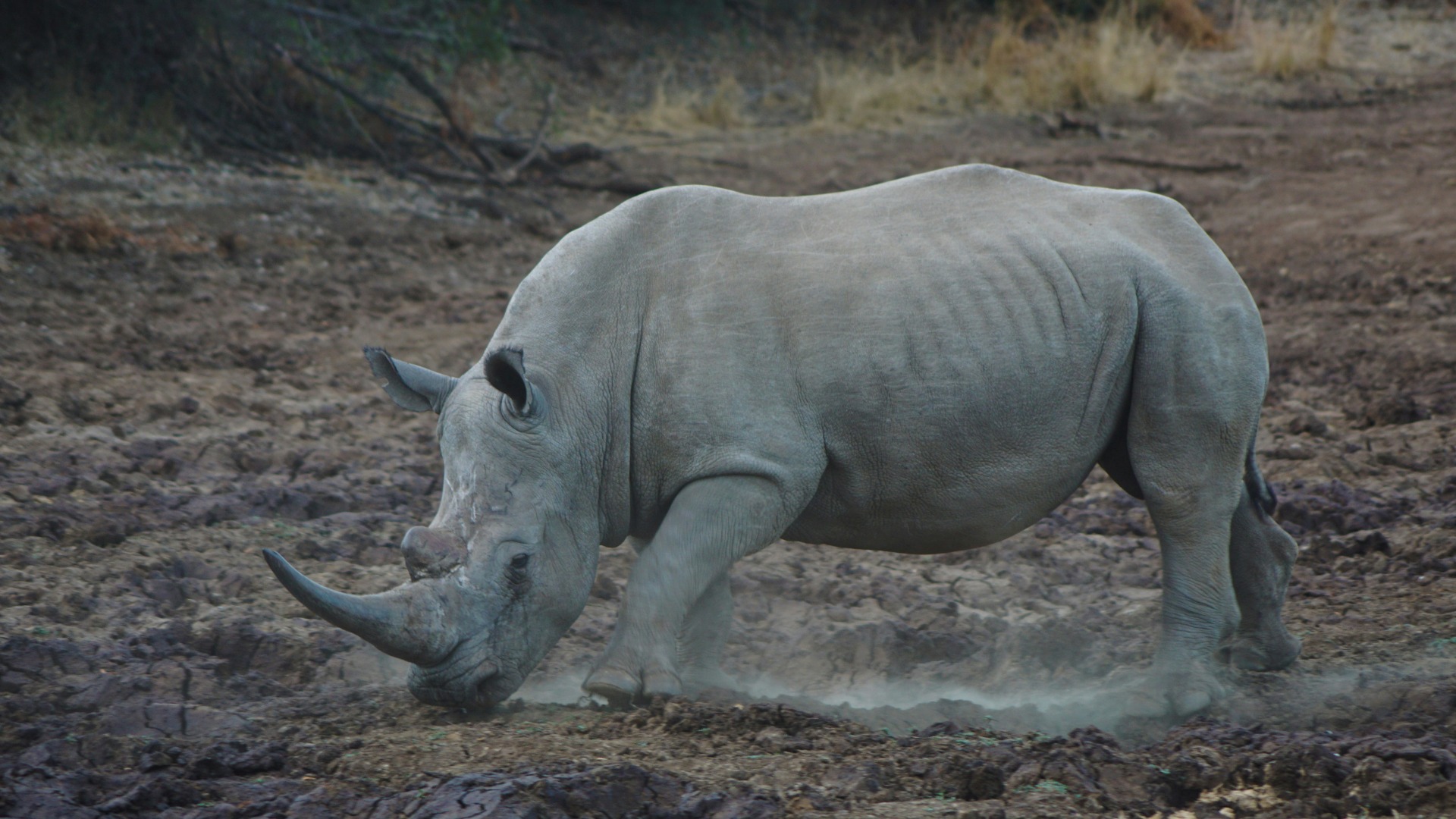
Why Southern White Rhinos Thrive While Their Northern Cousins Face Extinction
wildlife
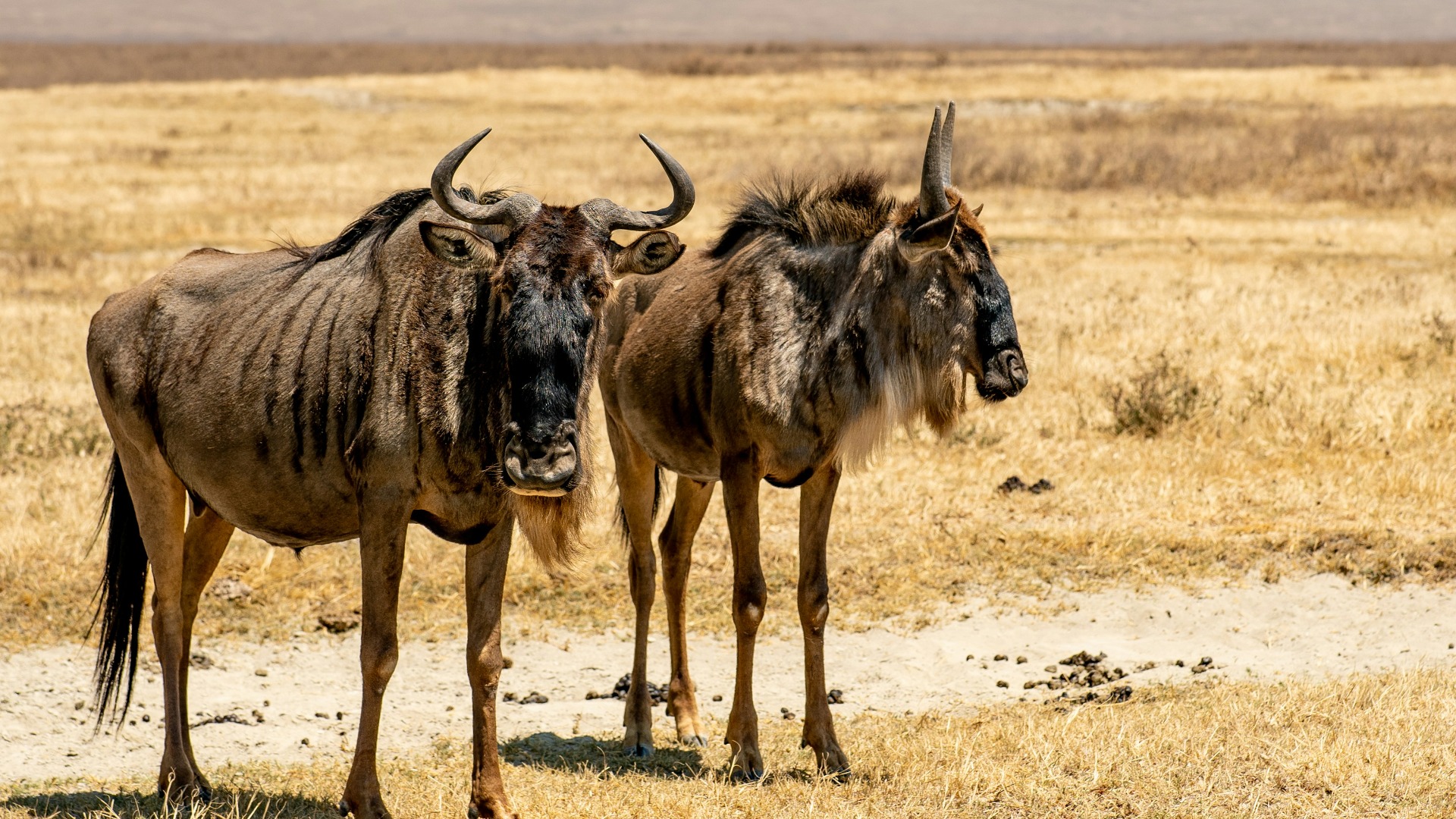
Why Tanzania's Migratory Herds Signal Deeper Changes in African Habitats
Wildlife
Why Tanzania's Savannahs Still Shape Africa's Most Dramatic Animal Encounters
wildlife
Why the Big Five Still Shapes Safari Marketing Long After Its Hunting Roots
Wildlife