Wildlife
Why South African Wildlife Moments Outlast Any Photograph
Encounters Africa - 8 min read
Updated on 24 June 2026
South African wildlife moments deliver far more than fleeting spectacle. They leave a residue of awe that lingers long after the jeeps are parked, revealing why these encounters recalibrate expectations of what a safari can mean. From the thunder of a South Africa buffalo herd crossing a dry riverbed to the silent gaze of a leopard draped along a marula branch, each interaction etches itself into memory with surprising permanence.
Encounters with big 5 wildlife in this varied landscape go beyond checklist sightings. They unfold as layered experiences where tension, beauty and quiet revelation intertwine. Whether you are watching a pride of lions digesting a kill under a fever tree or witnessing elephants gently shepherding their young across the open plains of the Eastern Cape, these wildlife moments in South Africa shape how travellers understand the wild.
The dust still hangs in the air long after the animals have melted into the bush, yet the weight of that shared breath remains with you for years.
The Enduring Power of South African Wildlife Moments
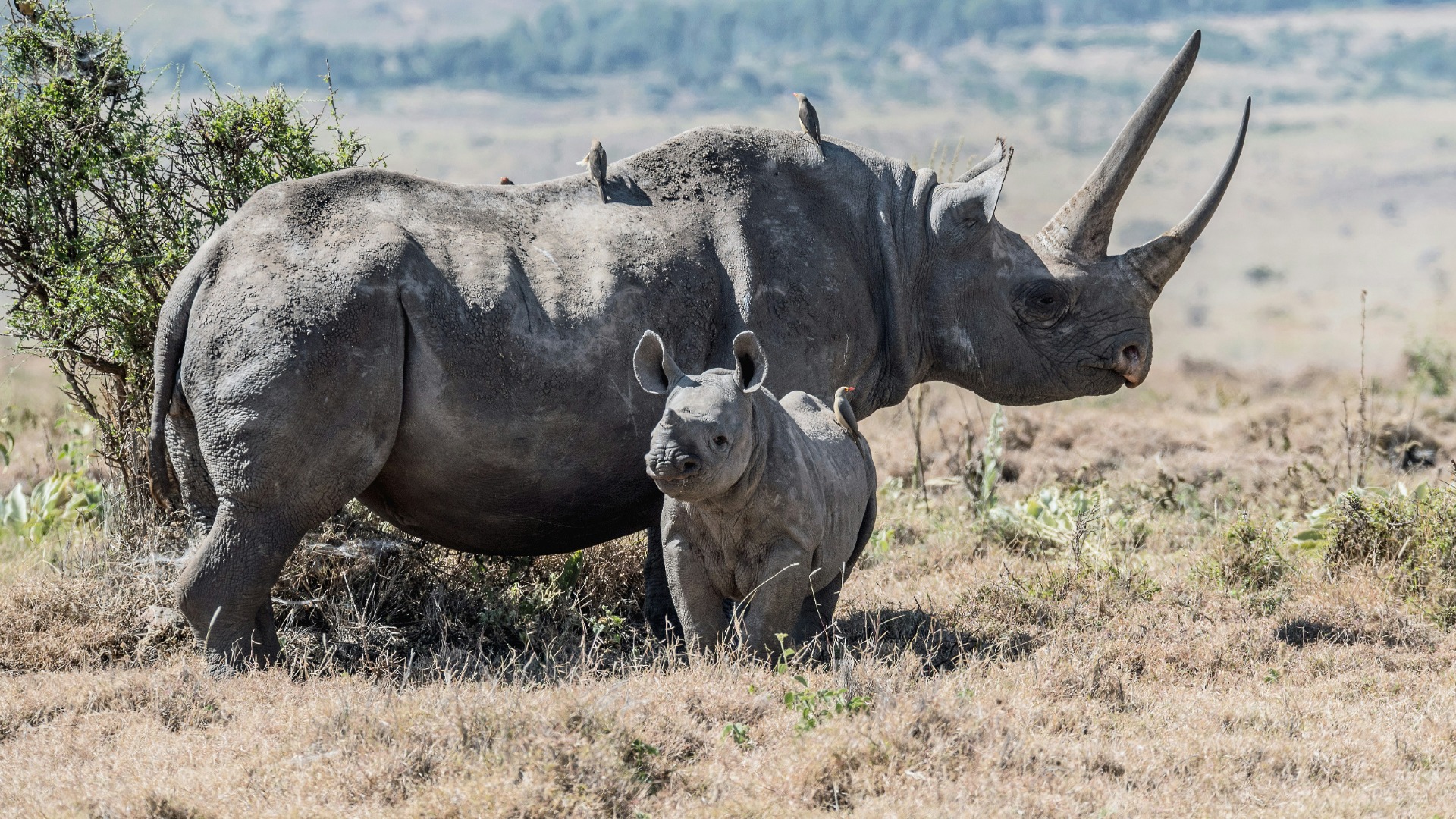
What makes a wildlife sighting in South Africa linger so powerfully is its immediacy. The low rumble of a lion’s call vibrating through your ribs at 3am cannot be captured on a memory card. Nor can the electric hush that falls when a black rhino emerges from thicket at dusk, its prehistoric bulk moving with unexpected delicacy. These south african wildlife experiences recalibrate the senses.
Travellers often speak of returning home changed. A morning spent tracking fresh cheetah spoor across red Kalahari sand or watching a young male elephant practise his mock charges stays with you in ways that transcend the visual. The scent of crushed acacia leaves, the metallic taste of anticipation, the way your guide’s voice drops to a whisper; each detail becomes part of the story that outlasts any photograph.
At Encounters Africa we have witnessed this transformation countless times. Guests who arrive seeking impressive images frequently depart carrying something far more valuable: a deepened respect for the fragile balance that sustains these magnificent creatures.
A single shared glance between human and leopard can rewrite your understanding of connection across species.
Where to Experience Big 5 Wildlife at Its Most Authentic
South Africa offers remarkably diverse habitats for observing the Big 5. In the northern reaches, the private reserves bordering Kruger National Park provide some of the continent’s finest leopard viewing, with densities reaching up to one adult per 2.5 square kilometres in certain concessions. Further south, the malaria-free reserves of the Eastern Cape deliver excellent rhino and buffalo sightings against dramatically different topography.
The Addo Elephant National Park protects over 600 elephants within its expanding boundaries, while Amakhala Game Reserve offers intimate encounters in a landscape of rolling hills and acacia thickets. Meanwhile, the iconic Sabi Sands remains legendary for its habituated predators and superb guiding standards.
Each region tells its own chapter in the story of big 5 wildlife. The open grasslands of the Highveld favour cheetah and large lion coalitions, whereas the dense thickets of the Lowveld create perfect ambush territory for leopards. Understanding these subtle differences helps travellers choose experiences that align with their particular interests.
Seasonal Variations in Wildlife Behaviour
The best time to witness dramatic wildlife moments in South Africa varies by region and species. From May to September, the dry winter months concentrate game around water sources, making sightings more predictable though the landscape appears more golden and sparse. Summer brings lush vegetation and newborn animals, though afternoon thunderstorms can occasionally disrupt game drives.
In the Eastern Cape, October through March offers superb predator viewing as the bush thins slightly after winter. Meanwhile, the northern parks see their most intense activity between June and October when surface water becomes scarce.

Understanding the Big 5: Beyond the Checklist
The term big 5 wildlife originated with hunters who found these species most dangerous to track on foot: lion, leopard, rhinoceros, elephant and African buffalo. Today the phrase serves as shorthand for South Africa’s most charismatic megafauna, though each carries its own complex story of survival and recovery.
Lions in South Africa number approximately 2,500 in the wild, with healthy populations in Kruger and its neighbouring private reserves. Leopards remain more elusive, with an estimated 4,000 individuals countrywide, many concentrated in the Greater Kruger ecosystem. Black and white rhinos continue their slow recovery thanks to intensive protection, while elephant populations in South Africa exceed 20,000, largely due to successful conservation management.
Yet these numbers only hint at the lived experience of encountering them. The particular tilt of an elephant’s head as it listens for distant rumbles, the way a buffalo herd moves as a single defensive unit, the absolute stillness of a leopard before it strikes; these nuances create the lasting memories that define south african wildlife encounters.
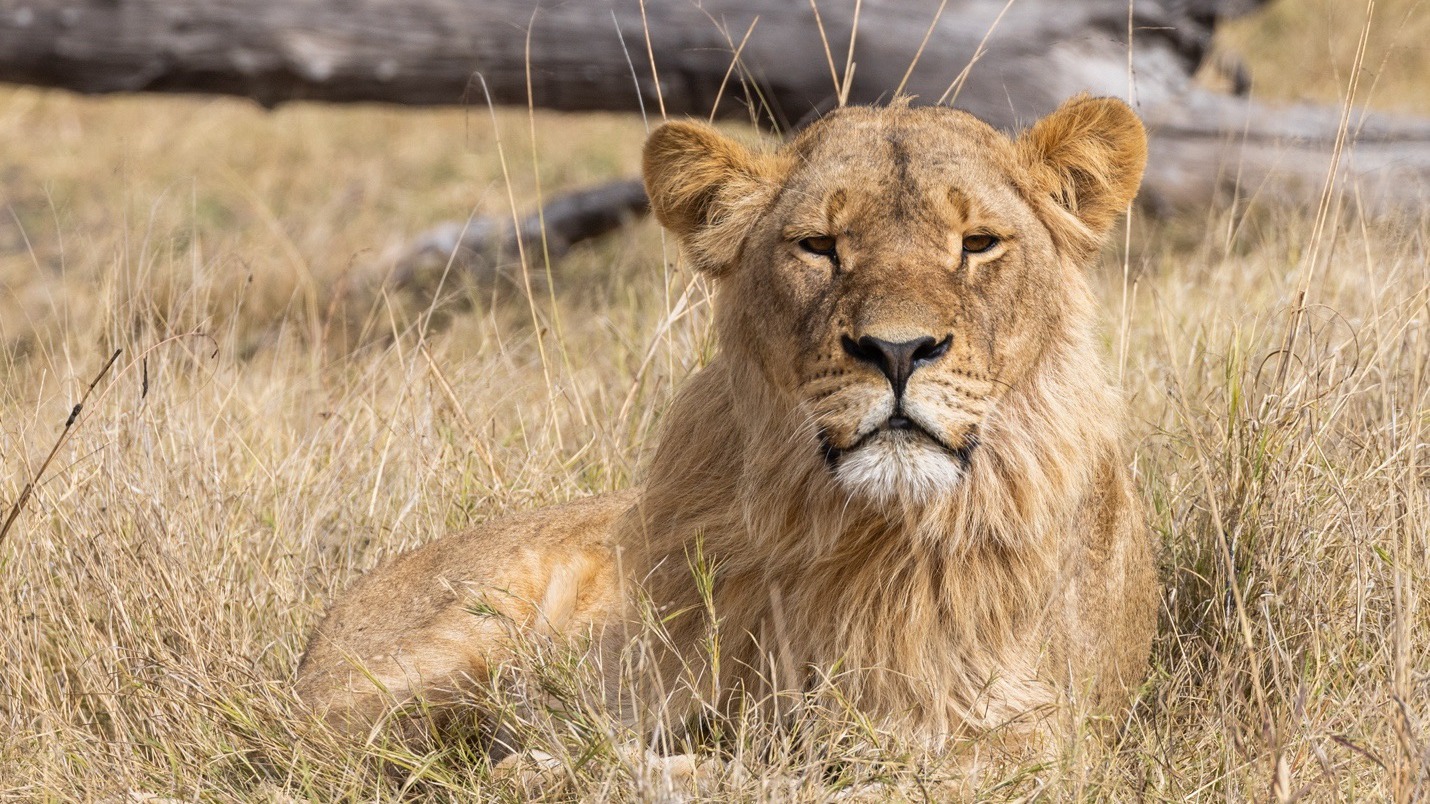
Numbers on a page cannot convey the way a lion’s amber eyes seem to look straight through you, measuring your intentions.
The Role of Private Reserves in Protecting South African Wildlife
Private conservation areas now protect more than 20 percent of South Africa’s remaining wilderness. These conservancies, often bordering national parks, play a vital role in expanding available habitat and creating wildlife corridors. Properties such as Kariega Private Game Reserve demonstrate how responsible tourism can directly fund anti-poaching teams, veterinary care and community education programmes.
At Encounters Africa we work exclusively with operators who contribute meaningfully to conservation. Their guides are not merely drivers but naturalists with deep local knowledge, many having grown up in the very communities now benefiting from wildlife tourism. This creates an authentic connection between visitor, landscape and local people that enriches every game drive.
The financial contribution of each safari helps maintain electrified fences, supports research projects tracking animal movements, and funds the relocation of animals to strengthen genetic diversity. In this way, every wildlife sighting becomes part of a larger story of hope and careful stewardship.
What Makes a South African Wildlife Moment Truly Memorable
The most powerful wildlife moments in South Africa often happen when expectations dissolve. Perhaps it is the sudden appearance of a hyena clan at a waterhole under moonlight, their eerie whoops echoing across the darkness. Or the heart-stopping moment when a black mamba crosses the track metres from your vehicle, reminding you that the bush belongs first to its wild inhabitants.
These experiences share certain qualities. They involve all the senses. They contain elements of surprise and humility. Most importantly, they foster a genuine sense of connection with something larger than ourselves. This is what separates South African safaris from mere wildlife viewing.
Common Questions About Experiencing Big 5 Wildlife
When is the best time to visit South Africa for big 5 wildlife? The drier winter months from June to September generally offer the most reliable sightings as animals congregate around water sources. However, each season has its rewards, from summer’s newborn impala to winter’s dramatic predator activity.
Is it possible to see all of the Big 5 in one safari? In well-managed private reserves bordering Kruger National Park, the probability of encountering lion, leopard, elephant, buffalo and rhino within a few days reaches approximately 85 percent during the dry season, though nature ultimately decides.
How close do vehicles get to the animals? Professional guides maintain respectful distances that vary by species and individual animal temperament. In many private concessions, vehicles are permitted closer than in national parks because the animals are habituated to their presence.

Conservation Success Stories Worth Celebrating
South Africa’s wildlife recovery offers genuine reasons for optimism. White rhino numbers have increased from fewer than 100 individuals in the early 20th century to over 15,000 today, despite ongoing poaching challenges. The reintroduction of lions to reserves in the Eastern Cape has created new populations that now number several hundred animals.
Community-owned conservancies continue to expand, returning land to wildlife while creating sustainable income for rural families. These initiatives demonstrate that conservation and economic development can reinforce rather than compete with each other when managed thoughtfully.
By choosing responsible operators, travellers become active participants in these success stories. The revenue from high-value, low-impact tourism helps protect habitats that would otherwise face pressure from agriculture or mining.
Every rand spent on a well-managed safari helps write another chapter in the recovery of South Africa’s magnificent wildlife.
Creating Your Own Enduring Wildlife Memories
The south african wildlife experience ultimately transcends location and season. What matters most is approaching each drive with openness and respect. Put down the camera occasionally. Listen to the bush. Allow yourself to be fully present when that rare moment arrives.
For discerning travellers seeking a private safari beyond our set itineraries, we invite you to contact us directly. We specialise in designing exceptional, tailor-made journeys for individuals, couples, families, and private groups of up to eight guests. Drawing on our handpicked network of distinguished camps and lodges, we curate every detail with precision and care, creating a seamless, deeply personal safari experience shaped entirely around your preferences, pace, and budget.
Whether you wish to focus on leopard behaviour in the Sabi Sands, track black rhino on foot in the Eastern Cape, or combine South Africa with Botswana for a comprehensive Big 5 journey, Encounters Africa will craft an itinerary that maximises your chances of creating memories that truly outlast any photograph.
Begin your journey by visiting our enquiry form today. Let us help you discover why so many travellers return from South Africa forever changed by their encounters with its remarkable wildlife.
More like this
Wildlife
Why Southern White Rhinos Thrive While Their Northern Cousins Face Extinction
wildlife
Why Tanzania's Migratory Herds Signal Deeper Changes in African Habitats
Wildlife
Why Tanzania's Savannahs Still Shape Africa's Most Dramatic Animal Encounters
wildlife
Why the Big Five Still Shapes Safari Marketing Long After Its Hunting Roots
Wildlife
Why Thoughtful Game Lodge Selection Directly Improves Your Wildlife Sightings
Wildlife