Wildlife
Why Southern White Rhinos Thrive While Their Northern Cousins Face Extinction
Encounters Africa - 9 min read
Updated on 24 June 2026
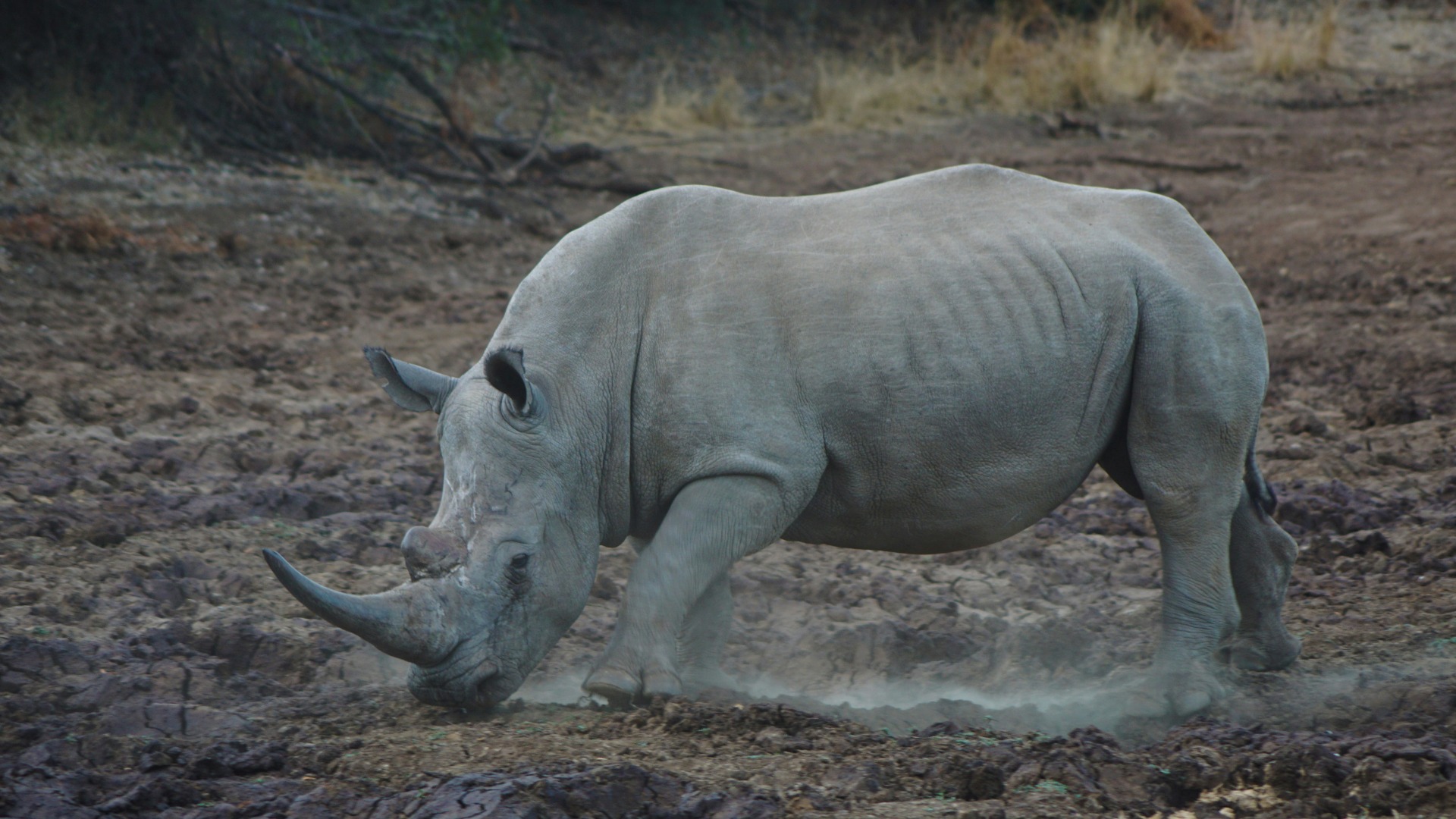
The differences between northern and southern white rhinos extend far beyond their original ranges across the African continent. Today, southern white rhino populations exceed 20,000 individuals thanks to decades of dedicated protection, while only two northern white rhinos remain, both females unable to reproduce naturally. This stark contrast in rhino wildlife survival highlights how habitat suitability, human intervention, and behavioural traits have shaped vastly different outcomes for these closely related subspecies.
Understanding what separates northern and southern white rhinos offers valuable insight into broader conservation challenges facing large mammals. From genetic distinctions to anti-poaching strategies, the story of these magnificent creatures reveals both the fragility and resilience within rhino wildlife when given proper support. Encounters Africa frequently witnesses southern white rhinos during safaris in well-managed reserves, where their presence enriches every game drive.
The Origins and Taxonomy of Northern and Southern White Rhinos
Despite their name, white rhinos are not white. The term derives from the Afrikaans word "wijd," meaning wide, referring to their broad, square lips adapted for grazing. Both subspecies belong to the species Ceratotherium simum, yet genetic studies conducted since 2010 confirm they diverged approximately 80,000 years ago. This separation created two distinct populations with measurable differences in DNA, size, and behaviour.
Northern white rhinos historically ranged across parts of Uganda, Chad, Sudan, the Democratic Republic of Congo, and the Central African Republic. Southern white rhinos were once confined primarily to southern Africa, with a tiny remnant population surviving in what is now South Africa by the late 19th century. Taxonomists now classify them as subspecies: Ceratotherium simum cottoni for the northern and Ceratotherium simum simum for the southern.
The northern white rhino once numbered several thousand across central African savannas, yet today the subspecies exists functionally only through advanced reproductive science and international collaboration.
Physical Distinctions That Matter
Northern white rhinos tend to be slightly smaller with longer, more slender horns that curve gently forward. Southern specimens often display broader bodies and horns that grow thicker at the base. These variations, while subtle to the untrained eye, reflect adaptations to different grassland ecosystems and have influenced how each subspecies interacts with its environment.
Behavioural differences also emerged over millennia. Southern white rhinos demonstrate more flexible social structures, forming larger groups in areas with abundant resources. Northern white rhinos historically showed more solitary tendencies outside of mother-calf pairs, a trait that may have increased vulnerability when populations faced intense pressure.
Population Trajectories: From Near-Extinction to Recovery
By 1900, southern white rhinos had plummeted to fewer than 100 individuals in a single protected area in South Africa. Through rigorous protection at Hluhluwe-iMfolozi Park, numbers climbed steadily. By 2023, the population had reached approximately 20,400 across Africa and in controlled sanctuaries worldwide, representing one of conservation's genuine success stories in rhino wildlife management.
The northern white rhino followed a different path. Estimated at around 2,300 in the 1960s, the population crashed due to civil unrest and poaching throughout the 1970s and 1980s. By 2008, only four individuals remained in Kenya's Ol Pejeta Conservancy after translocation from the Czech Republic. The last male, Sudan, died in 2018, leaving just two females: Najin and her daughter Fatu.
While southern populations demonstrate what sustained protection can achieve, the northern white rhino's decline shows how quickly decades of progress can vanish when political stability falters.
Key Milestones in Southern White Rhino Conservation
The southern recovery began with the establishment of protected areas in the early 20th century. Between 1960 and 1980, over 1,000 southern white rhinos were translocated to establish new populations across suitable habitats. This "Operation Rhino" became a model for wildlife relocation that continues influencing modern conservation practices.
Today, the majority of southern white rhinos—around 15,000—live in South Africa, with significant populations also in Kenya, Namibia, and Zimbabwe. Private reserves and community conservancies now protect roughly 30 percent of the total population, proving that collaborative models between governments, NGOs, and private operators deliver measurable results.

Why the Northern White Rhino Faces Functional Extinction
The northern white rhino's decline accelerated during periods of regional instability. Civil wars in the Democratic Republic of Congo between 1990 and 2008 made effective protection nearly impossible. Poaching gangs exploited these conflicts, removing entire populations from national parks within months. By 2006, surveys found zero northern white rhinos in their former strongholds.
Even before the final wild individuals disappeared, low genetic diversity had become problematic. The remaining animals shared close family ties, reducing fertility rates. When only two females survived, natural reproduction became impossible despite their ability to carry pregnancies. This genetic bottleneck distinguishes the northern situation from the more diverse southern populations.
The Role of Habitat and Human Pressure
Northern habitats experienced greater competition from expanding human settlements and livestock grazing. Unlike the southern ranges, which benefited from dedicated conservation zones established early, northern territories faced inconsistent protection. Political priorities often shifted resources away from wildlife during turbulent decades.
Poaching patterns differed too. Northern horns entered different trade routes, sometimes connected to conflicts where they were exchanged for weapons. The southern white rhino benefited from more concentrated protection efforts in stable regions where tourism revenue helped fund ongoing security measures.
Current Conservation Approaches for Rhino Wildlife
Modern rhino conservation combines traditional methods with cutting-edge technology. In southern ranges, anti-poaching teams use drones, thermal imaging, and rapid response units to protect animals across vast landscapes. Community education programmes have reduced local involvement in poaching by demonstrating the long-term economic benefits of living alongside rhino wildlife.
For the northern subspecies, hope now rests with assisted reproductive technologies. Scientists have collected eggs from the remaining females and created embryos using stored northern white rhino sperm. These embryos have been successfully implanted into southern white rhino surrogate mothers at the Ol Pejeta Conservancy and European laboratories. The goal remains creating a viable population that could one day return to protected northern habitats.
Advanced reproductive science now offers the only pathway to prevent complete loss of northern white rhino genetics, representing a profound shift in how we approach rhino wildlife preservation.
Practical Protection Measures That Work
Successful southern white rhino populations demonstrate several key principles. First, consistent funding for field rangers remains essential—studies show that doubling patrol frequency can reduce poaching by up to 80 percent in targeted zones. Second, involving local communities creates sustainable support networks that prove more effective than enforcement alone.
Translocation continues playing a vital role. Moving groups of rhinos to new, well-protected areas helps establish insurance populations while reducing pressure on existing habitats. Private conservancies in South Africa have pioneered innovative financing models where tourism revenue directly funds rhino protection.
What Safari Travellers Can Observe Today
Visitors to well-managed reserves in southern Africa regularly encounter southern white rhinos during game drives. These encounters offer powerful reminders of successful conservation when travellers witness mothers with calves or bachelor groups grazing peacefully at dawn. The animals' deliberate movements and impressive bulk create lasting memories that deepen appreciation for rhino wildlife.
At Malewane Lodge in the Thornybush Private Nature Reserve, experienced guides share detailed knowledge about individual rhinos and their histories. Similar intimate encounters await at select camps in the Phinda Private Game Reserve and other premier destinations where rhino monitoring forms part of daily operations.
Responsible Viewing Guidelines
Ethical encounters with rhino wildlife require maintaining appropriate distances and avoiding any actions that might stress the animals. Professional guides understand individual rhino temperaments and know when to withdraw to prevent disturbance. Photography should always prioritise the animal's wellbeing over capturing the perfect image.
Many lodges now incorporate conservation contributions into guest stays, allowing travellers to directly support anti-poaching initiatives and habitat restoration. These experiences transform a simple game drive into an opportunity for meaningful contribution to rhino wildlife protection.

The Future Outlook for Both Subspecies
Southern white rhino numbers have stabilised in recent years despite continued poaching pressure. Between 2010 and 2020, the population grew by an average of 2.5 percent annually in South Africa, though regional variations exist. Maintaining this momentum requires sustained international cooperation and adequate funding estimated at $80 million annually across African rhino range states.
The northern white rhino project represents an unprecedented experiment in species recovery. If current embryo transfer techniques succeed, the first northern white rhino calves could be born within the next decade. This would mark the first time advanced reproductive technology has brought a large mammal back from functional extinction.
Every southern white rhino seen on safari today exists because previous generations recognised the value of protecting these ancient grazers before it was too late.
Supporting Conservation Through Travel
Choosing operators committed to genuine conservation makes a measurable difference. Properties that employ dedicated rhino monitoring teams, support community development, and maintain transparent reporting systems deserve traveller support. Your visit can help ensure that future generations witness these magnificent animals in their natural environments.
Research continues exploring horn treatments that render them worthless to poachers without harming the animals. Other innovations include facial recognition software that helps rangers identify individual rhinos from camera trap images, streamlining monitoring across large areas.
Conclusion
The contrasting fates of northern and southern white rhinos offer sobering yet hopeful lessons about rhino wildlife conservation. While the northern subspecies clings to existence through science and determination, the southern population demonstrates what becomes possible when society commits to protecting a species over decades. These outcomes reflect not just biological differences but the power of consistent human intervention.
For discerning travellers seeking a private safari beyond our set itineraries, we invite you to contact us directly. We specialise in designing exceptional, tailor-made journeys for individuals, couples, families, and private groups of up to eight guests. Drawing on our handpicked network of distinguished camps and lodges, we curate every detail with precision and care, creating a seamless, deeply personal safari experience shaped entirely around your preferences, pace, and budget.
By choosing to witness southern white rhinos in their natural habitat, you become part of the solution. Each journey supported through Encounters Africa contributes to the protection of these remarkable animals and the ecosystems they sustain. Discover how your safari can help write the next chapter in rhino wildlife conservation across Africa.
Related Reading
Explore our guide to wildlife conservation efforts in Kenya's Masai Mara to understand parallel protection strategies for other iconic species. For those planning journeys focused on conservation, consider our insights into South African wildlife experiences where southern white rhinos feature prominently alongside the Big Five.
More like this
wildlife
Why Tanzania's Migratory Herds Signal Deeper Changes in African Habitats
Wildlife
Why Tanzania's Savannahs Still Shape Africa's Most Dramatic Animal Encounters
wildlife
Why the Big Five Still Shapes Safari Marketing Long After Its Hunting Roots
Wildlife
Why Thoughtful Game Lodge Selection Directly Improves Your Wildlife Sightings
Wildlife
Why Tree Climbing Lions Thrive in Uganda's Ishasha Sector
Wildlife